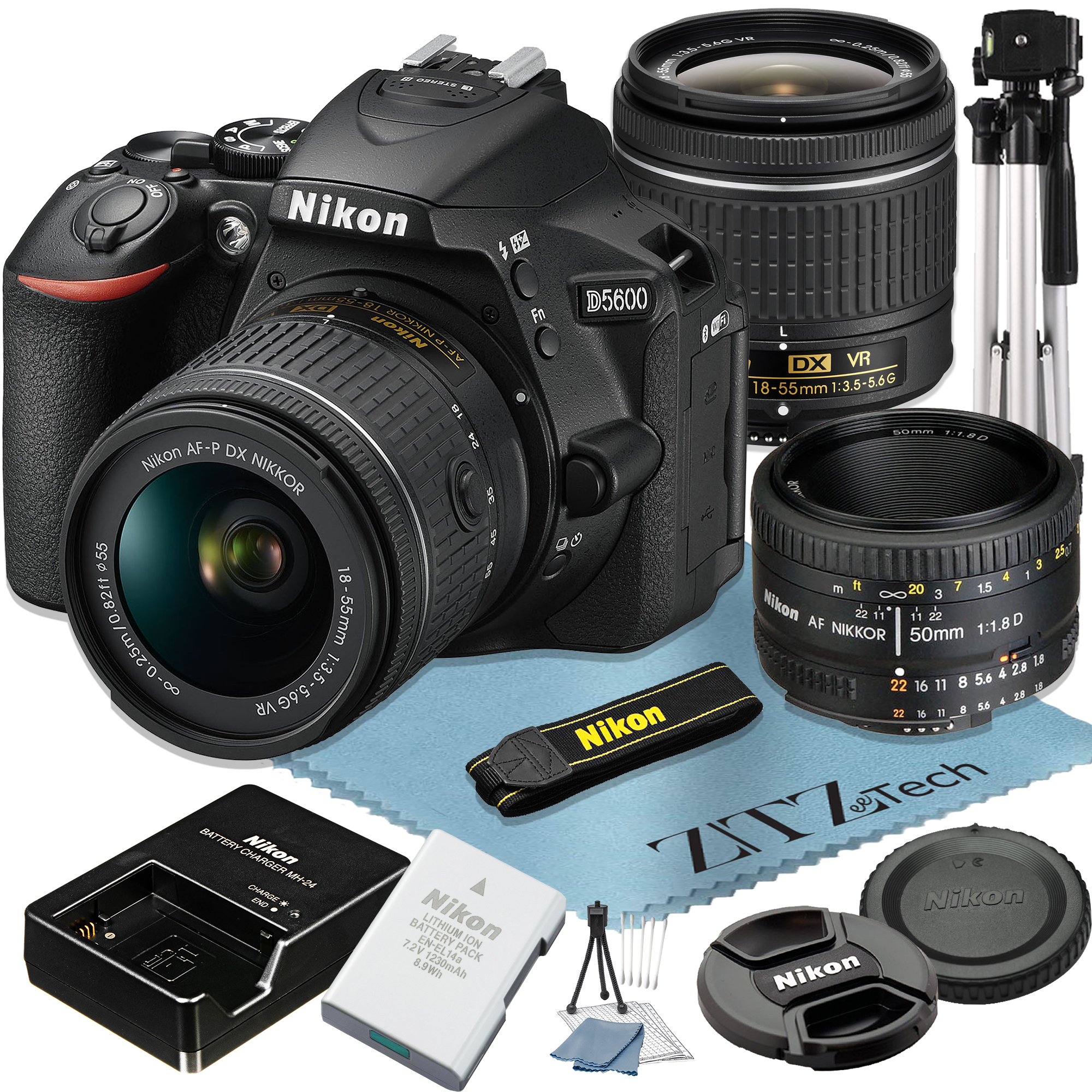
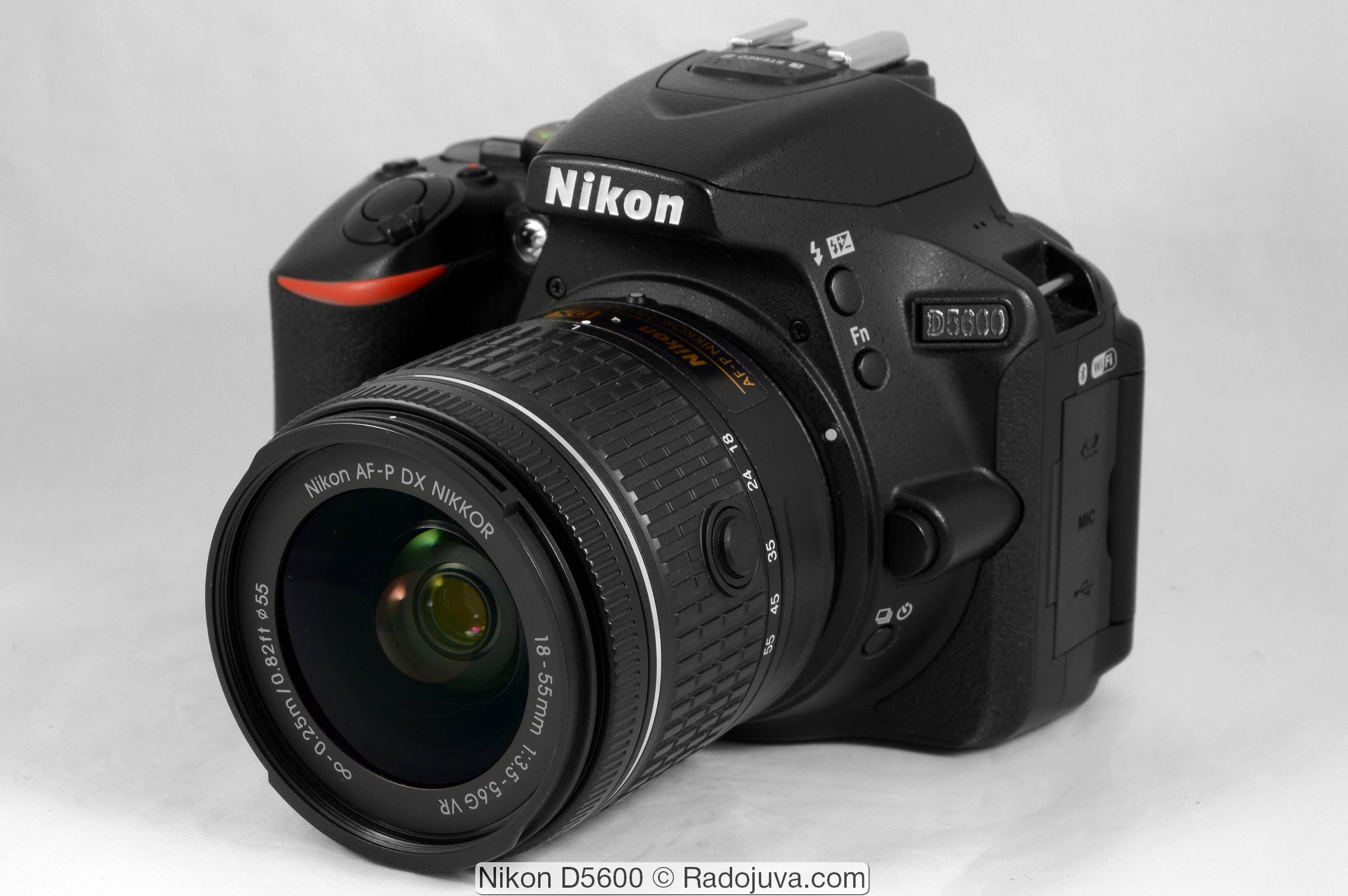
No, the Nikon D5600 is not a full-frame camera; it features an APS-C size sensor, which Nikon designates as DX format. Released in 2016, this popular digital single-lens reflex (DSLR) camera is built around a smaller sensor than professional full-frame bodies, utilizing a 1.5x crop factor that impacts lens selection, field of view, and overall system size.
Understanding the distinction between full-frame and crop-sensor cameras is essential for photographers building a system or evaluating equipment. When evaluating the Nikon D5600, buyers often encounter questions regarding its sensor size, physical dimensions, performance capabilities, and lens compatibility. This guide explores the specifications of the Nikon D5600, analyzes what its APS-C sensor means for practical photography, and compares it with full-frame alternatives.
Understanding the Nikon D5600 Sensor Specifications
The Nikon D5600 is equipped with a 24.2-megapixel CMOS sensor measuring 23.5 mm x 15.6 mm. This sensor size is commonly referred to in the industry as APS-C, while Nikon specifically branding its APS-C lineup as the DX format.
By definition, a full-frame sensor measures 36 mm x 24 mm, which corresponds to the dimensions of traditional 35mm film. Because the Nikon D5600 sensor is physically smaller than a full-frame sensor, it captures a more cropped portion of the scene projected by the lens. This difference in physical dimensions influences several optical and technical characteristics of the camera, including the effective focal length of attached lenses, depth of field rendering, and low-light performance.
- Full-Frame Sensor (36 x 24 mm)
- APS-C / DX Sensor (23.5 x 15.6 mm)
- [ Nikon D5600 ]
- APS-C / DX Sensor (23.5 x 15.6 mm)
The 1.5x Crop Factor Explained
Because the Nikon D5600 sensor is smaller than a 35mm film frame, it introduces a 1.5x crop factor. This means any lens attached to the camera will yield a field of view equivalent to a focal length 1.5 times longer than what would be experienced on a full-frame camera.
For example, when a standard 50mm lens is mounted on the Nikon D5600, it produces an effective field of view similar to a 75mm lens on a full-frame body. This characteristic can be advantageous for wildlife and sports photographers who want extra "reach" from their telephoto lenses, but it requires careful planning for landscape and architectural photographers seeking wide angles.
Key Features and Capabilities of the Nikon D5600
Beyond its sensor size, the Nikon D5600 includes a robust feature set designed for enthusiasts and intermediate creators. Powered by the EXPEED 4 image processing engine, the camera supports an ISO range of 100 to 25,600, allowing for flexible shooting in varied lighting conditions.
The camera features a 3.2-inch fully articulating touchscreen LCD with 1,037,000 dots, which facilitates high- and low-angle shooting, vlogging, and intuitive menu navigation. Autofocus duties are handled by a 39-point AF system (with 9 cross-type sensors), providing reliable subject tracking when paired with compatible AF-P or AF-S NIKKOR lenses. Additionally, the body incorporates Nikon's SnapBridge technology, utilizing Bluetooth Low Energy (BLE) and Wi-Fi to maintain a constant, low-power connection to a smartphone or tablet for automatic image transfer.
Physical Design and Ergonomics
One of the primary benefits of the Nikon D5600's APS-C design is the form factor of the camera body itself. Weighing approximately 465 grams (including battery and memory card) and measuring about 124 x 97 x 70 mm, the D5600 is notably lighter and more compact than typical full-frame DSLRs. Its monocoque carbon-fiber composite structure provides a sturdy feel in the hand while maintaining a deep grip that accommodates varied hand sizes comfortably during extended shooting sessions.
Nikon DX vs. Full-Frame: Performance Comparisons
Choosing between a crop-sensor camera like the Nikon D5600 and a full-frame alternative involves weighing several optical, financial, and practical considerations. The table below outlines key technical and operational differences.
| Feature / Specification | Nikon D5600 (APS-C / DX) | Typical Full-Frame DSLR |
|---|---|---|
| Sensor Dimensions | 23.5 mm x 15.6 mm | 36.0 mm x 24.0 mm |
| Crop Factor | 1.5x | 1.0x (No crop) |
| Body Size & Weight | Compact and lightweight (~465g) | Heavier and bulkier (~750g+) |
| Lens Compatibility | Accepts DX and FX lenses (FX has 1.5x crop) | Optimized for FX lenses (DX causes vignetting/crop mode) |
| Field of View | Narrower field of view per focal length | Wider field of view per focal length |
| Low-Light / High-ISO | Good, but higher noise at extreme ISO | Superior light-gathering area, lower high-ISO noise |
| System Cost | Generally more affordable camera and lenses | Higher investment for body and glass |
Image Quality and Low-Light Performance
While full-frame sensors generally offer superior dynamic range and better high-ISO performance due to their larger individual pixel sites (photodiodes), the 24.2-megapixel sensor in the Nikon D5600 delivers exceptional clarity, sharp detail, and accurate color reproduction in daylight and controlled lighting environments. For everyday photography, portraits, travel, and casual video, the visual difference between APS-C and full-frame is negligible for most viewers, especially when images are shared digitally or printed at standard sizes.
Depth of Field and Bokeh
Full-frame cameras naturally produce a shallower depth of field at equivalent f-stops compared to APS-C cameras. To achieve the same background blur (bokeh) on the Nikon D5600 as a full-frame camera, photographers must use wider apertures, longer focal lengths, or position the subject closer to the camera relative to the background.
Lens Compatibility for the Nikon D5600
Lens selection is a critical factor when operating an APS-C system. Nikon offers two primary lines of lenses that mount directly onto the Nikon D5600:
- DX Lenses: Designed specifically for crop-sensor cameras. These lenses project a smaller image circle that matches the APS-C sensor dimensions, resulting in lighter, more compact, and often more affordable optics.
- FX Lenses: Designed for full-frame cameras. These lenses project a larger image circle. While they can be mounted without restriction on the Nikon D5600, the camera only captures the center portion of that image circle due to the 1.5x crop factor.
Notably, photographers should verify the autofocus motor integration of older lenses. The Nikon D5600 does not have a built-in autofocus motor in the camera body (screwdriver autofocus); it relies entirely on lenses with built-in stepping motors (AF-P) or silent wave motors (AF-S) to achieve automatic focus.
Common Mistakes and Misconceptions
When evaluating camera formats, buyers frequently encounter a few persistent misunderstandings:
- Assuming Higher Megapixels Equal Full-Frame: Megapixel count and sensor physical size are distinct metrics. A 24-megapixel APS-C sensor packs resolution densely, but the individual pixels are smaller than those on a lower-resolution full-frame sensor.
- Expecting Full-Frame Lenses to Eliminate the Crop Factor: Mounting an expensive full-frame (FX) lens onto a Nikon D5600 does not convert the camera into a full-frame system. The 1.5x focal length multiplier still applies.
- Overlooking Lens Investment Costs: System cost extends beyond the camera body. While Nikon D5600 bodies and DX lenses are cost-effective, upgrading to a full-frame system requires purchasing heavier and more expensive FX glass to realize the format's optical advantages fully.
Frequently Asked Questions
Can I use full-frame lenses on the Nikon D5600?
Yes, you can mount Nikon FX (full-frame) lenses directly onto the Nikon D5600 via the F-mount. However, because the D5600 has an APS-C sensor, the effective focal length will be multiplied by 1.5x. You will also be utilizing only the central sweet spot of the lens, which often results in excellent edge-to-edge sharpness.
Is the Nikon D5600 suitable for professional photography?
Many professional photographers use APS-C cameras like the Nikon D5600 as lightweight backup bodies or travel cameras. While it lacks professional full-frame amenities such as dual card slots, weather-sealed magnesium alloy bodies, and top LCD panels, its 24.2-megapixel sensor is capable of producing professional-grade image quality when paired with high-quality glass and proper lighting.
What is the difference between Nikon DX and FX?
DX refers to Nikon's APS-C crop-sensor format (1.5x crop factor), which powers cameras like the D5600, D3500, and D7500. FX refers to Nikon's full-frame format, which matches the dimensions of standard 35mm film and powers professional bodies like the D750, D850, and mirrorless Z series equivalents.
Does the Nikon D5600 shoot 4K video?
No, the Nikon D5600 records video at a maximum resolution of 1080p Full HD at up to 60 frames per second. If 4K video recording is a primary requirement, users typically look toward newer mirrorless bodies or alternative DSLR models with native 4K processing capabilities.
Do I need an adapter for lenses on the Nikon D5600?
No adapter is required for any Nikon F-mount lens (either DX or FX) produced in the modern era. They mount directly onto the camera body, though older legacy lenses without built-in autofocus motors will require manual focusing.
Conclusion and Next Actions
The Nikon D5600 is not a full-frame camera; it is a highly capable APS-C DSLR that balances portability, image quality, and value. For photographers prioritizing a lightweight kit, excellent battery life, and access to an extensive ecosystem of affordable lenses, the DX format remains a practical and efficient choice.
To determine if this system aligns with your needs, evaluate your primary shooting subjects. If you require maximum low-light performance, ultra-wide fields of view without a crop factor, or shallow depth of field control, a full-frame body may be more appropriate. If you prefer a portable, budget-friendly setup for travel, family events, or general creative work, the Nikon D5600 delivers robust performance within its designated format.