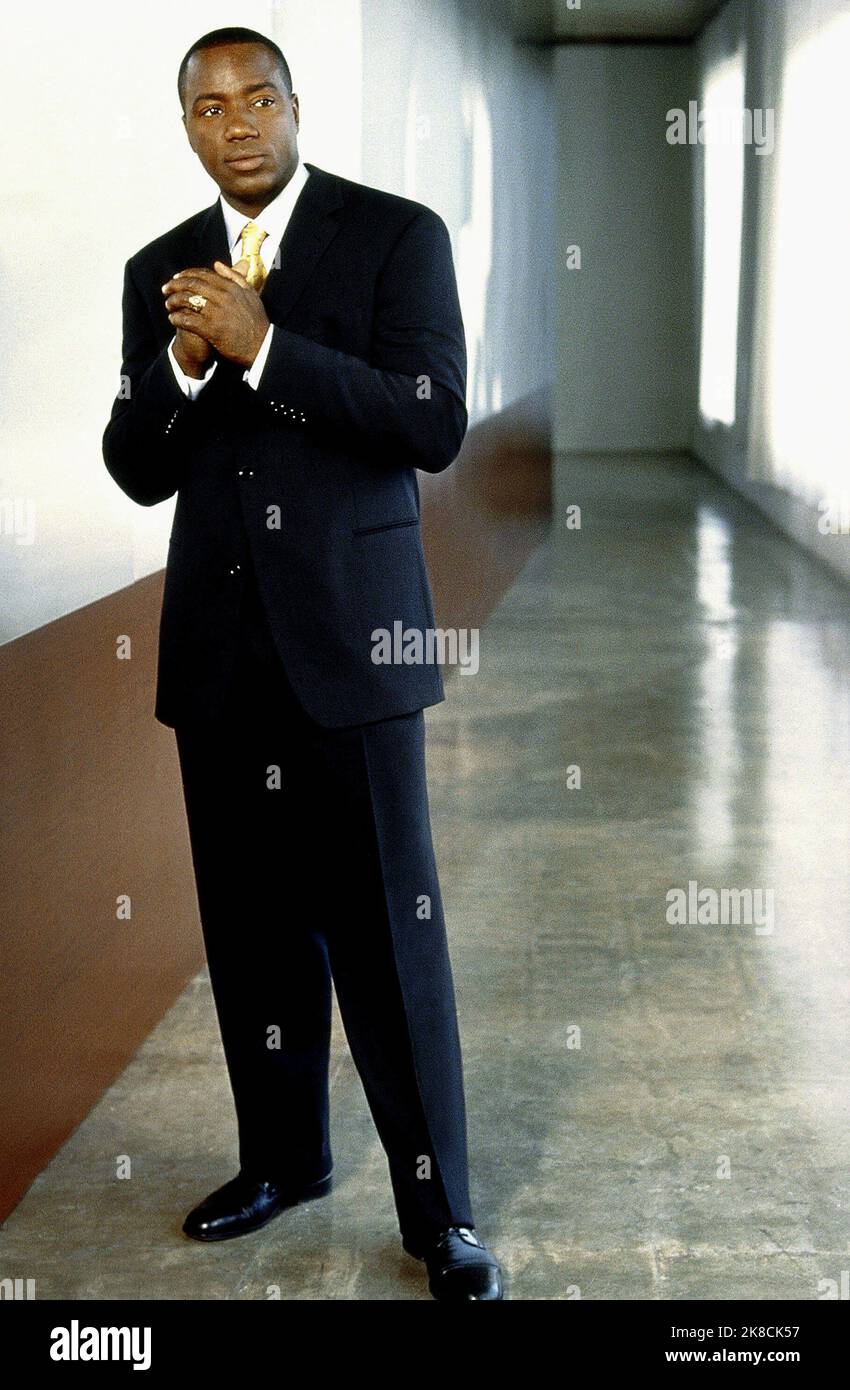
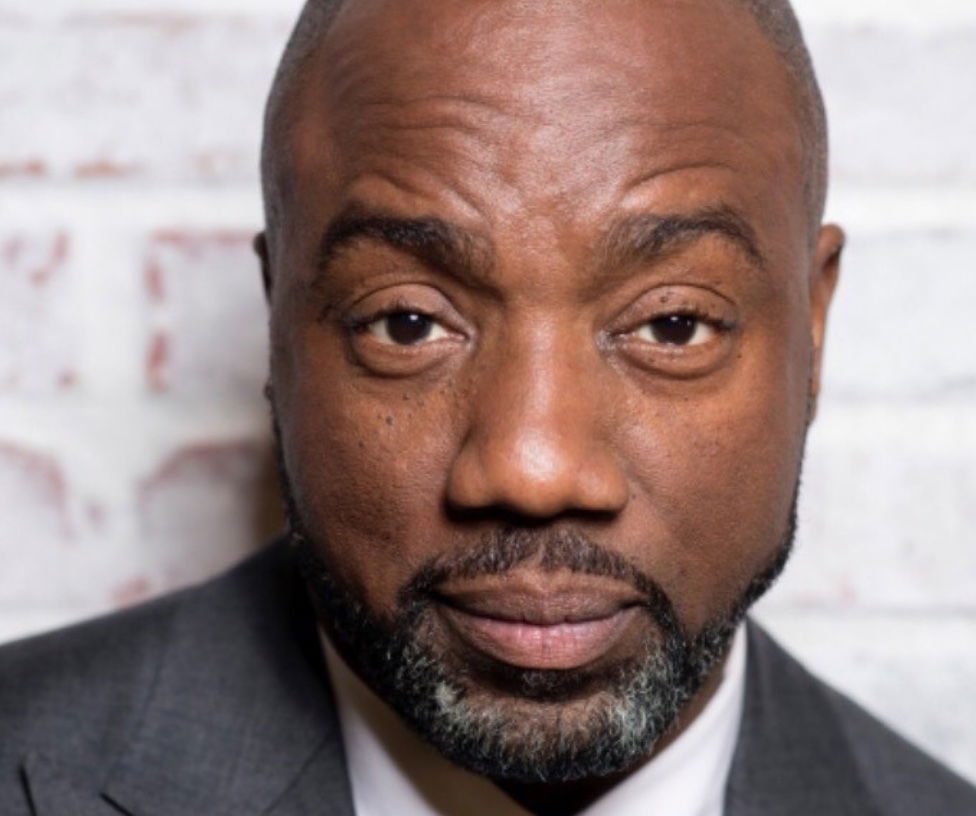
In the 1990s, Malik Yoba emerged as a pivotal figure in American entertainment, primarily known for his starring role as Detective J.C. Williams on the Fox police drama New York Undercover (1994–1998). His work bridged the gap between hip-hop culture and mainstream television, making him a central icon of 90s urban media and representation.
The Cultural Landscape of the Early 1990s
To understand the rise of Malik Yoba, one must first look at the state of television and film in the early 1990s. This was an era defined by the expansion of the "Big Three" networks into a more competitive landscape with the rise of Fox. Simultaneously, Black cinema was undergoing a "New Black Realism" movement, characterized by the works of Spike Lee, John Singleton, and the Hughes brothers. Within this milieu, Yoba found a unique space that allowed him to portray complex, multi-dimensional Black men who were neither caricatures nor strictly "street" archetypes.
Before his breakout film role, Yoba was deeply involved in the arts through a social lens. In the late 1980s and early 1990s, he worked extensively with The City Kids Foundation, an organization dedicated to empowering youth through performing arts. This background in community activism and theater provided him with a grounded perspective that would later define his acting style. His transition from an educator and advocate to a leading man was not just a career change but an extension of his mission to provide authentic representation for a generation that rarely saw itself reflected accurately on the small screen.
The Cinematic Breakout: Cool Runnings (1993)
Malik Yoba’s introduction to the global stage came in 1993 with the Disney hit Cool Runnings. While the film is often remembered as a lighthearted family comedy about the first Jamaican bobsled team, it served as a crucial launchpad for Yoba’s career. Playing the character Yul Brenner, Yoba showcased a physical presence and a stoic intensity that balanced the comedic performances of his castmates, including Doug E. Doug and Leon.
Cool Runnings was a massive commercial success, grossing over $150 million worldwide. For Yoba, it demonstrated an ability to command the screen in a high-profile studio production. The character of Yul Brenner, while initially presented as aggressive and isolated, eventually becomes the heart of the team's drive for respect. This arc—moving from a place of hard-edged survival to one of communal pride—mirrored the themes Yoba would continue to explore throughout the decade. The film’s success proved that there was a global appetite for diverse stories, even when told through the lens of a traditional underdog sports narrative.
New York Undercover: Redefining the Police Procedural
If Cool Runnings made Yoba a recognizable face, New York Undercover made him a household name. Premiering in 1994 on Fox, the show was revolutionary for several reasons. It was the first police procedural in American television history to feature two people of color as the primary leads: Malik Yoba as J.C. Williams and Michael DeLorenzo as Eddie Torres.
The Impact of J.C. Williams
Yoba’s portrayal of Detective J.C. Williams was groundbreaking. Unlike the detectives seen on Law & Order or NYPD Blue at the time, J.C. Williams was explicitly tied to his community. He wore Carhartt jackets, Timberland boots, and leather coats, reflecting the actual fashion of the Harlem and Bronx neighborhoods where the show was filmed. This wasn't just a costume choice; it was a signal of authenticity to the audience.
J.C. Williams was also a single father, a narrative choice that countered many of the prevailing stereotypes regarding Black men in the 90s. The show dedicated significant screen time to his relationship with his son, Gregory (played by George Gore II), showcasing a tender, responsible, and protective side of Black masculinity that was rarely seen in the "tough cop" genre. This vulnerability made the character relatable to a wide demographic and cemented Yoba as a sex symbol and a role model simultaneously.
The Intersection of Music and Drama
One of the most enduring legacies of New York Undercover was its integration of hip-hop and R&B music. Every episode concluded with a musical performance at a fictional nightclub called "Natalie’s." These segments featured the elite of 90s music, including Mary J. Blige, Erykah Badu, Aaliyah, and The Notorious B.I.G.
Yoba, a musician himself, was instrumental in this cultural fusion. The show’s creator, Dick Wolf, understood that by capturing the sound of the streets, he could capture a younger, more diverse audience. Yoba often interacted with these musical guests, further blurring the lines between the fictional world of the show and the real-world cultural movement of the 1990s. This synergy helped New York Undercover become more than just a television show; it became a weekly cultural event.
Filmography and Artistic Versatility in the Mid-to-Late 90s
While New York Undercover occupied much of his time between 1994 and 1998, Yoba did not limit himself to television. He sought out roles that allowed him to work with acclaimed directors and explore different facets of the human experience.
Prestige and Indie Film Roles
In 1995, Yoba appeared in Smoke, directed by Wayne Wang and written by Paul Auster. The film was a critical success, focusing on the lives of people who frequented a Brooklyn cigar shop. In this ensemble piece, Yoba shared the screen with veteran actors like Harvey Keitel and William Hurt. His participation in Smoke signaled that he was not just a "TV star" but a serious character actor capable of handling complex, dialogue-driven independent cinema.
He followed this with Blue in the Face (1995), a companion piece to Smoke that relied heavily on improvisation. His ability to hold his own in an improvisational setting with the likes of Lou Reed and Jim Jarmusch demonstrated his theatrical range and creative flexibility.
Mainstream Expansion: Cop Land (1997)
In 1997, Yoba took a role in James Mangold’s Cop Land. The film featured an incredible cast, including Sylvester Stallone, Robert De Niro, and Ray Liotta. In this gritty drama about corruption within a New Jersey town populated by NYPD officers, Yoba played Detective Carson. While not the lead, his presence in such a high-caliber production reinforced his status as a reliable and respected actor within the industry.
Technical Specifications and Cultural Milestones
The following table summarizes the key milestones of Malik Yoba's career during the 1990s, highlighting the diversity of his projects.
| Year | Project | Role | Medium | Cultural Significance |
|---|---|---|---|---|
| 1993 | Cool Runnings | Yul Brenner | Film | Global box office hit; established him as a leading man. |
| 1994 | New York Undercover | J.C. Williams | TV | First police procedural with two minority leads. |
| 1995 | Smoke | The Creeper | Film | Established credentials in independent "prestige" cinema. |
| 1995 | Blue in the Face | Watch Man | Film | Demonstrated improvisational and comedic skills. |
| 1997 | Cop Land | Detective Carson | Film | Participation in a major Hollywood crime ensemble. |
| 1998 | Ride | Poppa | Film | Explored the emerging "urban comedy" genre of the late 90s. |
| 1999 | Personals | Keith Moore | Film | Transitioned toward romantic and psychological drama. |
The "Urban" Aesthetic and 90s Fashion Influence
Malik Yoba was a primary conduit for the "Urban" aesthetic of the 90s into the living rooms of millions. During this decade, the word "urban" was often used as a catch-all for Black culture, but Yoba’s portrayal of J.C. Williams gave it a specific, refined meaning. He popularized the look of the "GQ-meets-the-streets" detective.
His wardrobe, which often included leather trench coats, turtlenecks, and tailored wool coats, influenced urban menswear. Brands like Pelle Pelle and Avirex were gaining mainstream traction, and seeing a lead character on a prime-time drama wear this clothing validated the fashion choices of an entire generation. This aesthetic was crucial for the Fox network’s identity in the 90s, as they positioned themselves as the younger, edgier alternative to NBC or CBS.
Philanthropy and Youth Advocacy in the 90s
It is impossible to discuss Malik Yoba in the 1990s without mentioning his work off-camera. Throughout the decade, he remained a vocal advocate for youth leadership and education. He used his newfound fame to bring attention to issues affecting inner-city youth, often participating in speaking tours and workshops.
He authored the book "Please, Step Off! A Guide to Living Your Best Life" during this era, which targeted young people with a message of self-respect and goal-setting. Unlike many celebrities who kept their activism separate from their brand, Yoba’s public persona was inextricably linked to his community work. This gave him a level of "street credibility" that was not manufactured by a PR firm but built on years of actual service.
Transitioning to the New Millennium
As the 1990s came to a close, Yoba’s career began to shift. New York Undercover ended its run in 1998, and the landscape of television was changing with the rise of premium cable networks like HBO. Yoba successfully navigated this transition by continuing to diversify his portfolio, taking on roles that moved away from the detective archetype and toward more varied characters in film and stage.
However, the foundation laid in the 90s remained his most significant contribution to the arts. He had proved that a show with a minority cast could dominate the ratings, that hip-hop and television were a potent mix, and that Black masculinity could be portrayed with a balance of strength and sensitivity.
Frequently Asked Questions
Was Malik Yoba in the original New York Undercover pilot?
Yes, Malik Yoba was the lead actor from the very beginning of the series in 1994. He remained with the show throughout its entire four-season run. His character, J.C. Williams, was the primary protagonist through whom much of the show's emotional and professional tension was channeled.
Did Malik Yoba actually sing on New York Undercover?
While the musical performances at "Natalie's" featured professional recording artists, Malik Yoba is a musician in real life. He has a background in theater and music, and while he primarily acted on the show, his musical sensibilities influenced the show's production and its connection to the 90s R&B scene.
How did Cool Runnings impact Malik Yoba's career?
Cool Runnings was Yoba's first major film role and provided him with international exposure. Its success as a Disney film proved he could appeal to a broad, family-oriented audience, which was a contrast to the more adult, gritty tone of New York Undercover that followed shortly after.
Why was New York Undercover canceled in 1998?
The show underwent a significant creative overhaul in its fourth season, including the departure of key cast members and a change in tone. These changes led to a decline in ratings. While there have been various discussions and "reboot" rumors over the years (including around 2019 and again in the early 2020s), the original 90s run remains the definitive era of the show.
What other 90s shows did Malik Yoba appear in?
While New York Undercover was his primary focus, Yoba made guest appearances and had roles in other programs like The Sentinel and provided voice work for various projects. However, he was primarily a "film and lead-TV" actor during this decade, rather than a frequent guest star.
Summary of Achievements and Next Actions
Malik Yoba’s work in the 1990s represents a high-water mark for authentic representation in American media. For those looking to explore his legacy further:
- Watch New York Undercover: Seek out the early seasons to understand the chemistry between Yoba and DeLorenzo.
- Revisit Cool Runnings: Observe how Yoba handles a character-driven arc within a comedic ensemble.
- Research The City Kids Foundation: Understanding Yoba's roots in community activism provides deeper context for his 90s performances.
- Explore the 90s Soundtrack: The music of New York Undercover is a time capsule of the decade’s best R&B and Hip-Hop.
By the end of the 1990s, Malik Yoba had not just built a career; he had helped change the face of the American detective and established a blueprint for the "culture-first" television that would become standard in the decades to follow.