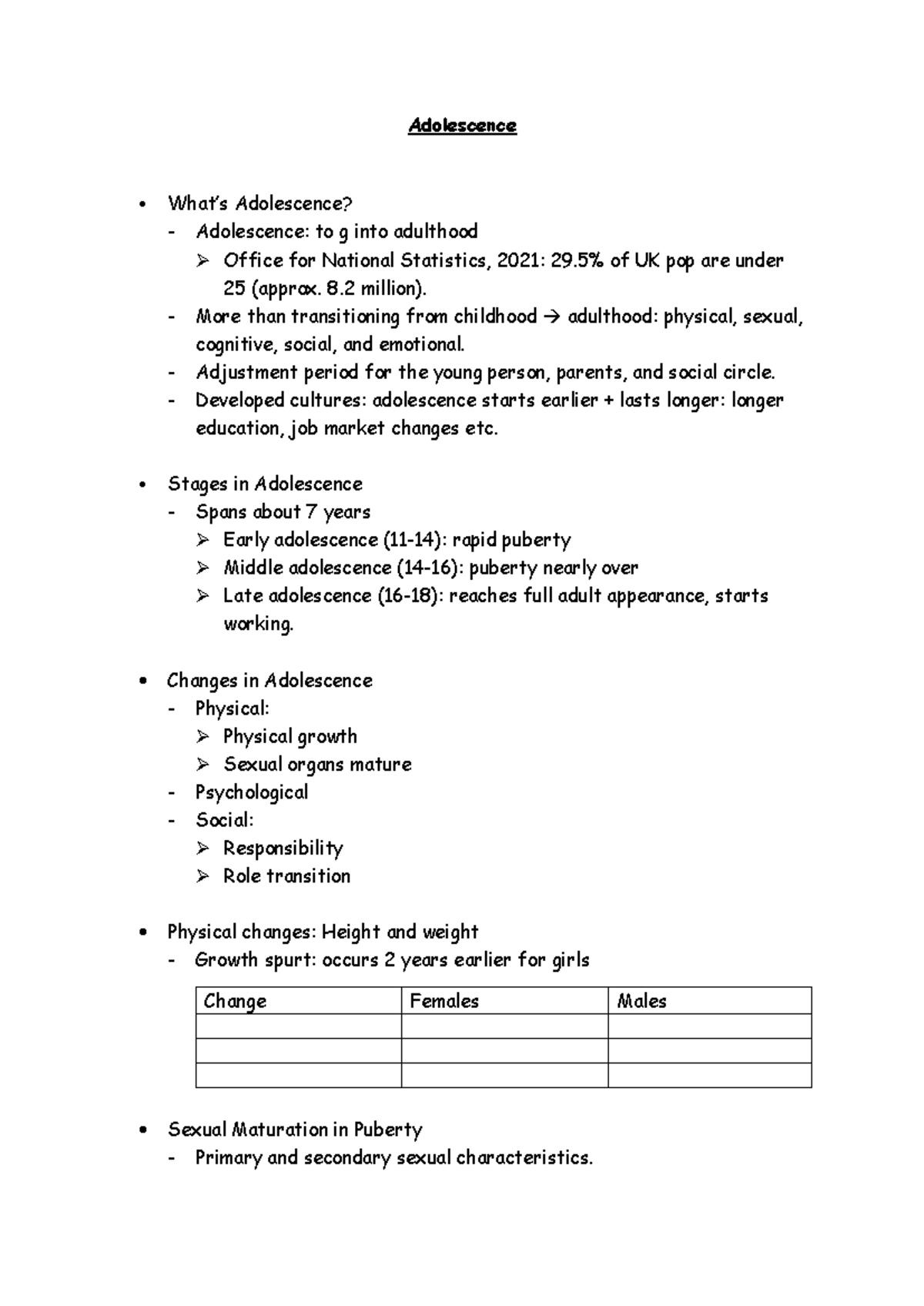
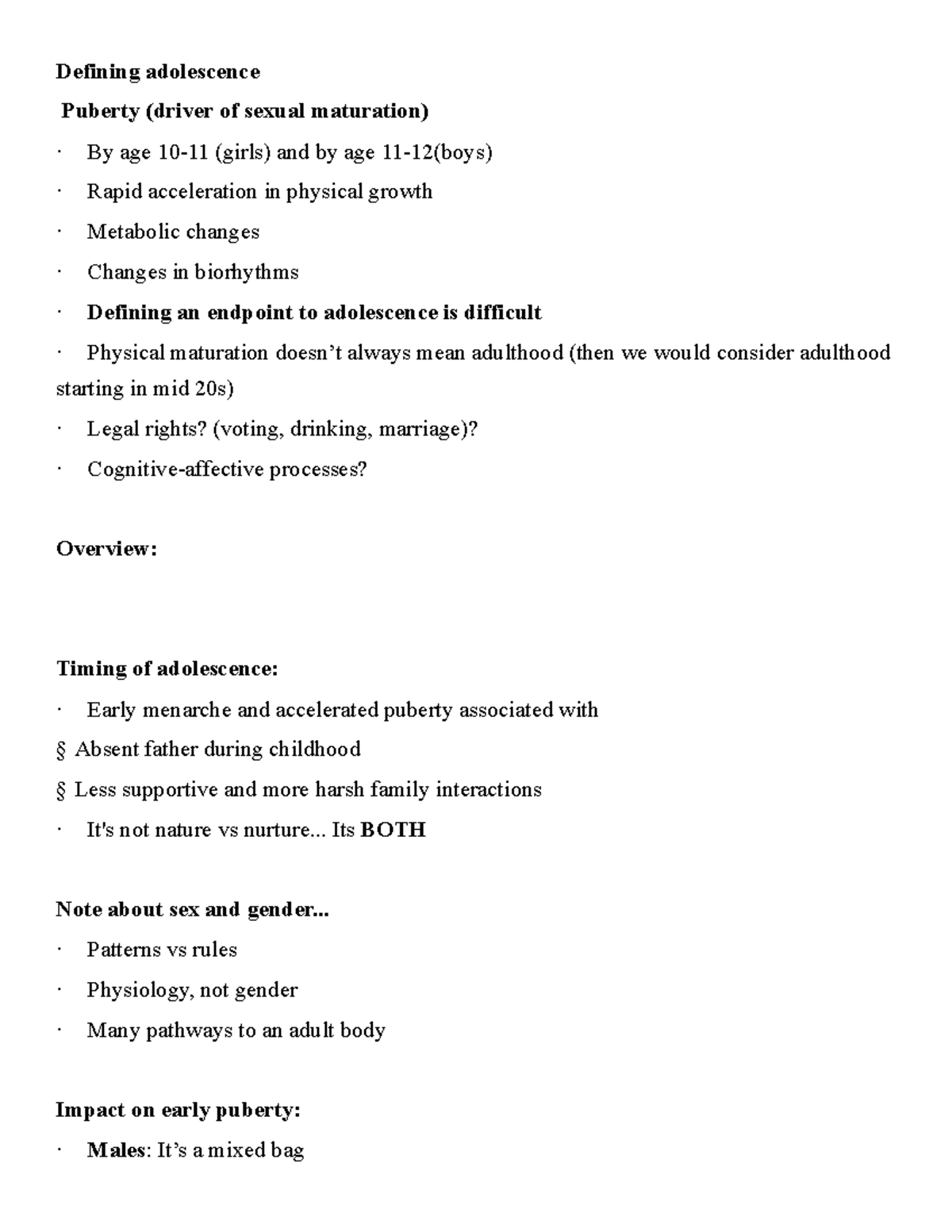
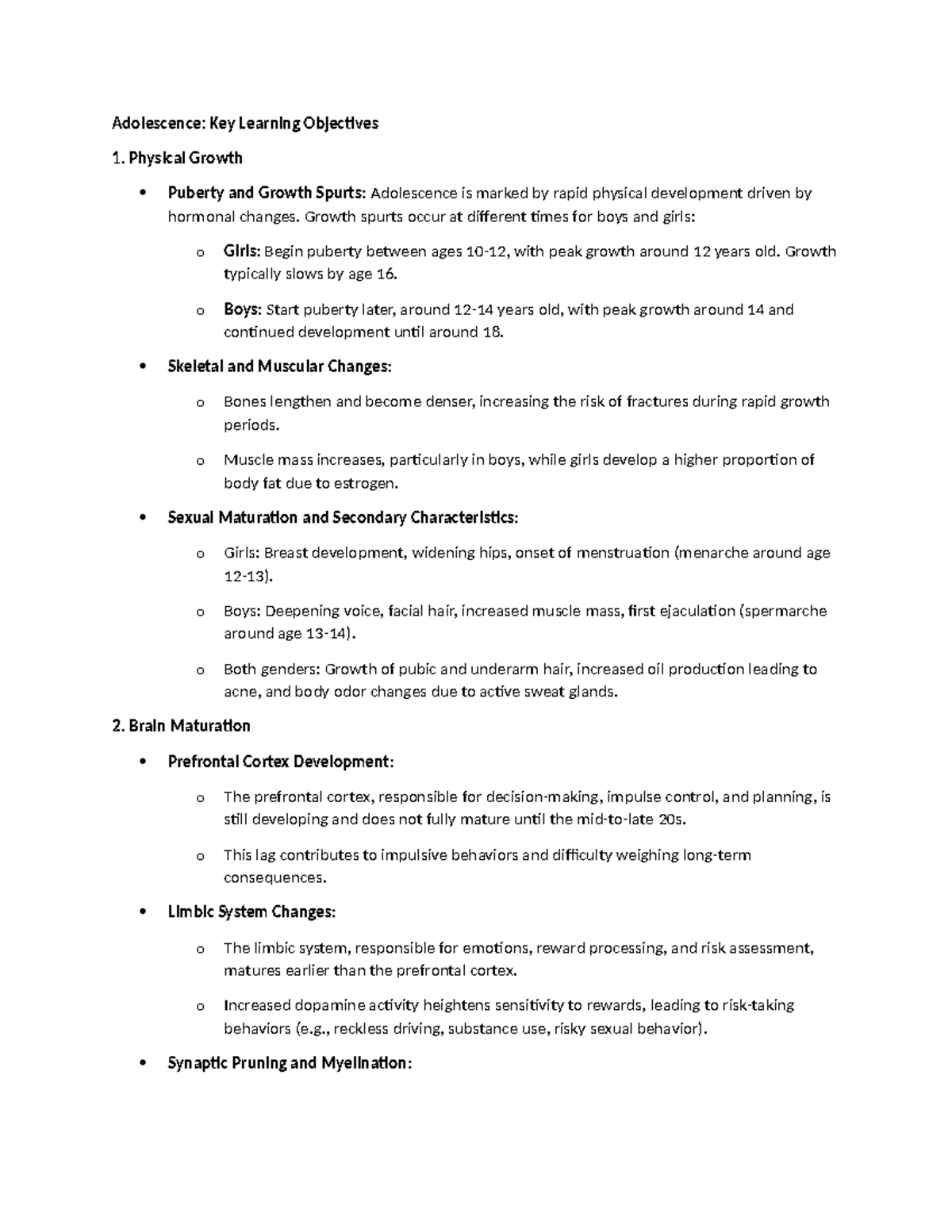
Adolescence remains a uniquely dynamic developmental window characterized by rapid neurobiological maturation, shifting social frameworks, and intense academic and cultural debates. Building upon foundational physiological shifts, Part 2 explores the complex interplay between contemporary societal pressures, evolving psychological paradigms, digital integration, and modern educational and clinical frameworks shaping youth development.
Understanding adolescence requires examining the intersection of biological vulnerability and environmental opportunity. As young people navigate the transitional bridge between childhood and independent adulthood, they encounter complex developmental milestones that influence long-term mental health, identity formation, and social integration. Researchers, educators, and clinicians continuously reassess how societal changes impact this pivotal life stage, leading to ongoing debates regarding autonomy, digital interaction, institutional support, and mental health interventions.
Neurobiological Maturation and Emotional Regulation
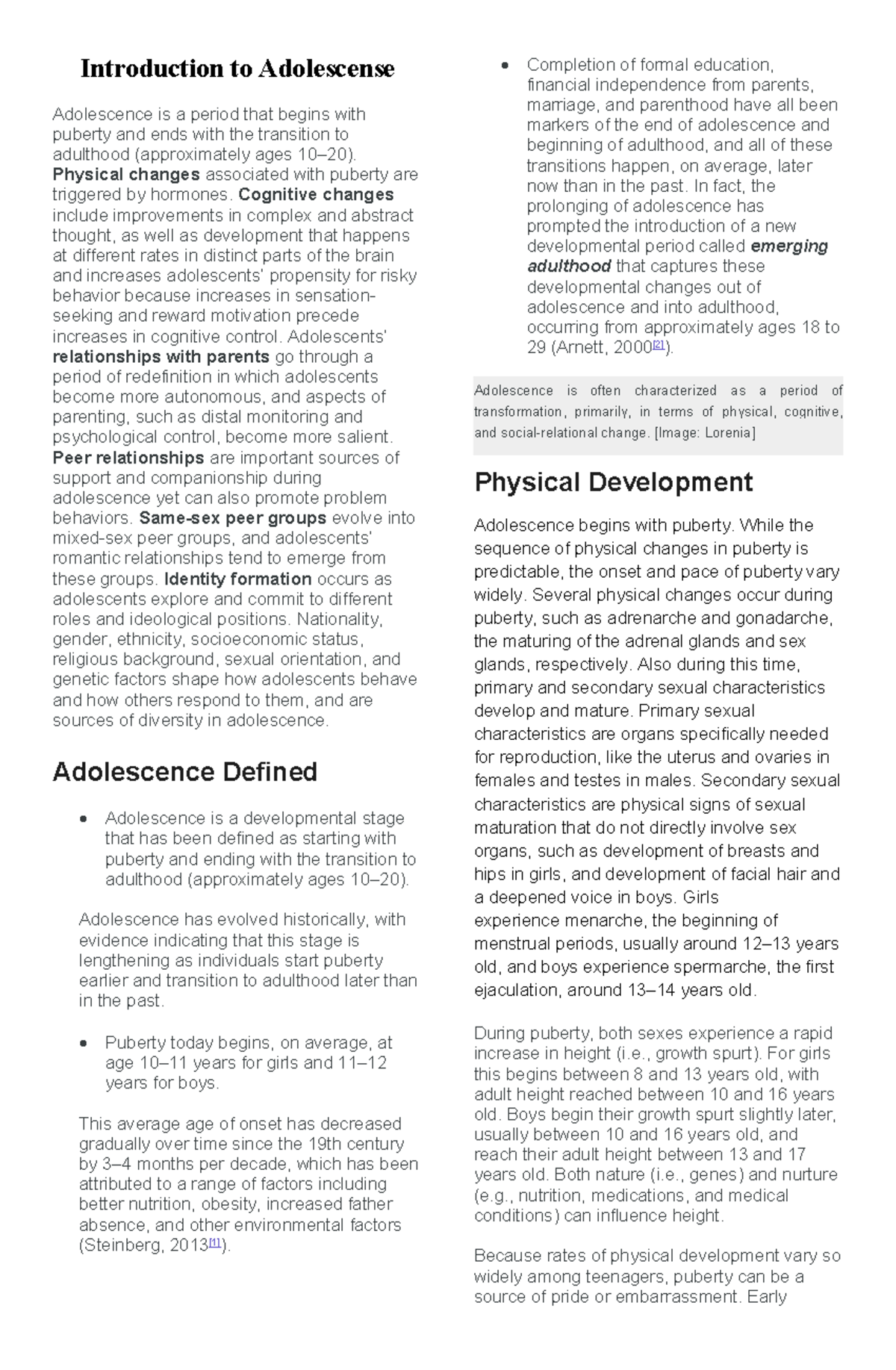
The structural and functional reorganization of the adolescent brain continues to be a central focus of developmental psychology and neuroscience. Far from being a chaotic period of irrational behavior, the adolescent brain undergoes a sophisticated optimization process designed to adapt individuals for independent survival in complex social groups.
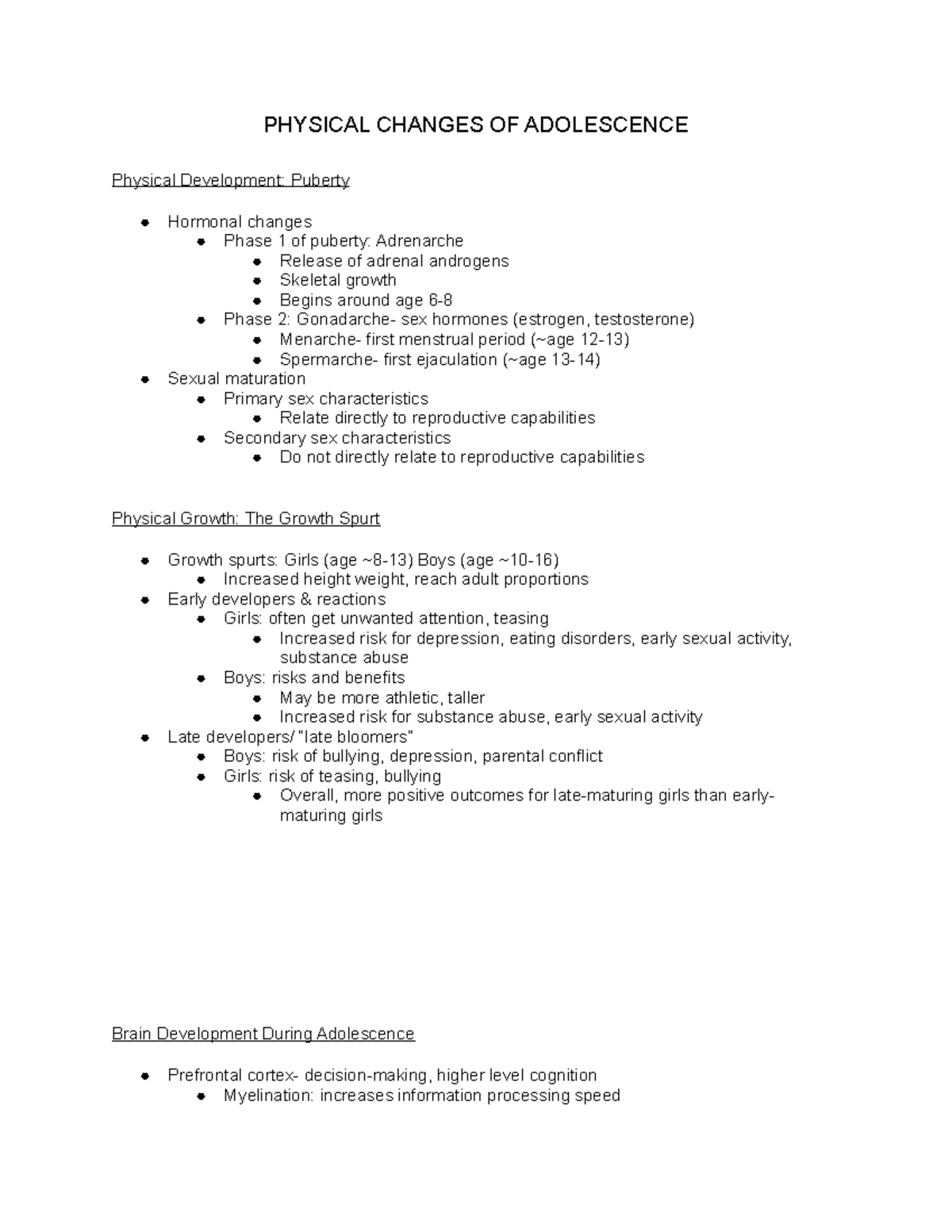
Synaptic pruning and myelination alter neural architecture throughout the second decade of life. The prefrontal cortex—responsible for executive functions such as long-term planning, impulse control, and risk assessment—develops at a slower pace compared to the limbic system, which governs emotional reactivity and reward processing. This temporal asynchrony explains the heightened sensitivity to peer approval, novelty-seeking behaviors, and emotional intensity typical of this age group.
Recent clinical debates center on how this neurobiological vulnerability interacts with contemporary stressors. Researchers investigate whether modern lifestyle factors, such as chronic sleep deprivation and constant digital stimulation, exacerbate executive dysfunction or alter the natural trajectory of neural pruning. Understanding these dynamics is essential for designing effective educational schedules and clinical interventions that support emotional regulation rather than merely penalizing behavioral symptoms.
The Digital Landscape and Social Identity Formation
The integration of digital media, smartphones, and social networking platforms into daily life has fundamentally transformed the ecology of adolescent socialization. Identity formation—historically negotiated within localized peer groups, schools, and family units—now occurs simultaneously across physical and virtual domains.
Benefits and Risks of Hyper-Connectivity
Digital platforms offer unprecedented opportunities for marginalized or isolated youth to find supportive peer communities, explore creative outlets, and access educational resources. However, the omnipresence of social media introduces unique developmental challenges:
- Algorithmic Amplification of Comparison: Continuous exposure to curated lifestyles can distort realistic benchmarks for physical appearance, achievement, and social status.
- Sleep Disruption: Late-night device usage suppresses melatonin production, directly interfering with the extended sleep cycles required for optimal neurodevelopment.
- Fragmented Attention: Constant notifications challenge sustained concentration, impacting academic engagement and deep cognitive processing.
Debates among developmental psychologists focus on differentiating correlation from causation regarding screen time and mental health declines. While some researchers emphasize the direct psychological toll of cyberbullying and "comparison culture," others argue that digital environments merely mirror offline vulnerabilities and social inequalities.
Mental Health Paradigms and Clinical Interventions
Adolescent mental health has emerged as a primary public health concern, marked by rising rates of reported anxiety, depressive symptoms, and psychological distress. This epidemiological shift has ignited intense debates regarding the medicalization of normative developmental distress versus the urgent need for accessible clinical care.
Clinicians and researchers grapple with diagnostic inflation, questioning whether normal emotional turbulence associated with identity exploration is being pathologized. At the same time, healthcare systems face severe shortages of pediatric mental health specialists, leading to over-reliance on emergency departments for acute psychological crises.
| Intervention Approach | Primary Focus | Potential Benefits | Key Limitations |
|---|---|---|---|
| Cognitive Behavioral Therapy (CBT) | Restructuring maladaptive thought patterns | Evidence-based, structured, goal-oriented | Requires active patient engagement and consistent attendance |
| School-Based Mental Health Programs | Early identification and universal coping skills | High accessibility, reduces stigma | Resource-constrained, variable quality across districts |
| Digital Therapeutic Applications | App-delivered mindfulness and mood tracking | Low barrier to entry, anonymous | Lack of clinical supervision, variable scientific validation |
| Family Systems Therapy | Relational dynamics and communication | Addresses root systemic and environmental factors | Difficult to coordinate schedules, requires family buy-in |
Integrating mental health literacy into standard educational curricula represents a proactive shift from reactive clinical treatment to preventative community care. However, disagreements persist regarding confidentiality boundaries, parental notification rights, and the extent to which schools should shoulder therapeutic responsibilities.
Educational Evolution and Future Readiness
Educational institutions face mounting pressure to adapt curricula to a rapidly changing global economy characterized by technological automation and shifting labor markets. The traditional industrial model of education is increasingly scrutinized for its emphasis on rote memorization over critical thinking, emotional intelligence, and adaptability.
Secondary education reform discussions emphasize the incorporation of media literacy, project-based collaborative learning, and vocational flexibility. Furthermore, educators must address chronic absenteeism and disengagement, which worsened significantly following systemic disruptions in the early 2020s. Balancing rigorous academic standards with student well-being remains a central tension for school administrators and policymakers.
Autonomy, Legal Rights, and Family Dynamics
As adolescents develop abstract reasoning and a desire for self-determination, family dynamics frequently undergo periods of negotiation and conflict. Legal and ethical frameworks also grapple with the evolving capacity of minors to make autonomous decisions regarding healthcare, education, and digital privacy.
The Balancing Act of Parental Guidance
- Graduated Autonomy: Allowing youth to make low-stakes decisions and experience natural consequences builds resilience and executive functioning.
- Monitoring vs. Invasion of Privacy: Digital tracking apps and constant digital surveillance can erode trust between adolescents and caregivers, stifling the development of internal self-regulation.
- Institutional Rights: Debates persist regarding medical consent laws, particularly concerning mental health treatment, sexual health services, and specialized clinical care without mandatory parental notification.
Navigating this transition requires caregivers to shift from authoritative control to authoritative support, acting as consultative guides rather than strict enforcers as youth approach early adulthood.
Frequently Asked Questions
What are the primary drivers of adolescent mental health challenges today?
Contemporary mental health challenges stem from a complex convergence of factors, including increased academic pressure, economic uncertainty, systemic social changes, and the pervasive influence of digital media environments that alter social comparison and sleep patterns.
How does brain development affect adolescent risk-taking behavior?
The limbic system, which processes rewards and emotions, matures faster than the prefrontal cortex, which governs impulse control and long-term planning. This developmental asynchrony naturally inclines adolescents toward novelty-seeking and peer-influenced risk evaluation.
Are smartphones entirely detrimental to adolescent development?
Not inherently. While excessive or poorly regulated screen use correlates with sleep disruption and psychological distress, digital tools also provide valuable avenues for creative expression, peer connection, and educational support for many young people.
How can parents balance digital safety with adolescent privacy?
Experts recommend open communication, collaborative digital boundaries, and gradual trust-building rather than total surveillance, which can damage the parent-child relationship and hinder the development of independent self-regulation.
What role should schools play in addressing student mental health?
Schools serve as vital environments for early identification and mental health literacy. However, educational institutions require adequate funding, specialized support staff, and community partnerships to complement rather than replace professional clinical care.
Strategic Next Steps for Supporting Adolescents
Navigating the complexities of modern adolescence requires a coordinated, evidence-based approach from caregivers, educators, policymakers, and healthcare professionals. Rather than reacting with alarm to generational shifts, stakeholders should focus on building resilient support systems that foster healthy autonomy, emotional regulation, and digital literacy. Prioritizing open communication, evidence-based mental health resources, and flexible educational frameworks ensures that young people are equipped to meet the challenges of an evolving world.