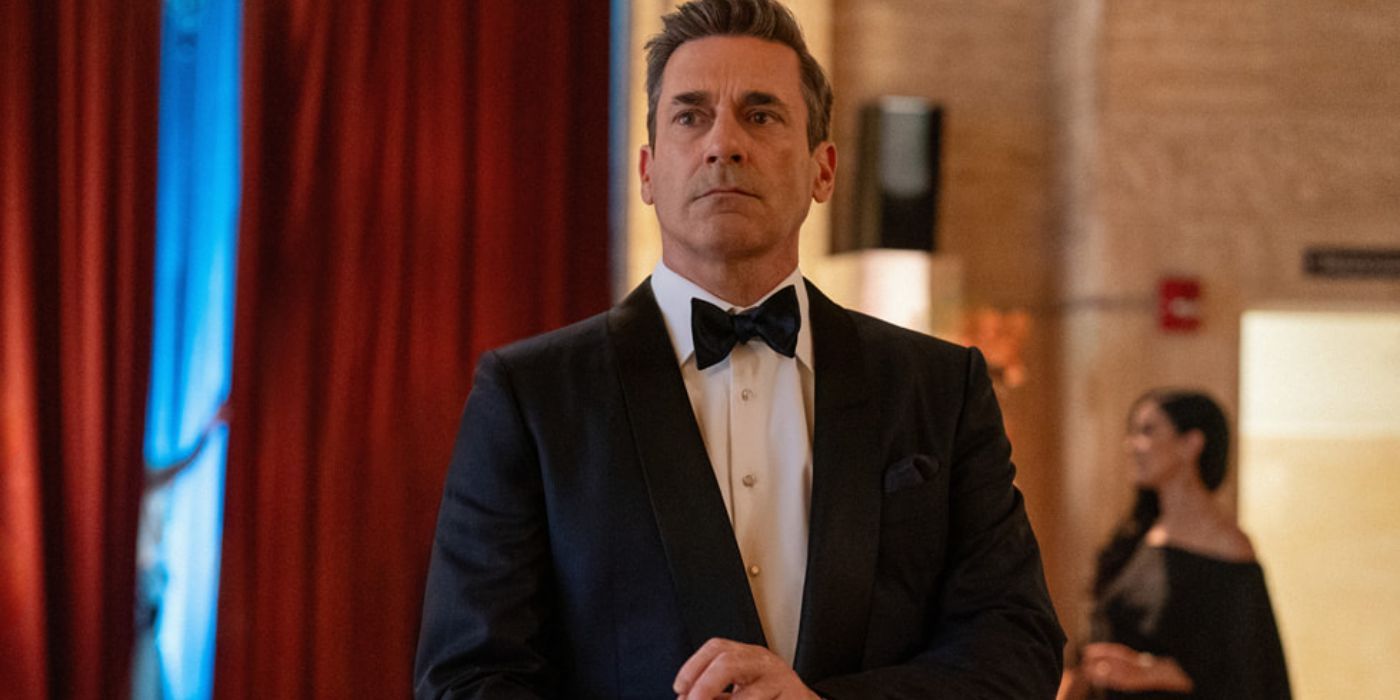
The season 1 finale of "Your Friends and Neighbors" delivers a high-stakes convergence of suburban secrets, moral compromises, and shifting loyalties. The episode resolves the central mystery surrounding the neighborhood’s clandestine thefts while upending the power dynamics among the main characters, leaving Andrew and his peers facing profound legal, personal, and social fallout.
Introduction to the Suburban Noir Landscape
"Your Friends and Neighbors" establishes its premise in an affluent, gated enclave where immaculate lawns and pristine facades mask deep financial panic, marital deceit, and personal desperation. The series centers on Andrew, a recently divorced former hedge fund manager who turns to stealing high-end jewelry and luxury goods from his ultra-wealthy neighbors to maintain his lifestyle and cope with professional obsolescence.
As the first season progresses, what begins as an isolated string of burglaries evolves into a sprawling web of blackmail, mistaken identities, and collateral damage. The season 1 finale pulls these disparate threads together, forcing characters to confront the true cost of their secrets. Understanding the finale requires a close look at how the central heists are resolved, the shifting alliances among the residents, and what these revelations mean for the psychological state of the community moving forward.
The Unraveling of Andrew’s Double Life
Throughout the season, Andrew operates on a razor's edge, balancing his public persona as a charming, struggling neighbor with his nocturnal activities as an expert thief. The finale forces Andrew’s house of cards to collapse, though not in the predictable, linear fashion typical of standard thrillers.
The Climax of the Heists
In the final episodes, the scope of Andrew’s infiltration of his neighbors' homes catches up with him. Security lapses, overlooked physical evidence, and the unintended involvement of third parties converge during a high-profile neighborhood gala. The finale reveals that Andrew was never entirely invisible; several residents had pieced together fragments of his activities or suspected illicit affairs were masking the true nature of the missing items.
The Confrontation with Close Confidants
The emotional core of the finale rests on how Andrew’s actions impact those closest to him. Rather than an immediate arrest, the narrative leans into psychological tension. Family members and trusted friends discover the hidden stashes of goods, forcing them into immediate moral dilemmas: protect their social standing and cover up the crimes, or expose Andrew and face the ensuing public humiliation. The resolution of these confrontations sets up the primary emotional conflicts that will carry into subsequent seasons.
Character Fates and Shifting Power Dynamics
The aftermath of the finale reshapes the social hierarchy of the neighborhood. Power in this community has always been tied to visible wealth, pristine reputations, and social dominance. The events of the season finale dismantle these pillars.
- Andrew: Left in a precarious legal and social limbo, his initial motivation of financial survival shifts into a battle for self-preservation and psychological redemption.
- The Neighbors: Victims of the burglaries are forced to reckon with the reality that their secure, insulated world is deeply vulnerable—not just from outsiders, but from the people living directly next door. Insurance claims, police investigations, and whispered scandals fracture long-standing friendships.
- Secondary Characters: Individuals who were inadvertently pulled into Andrew's orbit—ranging from local law enforcement to unwitting accomplices—find themselves with new leverage over the affluent residents, completely inverting the traditional class dynamics of the neighborhood.
Key Plot Resolutions and Unanswered Questions
To fully grasp the narrative architecture of the season 1 finale, it helps to examine how specific storylines are tied off and which narrative doors are deliberately left open for future episodes.
| Plot Thread | Status at End of Season 1 | Implications for Future Episodes |
|---|---|---|
| The Stolen Property | Partially recovered; significant portions remain unaccounted for or leverageable. | Serves as an ongoing financial and legal threat hanging over Andrew. |
| Suburban Investigations | Local law enforcement closes in, but community members obscure facts to protect property values. | Sets up potential institutional conflict between official justice and neighborhood cover-ups. |
| Andrew’s Domestic Status | Estranged relationships reach a breaking point; trust is fundamentally compromised. | Focus shifts to custody, personal rehabilitation, and rebuilding life outside the enclave. |
| Neighborly Alliances | Old loyalties broken; new, transactional partnerships formed out of mutual self-preservation. | Creates a fractured community prone to internal betrayal and paranoia. |
While the finale provides definitive answers regarding who knew what and when, it intentionally resists a neat, moralistic conclusion. Crime does not simply pay, nor is it punished instantly by the law. Instead, the characters are imprisoned by their own compromises, trapped in a gilded cage of their own making.
Frequently Asked Questions
Who was ultimately responsible for discovering Andrew’s secret?
The discovery is not attributed to a single mastermind; rather, it is a cumulative result of a careless mistake regarding a specific stolen heirloom and a private investigation by a neighbor who noticed discrepancies in Andrew’s timeline and financial recovery.
Does Andrew get arrested in the season 1 finale?
The finale deliberately avoids a definitive police arrest. Instead, it concludes with Andrew facing severe personal isolation, ongoing blackmail threats from within the community, and an impending legal reckoning that looms over his immediate future.
What happened to the stolen jewelry and luxury goods?
The stolen items become a contested asset. While some pieces are covertly returned to their owners to avoid a police investigation, others are retained by opportunistic characters who use them as leverage in the shifting power struggles.
Will there be a second season to continue the story?
The narrative structure of the finale—leaving multiple character arcs unresolved and introducing new structural vulnerabilities within the neighborhood—strongly positions the series for a continuation, exploring the long-term consequences of the community's exposed underbelly.
Final Recommendations for Viewers
To fully appreciate the narrative layers of the season 1 finale, rewatch the pilot episode immediately after finishing the season. The contrast between Andrew’s initial carefree demeanor and his trapped, paranoid state in the finale highlights the meticulous character development embedded in the writing. Pay close attention to background conversations during the gala sequence, as subtle visual and verbal cues foreshadow the exact betrayals that play out in the final moments.