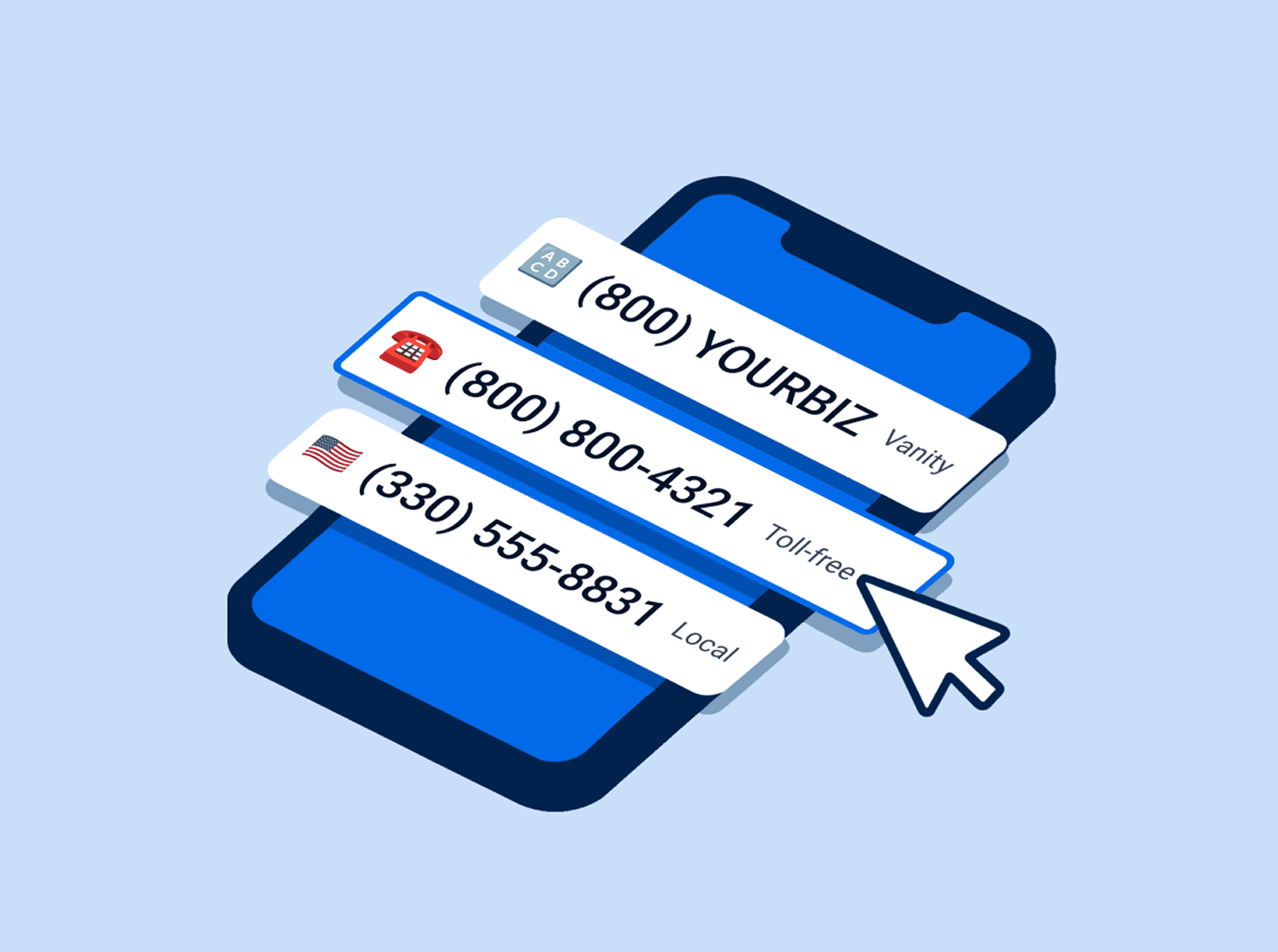
A vanity number is a memorable phone number specifically chosen by businesses and organizations to spell out a word, phrase, or easy-to-remember sequence of digits. By leveraging the alphanumeric keypad traditionally associated with telecommunications, these numbers translate letters into numbers—such as 1-800-TAX-FORM—allowing brands to dramatically improve customer recall, enhance direct-response marketing efficiency, and project a polished, established corporate image across multiple advertising channels.
Understanding Vanity Numbers and How They Work
The core concept behind a vanity telephone number rests on the standard alphanumeric mapping established by the International Telecommunication Union (ITU) and implemented globally on standard telephone keypads. On a standard telephone dial pad, the number 2 corresponds to A, B, and C; 3 corresponds to D, E, and F; and so on through 9. When a business acquires a vanity number, they select a sequence where the digits correspond to letters that spell out a brand name, service offering, product line, or memorable industry term.
While traditional telephone numbers consist of randomized sequences of seven to ten digits that require cognitive effort to commit to memory, vanity numbers bypass this barrier by utilizing linguistic associations. Human memory naturally prioritizes words and semantic meaning over arbitrary numerical strings. When a potential customer hears a radio advertisement, views a billboard on a highway, or spots a television commercial, a word-based number reduces the friction of retention. Instead of scrambling for a pen to write down a ten-digit string, the consumer needs only remember a simple phrase, which can later be translated intuitively using the letters printed on their mobile or landline dial pad.
In contemporary telecommunications, vanity numbers are not restricted to legacy toll-free prefixes. While the iconic 1-800 prefix remains the gold standard for consumer trust and nationwide reach, modern telecom infrastructure supports vanity combinations across newer toll-free prefixes including 888, 877, 866, 855, 844, and 833. Furthermore, local vanity numbers featuring specific area codes have gained traction for regional businesses seeking to combine community trust with localized branding power.
The Evolution and Regulatory Landscape of Toll-Free Numbers
The history of memorable telephone numbers is deeply intertwined with the evolution of toll-free telecommunications. Introduced by AT&T in 1967 as Inward Wide Area Telephone Service (INWATS), toll-free calling initially required operators to connect long-distance calls where the called party, rather than the caller, bore the financial burden. As technology advanced, direct-dialing capabilities transformed these services into powerful marketing tools.
The introduction of the 800 prefix established the commercial viability of toll-free communication. As businesses rushed to secure combinations, the pool of available 800 numbers diminished rapidly, prompting the Federal Communications Commission (FCC) and responsible organizations to introduce subsequent toll-free overlays such as 888, 877, 866, and later additions. Managing these assets requires adherence to strict regulatory frameworks administered by designated entities, such as Somos in North America, which acts as the North American Numbering Plan Administrator (NANPA) toll-free administrator.
Securing a specific vanity number is governed by a first-come, first-served regulatory principle, much like domain name registration on the internet. However, unlike internet domains, telephone numbers are finite public resources regulated to ensure fair access and prevent hoarding. Businesses must work through authorized RespOrgs (Responsible Organizations)—which are certified telecommunications carriers or brokers—to search, reserve, and manage their toll-free assets within the SMS/800 database.
Strategic Benefits of Utilizing a Vanity Phone Number
Implementing a vanity telephone number yields multifaceted advantages across marketing, customer service, and brand equity. Understanding these benefits helps organizations evaluate the return on investment when acquiring premium telephone assets.
Enhanced Brand Recall and Direct-Response Marketing
Direct-response advertising relies heavily on immediate call-to-action efficacy. Traditional phone numbers suffer from high drop-off rates because audiences forget the digits before they can dial or record them. Vanity numbers mitigate this issue by anchoring the phone number to semantic memory. A plumbing contractor using 1-800-PLUMBER experiences significantly higher inbound inquiry rates from audio-only mediums like podcasts and radio broadcasts compared to a competitor using a random string of numbers.
Increased Consumer Trust and Perceived Legitimacy
Consumers associate toll-free vanity numbers with established, stable enterprises. Small-to-medium-sized businesses often leverage toll-free vanity numbers to project an enterprise-grade image, leveling the playing field against larger industry competitors. The psychological weight of an established 800 prefix communicates national reach and professional accountability, reassuring prospective clients before they ever speak with a representative.
Improved Tracking and Attribution
Modern vanity number deployment integrates seamlessly with advanced call tracking and analytics platforms. Businesses can assign distinct vanity numbers to different marketing channels—such as assigning one number to print flyers, another to digital search ads, and a third to social media campaigns. This allows marketing teams to accurately attribute inbound call volume, measure campaign performance, calculate cost-per-lead metrics, and optimize advertising budgets based on empirical performance data.
Evaluating Toll-Free Prefixes and Number Availability
Choosing the right vanity number involves balancing semantic appeal, prefix availability, and cost considerations. Not all prefixes carry equal weight in consumer perception, and availability directly impacts acquisition expenses.
| Toll-Free Prefix | Introduction Year | Market Perception & Trust Level | Availability Status |
|---|---|---|---|
| 800 | 1967 | Highest trust; universally recognized as the gold standard for toll-free calling. | Extremely low; most standard words and short phrases are heavily contested or parked. |
| 888 | 1996 | High familiarity; viewed as an established and reliable alternative to 800. | Low availability for prime dictionary words; secondary combinations available via brokers. |
| 877 | 1998 | Moderate-to-high familiarity; widely accepted across North American consumer markets. | Moderate availability; good options remain for creative word pairings and longer phrases. |
| 866 | 2000 | Established corporate presence; frequently utilized by financial and tech sectors. | Moderate availability; competitive market for industry-specific terminology. |
| 855 | 2010 | Modern corporate feel; signals active business operations and digital maturity. | High availability compared to legacy prefixes; excellent for newer brand launches. |
| 833 | 2017 | Contemporary and scalable; fully integrated into modern cloud routing systems. | Highest availability among standard toll-free codes; ideal for custom vanity phrases. |
When evaluating availability, organizations often encounter three distinct categories of numbers: unassigned numbers in the general pool, reserved numbers held by brokers or speculators, and active numbers in use by other entities. Acquiring a premium dictionary word in the 800 prefix often requires purchasing the asset on the secondary market through specialized brokers, whereas securing an 833 or 855 number with a creative phonetic spelling can frequently be accomplished through standard telecom providers at nominal setup fees.
Operational Considerations and Technical Integration
Deploying a vanity number successfully requires more than simply securing the digits; it demands robust backend telecommunications infrastructure capable of handling, routing, and analyzing high volumes of inbound traffic.
Modern cloud-based business phone systems—often referred to as VoIP (Voice over Internet Protocol) or UCaaS (Unified Communications as a Service) platforms—integrate seamlessly with vanity numbers. Unlike legacy analog copper lines, cloud infrastructure allows inbound calls to be routed dynamically based on time of day, geographic origin, caller ID, or interactive voice response (IVR) menu selections. This ensures that even if a vanity number advertises nationwide reach, calls can be intelligently distributed to local franchise locations, regional call centers, or remote support teams.
Furthermore, businesses must account for regulatory compliance regarding toll-free calling. In many jurisdictions, calling a toll-free number from a mobile phone must remain free of airtime charges for the consumer, with the subscribing business absorbing the per-minute or bundled inbound termination fees. Organizations must carefully review service-level agreements (SLAs) with their RespOrg or cloud telecom provider to understand rate structures, peak-hour surcharges, and porting rules should they ever decide to switch providers.
Common Pitfalls and Strategic Mistakes to Avoid
While vanity numbers offer substantial marketing advantages, poorly planned implementations can lead to wasted capital and customer frustration. Organizations should navigate potential traps carefully during the selection and rollout process.
- Overly Complex or Ambiguous Spelling: Selecting a phrase that features multiple valid phonetic spellings or uncommon homophones (such as "TOE" versus "TOW") can confuse callers and misdirect valuable inbound traffic.
- Neglecting Mobile Dial Pad Usability: Always verify how a chosen phrase looks and feels on modern smartphone touchscreens. While physical keypads featured printed letters, smartphone dialers require toggling or relying on memorized layouts, making shorter, highly intuitive letter sequences much more effective.
- Failing to Secure Matching Digital Assets: Securing a vanity number without checking trademark availability, domain name matching, and social media handle consistency can lead to brand fragmentation and customer misdirection.
- Ignoring Portability Rules: Working with unverified brokers who do not properly transfer RespOrg control can result in loss of ownership over the telephone asset. Always ensure official transfer documentation is completed through certified channels.
Step-by-Step Guide to Acquiring and Implementing a Vanity Number
Securing and launching a memorable business phone number requires a structured operational sequence to ensure legal compliance, technical readiness, and marketing alignment.
- Define Brand Objectives and Target Terminology: Brainstorm keywords, industry terms, and brand names that align with your core services. Keep phrases concise—ideally between seven and ten characters following the toll-free prefix.
- Check Availability via Certified RespOrgs: Consult with authorized telecommunications providers or use official database search tools to determine whether your desired alphanumeric combination is currently available in the public pool or requires secondary market acquisition.
- Select Your Toll-Free Prefix: Balance your preference for the trusted 800 prefix against the wider availability and lower acquisition costs of newer prefixes like 855 or 833.
- Partner with a Cloud Telephony Provider: Establish an account with a business VoIP or UCaaS provider that supports advanced call routing, IVR menus, call recording, and detailed analytics.
- Complete Regulatory Registration: Authorize your provider or RespOrg to register the number in the national SMS/800 database under your business entity's legal name, securing legal ownership and porting rights.
- Configure Routing and Tracking Rules: Set up call forwarding, geographic routing, and tracking tags to measure campaign performance across your marketing channels.
- Launch and Monitor Performance: Integrate the vanity number into your marketing collateral, digital ads, and website headers while continuously monitoring inbound call analytics to optimize customer service workflows.
Frequently Asked Questions About Vanity Numbers
What is the difference between a toll-free number and a vanity number?
A toll-free number is any telephone number featuring a specific designated prefix (such as 800, 888, or 833) that allows callers to reach a business without incurring long-distance charges. A vanity number is a specific type of phone number—which can be toll-free or local—chosen deliberately to spell out a memorable word or phrase using the letters on a telephone keypad.
Do I actually own my vanity number after purchasing it?
When you acquire a vanity number through a certified RespOrg and maintain your telecommunications service, you hold exclusive rights to use that telephone number. However, regulatory bodies oversee the numbering plan, meaning ownership is contingent upon proper registration and adherence to telecommunications guidelines, much like leasing a digital asset or internet domain.
Can I port my existing vanity number to a new phone service provider?
Yes. Under telecommunications regulations, business telephone numbers are generally portable. If you wish to switch your cloud telephony provider or VoIP carrier, you can submit a Port Request (LOA - Letter of Authorization) to transfer your RespOrg control without losing your memorable number.
Are 800 vanity numbers better than 833 vanity numbers?
While 800 numbers carry the highest historical prestige and consumer trust due to being the original toll-free prefix, modern consumers have grown accustomed to newer prefixes like 888, 877, 866, 855, 844, and 833. The functional quality, call clarity, and routing capabilities of newer prefixes are identical to 800 numbers, making them highly cost-effective alternatives when prime 800 combinations are unavailable.
How much do vanity numbers cost?
The cost of a vanity number varies significantly based on availability. Numbers in the open public pool often incur standard activation fees (ranging from $10 to $50) alongside monthly service plans from your telecom provider. Conversely, premium, highly coveted dictionary words in the 800 prefix can command substantial upfront secondary-market purchase prices from brokers ranging from hundreds to thousands of dollars.