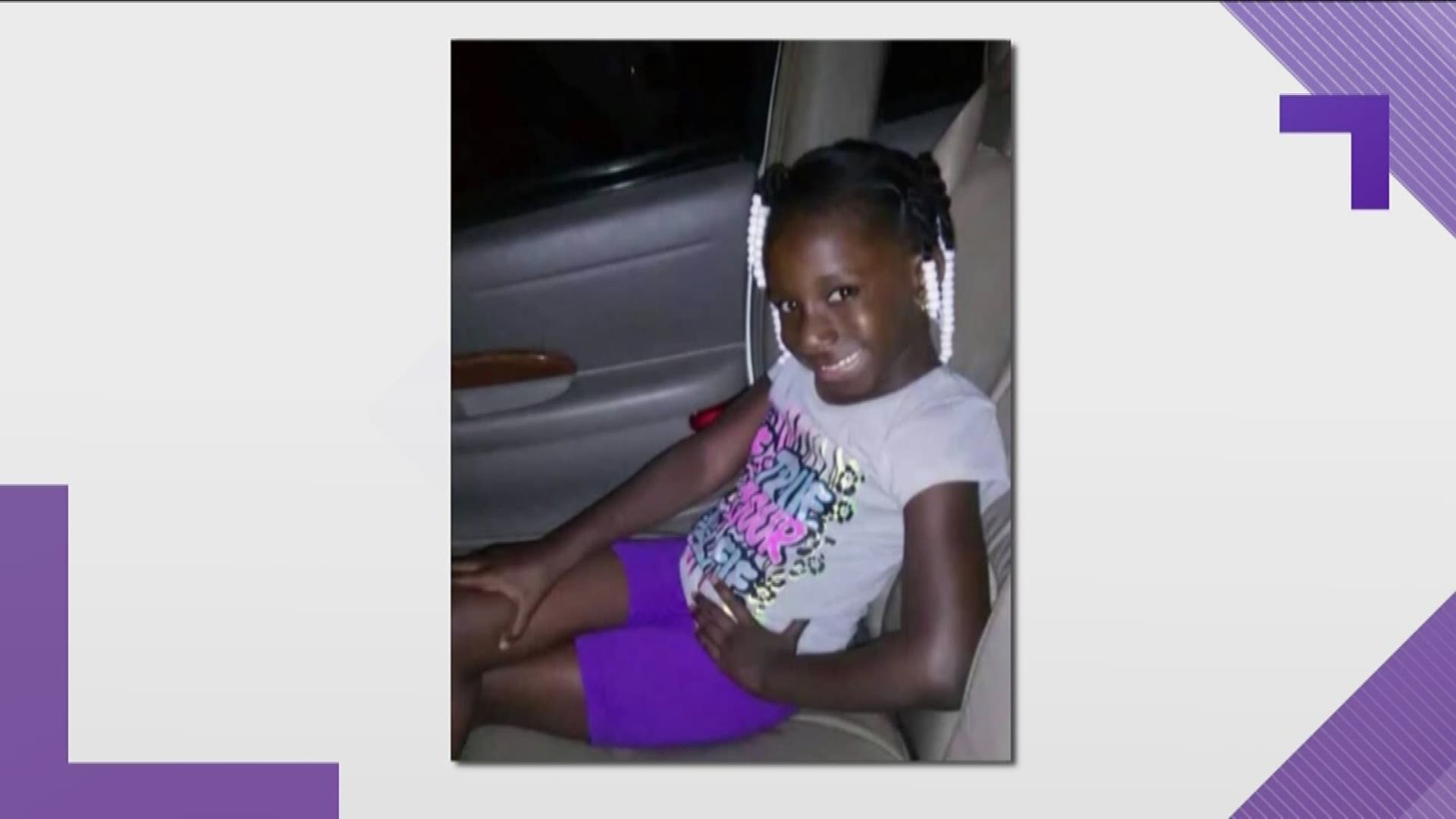
The death of Raniya Wright, a 10-year-old fifth-grader at Forest Hills Elementary School in Walterboro, South Carolina, remains one of the most scrutinized and heart-wrenching incidents in the state’s recent history. Raniya passed away on March 27, 2019, two days after a physical altercation inside her classroom. While the incident is several years in the past, its repercussions regarding school safety, medical transparency, and the legal responsibilities of educational institutions continue to influence South Carolina policy as of 2026.
The Timeline of the Incident at Forest Hills Elementary
On March 25, 2019, an incident occurred in a classroom at Forest Hills Elementary that would change the Walterboro community forever. According to witness statements and school records, a brief physical encounter took place between Raniya Wright and another female student. While the specifics of the "fight" were initially shrouded in conflicting reports from students and parents, official investigations later clarified the sequence of events.
Raniya was involved in a "slapping" incident rather than a prolonged brawl. Immediately following the encounter, Raniya visited the school nurse complaining of a headache. Her condition deteriorated rapidly while in the nurse's office; she lost consciousness and began to vomit. Emergency services were called, and she was airlifted to the Medical University of South Carolina (MUSC) in Charleston. Despite the efforts of medical professionals, Raniya Wright was pronounced dead two days later.
The community’s immediate reaction was one of outrage and grief. Early reports suggested that Raniya had been a victim of chronic bullying and that the school had failed to protect her. This narrative fueled national headlines, leading to protests and a demand for immediate criminal charges against the other student involved.
Medical Findings: The Role of Arteriovenous Malformation (AVM)
The central controversy of the Raniya Wright case lies in the disconnect between the physical altercation and the physiological cause of death. Following a thorough autopsy, 14th Circuit Solicitor Duffie Stone and forensic pathologist Dr. Susan Presnell released findings that surprised the public.
The autopsy concluded that Raniya Wright died of natural causes resulting from a pre-existing medical condition known as an Arteriovenous Malformation (AVM).
Understanding AVM
An Arteriovenous Malformation is a congenital tangle of abnormal blood vessels connecting arteries and veins in the brain. This condition disrupts normal blood flow and oxygen circulation. AVMs are often "silent" or asymptomatic until they rupture, leading to a brain hemorrhage.
In Raniya’s case, the pathologist determined that the AVM was located deep within the brain and had likely been present since birth. Crucially, the medical report stated there were no signs of external or internal trauma—such as bruising, broken bones, or brain swelling caused by impact—that contributed to the rupture. According to Dr. Presnell, the rupture was "spontaneous" and occurred at the time of the fight, but was not caused by the physical contact of the fight itself.
The Family’s Dispute
The Wright family and their legal counsel, Margie Pizarro, vehemently disputed the "natural causes" designation. They argued that the stress and physical exertion of the altercation served as the catalyst for the rupture. From their perspective, even if a pre-existing condition existed, Raniya might still be alive had the fight not occurred. This debate highlights the complex intersection of medical pathology and legal causation.
Legal Outcomes and the Decision on Charges
Following a multi-week investigation by the Colleton County Sheriff’s Office and the South Carolina Law Enforcement Division (SLED), Solicitor Duffie Stone announced that no criminal charges would be filed against the other student or school staff.
The legal reasoning for this decision was based on two primary factors:
- Lack of Criminal Intent: For a charge of involuntary manslaughter or assault to stick, there must be evidence of criminal negligence or an intent to cause serious bodily harm. The investigation found that the fight involved "slapping and hair pulling," which did not meet the threshold for a criminal act leading to death.
- Pathology Reports: Since the medical examiner ruled the death "natural," the prosecution could not prove beyond a reasonable doubt that the other student’s actions were the legal cause of death.
While the criminal case was closed, the civil implications continued. The Wright family filed a wrongful death lawsuit against the Colleton County School District, alleging that the school was aware of the bullying behavior of the other student and failed to provide a safe environment.
Comparison of Perspectives: Investigation vs. Family Allegations
The table below outlines the core differences between the official investigative findings and the claims made by the Wright family and their supporters.
| Feature | Official Investigative Finding | Family and Community Allegations |
|---|---|---|
| Primary Cause of Death | Natural Causes (AVM Rupture) | Traumatic Rupture triggered by fight |
| Physical Evidence | No signs of impact trauma or bruising | Visible injuries (alleged by some witnesses) |
| Bullying History | No documented patterns of targeted bullying | History of complaints ignored by school |
| Legal Action | No criminal charges filed | Demand for accountability and policy change |
| School Response | Followed standard emergency protocols | Delayed response and failure to supervise |
Impact on South Carolina School Safety Legislation
The Raniya Wright case became a primary catalyst for legislative discussions regarding school safety and bullying in South Carolina. In the years following her death, several initiatives were proposed to ensure that schools are better equipped to handle both conflict and medical emergencies.
The Raniya Wright Bill
Legislators introduced bills (such as House Bill 3958) aimed at increasing transparency in how schools report incidents of violence and bullying. As of 2026, many of these measures have been integrated into the "Safe Schools" framework in South Carolina. Key components include:
- Enhanced Reporting: Schools are now required to maintain more rigorous logs of behavioral interventions and parent complaints.
- Mental Health Resources: Increased funding for school counselors to address the root causes of student conflict.
- Medical Emergency Training: Enhanced protocols for school nurses and staff to recognize the signs of neurological distress, ensuring that students like Raniya receive the highest level of care immediately.
Despite these changes, critics argue that the "Sovereign Immunity" laws in South Carolina still make it difficult for families to hold school districts fully accountable for negligence. Sovereign immunity limits the amount of damages a person can recover from a government entity, which often complicates civil litigation in cases involving public schools.
Addressing Ambiguity: Other Notable Cases
When searching for "a South Carolina girl dies after a fight," it is important to distinguish the Raniya Wright case from other high-profile incidents involving South Carolina natives.
The most prominent "other" case is that of Shanquella Robinson, a 25-year-old woman from Charlotte (with strong ties to South Carolina) who died during a trip to Cabo San Lucas, Mexico, in 2022. While Robinson’s death also involved a fight (captured on video) and an initial dispute over the cause of death, it was a separate event involving adults in a different jurisdiction. Raniya Wright’s case specifically refers to the 10-year-old student in Walterboro, which remains the most direct match for the search intent regarding a young girl in a school setting.
Psychological Impact on the Community
The death of a child in a school setting creates a "ripple effect" of trauma that lasts for decades. In Walterboro, the Forest Hills Elementary community faced significant challenges in the aftermath of Raniya’s death.
- Student Trauma: Classmates who witnessed the fight or the emergency response required long-term counseling.
- Teacher Accountability: Educators found themselves under intense scrutiny, with many leaving the profession due to the pressure and perceived lack of support from district administration.
- Community Division: The decision not to charge the other student led to racial and social tensions in Colleton County, highlighting deep-seated trust issues between the community and the legal system.
By 2026, many South Carolina school districts have implemented "Restorative Justice" programs. These programs aim to resolve conflicts through dialogue and mediation before they escalate into physical violence, a direct response to the lessons learned from the Wright tragedy.
FAQs: Common Questions About the Case
Was the other student ever punished?
No criminal charges were filed against the other student. The 14th Circuit Solicitor determined that the fight did not meet the legal requirements for criminal prosecution, especially given the medical examiner's ruling of death by natural causes. Any disciplinary action taken by the school district remains part of the student's private educational record under FERPA laws.
Could the AVM rupture have been prevented?
Medical experts state that AVMs are often undetectable without advanced imaging like an MRI or CT scan, which are not part of routine pediatric checkups. Because Raniya was asymptomatic prior to the incident, it is unlikely that her family or doctors could have known about the condition. Whether the "stress" of the fight was a necessary factor in the rupture remains a point of medical and legal debate.
What is the current status of the civil lawsuit?
As of 2026, most litigation involving the 2019 incident has reached its conclusion through settlements or court rulings. These proceedings generally focused on whether the school district breached its "duty of care" by failing to supervise the students or address reported bullying. Details of such settlements are often confidential.
Has South Carolina changed its bullying laws since Raniya Wright's death?
Yes. The state has seen a push for more comprehensive "anti-bullying" statutes that require schools to not only report incidents but also to provide documented interventions. There is also a greater emphasis on "Raniya’s Law" initiatives that focus on the transparency of student safety records.
What should parents do if they suspect their child is being bullied in SC?
Parents are advised to document every incident in writing and submit it to both the teacher and the school principal. Under South Carolina's Safe School Climate Act, schools have a legal obligation to investigate and respond to reports of harassment and bullying. If the school fails to act, parents can escalate the issue to the district superintendent or the South Carolina Department of Education.
Recommended Actions for School Safety
The tragedy of Raniya Wright serves as a somber reminder of the fragility of student health and the importance of school vigilance. For parents, educators, and administrators, the following steps are recommended to improve the safety of the school environment:
- Prioritize Medical History: While AVMs are rare, ensuring that schools have a comprehensive understanding of a child's health history (including persistent headaches or neurological quirks) can help nurses react faster during emergencies.
- Zero-Tolerance for Escalation: Schools should implement "de-escalation" training for teachers to identify and break up minor classroom conflicts before they turn physical.
- Advocate for Transparency: Parents should continue to push for legislative measures that require schools to be transparent about incident reports and bullying statistics within their districts.
- Support Mental Health: Investing in school psychologists and social workers can help address the behavioral issues that lead to fights in the first place.
The memory of Raniya Wright continues to advocate for a future where schools are not just places of learning, but sanctuaries of safety.