A security engineer must approach a cloud storage deployment by establishing a robust defense-in-depth architecture, focusing on encryption-at-rest and in-transit, granular Identity and Access Management (IAM), and continuous audit logging. Success depends on moving beyond default vendor configurations to enforce rigorous data sovereignty, lifecycle management, and Zero Trust access principles.
The Security Engineer’s Mandate in Cloud Storage
For a security professional, the move to cloud storage is rarely just about capacity or uptime; it is about maintaining control over the data plane while the physical control plane shifts to a cloud service provider (CSP). When you are tasked with deploying cloud storage, your objective is to ensure that the abstraction layer provided by the cloud does not equate to a loss of visibility or granular control.
The fundamental challenge is the shared responsibility model. CSPs manage the security of the cloud, but the security in the cloud is your responsibility. This includes data classification, encryption key management, and the configuration of access policies that define who can reach the data and under what conditions. A misconfigured bucket or an overly permissive service account is often the primary vector for data exfiltration, making architecture and validation the pillars of your deployment strategy.
Defining Data Requirements and Classification
Before selecting a provider or configuring storage buckets, you must conduct a thorough data discovery process. Not all data requires the same protection level. Categorizing data based on its sensitivity—public, internal, confidential, or restricted—dictates the necessary storage tier and security controls.
- Data Sovereignty and Residency: Identify if the data is subject to regional regulations like GDPR (General Data Protection Regulation) in Europe, CCPA in California, or sector-specific mandates like HIPAA (Health Insurance Portability and Accountability Act) for healthcare.
- Access Profiles: Determine who needs access. Is this data for machine-to-machine communication, internal user collaboration, or public-facing content distribution?
- Lifecycle Requirements: Define the data's path from active use to archival and eventual destruction. Automated lifecycle policies are a security feature, as they reduce the risk of "data hoarding," where legacy, unsecured information becomes a target for attackers.
Architecting Secure Access Controls
Identity is the new perimeter. Relying on simple credentials is insufficient in 2026. A secure cloud storage deployment requires a Zero Trust approach to access.
Identity and Access Management (IAM)
Adhere strictly to the Principle of Least Privilege (PoLP). Do not assign broad administrative roles (e.g., Owner or Administrator) to service accounts or users. Instead, craft custom policies that restrict access to specific buckets or prefixes (folders) and define allowed actions (Read, Write, List, Delete) precisely.
Multi-Factor Authentication (MFA) and Conditional Access
Ensure that access to management consoles or APIs requires MFA. Where supported, implement Conditional Access policies that evaluate the request context—such as the user's IP address, device health status, and geographical location—before granting access. For highly sensitive buckets, require an MFA delete functionality to prevent accidental or malicious deletion of data.
Encryption Strategies for Data at Rest and in Transit
Encryption is your primary defense against a compromise of the CSP's underlying storage media. While most CSPs offer "server-side encryption" by default, a security-conscious engineer should explore options for Customer-Managed Keys (CMK).
- Server-Side Encryption with Provider-Managed Keys: The CSP handles key rotation and management. This is the baseline, but you must verify that the provider uses industry-standard algorithms like AES-256.
- Customer-Managed Keys (CMK): Using a Key Management Service (KMS), you retain control over the key’s lifecycle. This allows you to revoke access to the data instantly by disabling or deleting the key, regardless of the bucket's individual settings.
- Client-Side Encryption: For highly sensitive workloads, encrypt the data before it leaves the client’s environment. This ensures that even if an attacker gains access to the storage bucket, they lack the keys to decrypt the content.
Continuous Monitoring, Auditing, and Logging
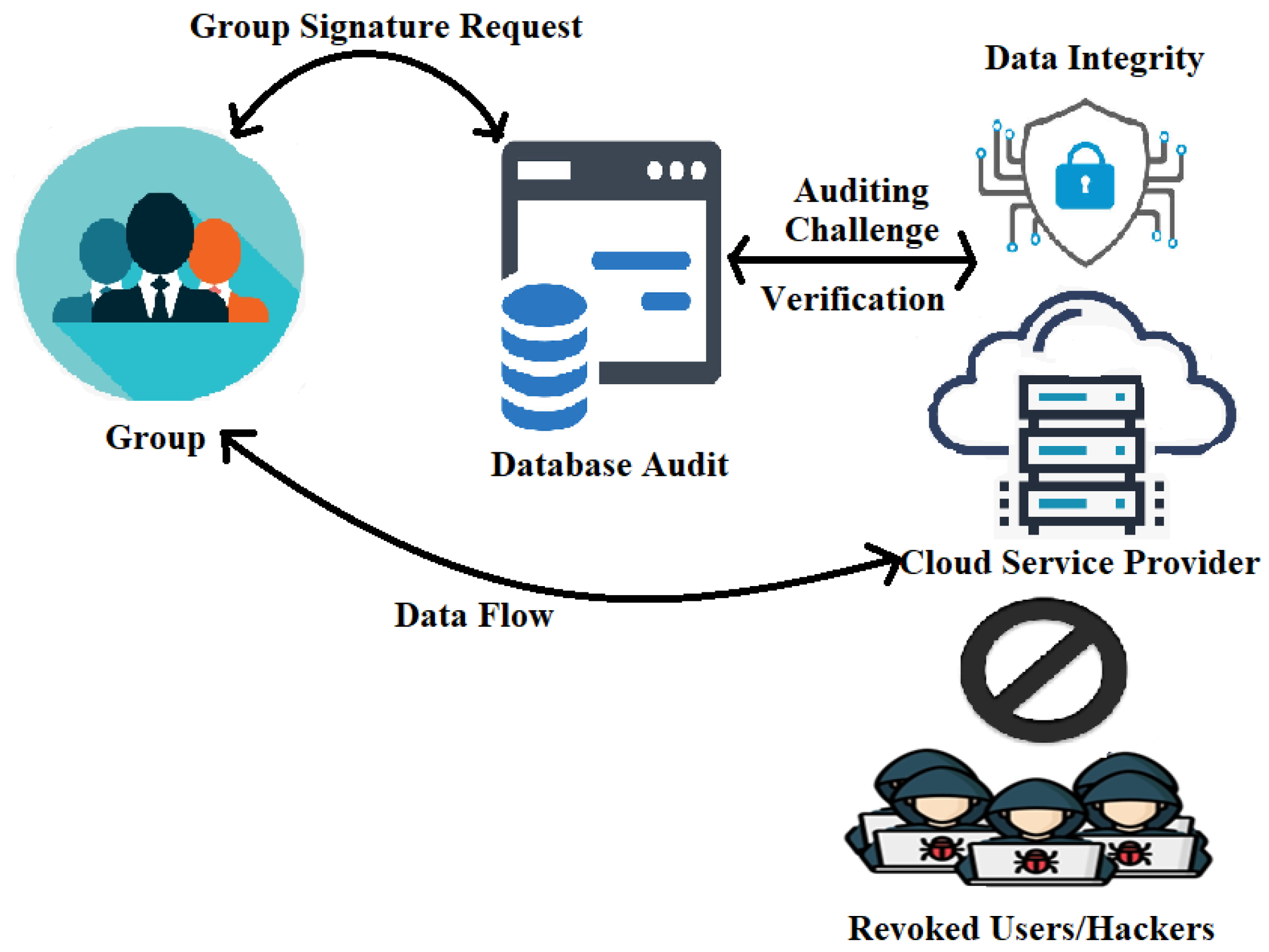
A deployment is not secure unless it is observable. You must configure comprehensive audit logs that track every API call, access attempt, and configuration change.
- Access Logs: Enable detailed object-level logging. This identifies the "who, what, and when" for every file interaction.
- Configuration Auditing: Utilize native tools or third-party Cloud Security Posture Management (CSPM) solutions to trigger alerts on configuration drift. If a bucket's privacy setting changes from "private" to "public," your security operations center (SOC) should receive an automated alert immediately.
- Alerting Thresholds: Establish baseline behavior for storage access. Significant spikes in data egress or an unusual volume of "Access Denied" errors should trigger automated incident response workflows.
Comparative Overview of Storage Deployment Considerations
| Feature | Best Practice for Security Engineers | Impact on Security Posture |
|---|---|---|
| Encryption | Use Customer-Managed Keys (CMK) | Full control over data lifecycle/revocation |
| Access | Implement Role-Based Access Control (RBAC) | Minimizes lateral movement and blast radius |
| Network | Use Private Endpoints (Private Link) | Bypasses the public internet for data traffic |
| Monitoring | Centralized Logging with SIEM integration | Facilitates rapid threat detection and forensics |
| Integrity | Versioning and Object Locking | Protects against ransomware and accidental deletion |
Mitigating Common Deployment Pitfalls
Even experienced engineers face challenges when transitioning to cloud storage. The most common pitfall is the "default settings trap." Many cloud platforms provide convenience-first settings, such as public access toggles that are easy to enable but hard to secure.
Another frequent oversight is the failure to secure the management interface. If a developer's IAM credentials are stolen, the attacker can manipulate storage policies to exfiltrate data. Always treat management console access as a high-privilege event and monitor it with the same scrutiny as production database access. Furthermore, ensure that "Public Access Block" settings are enforced at the organization or account level to prevent individual users from inadvertently exposing sensitive buckets to the public.
Frequently Asked Questions
1. How do I protect against ransomware in cloud storage? Use immutable object storage (Object Locking). By setting a "Write Once, Read Many" (WORM) policy, you ensure that even if an account is compromised, the stored files cannot be encrypted or deleted by the attacker for a defined retention period.
2. Should I use private endpoints for my cloud storage? Yes. Private endpoints (such as AWS PrivateLink or Azure Private Link) keep your storage traffic within the provider's backbone network, preventing data from traversing the public internet and protecting it from interception or DDoS attacks.
3. What is the most effective way to audit storage permissions? Automate audits using infrastructure-as-code (IaC) scanners. Tools that analyze your Terraform or Bicep templates can catch insecure configurations before they are deployed to the cloud environment.
4. How often should I rotate my encryption keys? While CSPs often automate rotation, industry standards recommend rotating customer-managed keys at least annually. If you suspect an unauthorized party has accessed your KMS, immediate key rotation and re-encryption are required.
5. What is the role of Cloud Security Posture Management (CSPM)? CSPM tools provide an automated view of your cloud inventory and security configuration against industry benchmarks (like CIS Foundations). They are essential for maintaining compliance in dynamic, large-scale cloud environments.
Final Recommendation: The "Secure by Design" Approach
To successfully deploy cloud storage, shift your mindset from "setting up a folder" to "deploying an infrastructure service." Start by defining your governance policies before creating a single bucket. Use infrastructure-as-code to standardize security controls across every deployment, ensuring that encryption, logging, and private networking are mandatory prerequisites for any storage bucket created within your environment. Verify these configurations with automated tests, and treat your logs as the final authority in your security architecture. Continuous improvement—revisiting your access policies and monitoring for new threats—will remain the most effective tool in your security arsenal throughout 2026 and beyond.