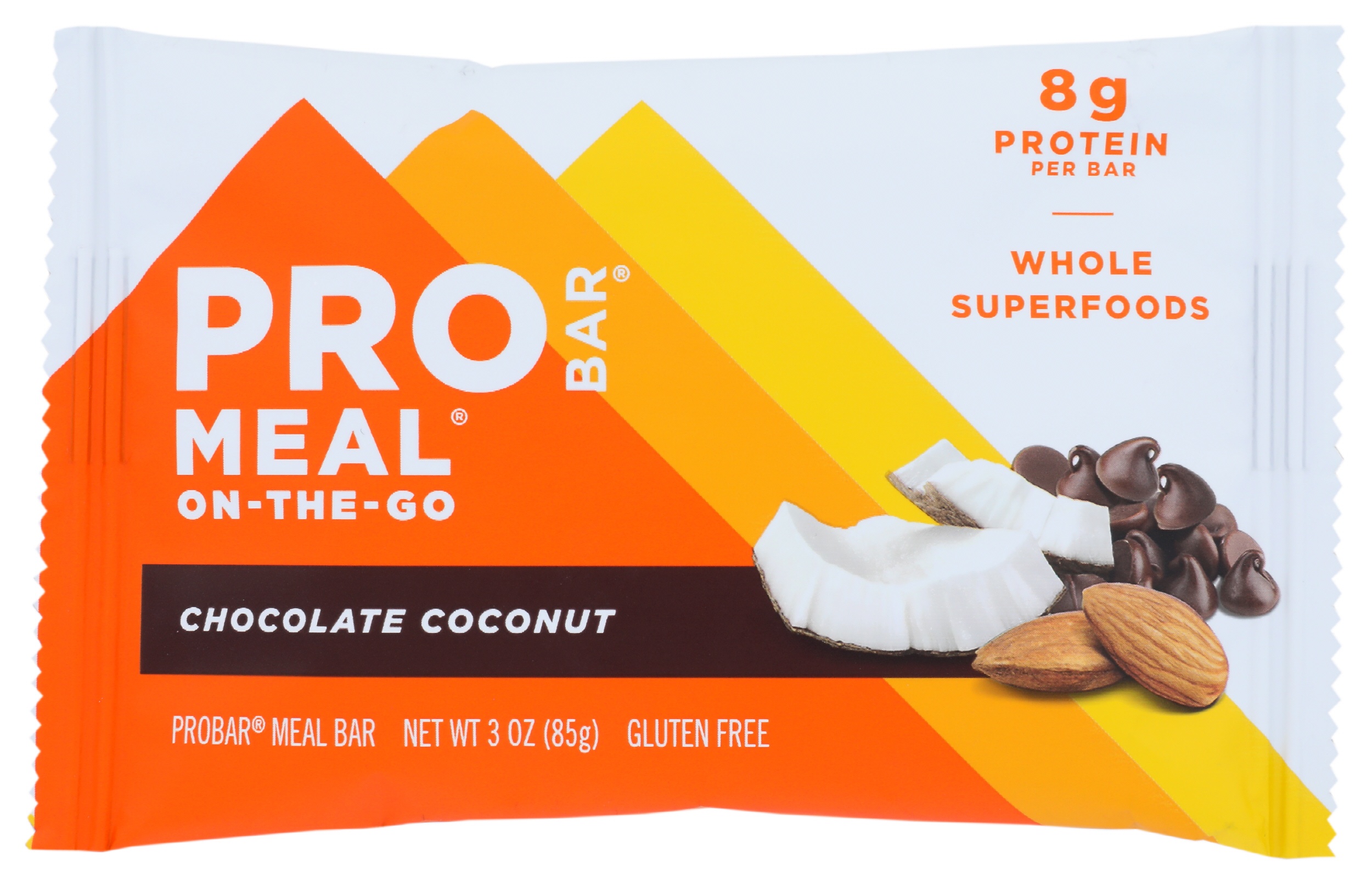
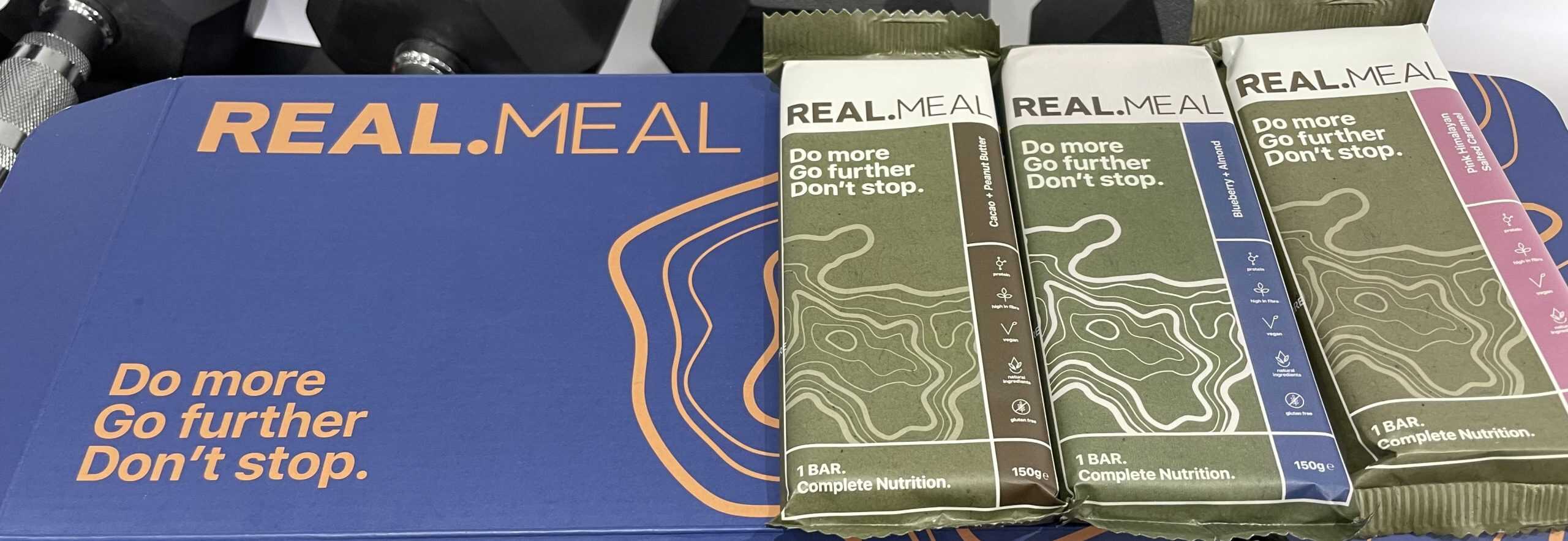
Meal replacement bars are generally healthy for hikers when used as a supplemental tool for high-energy expenditure. While they provide essential macronutrients and convenience, they should not entirely replace whole foods due to potential digestive strain and the lack of diverse phytonutrients found in fresh trail meals.
Understanding the Role of Meal Replacement Bars in 2026
By 2026, the distinction between a simple "energy bar" and a "meal replacement bar" has become more technically defined in the outdoor industry. A true meal replacement bar is designed to provide a significant percentage of a person's daily nutritional needs in a single serving, typically ranging from 350 to 600 calories. For a hiker, these bars represent a specialized tool used to solve the problem of caloric deficit during high-intensity exertion.
Hiking, particularly thru-hiking or strenuous day ascents, places unique demands on the human body. The body requires a steady stream of glucose for immediate muscle function, protein for cellular repair, and fats for sustained aerobic activity. Meal replacement bars aim to consolidate these needs into a compact, shelf-stable form. However, "healthy" is a relative term in the backcountry. While these bars are nutritionally dense, their health profile depends heavily on their ingredient quality, the hiker's specific physiological needs, and the duration of the trip.
The Macronutrient Balance: Fueling the Trail
To evaluate whether these bars are healthy, we must first look at the macronutrient ratios required for trekking. Unlike a sedentary individual using a meal replacement for weight loss, a hiker uses it for performance maintenance.
Carbohydrates and Glycemic Response
Carbohydrates are the primary fuel source for hikers. In 2026, high-quality meal replacement bars have moved away from simple corn syrups toward complex carbohydrates like organic oats, quinoa, and sweet potato powders. These ingredients provide a lower glycemic index (GI), meaning they release energy slowly. This prevents the "sugar crash" that can lead to fatigue or "bonking" on a steep incline. A healthy bar for a hiker should contain a mix of simple sugars for immediate energy and complex fibers for endurance.
Protein for Muscle Recovery
Protein is essential for preventing muscle catabolism during long-term treks. Hikers often experience "hiker hunger," a sign that the body is beginning to break down its own tissue for fuel. A meal replacement bar with 15 to 25 grams of protein can mitigate this. In 2026, we see a shift toward diverse protein sources, including whey isolate, pea protein, and even sustainable insect-based proteins (like cricket flour), which offer high bioavailability and essential amino acids like leucine, which is critical for muscle protein synthesis.
Fats as Long-Burning Fuel
Fats are the most calorie-dense macronutrient, providing 9 calories per gram compared to 4 calories for carbs and protein. For hikers carrying their entire food supply, caloric density (kcal per ounce) is a primary health and safety consideration. Healthy bars utilize monounsaturated and polyunsaturated fats from nuts, seeds, and MCT (medium-chain triglyceride) oil. These fats provide sustained energy for long, low-intensity miles and help the body absorb fat-soluble vitamins (A, D, E, and K).
Micronutrients and Bioavailability
One of the main arguments against meal replacement bars is that they rely on synthetic vitamin and mineral fortification. While the National Institutes of Health (NIH) notes that fortified foods can help fill nutritional gaps, they may not offer the same synergistic benefits as vitamins found in whole foods.
For a weekend hiker, this is a minor concern. However, for a thru-hiker on the Appalachian Trail or Pacific Crest Trail, relying solely on bars can lead to micronutrient deficiencies. "Healthy" bars in 2026 often incorporate "whole food powders" like spirulina, kale, or acerola cherry to provide vitamins in a more bioavailable matrix. When choosing a bar, hikers should look for those that list recognizable food sources rather than just a long list of chemical isolates.
Digestive Health and the "Gut Rot" Phenomenon
The most significant health challenge regarding meal replacement bars is their impact on the gastrointestinal (GI) tract. Hikers frequently refer to "gut rot," a condition caused by the overconsumption of highly processed, high-fiber, or sugar-alcohol-laden bars.
The Role of Sugar Alcohols
Many "healthy" or "low-sugar" bars use sugar alcohols like erythritol, xylitol, or maltitol. While these reduce calorie counts, they are not fully absorbed by the small intestine. When they reach the large intestine, they can cause osmotic diarrhea, bloating, and cramping—dangerous conditions when one is miles away from a trailhead and potentially dehydrated.
Fiber Density
While fiber is generally healthy, an abrupt increase in fiber intake from dense meal bars can cause distress. A hiker’s body is already under stress from physical exertion, which diverts blood flow away from the digestive system to the limbs. Processing a dense, 20-gram-fiber bar while climbing 2,000 feet of elevation is a heavy task for the gut.
Caloric Density vs. Nutritional Quality
In the context of ultralight hiking, the "healthiest" bar is often the one that provides the most energy for the least weight. This creates a paradox. A bar made of pure almond butter and honey is calorie-dense and "natural," but it may lack the branched-chain amino acids (BCAAs) needed for recovery. Conversely, a highly engineered lab-bar might have perfect macros but contain emulsifiers like carrageenan or soy lecithin, which some studies suggest may impact gut mucosal health.
Comparing Common Bar Profiles for Hikers
| Bar Category | Typical Calories | Primary Benefit | Potential Drawback | Best Use Case |
|---|---|---|---|---|
| Whole Food Bars | 200-350 | Easy to digest, natural ingredients | Lower protein, lower calorie density | Short day hikes, snack intervals |
| High-Protein Meal Bars | 350-450 | Muscle recovery, satiety | Can be dry, requires extra water | Post-climb recovery, breakfast |
| Keto/High-Fat Bars | 250-400 | Long-burning energy, low weight | May cause GI upset if not fat-adapted | Cold weather hiking, endurance |
| Fortified Engineered Bars | 400-600 | Complete nutrition (vitamins/minerals) | Highly processed, artificial taste | Thru-hiking meal replacement |
The Impact of 2026 Ingredient Trends
As of 2026, the industry has pivoted toward "functional" ingredients. It is common to find meal replacement bars containing adaptogens like ashwagandha or cordyceps. While the Journal of the International Society of Sports Nutrition has explored the ergogenic benefits of some of these substances, their inclusion in a shelf-stable bar is often in doses too low to provide a therapeutic effect.
Furthermore, the environmental health aspect has become more prominent. Many hikers now prioritize bars that avoid palm oil (to prevent deforestation) and use compostable packaging. A "healthy" bar in 2026 is often defined not just by what it does to the body, but by its lack of "forever chemicals" (PFAS) in the wrapper, which can leach into the food during temperature fluctuations in a backpack.
Practical Strategies for Using Bars Healthily
To maximize the health benefits and minimize the risks of meal replacement bars on the trail, hikers should follow a tiered approach:
- Test at Home: Never take a new brand of meal replacement bar on a multi-day trip without testing it during a local walk. Your reaction to specific sweeteners or protein blends is highly individual.
- Hydrate Aggressively: Meal replacement bars are dehydrated products. They require significant water to process in the stomach. For every 400-calorie bar consumed, a hiker should aim to drink at least 16 ounces of water to prevent constipation.
- The 50/50 Rule: Aim to get no more than 50% of your daily calories from bars. Use the other 50% for "real" foods like dried fruits, seeds, tortillas, or dehydrated meals that have different textures and nutrient profiles.
- Monitor Sodium: Hiking causes significant electrolyte loss through sweat. Many "health" bars are low in sodium. Hikers may need to supplement their meal bars with salty snacks or electrolyte tabs to maintain proper fluid balance.
Common Mistakes to Avoid
The most frequent mistake is using a bar designed for weight loss as a hiking meal. Weight loss bars are often high in fiber and low in carbohydrates to keep a sedentary person full. For a hiker, this is the opposite of what is needed. Another mistake is ignoring the "best by" date. Because these bars contain fats (nuts/oils), they can go rancid if stored in a hot garage or car before a trip. Rancid fats are pro-inflammatory and can ruin a hiker’s performance.
FAQ
Can I survive solely on meal replacement bars during a thru-hike? While physically possible for a short duration, it is not recommended. Relying solely on bars can lead to "palate fatigue," making it difficult to consume enough calories. More importantly, the lack of dietary diversity can negatively impact the gut microbiome, which is essential for immune function during long periods of physical stress.
Are plant-based meal replacement bars better for hikers than whey-based ones? Not necessarily. Plant-based bars are often easier on the environment and better for those with lactose intolerance. However, whey protein has a higher biological value and a more complete amino acid profile. In 2026, many plant-based bars use a blend (like rice and pea) to achieve a complete amino acid profile, making them functionally equivalent for most hikers.
Do meal replacement bars expire or go bad in heat? Yes. High-protein bars can become extremely hard and difficult to chew in cold weather, while bars with chocolate coatings or high fat content can melt or turn rancid in high heat. Always store bars in a cool, dry place and check for oil separation or off-odors before consuming them on the trail.
Are these bars better than trail mix (GORP)? Meal replacement bars provide a more controlled ratio of nutrients and are often fortified with vitamins that trail mix lacks. However, trail mix is less processed and allows you to adjust your intake of salt or sugar more easily. A combination of both is usually the best approach for long-term health on the trail.
Is it healthy to eat a meal replacement bar as a meal every day while not hiking? While safe, it is less "healthy" than eating a balanced meal of whole foods. The processing required to make a bar shelf-stable often removes natural enzymes and secondary metabolites found in fresh produce. Use them for their intended purpose: convenience and performance during activity.
Final Recommendation
Meal replacement bars are a healthy and effective tool for hikers provided they are used as part of a varied diet. For optimal performance in 2026, look for bars that provide at least 400 calories, use complex carbohydrate sources, and avoid excessive sugar alcohols. Prioritize "whole-food" ingredients and ensure you are balancing these dense snacks with high water intake and occasional fresh or minimally processed foods to maintain gut health throughout your journey.