Male dogs are neutered, a surgical procedure technically known as an orchiectomy. While "spaying" refers specifically to the sterilization of female dogs, "neutering" is the clinical term for removing a male dog's testicles. Both procedures fall under the broader umbrella of "fixing" or "altering" a pet to prevent reproduction.
The distinction between these terms is more than just linguistic; it reflects two very different surgical processes. For pet owners in 2026, understanding the specifics of neutering—including the timing, the health implications, and the recovery process—is essential for responsible pet ownership. This guide provides a comprehensive look at what happens when a male dog is neutered, why it is done, and how to manage the process effectively.
The Terminology: Neutering vs. Spaying
In the world of veterinary medicine, the terms used to describe sterilization can sometimes be confusing. While they are often used interchangeably in casual conversation, they represent distinct biological interventions.
What is Neutering?
Neutering, or orchiectomy, is the surgical removal of both testicles in a male dog. The testicles are the primary source of sperm production and the hormone testosterone. By removing these organs, the veterinarian effectively renders the dog sterile and significantly reduces the levels of male hormones circulating in the body.
While "neuter" is technically a gender-neutral term meaning "to castrate or spay," in common English and veterinary practice, it is almost exclusively used to describe the male procedure.
What is Spaying?
Spaying, or ovariohysterectomy, is the female equivalent. This procedure involves the surgical removal of the ovaries and, usually, the uterus. Because the female reproductive system is located within the abdominal cavity, spaying is a more invasive procedure than a standard neuter.
The General Term: Altering or Fixing
If you hear a veterinarian refer to a dog as "intact," they mean the dog has not been neutered or spayed. Conversely, "altered" or "fixed" are general terms that apply to both genders. In 2026, the veterinary community increasingly uses the term "gonadectomy" to describe the surgical removal of the gonads (testicles or ovaries) in either sex.
The Surgical Procedure: What Happens During a Neuter?
A routine neuter is one of the most common surgeries performed in veterinary clinics. Despite its frequency, it is still a significant medical event that requires general anesthesia and a sterile surgical environment.
Pre-Surgical Preparation
Before the surgery begins, the veterinarian will typically perform a physical examination and pre-anesthetic blood work. This is crucial to ensure that the dog's liver and kidneys are functioning well enough to process the anesthesia. In 2026, most clinics utilize advanced monitoring equipment to track oxygen levels, heart rate, and blood pressure throughout the procedure.
The Operation (Orchiectomy)
Once the dog is under general anesthesia, the surgical site—usually the area just in front of the scrotum—is shaved and scrubbed with an antiseptic.
- Incision: The surgeon makes a small incision in the skin.
- Ligation: Each spermatic cord, which contains blood vessels and the vas deferens, is tied off (ligated) with dissolvable sutures to prevent bleeding.
- Excision: Both testicles are removed through the incision.
- Closure: The incision is closed using sutures or surgical glue. In many cases, "subcuticular" sutures are used, which are hidden beneath the skin and do not need to be removed later.
Cryptorchidism: A Special Case
In some male dogs, one or both testicles fail to descend from the abdomen into the scrotum. This condition is called cryptorchidism. If a dog is cryptorchid, the surgery becomes more complex, resembling a female spay because the veterinarian must enter the abdominal cavity to locate and remove the retained testicle. It is vital to neuter cryptorchid dogs because retained testicles have a significantly higher risk of becoming cancerous due to the higher internal body temperature.
Why Neuter a Male Dog? Health and Behavioral Benefits
Deciding to neuter your dog involves weighing various health and behavioral factors. While the primary goal is often population control, there are several medical advantages to the procedure.
Medical Benefits
- Prevention of Testicular Cancer: By removing the testicles, the risk of developing testicular tumors is entirely eliminated.
- Reduced Prostate Issues: Neutered dogs are far less likely to suffer from benign prostatic hyperplasia (BPH), an enlargement of the prostate that can cause difficulty with urination and defecation.
- Prevention of Certain Hernias and Perianal Tumors: Testosterone contributes to the development of certain types of hernias (perineal hernias) and tumors around the anus. Neutering significantly reduces these risks.
Behavioral Benefits
It is important to note that neutering is not a "magic fix" for behavioral problems, but it can reduce or eliminate behaviors driven by testosterone.
- Roaming: Intact males are biologically driven to find a mate. This often leads to "roaming," where dogs escape yards and cross busy streets, putting them at risk of accidents.
- Marking: Neutering can reduce the urge to "lift a leg" and mark territory inside the house with urine.
- Mounting: While mounting can be a play-related or stress-related behavior, neutering often reduces sexual mounting.
- Aggression: Neutering may reduce certain types of inter-dog aggression, particularly between two intact males. However, it rarely changes aggression directed toward humans or fear-based aggression.
The Timing Debate: When Should You Neuter?
In previous decades, the standard recommendation was to neuter all dogs at six months of age. However, research available in 2026 suggests that the "one-size-fits-all" approach is outdated. The timing of neutering should be a customized decision based on the dog’s breed, size, and lifestyle.
Small and Medium Breeds
For smaller dogs (under 45 lbs), the traditional window of 6 to 9 months is often still appropriate. These dogs tend to stop growing earlier, and the risk of orthopedic issues related to early neutering is lower.
Large and Giant Breeds
Research from institutions like the UC Davis School of Veterinary Medicine has shown that for certain large breeds (such as Golden Retrievers, German Shepherds, and Labradors), neutering too early can increase the risk of joint disorders like hip dysplasia and certain cancers (like osteosarcoma).
In these breeds, sex hormones play a role in the closure of growth plates in the bones. If these hormones are removed too early, the bones may grow longer than they should, altering the dog’s skeletal structure. Consequently, many veterinarians now recommend waiting until large-breed males are at least 12 to 18 months old.
Comparison of Sterilization Aspects
| Feature | Male (Neutering) | Female (Spaying) |
|---|---|---|
| Common Clinical Name | Orchiectomy | Ovariohysterectomy / Ovariectomy |
| Organs Removed | Testicles | Ovaries and Uterus (usually) |
| Invasiveness | Minimally Invasive (External) | Invasive (Abdominal) |
| Standard Recovery Time | 10–14 days | 10–14 days |
| Surgical Duration | 15–30 minutes (Typical) | 30–60 minutes (Typical) |
| Primary Health Benefit | Prevents testicular cancer | Prevents uterine infections (Pyometra) |
Recovery and Post-Operative Care
Once the surgery is complete, the recovery phase is critical to ensure the incision heals properly without infection or dehiscence (opening of the wound).
The First 24 Hours
When you pick your dog up from the clinic, he may still be groggy from the anesthesia. It is common for dogs to be a bit "out of it" or whiny for the first evening. Provide a quiet, confined space away from other pets and children.
Managing Activity
For at least 10 to 14 days, exercise must be strictly limited. This means no running, jumping, or rough play. High levels of activity can cause the surgical site to swell or the internal sutures to tear. Short, on-leash potty breaks are the only activity allowed during this window.
Preventing Licking
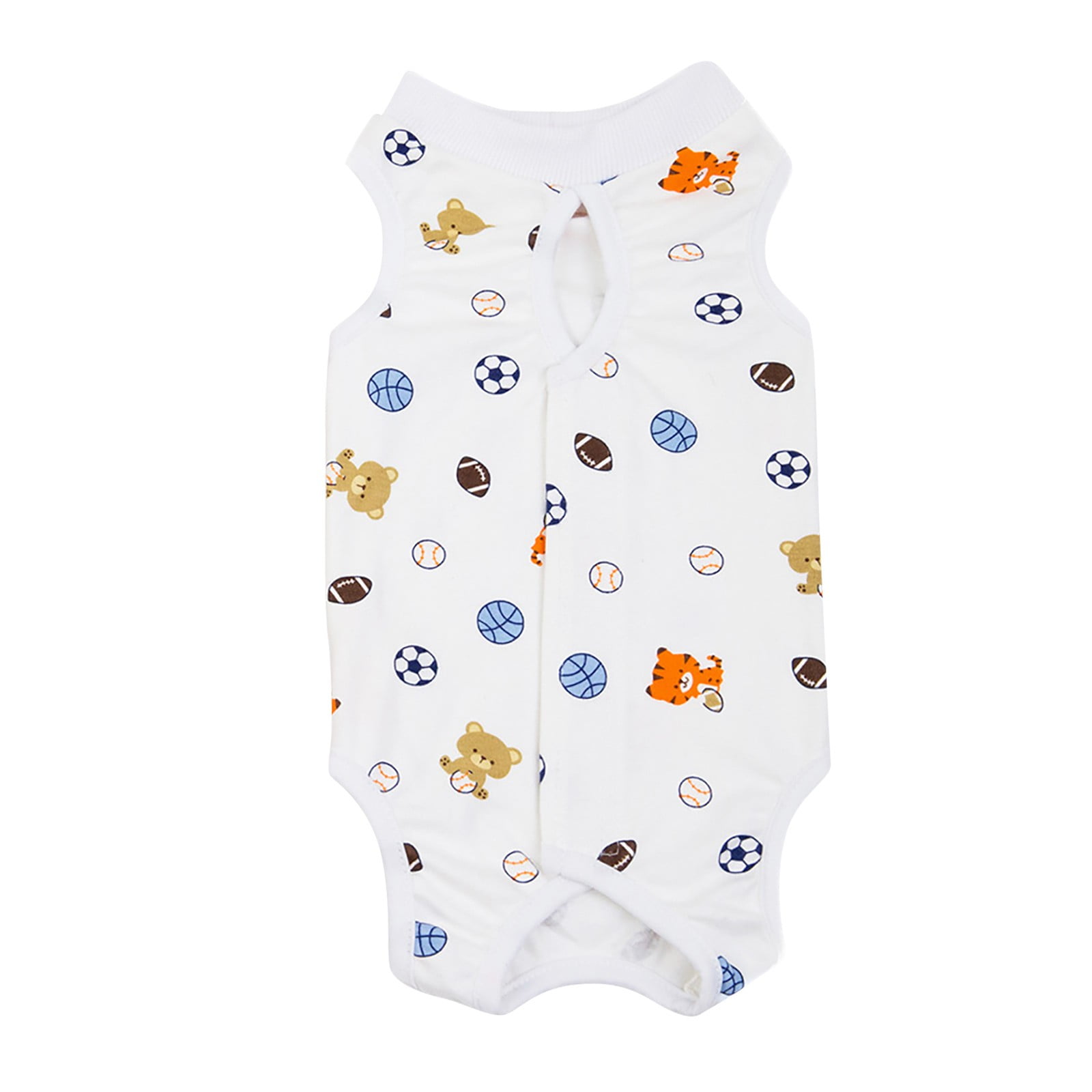
Licking is the most common cause of post-surgical complications. A dog’s mouth is full of bacteria, and the abrasive texture of the tongue can easily pull out stitches. The "cone of shame" (Elizabethan collar) is mandatory for most dogs during recovery. In 2026, alternatives like soft collars or "recovery onesies" are popular, but they must be effective at preventing the dog from reaching the incision.
Monitoring the Site
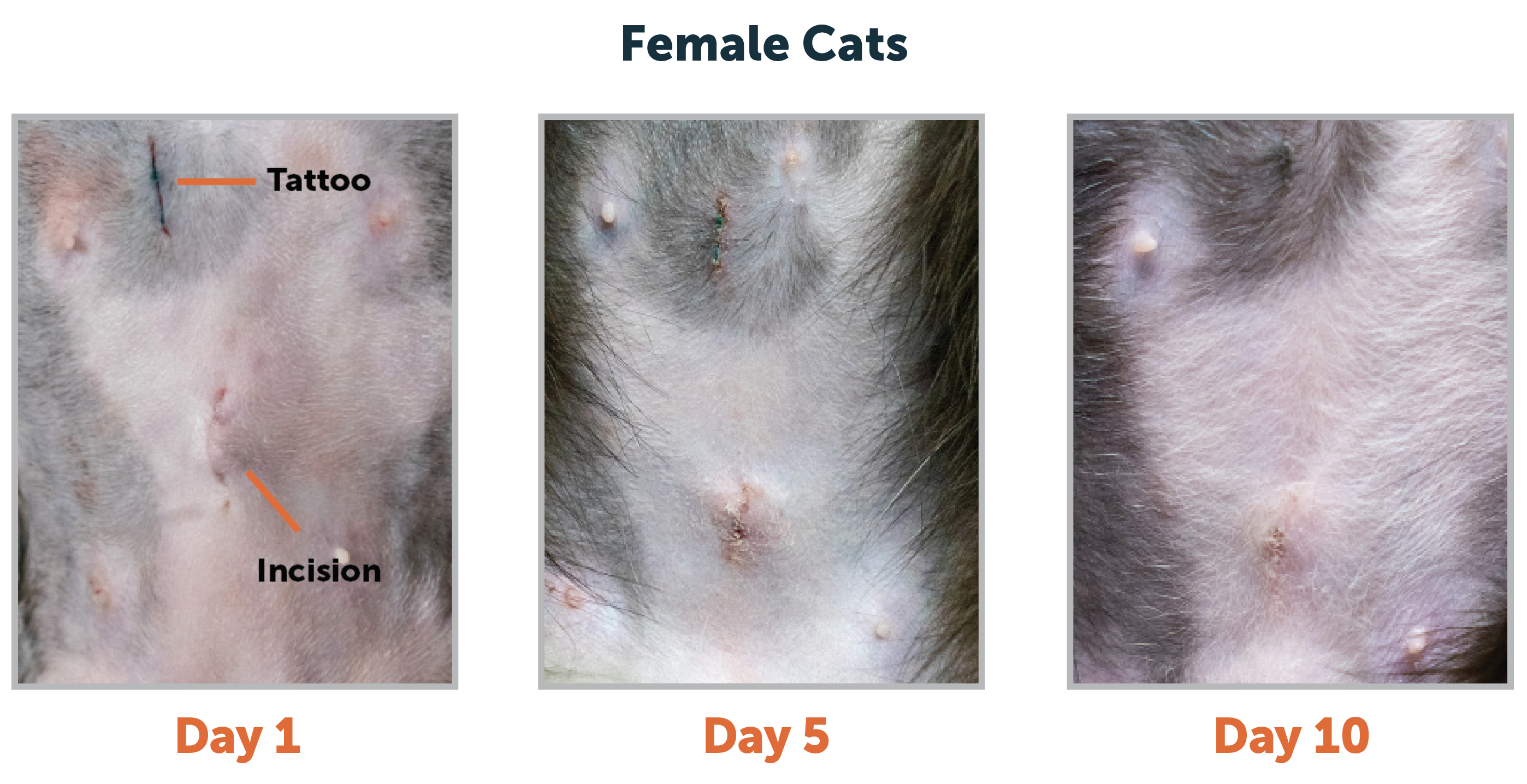
Check the incision site twice daily. A small amount of redness or mild swelling is normal in the first few days. However, you should contact your veterinarian immediately if you notice:
- Continuous dripping of blood or green/yellow discharge.
- A foul odor coming from the wound.
- Excessive swelling or the appearance of a "gap" in the skin.
- Extreme lethargy or refusal to eat after the first 24 hours.
Alternatives to Traditional Neutering
While the surgical orchiectomy is the gold standard in the United States, there are other methods of sterilization available for those who are concerned about the total loss of hormones.
Vasectomy
In a canine vasectomy, the vas deferens is severed, preventing sperm from reaching the urethra. The dog remains sterile but keeps his testicles and his testosterone. This is sometimes chosen by owners of working dogs or those concerned about the skeletal effects of hormone loss. However, it does not provide the health benefits of preventing testicular cancer or prostate issues.
Chemical Neutering
Chemical sterilization involves injecting a solution (such as zinc gluconate) directly into the testicles to cause permanent sterility. While this has been used in mass sterilization programs, it is less common in private practice in 2026 due to potential localized pain and the fact that it may not completely eliminate testosterone production.
Zeuterin and Future Developments
While products like Zeuterin have seen varying levels of availability over the years, the veterinary field continues to research non-surgical, long-term contraceptive implants that can suppress hormones temporarily rather than permanently.
Cost Considerations
The cost of neutering a male dog in 2026 varies widely based on geographic location, the size of the dog, and the type of facility.
- Low-Cost Clinics: Many non-profit organizations and shelters offer subsidized neutering for $50 to $150. These clinics focus on high-volume sterilization to control the pet population.
- Private Veterinary Practices: A standard private clinic may charge between $250 and $600. This price typically includes more comprehensive anesthesia monitoring, intravenous fluids, and advanced pain management.
- Additional Costs: Factors like cryptorchidism, obesity, or the need for pre-operative blood work can increase the final bill.
Pet insurance often covers neutering if the owner has purchased a "wellness" or "routine care" add-on. For more information on surgical standards, the American Animal Hospital Association (AAHA) provides guidelines for veterinary excellence.
Common Myths About Neutering
There is a significant amount of misinformation regarding the effects of neutering on male dogs.
- "Neutering will make my dog fat." Neutering does slow down a dog’s metabolism slightly. However, weight gain is the result of overfeeding and lack of exercise, not the surgery itself. Adjusting the calorie intake after surgery prevents obesity.
- "My dog will feel less 'masculine'." Dogs do not have a concept of sexual identity or masculinity. They do not feel "lesser" because they cannot reproduce; they simply lose the biological drive to do so, which often results in a calmer, more focused pet.
- "He needs to have one litter first." There is no health or developmental benefit to allowing a male dog to mate before being neutered.
Frequently Asked Questions
Can a neutered dog still mate?
Immediately after surgery, a male dog can still have viable sperm in his system for up to several weeks. Furthermore, while the physical drive is reduced, some neutered dogs may still exhibit "humping" behavior or even attempt to tie with a female in heat due to learned behavior or residual hormones. However, they cannot produce puppies.
Does neutering change a dog's personality?
Neutering does not change a dog’s fundamental personality. If your dog is playful, loyal, or intelligent, he will remain so. It primarily reduces behaviors driven by sex hormones, such as the intense focus on finding a mate or the urge to fight other males over territory.
How long does the neutering surgery take?
For a standard male dog with both testicles descended, the actual surgical time is quite short, often between 15 and 20 minutes. However, the dog will be at the clinic for several hours to allow for pre-operative prep and post-operative recovery from anesthesia.
What is the best age to neuter a Labrador or Golden Retriever?
Current 2026 guidelines suggest waiting until these breeds are at least 12 months old, and ideally until they have reached full skeletal maturity (around 18 months). This delay helps ensure the growth plates close correctly and reduces the risk of certain cancers associated with early hormone loss.
Is neutering a major surgery?
While it is "routine," any procedure involving general anesthesia and an incision is considered major surgery. However, because the surgeon does not need to enter the abdominal cavity (unlike in a female spay), the risk of complications is lower and the recovery time is generally faster.
Final Recommendation
If you have a male dog, the question isn't just "are they neutered or spayed," but rather "when is the right time to neuter?" For most owners, neutering is a vital step in ensuring a long, healthy life for their pet and contributing to the reduction of the homeless pet population.
Before scheduling the appointment, consult with a veterinarian to discuss your dog's specific breed and health history. Ensure you have a plan for the 14-day recovery period, including a quiet space for your dog to rest and a way to prevent them from licking the incision. By taking these steps, you can ensure the procedure is as safe and stress-free as possible for your canine companion.