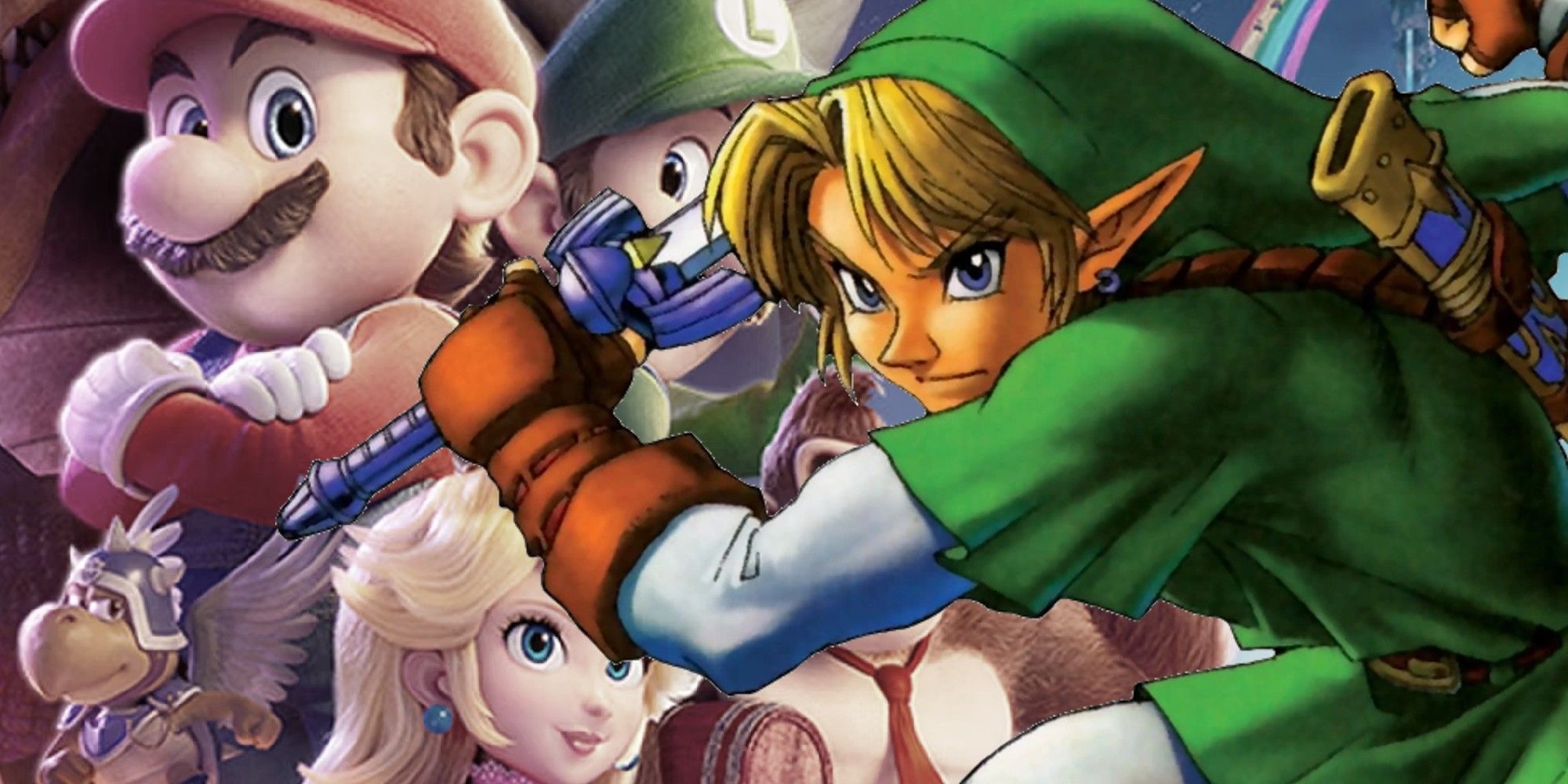
Yes, a live-action The Legend of Zelda movie is officially in development. Nintendo and Sony Pictures Entertainment are collaborating on the project, with Wes Ball attached to direct and Shigeru Miyamoto and Avi Arad serving as producers.
The announcement that Nintendo was officially moving forward with a live-action adaptation of one of its most enduring intellectual properties sent shockwaves through the gaming and cinematic communities. For decades, fans had debated whether Link, Zelda, and the sprawling kingdom of Hyrule could successfully transition from interactive console software to a major Hollywood feature film. Following the massive box-office success of The Super Mario Bros. Movie, Nintendo altered its corporate strategy regarding intellectual property licensing, moving from distant studio oversight to deep, hands-on creative control. This shift opened the floodgates for a cinematic adaptation of The Legend of Zelda, an undertaking that carries immense expectations, technical challenges, and high financial stakes for both Nintendo and Sony Pictures.
The Official Announcement and Production Partnership
Rumors regarding a Legend of Zelda film or television series had circulated for years, fueled by a leaked, cancelled Netflix project and various industry whispers. However, the definitive confirmation arrived via official channels from Nintendo. On November 7, 2023, Nintendo posted a formal corporate notice confirming that development had officially begun on a live-action film adaptation of The Legend of Zelda.
The announcement highlighted a partnership that combined Nintendo’s creative treasure trove with Sony Pictures Entertainment's substantial cinematic infrastructure. Shigeru Miyamoto, the legendary creator of Mario, Zelda, and Donkey Kong, was named as a producer alongside Avi Arad, a veteran film producer known for overseeing numerous high-profile comic book adaptations and blockbuster franchises, including the Spider-Man series.
Sony Pictures Entertainment will co-finance the film alongside Nintendo, with Nintendo funding more than 50 percent of the production costs. Furthermore, Sony Pictures will handle the worldwide theatrical distribution of the movie. This financial and operational arrangement ensures that Nintendo retains strict veto power and quality control over the final product—a lesson learned from the infamous 1993 Super Mario Bros. live-action film, which was produced entirely by Hollywood studios without meaningful creative input from Nintendo's core designers.
Key Creative Personnel Behind the Project
Selecting the right creative team is critical for translating a silent protagonist like Link and a high-fantasy world like Hyrule into a compelling cinematic narrative. Nintendo and Sony assembled a production team with a blend of blockbuster experience and distinct visual storytelling sensibilities.
Wes Ball as Director
Wes Ball was tapped to direct the live-action adaptation. Ball is best known for directing the Maze Runner trilogy and 20th Century Studios' Kingdom of the Planet of the Apes. His background demonstrates a strong aptitude for directing large-scale, special-effects-heavy science fiction and fantasy adventures, managing complex world-building, and maintaining narrative pacing across feature films. In interviews following his appointment, Ball expressed a lifelong fandom for The Legend of Zelda, emphasizing his desire to create a serious, authentic fantasy adventure that captures the sense of wonder inherent in exploring Hyrule.
Production and Writing Leadership
Shigeru Miyamoto's direct involvement ensures that the film adheres to Nintendo's core design philosophies: player (or viewer) immersion, emotional resonance, and timeless charm. Alongside Miyamoto, Avi Arad brings decades of Hollywood production expertise through Arad Productions.
While initial production announcements confirmed the director and producers, details regarding the screenwriter have evolved through industry trade reports. Screenwriters with experience in fantasy and high-concept adventure films have been looped into the project to draft a script capable of balancing the mythic, sweeping lore of the franchise with a character-driven narrative arc.
| Project Role | Personnel / Entity | Primary Responsibility |
|---|---|---|
| Co-Producer | Shigeru Miyamoto (Nintendo) | Creative oversight, brand protection, and adherence to source material |
| Co-Producer | Avi Arad (Arad Productions) | Hollywood production logistics, financing coordination, and studio management |
| Director | Wes Ball | Visual direction, set-piece execution, and overall cinematic tone |
| Co-Financier / Studio | Nintendo & Sony Pictures | Funding, global theatrical distribution, and marketing execution |
Live-Action Format Versus Animation
One of the most heavily discussed aspects of the initial announcement was the decision to make the film live-action rather than animated. Given the staggering success of Illumination and Nintendo's animated The Super Mario Bros. Movie, many industry analysts and fans initially assumed that The Legend of Zelda would follow the same vibrant, animated route.
However, Nintendo and Miyamoto deliberately chose a live-action approach. This decision presents unique artistic and technical hurdles. Unlike Mario, whose world is cartoonish and plastic, Hyrule demands a sense of historical weight, environmental realism, and tangible scale. A live-action adaptation allows the filmmakers to utilize physical sets, intricate costume design, and advanced practical effects blended with state-of-the-art computer-generated imagery (CGI) to render iconic elements like the Triforce, Master Sword, and monsters such as Moblins and Gorons.
The choice of live-action also signals an older, more epic target demographic. While the film is expected to remain accessible to families, the aesthetic and narrative tones of games like Ocarina of Time, Twilight Princess, Breath of the Wild, and Tears of the Kingdom lean heavily toward traditional high-fantasy epics, akin to The Lord of the Rings trilogy.
Narrative Direction and Source Material Dilemma
The Legend of Zelda franchise spans nearly forty years, comprising dozens of titles with vastly different chronological placements, artistic styles, and narrative tones. Because the franchise famously utilizes a reincarnation cycle—where different eras feature different iterations of Link, Princess Zelda, and the antagonist Ganon—choosing which specific game or timeline to adapt has been a major subject of speculation.
Nintendo has not yet officially specified whether the film will adapt a specific existing game, such as the original 1986 Nintendo Entertainment System classic, the seminal Ocarina of Time, or the open-air survival narrative of Breath of the Wild. Alternatively, the film could construct an original story that draws elements, lore, and aesthetic motifs from across the entire series canon.
Adapting a franchise where the main protagonist traditionally does not speak presents a distinct storytelling challenge. In the games, Link serves as a silent avatar for the player, reacting to events through physical gestures and expressions rather than spoken dialogue. Translating a silent protagonist to a feature-length cinematic format requires either giving Link a voice—which risks alienating purist fans—or utilizing clever narrative framing where communication occurs largely through non-verbal cues, supporting characters, and Princess Zelda's perspective.
Production Timeline and Development Status
Film production in Hollywood is a notoriously lengthy and iterative process, particularly for major intellectual properties involving multiple corporate stakeholders. Development on the Legend of Zelda movie began accelerating following the formal announcement in late 2023.
Because pre-production, visual effects design, script refinement, and casting take several years for a high-budget fantasy film, the project requires an extended runway before hitting theater screens. Nintendo's leadership has repeatedly emphasized that they are willing to take their time to ensure the movie meets their rigorous quality standards, avoiding rushed production schedules that could compromise the final artistic output.
During corporate financial briefings, Nintendo executives have reaffirmed their commitment to the project, noting that development is progressing steadily under the watchful eye of Miyamoto and the production team at Sony Pictures.
Frequently Asked Questions
Who is directing the Legend of Zelda movie?
Wes Ball is directing the live-action The Legend of Zelda movie. Ball is widely recognized for his work on the Maze Runner trilogy and Kingdom of the Planet of the Apes, bringing extensive experience in directing large-scale, effects-driven fantasy and science-fiction epics.
Is the Zelda movie animated or live-action?
The film is officially confirmed to be a live-action adaptation. While Nintendo successfully released the animated The Super Mario Bros. Movie, the creative team deliberately chose a live-action format to capture the grounded, epic fantasy scale of the kingdom of Hyrule.
Which game will the Zelda movie be based on?
Nintendo has not yet revealed whether the movie will adapt a specific title from the franchise timeline, such as Ocarina of Time or Breath of the Wild, or if it will feature an original storyline that draws inspiration and lore elements from across the entire series history.
Who is financing and distributing the movie?
The film is being co-financed by Nintendo and Sony Pictures Entertainment, with Nintendo funding more than half of the budget. Sony Pictures will manage the worldwide theatrical distribution of the finished film.
When will the Legend of Zelda movie be released?
Nintendo has not announced a specific theatrical release date. Given the intensive pre-production, visual effects requirements, and casting processes associated with a major live-action fantasy film, the project remains in active development with no finalized launch window.
Next Actions and Staying Informed
For fans and industry followers tracking the progress of the Legend of Zelda movie, the best approach is to monitor official announcements directly from Nintendo’s corporate investor relations channels and verified social media accounts. Because unauthorized rumors, casting wish-lists, and fake trailers frequently circulate online, relying on official press releases from Nintendo and statements from Shigeru Miyamoto remains the only way to verify concrete production milestones, casting announcements, and eventual release dates.