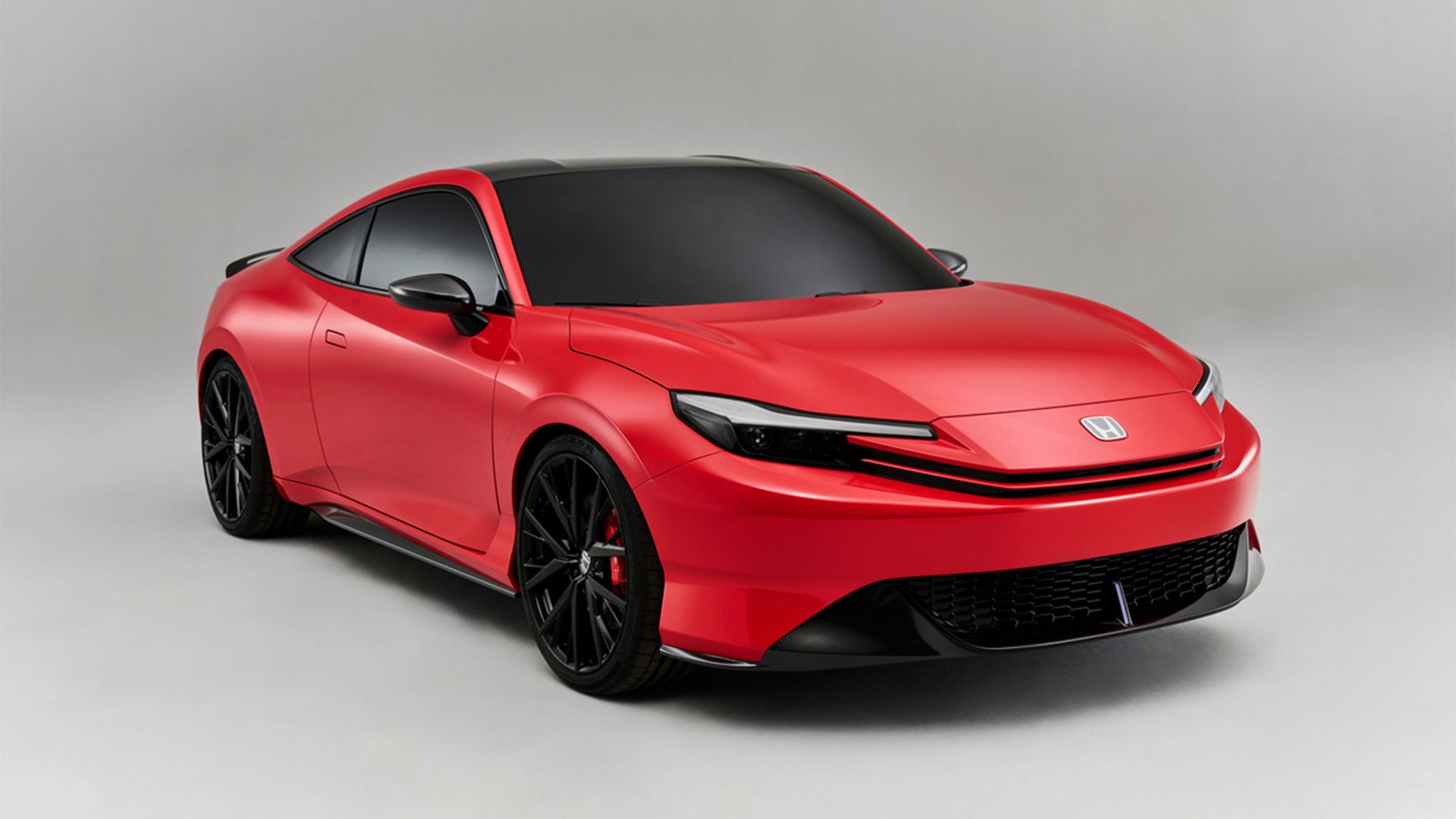
Purchasing an all-wheel-drive (AWD) 2-door car is worth it if you require a blend of high-performance traction and year-round daily usability in various weather conditions. While these vehicles offer superior acceleration and wet-weather stability, they often carry a higher price tag, increased weight, and slightly lower fuel efficiency than their rear-wheel-drive counterparts.
Understanding the AWD 2-Door Niche in 2026
The automotive landscape of 2026 presents a unique intersection of traditional internal combustion engine (ICE) engineering and rapid electrification. For decades, the 2-door coupe was defined by rear-wheel drive (RWD), a layout prized by enthusiasts for its purity of steering and balanced weight distribution. However, as engine outputs have climbed and consumer demand for "do-it-all" vehicles has increased, all-wheel drive has transitioned from a specialized option to a dominant configuration in the luxury and performance segments.
An AWD 2-door car—ranging from grand tourers to dedicated sports cars—utilizes a drivetrain that can send power to all four wheels simultaneously or adaptively. In 2026, this is achieved through either mechanical transfer cases and driveshafts or, increasingly, through dual-motor electric setups where the front and rear axles are powered independently by electricity. Deciding if this configuration is "worth it" requires an analysis of your geographic location, your driving style, and your willingness to accept specific mechanical trade-offs.
The Performance Advantage: Traction and Launch
The most immediate benefit of an AWD system in a 2-door car is the ability to put power to the ground. In a high-horsepower RWD car, the rear tires often struggle for grip during hard acceleration, leading to wheel spin or the intervention of electronic stability control. AWD mitigates this by distributing the engine's torque across four contact patches instead of two.
Superior Off-the-Line Acceleration
For many buyers, the appeal of AWD lies in its "stoplight-to-stoplight" performance. Modern AWD systems, such as Porsche’s Traction Management (PTM) or BMW’s xDrive, use sophisticated sensors to detect slip before it happens. By the time the driver mashes the throttle, the system has already optimized power delivery, resulting in 0-60 mph times that are often several tenths of a second faster than RWD versions of the same model.
Mid-Corner Stability and Exit Speed
While purists often argue that AWD can lead to understeer (the tendency of the car to push straight rather than turn), 2026-era torque vectoring has largely solved this issue. These systems can send more power to the outside rear wheel during a turn, effectively "rotating" the car into the corner. This allows drivers to apply the throttle earlier when exiting a turn, providing a level of confidence and speed that RWD cars can only match in perfect conditions.
All-Weather Usability: The Four-Season Sports Car
For those living in the "Snow Belt" or regions with high annual rainfall, an AWD 2-door car is often the difference between a vehicle that stays in the garage for five months a year and one that serves as a reliable daily driver.
Winter Performance
When equipped with appropriate winter tires, an AWD coupe can outperform many 4WD SUVs in terms of braking and handling on icy roads, thanks to its lower center of gravity. The AWD system provides the necessary forward motivation to get out of unplowed driveways or navigate slushy highway inclines. However, potential buyers must remember that AWD helps you go, but it does not help you stop. Braking performance remains a function of tire grip and vehicle weight.
Wet Weather Confidence
Hydroplaning and loss of traction on wet pavement are significant risks for lightweight, high-power 2-door cars. An AWD system provides a safety net by maintaining power delivery to the wheels with the most grip. For a commuter who needs to navigate rain-slicked highways frequently, the psychological peace of mind offered by AWD is often worth the premium price alone.
The Trade-offs: Weight, Complexity, and Efficiency
No automotive feature comes without a compromise. To determine if an AWD 2-door car is worth buying, you must weigh the performance gains against the inherent disadvantages of the hardware.
The "Weight Penalty"
Mechanical AWD systems add significant hardware to a vehicle, including a front differential, a transfer case, and additional half-shafts. This typically adds between 150 and 300 pounds to the vehicle’s curb weight. In a 2-door sports car, where agility is a primary selling point, this extra mass can be felt in the steering and during rapid transitions. It can make the car feel more "planted" but less "flickable."
Fuel Economy and Range
The extra weight and the mechanical friction of spinning more drivetrain components inevitably lead to a decrease in efficiency. For ICE vehicles, this usually results in a loss of 1–3 miles per gallon (MPG). For electric 2-door cars in 2026, the dual-motor AWD setup might offer better performance, but the added weight and power draw can slightly reduce the total battery range compared to a single-motor RWD variant.
Maintenance Costs
More moving parts mean more potential points of failure. AWD systems require additional fluid changes (differential and transfer case oil) and can lead to uneven tire wear if the alignment is not meticulously maintained. Furthermore, if one tire suffers a non-repairable puncture, many AWD manufacturers recommend replacing all four tires simultaneously to prevent damage to the center differential caused by mismatched tire diameters.
Economic Comparison: RWD vs. AWD (2026 Market Estimates)
The following table outlines the general differences a buyer can expect when choosing between an AWD and RWD version of a premium 2-door coupe in the current 2026 market.
| Feature | RWD 2-Door Coupe | AWD 2-Door Coupe | Impact on Value |
|---|---|---|---|
| Average Price Premium | Base MSRP | +$2,500 to +$5,000 | Higher initial investment |
| Curb Weight | Lighter (Reference) | +150–300 lbs | Impacts agility and braking |
| 0-60 MPH Time | Standard | 0.2–0.5 seconds faster | Significant performance boost |
| Fuel Efficiency | 24–28 MPG (Combined) | 21–25 MPG (Combined) | Higher long-term fuel costs |
| Tire Maintenance | Pair replacement possible | Four-tire replacement recommended | Increased maintenance cost |
| Resale Value | Moderate | Higher (especially in cold climates) | Better capital retention |
The 2026 Resale Value Perspective
In the 2026 used car market, AWD 2-door cars generally command a higher resale price and sell faster than RWD versions. This is primarily due to their broader appeal. While a RWD enthusiast car appeals to a specific niche of driving purists, an AWD coupe appeals to both the performance seeker and the practical commuter.
In regions like the Northeast United States, Canada, and Northern Europe, a RWD sports car is often viewed as a "luxury toy," whereas an AWD version is seen as a viable primary vehicle. If you plan to trade in or sell your vehicle within 3 to 5 years, you will likely recoup a significant portion of the initial AWD premium.
Suitability: Is it Right for You?
The "worth" of an AWD 2nd-door car depends heavily on your specific use case.
You should buy an AWD 2-door car if:
- You live in a climate with frequent rain, snow, or ice.
- You prioritize "stoplight" acceleration and effortless speed over "purity" of steering.
- You want a single car that can handle both a weekend track day and a Monday morning commute in the rain.
- You are looking at high-output models where RWD traction would be insufficient to manage the torque.
You should stick with RWD if:
- You live in a warm, dry climate (e.g., Southern California, Arizona, Florida).
- You are a driving purist who values the lightest possible curb weight and uncorrupted steering feel.
- You are on a stricter budget and want to avoid the $3,000+ AWD premium and higher insurance costs.
- You primarily use your 2-door car as a secondary weekend vehicle rather than a daily driver.
Mechanical Considerations and Ground Clearance
A common mistake buyers make is assuming that AWD makes a car "off-road capable" or immune to deep snow. Even with AWD, a 2-door car usually has a low ground clearance (often 4 to 6 inches). If the snow is deeper than the car's front bumper, the vehicle will "high-center," meaning the wheels will lose contact with the ground as the underbody rests on the snow.
Before buying, check the specific AWD implementation. Some systems are "part-time," meaning they only engage the front wheels when the rears slip. More advanced systems are "permanent" or "rear-biased," which preserves the sporty feel of the car while providing the security of AWD. In 2026, many manufacturers have moved toward the rear-biased proactive system, which uses predictive algorithms to engage all four wheels before the driver even realizes traction is low.
Frequently Asked Questions
Does AWD make a 2-door car safer?
AWD primarily improves active safety by providing better traction during acceleration and more stability while cornering on slippery surfaces. This can help a driver avoid an accident by maintaining control. However, it does not improve the car's ability to stop. According to the Insurance Institute for Highway Safety (IIHS), crash protection is more a function of vehicle structure and safety tech (like AEB) than the drivetrain.
Are insurance rates higher for AWD 2-door cars?
Yes, generally. Insurance companies often charge higher premiums for AWD vehicles because they are more expensive to repair if the drivetrain is damaged in a collision. Additionally, because AWD coupes are often marketed as high-performance vehicles, insurers may categorize them in a higher risk bracket.
Can I track an AWD 2-door car?
Absolutely. Many of the fastest production cars around tracks like the Nürburgring are AWD (e.g., the Nissan GT-R, Porsche 911 Turbo, and Audi R8). While they may have a different handling characteristic—requiring a "slow in, fast out" approach to corners—they are incredibly capable track machines.
Do I still need winter tires with AWD?
Yes. AWD only helps with acceleration. For turning and stopping on ice or snow, the rubber compound and tread pattern of a winter tire are essential. An AWD car on summer performance tires is significantly more dangerous in winter than a RWD car on proper winter tires.
Is the maintenance significantly different?
The main difference is the requirement for differential fluid changes and the stricter rules regarding tire replacement. You must ensure all four tires are of the same brand, model, and roughly the same tread depth to avoid putting mechanical strain on the AWD system's center differential or clutch pack.
Final Recommendation
In 2026, an AWD 2-door car represents the ultimate "no-compromise" vehicle for the modern driver. If you can afford the $3,000 to $5,000 price premium and the minor increase in fuel consumption, the benefits of all-weather confidence and blistering acceleration make it a superior choice for a daily driver. However, if your driving is restricted to fair weather and you value the traditional, lightweight dynamics of a classic sports car, the RWD version remains the more focused and cost-effective tool. For the majority of buyers, the added versatility and higher resale value make the AWD configuration a worthwhile investment.