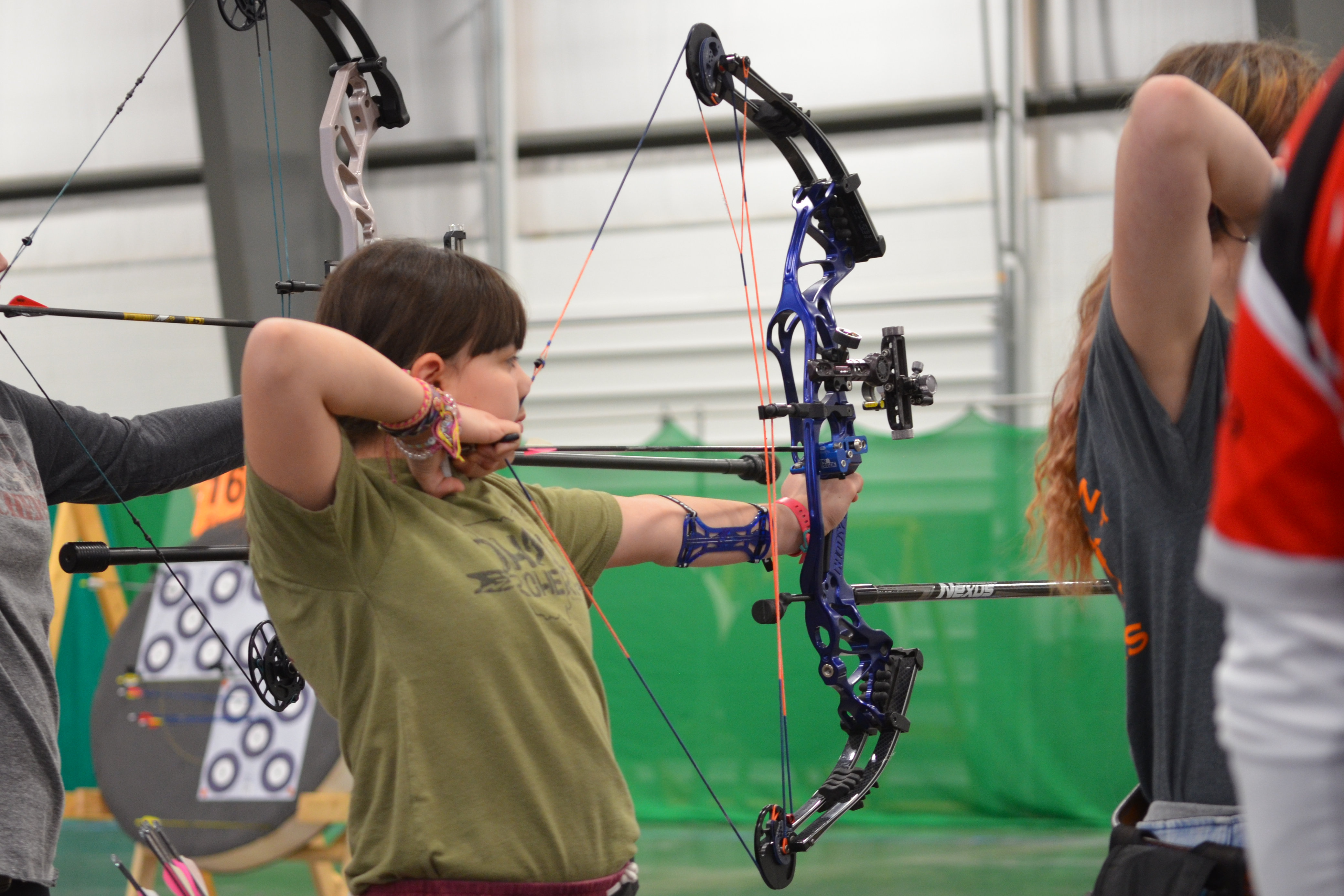
An archery learning center provides a structured environment where individuals can acquire marksmanship skills through professional coaching, standardized safety protocols, and access to specialized equipment. These facilities cater to all levels, from beginners seeking their first experience to competitive athletes refining their technique under the National Training System (NTS) guidelines.
Finding the right archery learning center is the most critical step for anyone interested in the sport. Unlike self-taught practice, a dedicated learning center offers a controlled environment where safety is the priority and bad habits are corrected before they become muscle memory. As of 2026, the landscape of archery instruction has evolved to include sophisticated biomechanical analysis and inclusive programming designed for diverse physical abilities. This guide explores how to evaluate a center, what to expect from the curriculum, and the costs associated with starting this discipline.
The Role of a Specialized Archery Learning Center
A high-quality archery learning center serves as more than just a shooting range. It is an educational institution focused on the mechanics of the sport, the physics of equipment, and the mental discipline required for consistency. While many retail bow shops have small ranges, a true learning center prioritizes instruction over sales.
The primary benefit of a learning center is the presence of certified instructors. In the United States, certifications typically follow the USA Archery hierarchy, ranging from Level 1 (basic instruction) to Level 5 (elite national coaching). A dedicated center ensures that every session is supervised by someone who understands not only how to shoot but how to teach the biomechanics of the shot cycle. This reduces the risk of repetitive strain injuries, which are common among archers who use improper form or excessively heavy draw weights.
Furthermore, learning centers provide "fleet" equipment. Beginners should never purchase a bow before their first lesson. Centers stock various sizes of recurve and compound bows with light draw weights, allowing students to focus on form without struggling against the tension of the string. This accessibility lowers the barrier to entry, allowing people to test different styles of archery—such as Olympic recurve, compound, or traditional—before making a financial commitment.
Evaluating Curriculums and Program Tiers
Most reputable archery learning centers structure their education into specific tiers. This allows students to progress at a natural pace while ensuring they master foundational safety and technique before moving to advanced distances or equipment.
Introductory Workshops and "Try Archery" Sessions
These are typically one-time, 60- to 90-minute sessions designed for those with zero experience. The goal is simple: get the student on the line, explain basic safety, and help them land arrows on a target at a short distance (usually 5 to 10 meters). In 2026, most centers use these sessions as a prerequisite for their longer foundational courses.
Foundational Courses (Level 1)
Foundational courses usually run for four to six weeks. During this time, students learn the "Step-by-Step" process, which includes stance, nocking the arrow, hook and grip, posture, anchor point, and follow-through. These courses often include classroom time to discuss the parts of the bow, arrow dynamics, and range etiquette.
Intermediate and Achievement Programs
Once the basics are mastered, students move into programs like the Junior Olympic Archery Development (JOAD) for youth or the Adult Archery Achievement program. These programs use a "pin" or "lanyard" system where archers earn awards for hitting specific score benchmarks at increasing distances. This gamified approach keeps students motivated and provides a clear roadmap for improvement.
Elite Coaching and Competitive Tracks
For those looking to compete at the state or national level, learning centers offer private coaching and high-performance teams. These sessions often involve video analysis, where instructors use high-speed cameras to break down a student's shot cycle frame by frame. In 2026, many top-tier centers also integrate wearable sensors that track heart rate and muscle activation to optimize the archer’s "hold" at full draw.
Safety Protocols and Range Etiquette
Safety is the absolute cornerstone of any archery learning center. The facility must adhere to strict visual and auditory signaling systems to manage the "shooting line" and the "waiting line."
The standard whistle system is the most common method of communication on the range:
- Two Whistle Blasts: "Proceed to the Shooting Line." Archers may pick up their bows and stand at the line but may not nock an arrow.
- One Whistle Blast: "Begin Shooting." Archers may nock arrows and begin their shot cycle.
- Three Whistle Blasts: "Retrieve Arrows." All bows must be placed on racks, and archers may walk downrange to pull their arrows from the targets.
- Four or More Blasts (Rapidly): "Cease Fire." This is an emergency signal. Everyone must immediately stop shooting, un-nock their arrow, and return it to their quiver.
Beyond the whistle system, a professional center will have clearly marked safety zones. There should be a "spectator line" well behind the waiting line to prevent distractions and ensure that no one wanders into the path of a bow being drawn. The "overshoot" area behind the targets must be secured with high-impact netting or thick specialized curtains designed to stop stray arrows.
Equipment and Technology in 2026
Modern archery learning centers have moved beyond simple hay bales and wooden bows. The integration of technology has made the sport more precise and accessible.
Digital Scoring Systems: Many centers now utilize tablet-based scoring. Instead of paper tallies, students enter their hits into an app that tracks their progress over months or years. This data allows instructors to identify patterns—such as a tendency for arrows to drift low-left during the final end of a session—which might indicate physical fatigue or a specific form flaw.
Simulators and Virtual Reality: Some advanced learning centers use projection-based simulators for "target panic" therapy and situational training. These systems allow archers to practice their shot cycle in a controlled indoor environment while aiming at virtual 3D targets, providing a bridge between indoor target archery and field or 3D archery.
Adaptive Equipment: In 2026, inclusivity is a major focus. Leading centers provide adaptive equipment for archers with physical disabilities. This includes mouth tabs for those who cannot use their hands, specialized release aids, and wheelchair-accessible shooting lanes. A high-quality learning center will have at least one instructor trained in adaptive archery techniques.
Cost Analysis and Membership Models
The cost of attending an archery learning center varies based on the level of instruction and the region. However, standard pricing models for 2026 provide a reliable benchmark for budgeting.
| Program Type | Typical Duration | Estimated Cost (USD) | Equipment Included? |
|---|---|---|---|
| Introductory Session | 90 Minutes | $35 – $55 | Yes |
| Foundational Course | 6 Weeks (1hr/week) | $180 – $250 | Yes |
| JOAD / Adult Club | Monthly Membership | $80 – $150 | No (Usually expected to own) |
| Private Coaching | 60 Minutes | $75 – $130 | No |
| Range Pass (Member) | Daily / Unlimited | $15 – $30 / day | No |
Many centers offer membership tiers. A "Full Membership" often includes unlimited range time, discounts on classes, and access to equipment lockers. For those who have progressed to owning their own equipment, lockers are a significant convenience, as transporting 30-to-60-inch bow cases can be cumbersome.
It is important to note that while the center provides equipment for beginners, students moving into competitive or intermediate tracks are encouraged to purchase their own. A mid-range Olympic recurve setup in 2026 typically costs between $600 and $1,200, while a competitive compound bow setup can range from $1,000 to $2,500.
How to Choose the Right Archery Learning Center
When selecting a facility, do not rely solely on proximity. A 30-minute drive to a superior center is often more beneficial than a 5-minute drive to a subpar range. Use the following checklist to evaluate potential centers:
- Certification Verification: Ask if the instructors are certified through USA Archery or an equivalent national governing body. Specifically, look for Level 3 or higher instructors for intermediate progress.
- Facility Cleanliness and Organization: A well-maintained range is a safer range. Look for organized equipment racks, clear floor markings, and targets that are in good repair (not "shot out" or falling apart).
- Instructor-to-Student Ratio: For beginner classes, the ratio should ideally not exceed 1:8. Any higher, and the instructor cannot provide the individual attention necessary to ensure safe form.
- Available Disciplines: Ensure the center supports the style of archery you are interested in. Some facilities are strictly "Target Recurve," while others may have a stronger focus on "3D Compound" or "Traditional/Barebow."
- Trial Availability: A reputable center should allow you to observe a class or take a low-cost introductory lesson before committing to a multi-week program.
The Psychological and Physical Benefits of Structured Training
Archery is often described as "active meditation." The structured training found at a learning center emphasizes the mental aspect of the sport. Students are taught to focus on their breathing and to clear their minds of external distractions. This mental discipline often translates into improved focus in other areas of life, such as academics or professional work.
Physically, archery builds core strength, stability, and upper-body endurance. While it may not appear as strenuous as contact sports, the repetitive drawing of a bow requires significant engagement of the latissimus dorsi, rhomboids, and deltoids. A learning center ensures that these muscles are developed symmetrically. Without professional guidance, many archers tend to over-rely on their arm muscles rather than their back muscles, leading to faster fatigue and lower accuracy.
Frequently Asked Questions
What is the minimum age to start at an archery learning center?
Most centers accept students starting at age 8. At this age, children typically have the physical coordination and, more importantly, the maturity to follow strict safety commands. Some centers offer "soft archery" programs for children as young as 5, using foam-tipped arrows and plastic bows to teach the basic motions.
Do I need to buy my own bow before my first lesson?
No. In fact, most instructors strongly advise against it. Learning centers provide equipment that is matched to your initial strength and draw length. Once you have developed consistent form—usually after 2 to 3 months of regular shooting—your instructor can help you select a bow that fits your specific measurements and goals.
Is archery a safe sport for people with back or shoulder issues?
Archery can be safe, but it requires a consultation with both a medical professional and a certified coach. Because archery is a high-repetition sport involving the shoulders and upper back, proper form is essential to avoid aggravating existing injuries. A skilled coach can often adjust your draw weight and technique to accommodate physical limitations.
How long does it take to become "good" at archery?
Consistency is key. Most students can hit a 60cm target at 10 meters with reasonable accuracy after their first 6-week course. Reaching a competitive level where you can consistently hit the "gold" (the center of the target) at 18 meters or more typically takes 12 to 18 months of practice at least twice a week.
Can I practice at an archery learning center if I am a traditional/primitive archer?
Yes, most centers welcome traditional archers (longbow and recurve without sights). However, some indoor centers have restrictions on certain types of wooden arrows if they are not properly capped, as they can damage target butts or cause splinters. Always check the range's specific equipment rules before bringing your own gear.
Does archery training count as a "workout"?
While it won't replace high-intensity interval training, a two-hour archery session involves significant caloric burn and muscle engagement. Drawing a 30-pound bow 100 times in a session means you have moved 3,000 pounds of cumulative weight. Additionally, the walking back and forth to retrieve arrows can add up to several miles over a long practice session.
Next Steps for Aspiring Archers
To begin your journey, research local archery learning centers and look for those designated as "USA Archery Member Clubs." Schedule an introductory "Try Archery" session to get a feel for the facility and the coaching style. Once you have completed an intro session, enroll in a multi-week foundational course to build a solid technical base. Resist the urge to purchase equipment until you have completed at least one full course and received a formal "fitting" from your instructor. By following a structured path at a professional learning center, you will ensure a safer, more rewarding experience in the sport of archery.