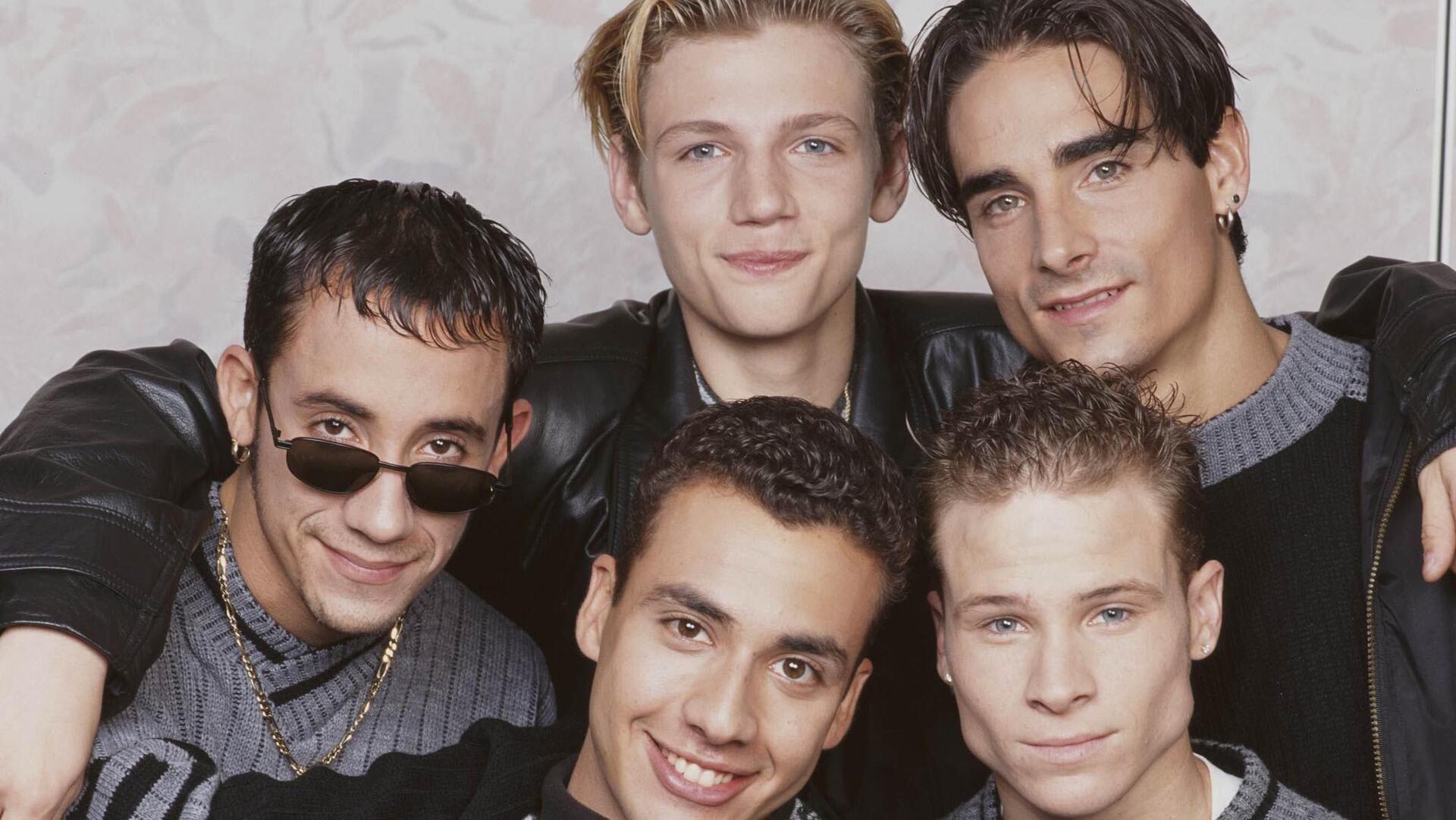
An American boy band is a vocal-centric group of young male singers, typically curated by talent managers or record labels to appeal to a youth demographic. These groups emphasize tight vocal harmonies, synchronized choreography, and distinct member personas. From the soul-infused 1960s to the tech-driven 2026 landscape, they remain a cornerstone of global pop culture.
Defining the American Boy Band Framework
The concept of the "boy band" is often misunderstood as a modern marketing invention. However, the American boy band is a specific entertainment entity rooted in the history of vocal harmony and theatrical performance. Unlike traditional bands, boy bands are characterized by the fact that members generally do not play instruments on stage, focusing instead on vocal delivery and visual performance.
In the contemporary context of 2026, the definition has expanded. While the core elements—youthful appeal, high-energy production, and a dedicated fanbase—remain, the "American" aspect now encompasses a broader range of cultural influences, reflecting the diversity of the United States. The business model traditionally involves a Svengali-like figure (a manager or producer) who assembles the group through rigorous auditions, though modern groups are increasingly forming organically through social media platforms.
The technical requirements for a successful American boy band include:
- Vocal Archetypes: A blend of tenors, baritones, and usually one member capable of high falsetto or "power notes."
- Persona Distribution: Strategic branding where each member fills a specific "trope" (e.g., the "bad boy," the "heartthrob," or the "shy one") to maximize demographic reach.
- Choreographic Precision: High-level dance routines that complement the rhythmic structure of pop and R&B music.
- Synchronized Visual Identity: Coordinated fashion and aesthetic choices that evolve with each album cycle.
From Motown to Modernity: Historical Foundations
The lineage of the American boy band begins long before the term was coined. In the 1950s and 60s, vocal groups like The Temptations and The Four Tops set the standard for choreography and harmony. However, The Jackson 5 is widely considered the true prototype. Emerging from Gary, Indiana, they combined youthful energy with immense technical skill, proving that a group of young brothers could dominate the mainstream charts and create a frenzy known as "Jacksonmania."
In the 1960s, The Monkees introduced the concept of the manufactured group for television. While they eventually fought for creative control, their initial success demonstrated the power of multimedia synergy—a lesson that would be vital for future groups like the Jonas Brothers or Big Time Rush.
The 1980s saw a pivotal shift with the emergence of New Edition. Formed in Boston, they transitioned the boy band sound from Motown-style soul to contemporary R&B. Their success provided the blueprint for producer Maurice Starr to create New Kids on the Block (NKOTB). NKOTB was a watershed moment in American music history; they were the first modern boy band to achieve massive commercial success through a sophisticated merchandising machine, selling everything from lunchboxes to bedsheets, a strategy that is still utilized in 2026.
The Golden Era: Backstreet Boys and NSYNC
The late 1990s and early 2000s are often referred to as the "Golden Era" of American boy bands. This period was dominated by the Orlando-based "teen pop" explosion, spearheaded by manager Lou Pearlman. The Backstreet Boys (BSB) and NSYNC became the two most significant entities in this space, defining the sonic landscape of the turn of the millennium.
The Backstreet Boys, formed in 1993, relied heavily on sophisticated European production (notably from Max Martin and Denniz Pop). Their album Millennium (1999) shattered sales records, moving over 1.1 million copies in its first week. Their technical strength lay in their five-part harmonies, which were more robust than many of their contemporaries.
NSYNC, appearing shortly after, brought a higher emphasis on athletic choreography and beatboxing. Their 2000 album No Strings Attached set a record for first-week sales (2.4 million copies) that stood for fifteen years. This era highlighted the "rivalry" dynamic, which fueled fan engagement and record sales. This period also saw the rise of groups like 98 Degrees, who leaned into a more "adult contemporary" R&B sound, and LFO, who blended pop with hip-hop elements.
The Business Model: Management and Manufacture
The creation of an American boy band is traditionally a high-capital investment. Labels and managers view these groups as brands rather than just musical acts. The process typically follows a specific lifecycle:
- Casting and Development: Managers hold national casting calls, looking for specific "looks" and vocal ranges. In the 2020s, this has shifted toward scouting talent on TikTok and Instagram, where an existing following acts as proof of concept.
- The Boot Camp Phase: Selected members undergo intensive training in dance, media relations, and vocal technique. This period ensures the group can function as a cohesive unit.
- The Branding Launch: A "lead single" is released, usually accompanied by a high-budget music video. The goal is to establish the group's "identity" immediately.
- Monetization Beyond Music: Tours, meet-and-greets, and merchandise often generate more revenue than streaming royalties. In 2026, virtual reality (VR) "private concerts" and digital assets have become standard revenue streams for top-tier groups.
The financial structure of these groups has historically been a point of contention. Many early boy bands were signed to "360 deals," which granted labels a percentage of all income streams. Legal battles, such as those involving the Backstreet Boys and NSYNC against Lou Pearlman, highlighted the risks of exploitation within the industry.
Comparative Overview of Iconic American Boy Bands
The following table outlines key characteristics of the most influential American boy bands through the decades.
| Group Name | Era of Peak Success | Signature Sound | Major Achievement |
|---|---|---|---|
| The Jackson 5 | 1960s–1970s | Soul / Bubblegum Pop | First act to debut four consecutive #1 hits |
| New Kids on the Block | Late 1980s | Pop / R&B | Pioneered modern boy band merchandising |
| Backstreet Boys | Late 1990s–Present | Pop / Vocal Harmony | Best-selling boy band of all time (100M+ records) |
| NSYNC | Late 1990s–2000s | Dance-Pop / R&B | Set the 2.4 million first-week sales record |
| Jonas Brothers | 2000s / 2020s | Pop Rock | Successfully transitioned from Disney stars to adult artists |
| Brockhampton | 2010s–2020s | Experimental Hip-Hop | Redefined "boy band" as a self-produced creative collective |
The 2010s Resurgence and the K-Pop Influence
The 2010s witnessed a brief lull in the traditional American boy band model before the Jonas Brothers returned and groups like Big Time Rush gained traction through television. However, the most significant shift during this decade was the global rise of K-pop. Groups like BTS and EXO redefined the technical standards for choreography and fan interaction.
American labels responded by attempting to create "global" groups based in the U.S. that incorporated K-pop's rigorous training methods. This led to a more diverse landscape where the "American" boy band began to look and sound more international. Furthermore, groups like Brockhampton challenged the traditional definition. Identifying as a boy band but operating as an independent hip-hop collective, they proved that the label could be used subversively to attract a more alternative audience.
The State of the Industry in 2026
As of 2026, the American boy band has undergone a digital transformation. The "manufactured" stigma has largely faded, replaced by an appreciation for the high-level performance skills required to compete in a saturated market.
Key trends in 2026 include:
- Short-Form Content Mastery: Groups are now designed for "viral moments." Music production prioritizes 15-second hooks that translate well to social media platforms.
- Direct-to-Fan Economy: Platforms like Patreon and Discord allow boy bands to bypass traditional media, creating "inner circles" for their most dedicated fans.
- The "Nostalgia Circuit": Legacy groups like NKOTB and Backstreet Boys continue to sell out arenas in 2026, proving that the boy band fanbase is multi-generational. Mothers who were fans in the 90s now attend concerts with their children.
- AI and Virtual Members: Some American labels have experimented with hybrid groups featuring both human and AI-generated members, though vocal-centric harmony remains the primary draw for human-led groups.
Challenges and Mental Health Considerations
The boy band trajectory is notoriously difficult for its members. The transition from a "teen idol" to a respected solo artist or adult performer is fraught with obstacles. Industry veterans have increasingly spoken out about the toll of constant touring, lack of privacy, and the pressure to maintain a specific image.
In 2026, record labels have faced increased scrutiny regarding the mental health and contractual rights of young performers. Modern contracts are more likely to include clauses for mental health breaks and creative input, a significant shift from the restrictive agreements of the 1990s. The "graduate" model—where a group member like Justin Timberlake or Harry Styles successfully transitions to a solo career—remains the ultimate goal for many, but the industry now places more value on the longevity of the group as a collective brand.
Frequently Asked Questions
What is the difference between a vocal group and a boy band?
While all boy bands are vocal groups, not all vocal groups are boy bands. The distinction usually lies in the target demographic and the "manufactured" nature of the group. Boy bands are specifically marketed to a youth audience and usually incorporate synchronized dance and member "archetypes," whereas vocal groups (like Boyz II Men or Pentatonix) focus more exclusively on vocal arrangement and technical harmony.
Who is the most successful American boy band in history?
By strictly commercial metrics, the Backstreet Boys hold the title of the best-selling boy band of all time, with over 100 million records sold worldwide. However, The Jackson 5 and New Kids on the Block are often cited as the most influential in terms of pioneering the business models and cultural impact that allowed later groups to succeed.
Do American boy bands write their own songs?
Historically, most boy bands relied on professional songwriters and producers (like Max Martin or Diane Warren) to ensure chart success. However, this has changed significantly. Groups like the Jonas Brothers and Brockhampton have high levels of creative involvement. By 2026, it is common for at least one or two members of a group to have co-writing credits on their major singles.
Why did boy bands become less popular in the mid-2000s?
The mid-2000s saw a shift toward "emo," pop-punk, and the rise of solo artists from the American Idol era. The "teen pop" sound of the late 90s became oversaturated, leading to a cultural backlash. The format didn't disappear but rather evolved, with Disney Channel-affiliated groups maintaining the flame until the global resurgence in the 2010s.
How are new boy bands formed in 2026?
The traditional "open call" audition still exists but is often secondary to social media scouting. Labels now look for "micro-influencers" who already have a built-in audience. There is also a rise in "survival-style" reality shows, similar to the K-pop model, where the public votes on the final lineup of a new American group.
Final Recommendations for Aspiring Groups and Fans
For those looking to enter the industry or understand its mechanics, the American boy band remains a testament to the power of collective performance. While the digital landscape of 2026 has changed how music is consumed, the fundamental appeal of the boy band—harmonious vocals, relatable personas, and high-energy entertainment—is timeless.
Prospective artists should focus on "polymath" skills: not just singing and dancing, but content creation and brand management. For fans and researchers, looking past the "manufactured" label reveals a complex history of American R&B and pop innovation that continues to shape the global music industry today.