Amaravati is the functional and de jure capital of the state of Andhra Pradesh, India. Following the state's bifurcation in 2014, it was selected as the greenfield administrative center to replace Hyderabad. Under the current administration in 2026, it remains the sole focus of the state’s developmental, legislative, and judicial activities.
The journey of Amaravati from a collection of agricultural villages to a burgeoning metropolitan hub is a complex narrative of political shifts, legal battles, and massive infrastructure goals. To understand why Amaravati is the capital of Andhra Pradesh today, one must look at the historical necessity created by the Andhra Pradesh Reorganisation Act, the unique land-pooling model used to acquire territory, and the recent stabilization of its status after years of policy uncertainty.
Historical Context and the 2014 Bifurcation
The story of Amaravati begins with the division of the erstwhile state of Andhra Pradesh. In June 2014, the state was split into two entities: Telangana and a smaller Andhra Pradesh. According to the Andhra Pradesh Reorganisation Act, 2014, Hyderabad—the developed economic engine of the region—was designated as the capital of Telangana. While Hyderabad was permitted to serve as a joint capital for a period not exceeding ten years, the new Andhra Pradesh government recognized the urgent need for a permanent, centralized administrative seat within its own borders.
The search for a new capital was initially led by the Sivaramakrishnan Committee, appointed by the Central Government. While the committee suggested several distributed options, the state government eventually opted for the Amaravati region. The choice was driven by the area’s central location between the major cities of Vijayawada and Guntur, its proximity to the Krishna River, and its rich historical heritage as a seat of the Satavahana dynasty two millennia ago.
The Selection of the Amaravati Region
Selecting Amaravati was a strategic decision intended to create a "world-class" city. The site encompasses approximately 217 square kilometers across 29 villages in Guntur district. This location was favored because of its vast stretches of fertile land and its position along a major national highway, providing a logistical advantage for connecting the northern and southern districts of the state.
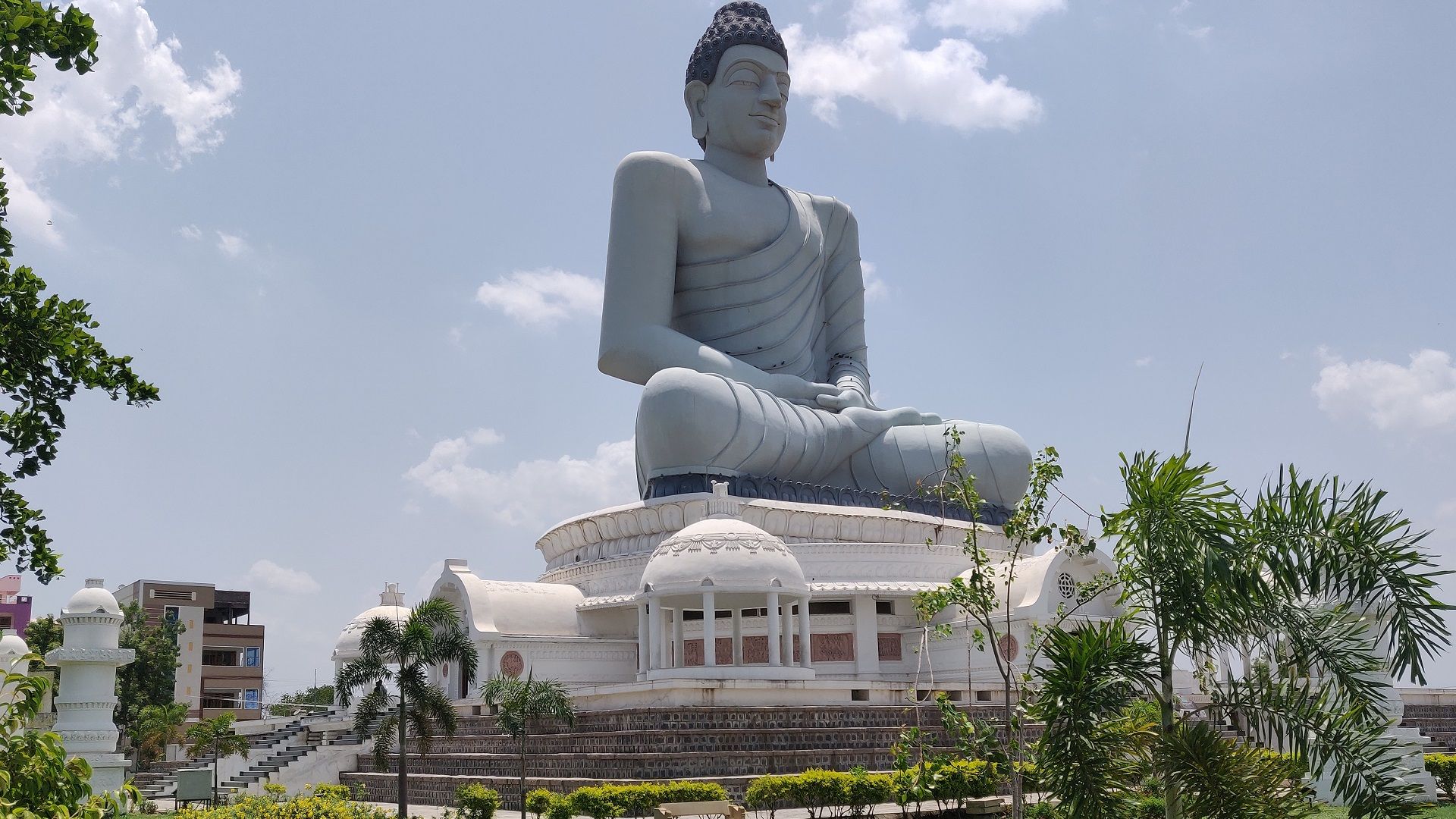
By naming the capital after the ancient Buddhist site of Amaravati, the government sought to invoke a sense of historical continuity and cultural pride. This was not merely about building offices; it was an attempt to construct a global destination for investment, education, and governance.
The Land Pooling Scheme: A Unique Urban Experiment
One of the most significant aspects of Amaravati’s development is the Land Pooling Scheme (LPS). Traditionally, Indian infrastructure projects rely on the Land Acquisition Act, which involves the government purchasing land from owners, often leading to protracted legal disputes and social friction. Instead, Andhra Pradesh implemented a voluntary pooling model.
Under the LPS, approximately 33,000 acres were voluntarily surrendered by nearly 25,000 farmers. In exchange, the state government promised:
- Developed residential and commercial plots within the new city.
- Annual financial compensation for a period of ten years to offset lost crop income.
- Waivers on agricultural loans and social security benefits for landless laborers.
This model was hailed as a global benchmark in urban planning because it made the original landowners stakeholders in the city’s future appreciation. However, the success of this model was deeply tied to the timely construction of the city. As of 2026, the fulfillment of these promises has seen a significant resurgence following a period of stagnation between 2019 and 2024.
The "Three Capitals" Controversy and Legal Resolution
Between late 2019 and early 2024, the status of Amaravati was thrown into significant doubt. A change in the state administration led to the proposal of a "Three Capitals" model, which sought to distribute the seats of power: Amaravati as the Legislative capital, Visakhapatnam as the Executive capital, and Kurnool as the Judicial capital.
This proposal led to:
- Massive Protests: Farmers who had participated in the Land Pooling Scheme launched a movement (Amaravati Parirakshana Samithi) that lasted over 1,200 days, demanding that the government honor its commitment to a single capital.
- Legal Battles: The Andhra Pradesh High Court intervened in March 2022, ruling that the state legislature lacked the competence to change the capital and directing the government to develop Amaravati within a specific timeframe.
- Policy Reversal: In mid-2024, a new coalition government was elected with a mandate to restore Amaravati as the sole capital. This political shift effectively ended the three-capital experiment and realigned the state's resources toward the Amaravati Master Plan.
By 2026, the legislative and legal hurdles have been largely resolved. The Andhra Pradesh Capital Region Development Authority (APCRDA) has been reinvigorated, and the state has reaffirmed its commitment to the original 2015 master plan designed in collaboration with the Singapore government.
Current Progress and Infrastructure Status in 2026
As of 2026, Amaravati has transitioned from a stalled construction site to a high-activity development zone. The infrastructure is categorized into various "Theme Cities" to ensure organized urban growth.
The Nine Theme Cities Concept
The Amaravati Master Plan divides the capital region into nine specialized hubs, each focusing on a specific sector of the economy:
- Government City: Housing the State Secretariat, Assembly, and Raj Bhavan.
- Justice City: Centered around the Andhra Pradesh High Court and legal institutions.
- Knowledge City: Home to premier educational institutions like SRM University-AP and VIT-AP, which are already operational.
- Finance City: Designed to host banking headquarters and financial services.
- Health, Sports, Media, Electronics, and Tourism Cities: These represent future phases of development aimed at diversifying the city's economic base.
Physical Infrastructure and Connectivity
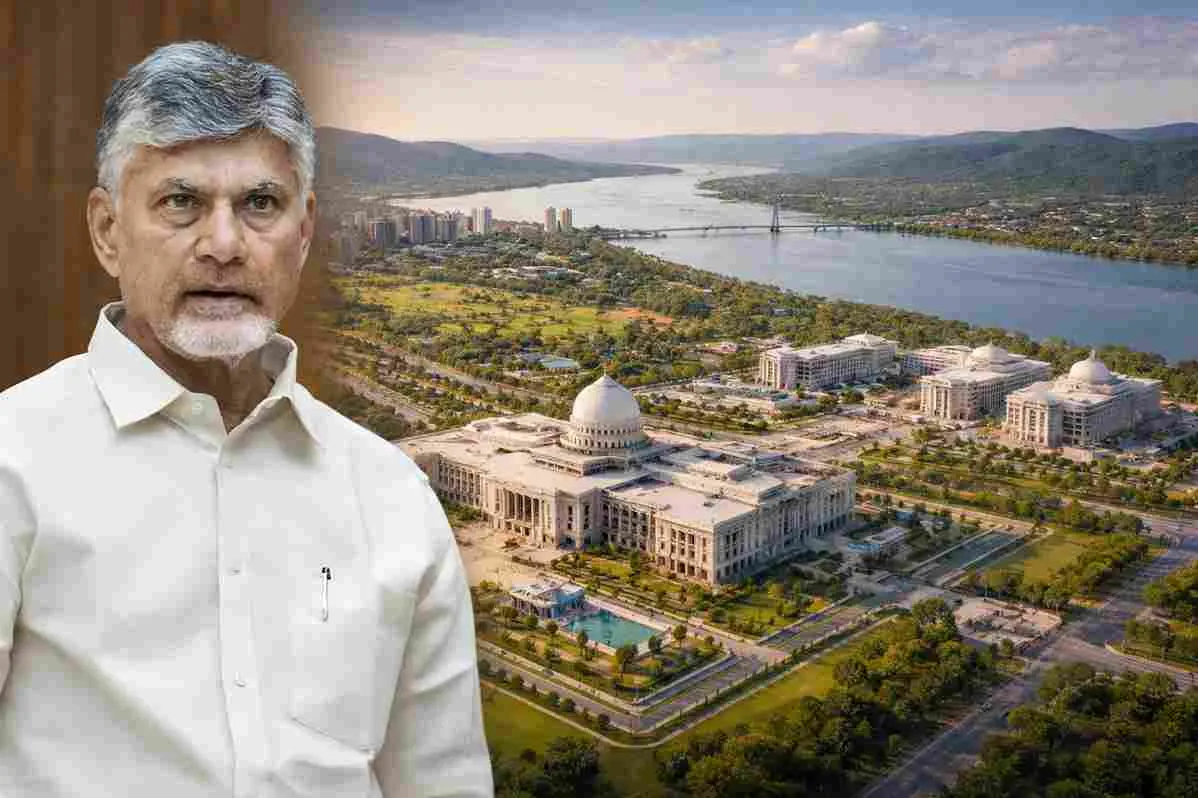
The "Seed Access Road," a massive arterial highway, now connects the core capital area with the neighboring cities of Vijayawada and Guntur. Major iconic buildings, including the High Court and the interim Secretariat, are fully functional. In 2025 and early 2026, the focus shifted to completing the "Iconic Towers" for the Secretariat and the permanent Legislative Assembly.
Furthermore, the central government has provided substantial financial backing. Following the 2024 Union Budget, a specialized financial package of ₹15,000 crore was facilitated through international agencies like the World Bank and the Asian Development Bank (ADB) to accelerate the completion of essential infrastructure like sewerage, water supply, and internal roads.
Economic Implications and Real Estate Landscape
Amaravati is not just an administrative center; it is an economic project. The concentration of government offices has naturally led to a surge in ancillary services.
| Feature | Description | Status (2026) |
|---|---|---|
| Total Land Area | 217 Square Kilometers (Core Capital) | Fully Zoned |
| Administrative Status | Sole Capital of Andhra Pradesh | Legally Confirmed |
| Key Institutions | High Court, Assembly, Secretariat | Operational |
| Educational Hub | 5+ National Universities | Fully Functional |
| Connectivity | Amaravati-Anantapur Express Way | Under Expansion |
| Funding Source | State, Central, World Bank, ADB | Active Disbursements |
The real estate market in the capital region has seen significant volatility but is currently in a phase of steady appreciation. Investors who were wary during the 2019-2024 period have returned to the market, spurred by the resumption of government tenders and the visible progress of the "Seed Capital" area. The presence of IT parks and the Knowledge City has created a demand for high-end residential housing and commercial spaces.
Governance and Administrative Infrastructure
The administrative core of Amaravati is designed to be a "Smart City." This involves the integration of digital services for citizen grievances, automated traffic management, and sustainable waste-to-energy plants. The APCRDA serves as the primary regulatory body, overseeing building permissions and the distribution of returnable plots to the farmers who contributed land.
The High Court of Andhra Pradesh, located in the Justice City, has become a landmark for the region. Its presence ensures that the legal community and judicial staff are permanent residents, further fueling local commerce. The Secretariat and Assembly buildings are designed with "Green Building" certifications, aiming to make Amaravati one of the most sustainable cities in India.
Challenges and the Road Ahead
Despite the renewed momentum, Amaravati faces several challenges that the government must navigate in the coming years:
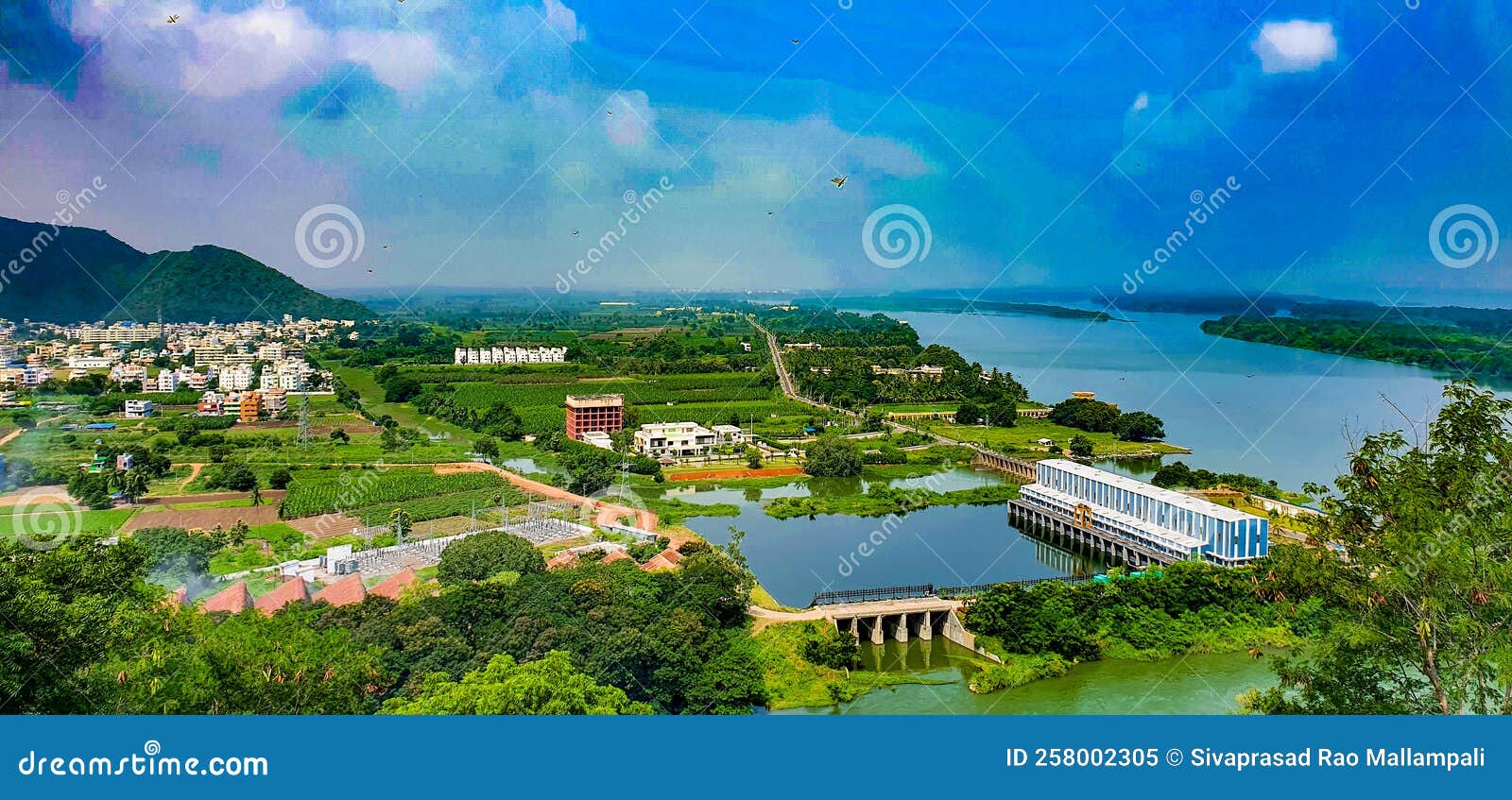
- Environmental Concerns: Being situated on the banks of the Krishna River, the city requires robust flood management systems. The Kondaveeti Vagu Pumping Scheme was developed to address this, but continuous maintenance is required as the city expands.
- Funding Sustainability: While the ₹15,000 crore loan from international agencies is a major boost, the total cost of building a world-class city is estimated to exceed ₹50,000 crore. Ensuring a steady stream of revenue through land monetization and private investment is crucial.
- Social Integration: Integrating the original village populations into the new urban landscape remains a sensitive task. Ensuring that the children of land-pooling farmers are trained for the new jobs in the Knowledge and Finance cities is a priority for the 2026-2030 planning phase.
Frequently Asked Questions
Is Amaravati still the capital of Andhra Pradesh?
Yes, Amaravati is the sole and official capital of Andhra Pradesh. Although there was a proposal to create three capitals between 2019 and 2024, that policy has been officially withdrawn, and all branches of government—Executive, Legislative, and Judicial—are centered in Amaravati.
What happened to the "Three Capitals" plan?
The "Three Capitals" plan, which proposed Visakhapatnam as the Executive capital and Kurnool as the Judicial capital, faced significant legal challenges and public opposition. Following the 2024 state elections, the new government formally scrapped the plan and reaffirmed Amaravati’s status as the single capital.
How far is Amaravati from Vijayawada and Guntur?
Amaravati is located approximately 15 to 20 kilometers from Vijayawada and about 25 to 30 kilometers from Guntur. It is part of the larger Vijayawada-Guntur-Tenali-Mangalagiri (VGTM) urban corridor, which is one of the most densely populated and economically active regions in the state.
Is there a railway station in Amaravati?
While there are existing stations in nearby Vijayawada and Guntur, a dedicated "Amaravati Railway Line" project is currently under development. This project aims to connect the capital directly to the national rail network, including a high-speed link to major South Indian cities.
Who designed the Amaravati master plan?
The master plan was originally developed by Surbana Jurong, a Singapore-based urban consulting firm, in collaboration with the Government of Singapore and the Government of Andhra Pradesh. The design emphasizes transit-oriented development, green spaces, and blue-infrastructure (waterways).
Can I buy land in Amaravati in 2026?
Yes, there is an active real estate market in the capital region. Private land is available in the surrounding areas, and the government periodically auctions commercial and residential plots within the capital core. It is advisable to verify all titles through the APCRDA portal to ensure the land is not part of the pooled government bank.
Practical Recommendation for Stakeholders
For investors and professionals looking at Amaravati in 2026, the focus should be on the Knowledge City and Justice City zones. These areas have the highest occupancy rates and the most developed infrastructure. Those interested in residential development should look toward the "returnable plots" allocated to farmers, as these are often located in prime spots within the master plan.
The state government has also simplified the process for building approvals through an online single-window system. Before committing to any project, ensure that the specific plot has been cleared by the Andhra Pradesh Capital Region Development Authority (APCRDA) and that it complies with the latest 2026 zoning regulations.