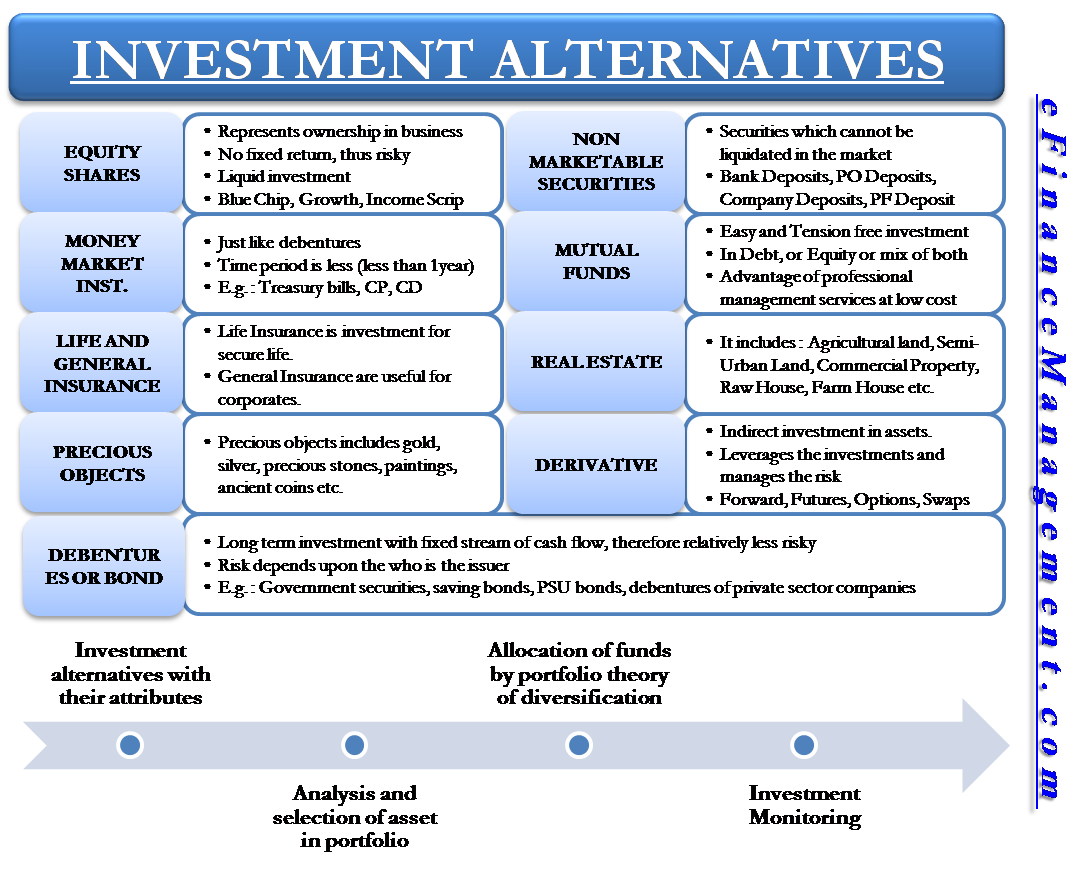
Alternatives of investment encompass any asset classes that fall outside the traditional categories of public stocks, bonds, and cash. These include real estate, private equity, commodities, hedge funds, and collectibles. Investors utilize these alternatives to achieve lower portfolio correlation, hedge against inflation, and access specialized growth opportunities not found in public markets.
The investment landscape in 2026 has shifted significantly from the traditional 60/40 portfolio model. As global markets face varying degrees of volatility and shifting monetary policies, institutional and individual investors alike are looking toward alternative investments to stabilize returns. Historically, "alternatives" were reserved for high-net-worth individuals and institutional funds. However, through the proliferation of fractional ownership and regulated digital platforms, access to these assets has become democratized.
Understanding the mechanics, risks, and entry requirements for various alternative assets is essential for building a resilient financial strategy. This guide examines the primary categories of alternative investments, their role in a 2026 portfolio, and the practical steps for integration.
The Strategic Role of Alternative Investments
The primary appeal of alternative investments lies in their low correlation with the broader stock and bond markets. Correlation measures how two assets move in relation to each other; a correlation of 1.0 means they move in perfect lockstep, while 0.0 means there is no relationship. Many alternatives, such as farmland or litigation finance, often operate on cycles entirely independent of the S&P 500.
In a year like 2026, where geopolitical shifts and energy transitions influence public market pricing, alternatives provide a "buffer." For example, when inflation remains sticky, real assets like infrastructure or commodities typically appreciate, offsetting the decline in purchasing power felt by bondholders. Furthermore, alternatives often offer a liquidity premium. Because these assets cannot always be sold instantly (like a stock on the NYSE), investors are often compensated with higher expected returns for locking their capital away for several years.
Real Assets: Tangible Value in a Digital Economy
Real assets are physical investments that have intrinsic value due to their substance and properties. They are among the most popular alternatives because they are easier to conceptualize than complex derivatives.
Real Estate and Infrastructure
Beyond owning a primary residence, real estate investment includes commercial properties, multi-family housing, and industrial warehouses. In 2026, the focus has shifted toward data centers and cold storage facilities, driven by the continued expansion of AI and global logistics.
Investors can access real estate through:
- Direct Ownership: Providing full control but requiring significant capital and management.
- REITs (Real Estate Investment Trusts): Publicly traded companies that own income-producing real estate, offering high liquidity but higher correlation to the stock market.
- Private Real Estate Funds: These allow for targeted investment in specific sectors (e.g., green building projects) with longer holding periods.
Infrastructure has also emerged as a standalone alternative. This involves investing in the "backbone" of the economy—toll roads, renewable energy grids, and telecommunications towers. These assets often benefit from government-backed contracts and provide stable, long-term cash flows.
Commodities and Precious Metals
Commodities include raw materials such as gold, oil, natural gas, and agricultural products. Gold remains the quintessential "safe haven" asset, particularly during periods of currency devaluation. In the current 2026 economic environment, "green metals" like lithium, copper, and cobalt have gained prominence due to their necessity in the global transition to renewable energy.
Private Markets: Seeking Alpha in Non-Public Companies
Private markets involve investing in debt or equity that is not traded on a public exchange. This sector has grown exponentially as companies choose to stay private longer.
Private Equity (PE) and Venture Capital (VC)
Private equity firms buy mature companies, often taking them off the public market, to improve operations and sell them for a profit later. Venture Capital is a subset of PE that focuses on early-stage startups with high growth potential.
In 2026, the barrier to entry for PE has lowered. While traditionally requiring million-dollar minimums, many "interval funds" now allow accredited investors to participate with much lower thresholds. The risk here is high: many startups fail, and PE deals often involve significant leverage (debt), which can be sensitive to interest rate fluctuations.
Private Debt
Private debt occurs when non-bank institutions lend money to companies. Since the tightening of bank lending regulations, private credit has become a vital source of capital for mid-sized businesses. For the investor, private debt can offer yields significantly higher than government or corporate bonds, often with "floating rates" that protect against rising interest rates. According to The International Monetary Fund (IMF), the growth of non-bank financial intermediation has made private debt a cornerstone of modern alternative portfolios.
Passion Assets and Collectibles
Collectibles are items whose value is driven by rarity, historical significance, and demand. This category includes fine art, vintage wine, rare watches, and classic automobiles.
The most significant development in 2026 for this sector is fractionalization. Platforms now allow investors to buy "shares" of a Basquiat painting or a rare bottle of 1945 Romanée-Conti. While these assets offer high aesthetic value and potential for massive appreciation, they are highly illiquid and subject to changes in consumer tastes. Furthermore, costs for insurance, storage, and authentication can erode net returns if not managed properly.
Comparison of Common Investment Alternatives
The following table summarizes the key characteristics of various investment alternatives to help determine which might fit a specific financial goal.
| Asset Class | Typical Liquidity | Risk Level | Primary Goal | Correlation to Stocks |
|---|---|---|---|---|
| Real Estate (Direct) | Low | Moderate | Income & Appreciation | Low to Medium |
| Gold / Commodities | High | High | Inflation Hedge | Low |
| Private Equity | Very Low | Very High | Maximum Capital Growth | Medium |
| Private Debt | Low | Moderate/High | High Yield / Income | Low |
| Collectibles | Very Low | High | Alpha / Passion | Very Low |
| Hedge Funds | Moderate | High | Risk Mitigation / Alpha | Variable |
Hedge Funds: Specialized Strategies
Hedge funds are managed portfolios that use non-traditional strategies to "hedge" against market downturns or capture specific inefficiencies. Common strategies include:
- Long/Short Equity: Buying undervalued stocks and "shorting" (betting against) overvalued ones.
- Global Macro: Making bets on entire countries or economies based on political and economic trends.
- Event-Driven: Investing based on specific corporate events like mergers, acquisitions, or bankruptcies.
Hedge funds often use leverage and derivatives to amplify returns, which can lead to significant losses if the manager's thesis is incorrect. In 2026, many hedge funds have integrated advanced machine learning models to identify patterns in big data, though the "2 and 20" fee structure (2% management fee, 20% performance fee) remains a point of scrutiny for cost-conscious investors.
Due Diligence and Entry Requirements
Before moving capital into alternatives, investors must understand the regulatory landscape. The U.S. Securities and Exchange Commission (SEC) maintains specific definitions for Accredited Investors. Generally, this requires a net worth of over $1 million (excluding primary residence) or a consistent annual income exceeding $200,000.
While some retail products (like REITs or Commodity ETFs) are available to everyone, the most "pure" forms of alternatives often require this accreditation. Furthermore, due diligence is paramount. Because private companies and funds do not have the same disclosure requirements as public ones, investors must independently verify:
- The Track Record: How has the manager performed in different economic cycles?
- The Fee Structure: Are there hidden carry fees, acquisition fees, or high administrative costs?
- The Exit Strategy: How and when will you get your money back? (e.g., a 10-year lock-up period).
- Tax Treatment: Many alternatives issue K-1 forms instead of 1099s, which can complicate tax filings and may require extensions.
Common Pitfalls to Avoid
Despite the benefits, many investors stumble when entering the world of alternatives. One frequent mistake is over-allocation. Because alternatives are illiquid, having too much capital tied up can be disastrous if an emergency requires immediate cash. Most financial advisors suggest a 10% to 20% allocation to alternatives for a diversified portfolio.
Another error is ignoring the J-Curve effect in private equity and venture capital. In the early years of a fund, returns are often negative due to investment costs and management fees, with the "gains" only appearing in the later years as companies are sold. Patience is a prerequisite for this asset class.
Finally, do not underestimate valuation risk. Unlike a stock that has a price every second, a piece of real estate or a private company is only "worth" what a valuer says it is, or what a buyer eventually pays. This can lead to a false sense of stability in a portfolio because the "price" doesn't fluctuate daily, even if the underlying value has changed.
FAQ
What defines an "alternative" investment?
An alternative investment is any financial asset that does not fall into the conventional categories of stocks, bonds, or cash. This broad definition includes physical assets like real estate and commodities, as well as complex financial structures like hedge funds, private equity, and private debt.
Can retail investors access private equity?
Historically, no. However, in 2026, retail investors can access private equity through interval funds, specialized ETFs, and fractional investment platforms. While these don't offer the exact same terms as institutional-grade PE, they provide exposure to the growth of private companies with lower minimum investments.
Are alternative investments riskier than stocks?
Risk is multifaceted. While some alternatives (like venture capital) have a higher risk of total capital loss, others (like physical gold or farmland) are often considered lower risk than volatile tech stocks. The primary "risk" in many alternatives is liquidity risk—the inability to sell the asset quickly at its fair market value.
How much of a portfolio should be in alternatives?
While individual needs vary, a common benchmark for a "diversified" modern portfolio is between 10% and 25%. Conservative investors may stick to the lower end (focused on gold or real estate), while aggressive investors or those with high net worth may lean toward the higher end (including PE and hedge funds).
What are the tax implications of alternative investments?
Alternatives often have complex tax structures. Private equity and many real estate partnerships issue Schedule K-1 forms, which report the investor's share of income, losses, and dividends. This can sometimes lead to "unrelated business taxable income" (UBTI), which may have implications if the investment is held within an IRA or 401(k).
Recommendation for Next Actions
To begin integrating alternatives into your strategy, start by assessing your liquidity needs for the next five to ten years. If you have excess capital that you do not need immediate access to, consider a "core-satellite" approach. Keep your "core" in diversified low-cost index funds and use alternatives as "satellites" to enhance yield or reduce risk.
Begin with more liquid options, such as Commodity ETFs or Public REITs, to understand how these assets behave relative to your existing holdings. If you meet the criteria for an accredited investor, research reputable platforms for private credit or fractional real estate. Always consult with a qualified tax professional or financial advisor to ensure the specific alternative of investment aligns with your long-term tax strategy and risk tolerance.