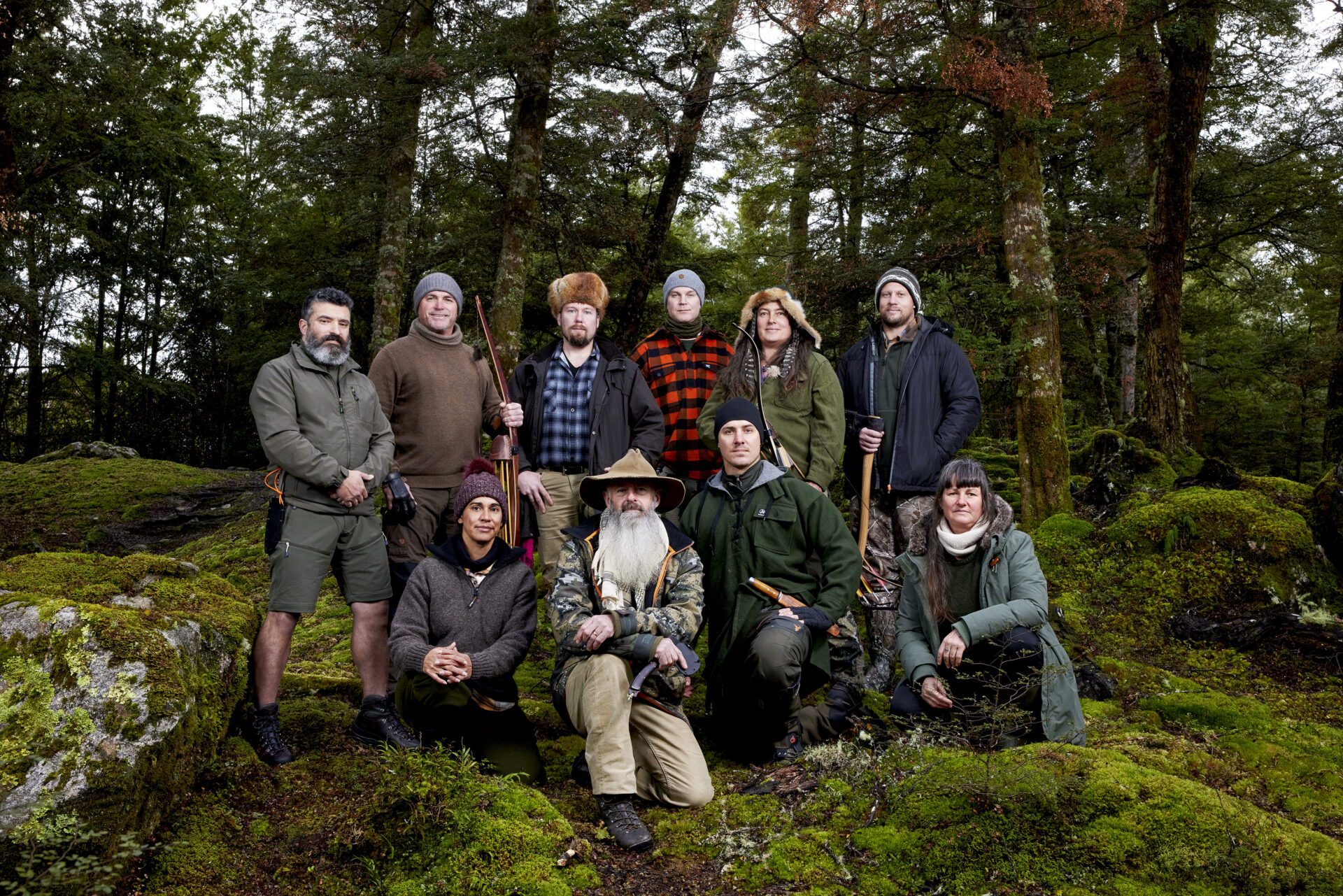
As of 2026, no contestant has ever died during the filming or production of the History Channel’s reality series Alone. While the show is famous for its extreme isolation and genuine survival stakes, rigorous medical protocols, regular safety check-ins, and strict body-mass index (BMI) requirements have successfully prevented any fatalities over its eleven-plus seasons of operation.
The premise of Alone is inherently dangerous: ten individuals are dropped into remote wilderness locations with minimal gear, tasked with surviving as long as possible to win a cash prize. Unlike most reality television, there is no camera crew on-site; the participants film themselves. This isolation creates a unique set of risks ranging from predator encounters to starvation. However, the production’s "perfect" safety record is not a matter of luck but the result of a complex, multi-layered safety net designed to intervene before a life-threatening event occurs.
The Evolution of Safety Protocols in Extreme Environments
Since its premiere in 2015, Alone has utilized a specific set of safety standards that have evolved alongside the show’s complexity. Because the contestants are truly isolated, the production team relies on a combination of technology and scheduled physical interventions to monitor health status.
Satellite Communication and GPS Tracking
Each contestant is issued a high-tech safety kit that includes a satellite phone and a GPS tracking device. These devices allow the participants to "tap out" at any moment for any reason—be it physical injury, mental health crisis, or simply reaching their limit. The GPS units also feature an "SOS" button for immediate life-threatening emergencies.
In the event of an emergency signal, the production’s extraction team—usually consisting of wilderness guides, medical professionals, and local pilots—is mandated to reach the contestant’s location as quickly as possible, regardless of weather conditions, though extreme storms have occasionally delayed non-emergency pickups.
Scheduled Medical Check-Ins
Perhaps the most significant factor in preventing death on Alone is the medical check-in. In the early stages of a season, these checks occur roughly once every week or two. However, as the duration of the stay increases and contestants begin to lose significant body mass, the frequency increases. By the later stages of a season, medical teams may visit contestants every few days or even daily.
During these checks, medical personnel measure:
- Body Mass Index (BMI): If a contestant’s BMI drops below 17, they are typically pulled from the competition immediately. This is because a BMI below 17 significantly increases the risk of permanent organ damage and cardiac arrest.
- Vital Signs: Blood pressure and heart rate are monitored to check for signs of severe dehydration or stress-induced cardiovascular issues.
- Cognitive Function: Medical staff assess whether the contestant is still mentally capable of making safe decisions. If a participant becomes delirious due to starvation, they lose the ability to manage fire or protect themselves from wildlife, necessitating a "medical pull."
Understanding the Risks: Why No One Has Died Yet
The reason "alone show death" is a frequent search term is that the physical deterioration of the contestants is highly visible. Viewers witness participants losing 30, 40, or even 60 pounds, often appearing skeletal by the finale. This physical toll is real, but the production team’s intervention threshold is set well before the point of no return.
The Danger of Starvation and Organ Failure
The primary threat on Alone is not usually predators, but starvation. When the body runs out of fat stores, it begins to consume muscle tissue, including the heart muscle. This process, known as autophagy, can lead to sudden heart failure. By enforcing the BMI rule, the show prevents contestants from entering the "danger zone" where the body starts irreversible self-cannibalization.
Several contestants in the history of the show have been visibly devastated to be "medically tapped" when they felt they could continue. A notable example occurred in Season 3, when Carleigh Fairchild was pulled after 86 days because her BMI had dropped too low, despite her mental willingness to stay. These decisions are made by doctors, not producers, specifically to ensure that the search for "alone show death" remains a hypothetical inquiry rather than a report on a tragedy.
Predator Encounters and Physical Trauma
While starvation is the slow killer, physical trauma and wildlife represent the immediate threats. Contestants have faced off with grizzly bears, black bears, wolves, and cougars. To mitigate this:
- Bear Spray and Horns: Contestants are provided with deterrents.
- Wildlife Training: Participants undergo rigorous training on how to behave during encounters.
- Site Selection: While the locations are wild, the production team scouts areas to ensure they are not dropping a contestant directly onto a high-traffic denning site.
Physical injuries, such as deep cuts from axes or falls, have led to many taps. In Season 11, for instance, the risk of infection or blood loss in a remote setting remained a top priority for the medical team. By removing contestants with significant injuries immediately, the show prevents minor accidents from becoming fatal infections or permanent disabilities.
Notable Health Scares and Close Calls
While there have been no deaths, there have been several "near-misses" that highlight just how dangerous the environment can be. These incidents serve as case studies for the show's safety response.
| Contestant | Season | Issue | Outcome |
|---|---|---|---|
| Carleigh Fairchild | Season 3 | Extreme Weight Loss | Medically pulled at 86 days; BMI below 17. |
| Dave Nessia | Season 3 | Starvation/Delirium | Pulled after storing food instead of eating it; signs of cognitive decline. |
| Colton Burgess | Season 8 | Fear of Predation | Tapped out due to proximity of a grizzly bear and lack of security. |
| Biko Wright | Season 8 | Severe Starvation | Lost nearly 100 lbs; heart rate issues noted during check-ins. |
| Alan Hewitt | Season 10 | Bowel Obstruction | Emergency medical evacuation due to severe internal pain. |
These instances demonstrate that the medical team is not just a formality; they are an active part of the survival mechanics. In Dave Nessia's case (Season 3), his starvation had reached a point where his brain was no longer processing the need to eat, even though he had fish stored. This "starvation-induced irrationality" is one of the most dangerous psychological states a survivalist can enter, as it precludes the ability to self-rescue.
Clarifying Post-Show Deaths: The Case of Tracy Wilson
Much of the confusion regarding deaths associated with the show stems from the passing of Season 2 contestant Tracy Wilson. Tracy was a fan-favorite, a military veteran with deep survival knowledge. She passed away in September 2019.
However, it is vital to note that her death occurred three years after her appearance on the show and was due to a sudden, brief illness (reportedly complications from pneumonia/sepsis), not as a result of any injury or condition sustained during the filming of Alone. Because she was a public figure associated with the show, her obituary often appeared in searches for "alone show death," leading some to mistakenly believe she died during production.
No other contestants have passed away due to circumstances linked to their time in the wilderness. Most participants undergo a lengthy "refeeding" process and medical monitoring after they return home to ensure their bodies recover from the extreme caloric deficit.
The Critical Role of the "Refeeding" Process
The danger of Alone does not end when the contestant gets into the helicopter. One of the most technically dangerous phases of the experience is the transition back to a normal diet. Refeeding Syndrome is a metabolic disturbance that occurs when a person who is severely malnourished begins to ingest carbohydrates.
When the body is starving, it shifts from using carbohydrates to using fat and protein for energy. If a contestant suddenly consumes a large amount of sugar or carbs, the body releases a massive surge of insulin. This causes a shift in electrolytes (phosphorus, magnesium, and potassium) into the cells, which can lead to:
- Heart failure
- Respiratory failure
- Seizures
- Coma
To prevent this, the Alone production team provides a strict, medically supervised refeeding protocol. Contestants are not allowed to simply eat a steak and potatoes the night they get out. They are started on small, nutrient-dense liquids and soft foods, slowly ramping up over several weeks. This post-show medical care is a primary reason why the extreme weight loss seen on screen does not result in long-term damage or death.
Psychological Impact: The "Spirit Tap"
While the physical risks are quantifiable, the psychological toll of isolation is often what breaks contestants. "Death of the spirit" or complete mental breakdown is a constant threat. The show employs psychologists to screen participants before they are selected and to monitor them during the refeeding process.
Prolonged isolation can lead to "cabin fever," depression, and even auditory or visual hallucinations. By allowing contestants to tap out for mental health reasons, the show provides an "out" for those who feel their sanity is at risk, preventing the kind of desperate, irrational behavior that could lead to a fatal accident.
Comparison to Other Survival Shows
In the world of reality TV, Alone remains a standout for its safety record. Other international survival shows have not been as fortunate. For example:
- Survivor (Bulgaria): A contestant died of a heart attack during filming in 2009.
- Koh-Lanta (France): A contestant died during the first day of filming in 2013, which was followed by the tragic suicide of the show's doctor.
- Dropped (France): Ten people, including contestants and staff, died in a helicopter collision during production in 2015.
The success of Alone in 2026 continues to be attributed to the fact that it is a "slow-burn" competition. It does not rely on dangerous stunts or high-speed challenges. The risks are environmental and biological, both of which can be monitored through the rigorous medical and technological frameworks the History Channel has established.
Frequently Asked Questions
Has anyone ever been seriously injured by a bear on Alone?
No. While there have been many close encounters—including bears entering camps and sniffing tents while contestants were inside—there has never been a physical attack resulting in injury. Contestants use bear spray, noise, and "bear bangers" to deter predators successfully.
What is the lowest BMI allowed on the show?
The generally accepted threshold is a BMI of 17. If a contestant's body mass index falls below this number, the medical team will pull them from the competition. This is a non-negotiable rule designed to prevent permanent organ damage and death.
How long does it take for the rescue team to arrive?
Under normal conditions, the extraction team can reach a contestant within 30 to 60 minutes of an emergency call. However, the show is filmed in remote areas like Northern Saskatchewan or Labrador, where extreme weather (heavy fog or blizzards) can occasionally ground aircraft, potentially extending the response time.
Do contestants get paid if they are medically pulled?
Contestants do not win the grand prize (typically $500,000) if they are medically pulled, unless they are the last person remaining. However, participants generally receive a weekly stipend for the time they spend on the show to cover their lost wages and expenses back home.
Are there any long-term health effects for the participants?
Most participants recover fully, but some have reported long-term changes to their metabolism, digestive issues, and lingering nerve pain (peripheral neuropathy) due to malnutrition. The production team provides medical support during the initial recovery phase to minimize these risks.
Is the show Alone staged or "fake"?
There is no evidence that Alone is staged. The isolation is real, and the weight loss and medical issues are documented by independent medical professionals. The fact that many contestants tap out within the first few days due to fear or loneliness further supports the authenticity of the experience.
Final Guidance for Viewers and Researchers
If you are following the series or researching the risks of wilderness survival, it is important to distinguish between the perceived danger shown on screen and the managed risk handled by the production crew. Alone is a masterclass in risk mitigation. While the environment is unforgiving, the presence of satellite technology and medical intervention ensures that the participants can push their limits without crossing the line into fatality.
For those interested in the survival techniques used to stay alive on the show, focus on "caloric ROI" (Return on Investment) and "thermal regulation." These are the two pillars that keep contestants alive. Death on the show is avoided not by bravery alone, but by the disciplined application of medical science and the contestant's own wisdom to know when to signal for help.