Allstate liability auto insurance is a foundational coverage that pays for the injuries and property damage you cause to others in an at-fault accident. In 2026, it remains a legal requirement in nearly every state, providing essential financial protection against lawsuits and rising repair costs by covering medical expenses, vehicle repairs, and legal defense fees.
Liability insurance is often the most misunderstood component of an auto policy. While many drivers view it simply as a "legal necessity" to keep their registration valid, its primary function is the protection of your personal assets. If you are found liable for a multi-car pileup or a serious injury in 2026, the costs can easily exceed hundreds of thousands of dollars. Without adequate Allstate liability limits, your savings, home equity, and future wages could be at risk.
The Two Core Components of Allstate Liability Insurance
Allstate’s liability coverage is divided into two distinct parts: Bodily Injury (BI) and Property Damage (PD). When you purchase a policy, these are typically represented as three numbers (e.g., 100/300/50). Understanding what these numbers signify is critical for ensuring you are not underinsured.
Bodily Injury Liability (BI)
Bodily Injury liability covers the costs associated with injuries or death that you or another driver covered under your policy cause to others. In the economic climate of 2026, medical inflation has significantly increased the "per-person" cost of accidents.
BI coverage typically handles:
- Medical Expenses: This includes emergency room visits, hospital stays, surgeries, and ongoing physical therapy for the victims.
- Lost Wages: If the injured party is unable to work due to the accident, your liability insurance can compensate them for their lost income.
- Legal Fees: One of the most valuable aspects of Allstate liability insurance is the "duty to defend." If you are sued following an accident, Allstate provides and pays for legal counsel. These legal costs are generally paid in addition to your policy limits, meaning they do not exhaust the funds available to pay damages.
- Pain and Suffering: This covers non-economic damages awarded to the victim for physical pain and emotional distress.
- Funeral Expenses: In the tragic event of a fatal accident, BI coverage helps pay for funeral and burial costs.
Property Damage Liability (PD)
Property Damage liability pays for damage you cause to someone else’s property. While this most commonly refers to the other driver's vehicle, it extends much further.
PD coverage includes:
- Vehicle Repairs: Fixing or replacing the other party's car. With the advanced sensor technology and EV battery costs prevalent in 2026 vehicles, even minor collisions can result in high repair bills.
- Fixed Property: If you swerve and hit a storefront, a government-owned light pole, or a neighbor's fence, PD liability covers the repair costs.
- Loss of Use: This pays for the victim’s transportation (such as a rental car) while their vehicle is being repaired.
Decoding Allstate’s Split Limits
When reviewing an Allstate quote or declarations page, you will see your liability expressed in split limits. For example, a "250/500/100" policy provides:
- $250,000 Bodily Injury per person: The maximum Allstate will pay for one individual’s injuries.
- $500,000 Bodily Injury per accident: The total amount Allstate will pay for all injuries in a single accident, regardless of the number of people injured.
- $100,000 Property Damage per accident: The maximum amount for all damaged property in one incident.
Selecting the right limits is a balance between monthly premium costs and risk tolerance. While state minimums are cheaper, they rarely provide enough protection for drivers with significant assets.
The "Duty to Defend" and Legal Protections
A common misconception is that liability insurance only pays out a settlement. In reality, the legal defense provided by Allstate is one of the policy's most expensive and beneficial features. In 2026, the hourly rate for specialized personal injury defense attorneys can be staggering.
If a claimant sues you for an amount exceeding your policy limits, Allstate’s legal team still works to settle the claim within those limits to protect you from a personal judgment. This professional defense is included in your liability premium and serves as a buffer between your personal bank account and the civil court system.
Factors Influencing Allstate Liability Costs in 2026
Liability premiums are not one-size-fits-all. Allstate utilizes complex algorithms to determine the risk you pose to others. Several factors influence how much you will pay for liability coverage.
Driving History
Your "motor vehicle record" (MVR) is the most significant factor. Drivers with a history of at-fault accidents, speeding tickets, or DUIs will face higher liability premiums because they are statistically more likely to cause future claims. Allstate often rewards long-term accident-free drivers with "Safe Driving" discounts.
Geographic Location
Where you park your car matters. Urban areas with high traffic density, such as Los Angeles, Chicago, or Miami, typically have higher liability rates than rural areas. This is due to the increased frequency of collisions and the higher cost of medical care and litigation in major metropolitan hubs.
Credit-Based Insurance Scores
In states where it is legally permitted, Allstate uses a credit-based insurance score to help predict risk. Actuarial data suggests a correlation between financial responsibility and driving habits. Drivers with higher scores generally receive lower liability rates.
Vehicle Usage and Mileage
A vehicle used for a long daily commute poses more risk than a "pleasure" vehicle driven only on weekends. Allstate’s Milewise program, a pay-per-mile insurance option, is an increasingly popular way for low-mileage drivers in 2026 to maintain full liability protection while only paying for the miles they actually drive.
Recommended Liability Limits vs. State Minimums
Every state (except New Hampshire and Virginia, under specific conditions) mandates a minimum amount of liability insurance. However, these minimums are often decades out of date. For instance, a state requiring only $25,000 in property damage coverage is woefully inadequate in 2026, when the average cost of a new vehicle exceeds $50,000.
| Coverage Type | State Minimum (Typical) | Recommended (Mid-Level) | Recommended (High-Asset) |
|---|---|---|---|
| Bodily Injury (Per Person) | $25,000 | $100,000 | $250,000+ |
| Bodily Injury (Per Accident) | $50,000 | $300,000 | $500,000+ |
| Property Damage | $10,000 - $25,000 | $50,000 | $100,000+ |
| Legal Defense | Included | Included | Included |
For drivers with a home, savings, or high income, an Umbrella Policy is often recommended. An Allstate Umbrella policy provides an extra $1 million to $5 million of liability protection that "sits" on top of your auto and homeowners' liability limits, triggered only after your primary auto limits are exhausted.
How to Save on Allstate Liability Insurance
While liability is mandatory, there are several ways to reduce the premium without sacrificing the quality of your coverage.
- Bundling (Multi-Policy Discount): Combining your Allstate auto insurance with homeowners, renters, or condo insurance is one of the most effective ways to lower your liability costs.
- Drivewise Telematics: By opting into the Allstate Drivewise program, you allow Allstate to monitor your driving habits (speed, braking, and time of day). Safe drivers can receive significant performance-based discounts on their liability premium.
- Safe Driving Club: Maintaining a clean record for three to five years can trigger "Safe Driving" bonuses or discounts.
- Anti-Lock Brakes and Safety Features: While liability covers damage to others, having a car equipped with the latest collision-avoidance technology reduces the likelihood that you will cause an accident, which Allstate factors into your rating.
- Payment Methods: Paying your six-month or annual premium in full, rather than monthly installments, usually eliminates administrative fees and may provide a small percentage discount.
The Claims Process for Liability
If you are involved in an accident where you may be at fault, the liability claims process begins immediately. Allstate encourages using their mobile app to upload photos of the scene and exchange insurance information.
Once a claim is filed:
- Investigation: An Allstate adjuster will review the police report, interview witnesses, and examine vehicle damage to determine the percentage of fault.
- Negotiation: Allstate’s adjusters work directly with the other party’s insurance company or attorney. You are generally not involved in these negotiations.
- Settlement: If fault is clear, Allstate will pay the other party for their losses up to your policy limits.
- Release of Liability: When Allstate pays a settlement, they typically require the other party to sign a release, which prevents them from suing you further for the same accident.
Comparing Allstate to the Competition
In the 2026 insurance market, Allstate distinguishes itself through its agent network and technology. While "direct" insurers may offer slightly lower base rates for liability, Allstate provides a dedicated local agent who can perform a "Personal Financial Representative" review. This ensures your liability limits are actually aligned with your net worth, a service often missing from budget carriers.
According to data from the National Association of Insurance Commissioners (NAIC), Allstate maintains a significant market share due to its claims-handling reputation. For liability, the speed and aggressiveness with which a company defends its policyholders is a key metric of value.
Common Mistakes to Avoid
- Choosing Minimum Limits: As discussed, state minimums are an "economic trap." A single accident can lead to a judgment that exceeds minimum limits, allowing the victim to garnish your wages.
- Assuming Liability Covers You: Liability insurance never pays for your own injuries or your own car repairs. For that, you need Personal Injury Protection (PIP) and Collision coverage.
- Lapses in Coverage: Even a one-day lapse in liability insurance can lead to a "high-risk" classification, causing your future premiums to spike significantly.
- Failing to Update Life Changes: If you get married, move to a safer zip code, or start working from home, you should update Allstate immediately, as these factors often lower liability risks and premiums.
Frequently Asked Questions
Does Allstate liability insurance cover me if I drive a rental car?
Yes, in most cases, your Allstate liability limits extend to a rental car driven for personal use within the United States and Canada. This means if you cause an accident in a rental, your Allstate policy will pay for the other person's damages. However, it may not cover the "administrative fees" or "loss of use" charges from the rental company, which is why some drivers still opt for the rental agency's supplemental insurance.
Will my liability insurance pay if my friend drives my car and crashes?
Allstate generally follows the "insurance follows the car, not the driver" rule. If you give a friend "permissive use" of your vehicle, your liability insurance acts as the primary coverage. If they are at fault, your policy pays for the damages to the other party. Note that frequent drivers of your vehicle should be officially listed on your policy to ensure coverage is not denied.
What is the difference between liability and full coverage?
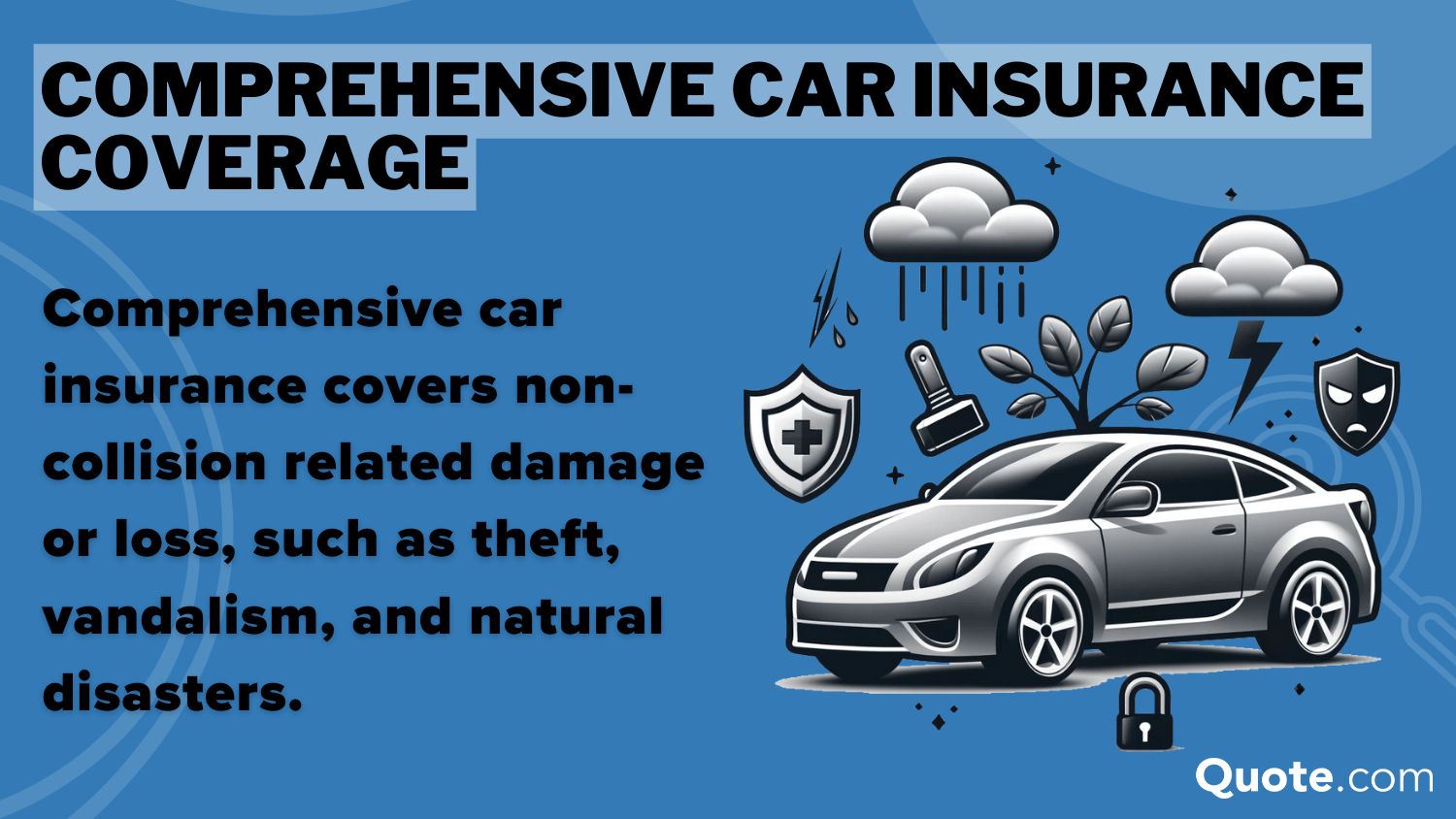
"Full coverage" is a colloquial term, not a technical one. It usually refers to a policy that includes Liability PLUS Collision and Comprehensive coverage. Liability is the part that protects others from you, while Collision and Comprehensive protect your vehicle from accidents, theft, or natural disasters.
Can Allstate cancel my liability insurance if I have too many accidents?
While laws vary by state, Allstate generally cannot cancel a policy in the middle of a term except for non-payment or fraud. However, they can choose "non-renewal" at the end of your policy term if your risk profile has increased significantly due to multiple at-fault accidents or serious violations like a DUI.
Does Allstate liability cover delivery driving or ridesharing?
Standard personal liability policies usually exclude commercial activities. If you use your car for DoorDash, Uber, or Amazon Flex, you must add a specific "Rideshare Endorsement" to your Allstate policy. Without it, Allstate may deny a liability claim if the accident occurs while you are logged into a delivery app.
Final Recommendation
For 2026, the most prudent approach to Allstate liability auto insurance is to ignore state minimums and instead calculate your "total at-risk assets." If your net worth (including home equity and savings) exceeds $100,000, you should carry at least 250/500/100 limits. For those with higher wealth, an Allstate Umbrella policy is the most cost-effective way to gain peace of mind. Always utilize the Drivewise app to prove your safety and mitigate the rising costs of premiums seen across the industry this year.