Evaluating the financial standing of public figures often requires navigating a landscape of speculative reporting, variable definitions of wealth, and internet metrics that lack verified primary documentation. When examining public inquiries regarding figures associated with media, entertainment, or specialized professional fields, distinguishing between verified assets, gross income, and unverified digital estimates is essential for an accurate evaluation.
Understanding Net Worth and Financial Context
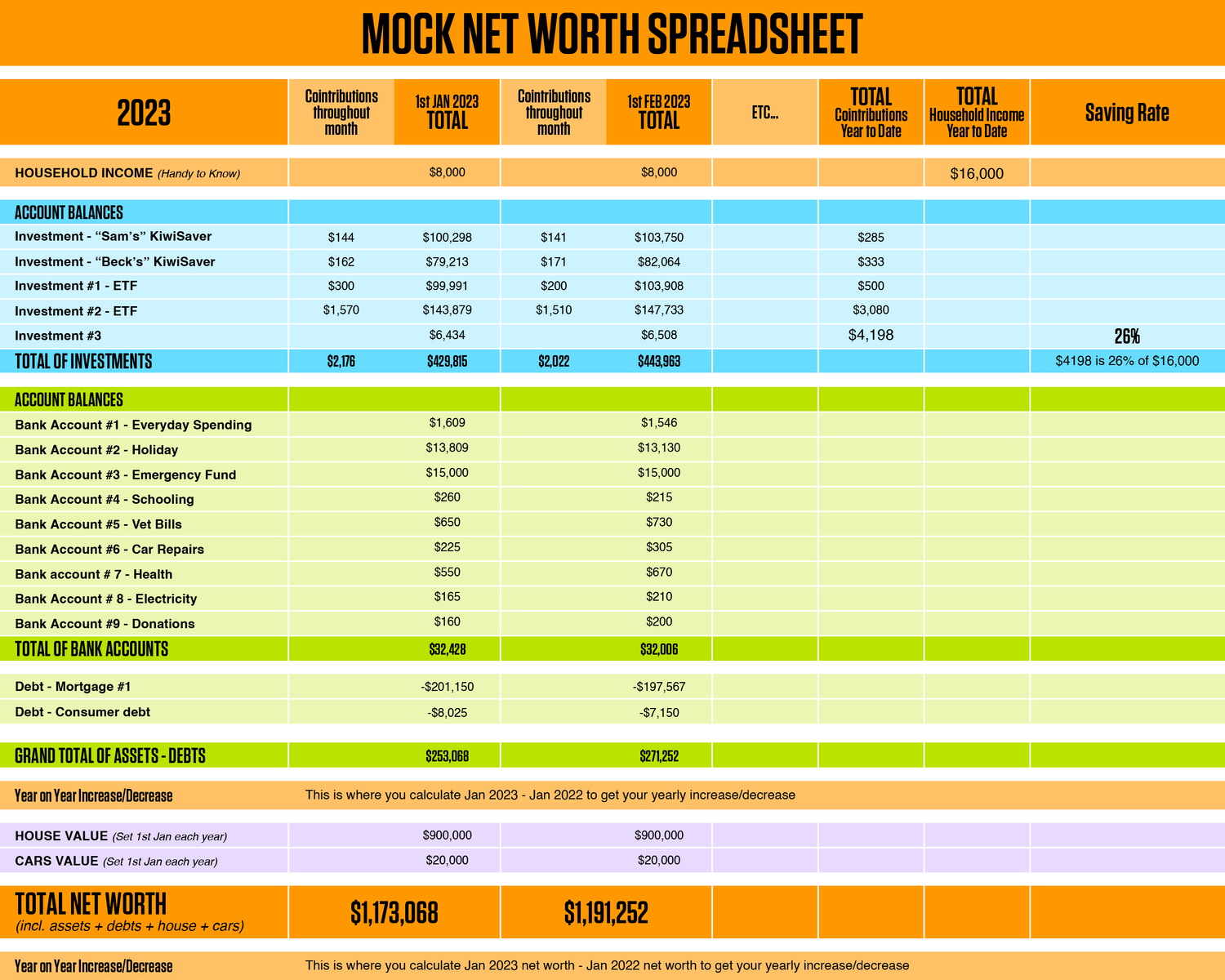
Net worth is fundamentally calculated as the total value of an individual’s assets minus their liabilities. Assets typically encompass liquid cash holdings, real estate properties, investment portfolios, business equity, and valuable intellectual property or proprietary rights. Liabilities include outstanding mortgages, commercial loans, credit balances, and other financial obligations.
In mainstream media and digital publishing, estimating the net worth of individuals who occupy public-facing roles is a frequent exercise. However, unless an individual is a corporate executive required by regulatory bodies like the Securities and Exchange Commission (SEC) to disclose financial holdings, or is involved in public legal proceedings such as high-profile litigation or divorce settlements, precise net worth figures remain private. Consequently, third-party biographical websites often publish estimates derived from public career trajectories, industry benchmarks, and unverified market assumptions.
When evaluating these estimations, readers must differentiate between several key financial metrics:
- Gross Income: The total amount of money earned through employment, brand partnerships, or business ventures before taxes and operating expenses are deducted.
- Net Income: The take-home earnings remaining after taxes, agent commissions, legal fees, and business overhead are subtracted.
- Liquid Assets: Cash and easily convertible securities that can be accessed immediately without incurring substantial market penalties.
- Illiquid Assets: Long-term investments, such as real estate holdings or private business equity, which require time and transaction costs to convert into cash.
Navigating Sources and Information Reliability
The digital information ecosystem surrounding financial profiles relies heavily on secondary aggregation. When researchers or casual readers search for details regarding financial valuations, they frequently encounter conflicting figures across different platforms. This discrepancy arises because estimation algorithms and freelance contributors employ diverse methodologies to calculate accumulated wealth.
Common Methodologies Used in Wealth Estimation
| Estimation Method | Description | Reliability Level | Primary Limitations |
|---|---|---|---|
| Public Filings & Disclosures | Official regulatory filings, court documents, or corporate equity disclosures. | High | Rare for private individuals; generally restricted to public company executives or litigated estates. |
| Industry Benchmarking | Estimating earnings based on standard rates for specific professions, years active, and medium scale. | Moderate | Fails to account for private contract negotiations, debt loads, or fluctuating market conditions. |
| Asset Mapping | Identifying publicly registered real estate deeds, business registrations, and visible assets. | Moderate to Low | Does not capture encumbrances such as mortgages, liens, or shared ownership structures. |
| Speculative Aggregation | Replicating figures from older online articles without independent verification or auditing. | Very Low | Perpetuates unverified rumors and compounds historical inaccuracies across the web. |
Relying on speculative aggregation introduces significant distortion. An initial estimate published on an unverified blog can be mirrored across dozens of similar sites, creating a false consensus through repetition. Establishing factual context requires separating verified career milestones from speculative monetary figures.
The Role of Industry Context in Valuation
To understand the economic framework surrounding media and professional careers, it is necessary to examine how individuals generate and retain capital within their respective industries. Career longevity, diversification of revenue streams, and overhead costs heavily dictate long-term financial health.
Revenue Diversification and Sustainability
A sustainable financial profile rarely depends on a single income source. Professionals operating in visible fields typically utilize diversified streams to protect against market volatility. These may include:
- Primary Compensation: Direct salaries, project fees, or performance contracts tied to core professional outputs.
- Endorsements and Partnerships: Commercial agreements with brands, speaking engagements, or promotional licensing.
- Intellectual Property Rights: Residuals, royalties, or ownership stakes in creative or proprietary works.
- Entrepreneurial Ventures: Investments in private enterprises, real estate portfolios, or commercial business operations.
Each of these revenue streams carries distinct tax implications, operational costs, and risk factors. For instance, real estate investments provide long-term appreciation and passive cash flow, but they also require capital expenditure, debt servicing, and active management. Similarly, entrepreneurial ventures can yield substantial returns or incur significant liabilities, altering an individual's net worth trajectory independently of their primary career earnings.
Common Misconceptions Regarding Wealth Estimations
Public perception of wealth is frequently distorted by visible indicators of success. The display of luxury assets, high-profile project involvement, or media visibility does not inherently correlate with a high net worth. Understanding these fallacies prevents misinterpretation of financial status:
- Gross Revenue Equals Net Worth: Observers frequently mistake total contract values or gross business revenues for personal wealth, ignoring the substantial percentage consumed by taxes, representation fees, production costs, and business debt.
- Visibility Equals Liquidity: An individual may hold significant illiquid assets, such as commercial real estate or corporate shares, while having limited immediate cash flow.
- Static Valuations: Wealth fluctuates dynamically with market conditions, economic downturns, changes in industry demand, and personal financial decisions. A fixed financial estimate published online rarely reflects real-time economic reality.
Frequently Asked Questions
What is net worth, and how is it calculated?
Net worth represents the total monetary value of all physical and financial assets owned by an individual, minus all outstanding financial liabilities, debts, and obligations.
Why do online net worth estimates often conflict?
Online biographical platforms use different estimation algorithms, unverified industry benchmarks, and speculative reporting methods, leading to wide discrepancies between various sources.
Are public figures legally required to disclose their net worth?
No. Private individuals and public figures are not legally required to disclose their total net worth unless mandated by specific regulatory bodies, corporate governance rules, or public court proceedings.
How do liabilities impact an individual's actual wealth?
Liabilities such as mortgages, loans, and business debts directly reduce total assets. High gross earnings can be substantially offset by heavy financial obligations, resulting in a lower net worth than gross income figures suggest.
Can real estate holdings be accurately tracked online?
While public property deeds record real estate purchases, determining exact equity requires knowing the remaining mortgage balance, current market appraisal, and ownership structure, which are often private.
Practical Guidance for Consumers of Media Profiles
When reviewing biographical and financial data online, critical evaluation is essential. Readers should view figures reported on celebrity net worth aggregation sites as speculative estimates rather than audited financial facts. Verifying professional accomplishments requires referencing primary sources, official portfolios, and verified corporate disclosures rather than unverified secondary commentary. Recognizing the limitations of wealth estimation ensures a realistic and objective understanding of public financial profiles.