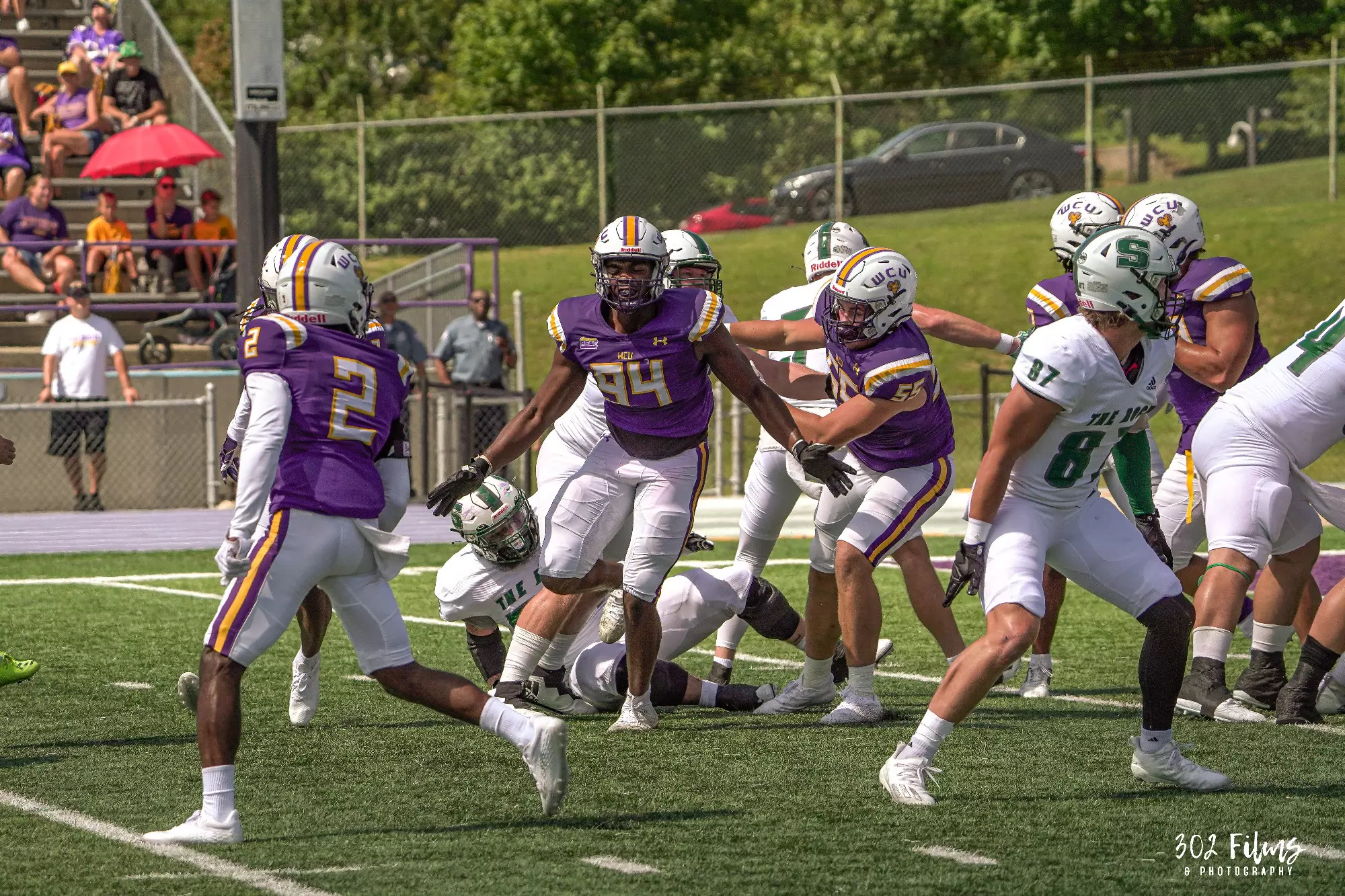
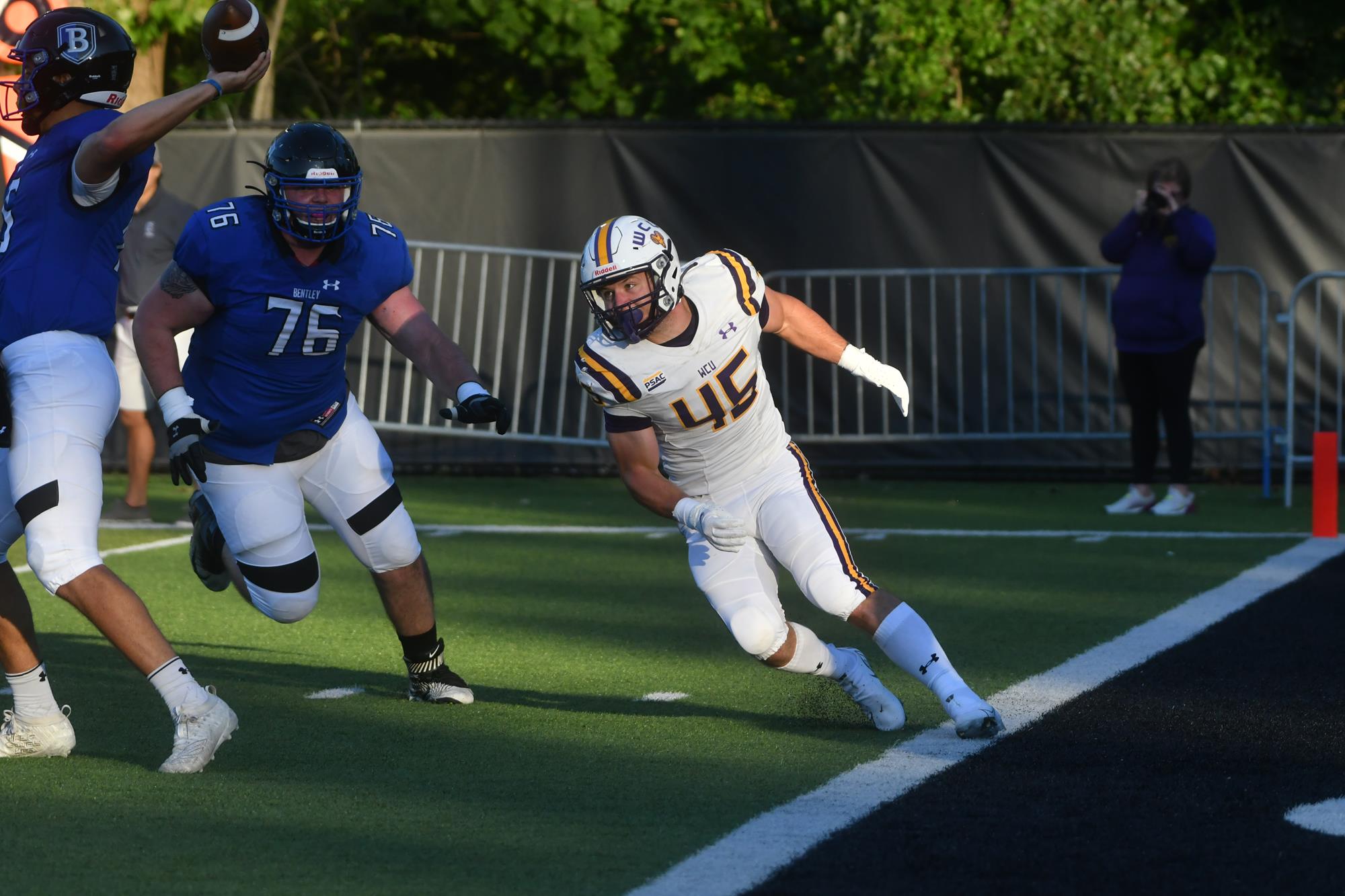
Ali Barkley’s commitment and signing to play college football at West Chester University represents a notable chapter in regional collegiate athletics, highlighting the recruitment dynamics of NCAA Division II programs, the Pennsylvania State Athletic Conference (PSAC), and the pathways available to standout local high school talent.
Introduction to Ali Barkley and West Chester University Football
The intersection of high school athletic achievement and collegiate recruitment often brings local standouts into the spotlight of regional university programs. When Ali Barkley signs with West Chester University football, it marks the culmination of years of athletic development, competitive performance, and academic preparation necessary to compete at the collegiate level. For fans, prospective student-athletes, and sports analysts, understanding this commitment requires examining both the player's background and the tradition of the West Chester Golden Rams football program.
West Chester University, a prominent member of the Pennsylvania State Athletic Conference (PSAC) in NCAA Division II, maintains a strong reputation for competitive athletics and academic rigor. Football recruits who choose West Chester typically do so because the program offers a balance of competitive play, coaching stability, and academic opportunities within the Philadelphia metropolitan and broader mid-Atlantic region. This guide explores the background of the signing, the mechanics of NCAA Division II football recruitment, what this addition means for the Golden Rams roster, and the broader context of collegiate sports in Pennsylvania.
The Context of NCAA Division II and the PSAC
To fully appreciate the significance of a player signing with West Chester University, it is necessary to examine the landscape of NCAA Division II athletics, specifically within the PSAC. Division II athletics prioritize a balanced approach to student-athlete life, combining high-level competition with academic pursuits and campus community engagement.
The Pennsylvania State Athletic Conference stands as one of the largest and most competitive conferences in NCAA Division II football. Programs within the PSAC East and West divisions routinely battle for regional prominence and NCAA postseason berths. West Chester University has historically been a competitive anchor in the Eastern Division, producing numerous all-conference players, All-Americans, and professional prospects.
| Program Feature | NCAA Division II Standard | West Chester University Context |
|---|---|---|
| Governing Body | NCAA | Division II (East Region) |
| Conference Affiliation | Varies by region | Pennsylvania State Athletic Conference (PSAC) |
| Scholarship Model | Equivalency-based (partial athletic aid permitted) | Balanced athletic and academic financial aid packages |
| Postseason Format | Regional playoffs leading to national championship | Regular contention for Super Region One bids |
Recruiting within this environment demands a specific profile from student-athletes. Programs look for players who demonstrate physical readiness, tactical understanding, and the academic discipline required to maintain eligibility under NCAA guidelines. Barkley’s choice to sign with West Chester reflects a mutual alignment between the university's athletic expectations and the player's developmental goals.
The Recruitment and Signing Process in Modern Collegiate Football
The journey from high school standout to a signed collegiate football player involves a structured sequence of evaluations, communications, and official commitments. Understanding how players like Ali Barkley navigate this landscape sheds light on the broader mechanics of college football recruiting.
1. Evaluation and Performance Tracking
Before any letter of intent or commitment is finalized, prospective student-athletes undergo rigorous evaluation. High school game film, camp performances, and athletic testing metrics (such as speed, agility, and strength measurements) serve as the foundation for college scouting reports. Coaching staffs monitor players across multiple seasons to assess consistency, leadership qualities, and adaptability on the field.
2. Academic Alignment and Eligibility
Athletic talent alone is insufficient for securing a spot in a university football program. Recruits must meet NCAA eligibility requirements, which include completing a specific core-curriculum course load in high school, maintaining minimum grade point averages (GPAs), and achieving qualifying scores on standardized tests where applicable. West Chester University evaluates transcripts carefully to ensure incoming players are prepared for the academic rigors of a university education.
3. Campus Visits and Program Fit
Official and unofficial visits allow recruits to tour athletic facilities, meet academic advisors, interact with future teammates, and experience the campus culture firsthand. For a program like West Chester, showcasing its facilities, support systems, and community environment plays a critical role in securing commitments from competitive regional talent.
4. The National Letter of Intent (NLI) and Commitment
The formal signing process solidifies the relationship between the student-athlete and the institution. While NCAA Division II schools operate under different financial aid frameworks compared to Division I Football Bowl Subdivision (FBS) programs—relying on equivalency scholarships and academic grants rather than full multi-year head-count grants—signing day marks the official public recognition of the player's academic and athletic future.
Program Impact: What the Addition Brings to West Chester
When a program like the West Chester Golden Rams secures a commitment from a talented player, coaches evaluate how the new addition fits into tactical schemes, positional depth charts, and team culture.
Positional Depth and Competition
College football rosters require continuous replenishment due to graduation, injuries, and transfer portal activity. Adding capable players during signing periods ensures that positional units remain competitive. Healthy internal competition during spring practices and fall camp drives performance across the entire roster, pushing returning veterans and newcomers alike to elevate their execution.
Long-Term Developmental Pipeline
Successful NCAA Division II programs rely heavily on player development. While some recruits make an immediate impact as true freshmen, many spend their initial seasons refining their techniques in the weight room, learning playbook intricacies, and contributing on special teams. The addition of players with high athletic ceilings helps sustain the program's competitive window over multiple seasons.
Frequently Asked Questions
What division does West Chester University football play in?
West Chester University competes in NCAA Division II as a member of the Pennsylvania State Athletic Conference (PSAC). The conference features institutions primarily located across Pennsylvania, along with select members in neighboring states.
How do NCAA Division II football scholarships work?
NCAA Division II programs operate under an equivalency scholarship model rather than offering full-ride head-count scholarships for every player. Universities can distribute a maximum number of full-scholarship equivalents among a larger roster, often supplementing athletic aid with academic scholarships, need-based grants, and institutional financial aid.
What is the significance of the PSAC in college football?
The Pennsylvania State Athletic Conference is widely regarded as one of the strongest and most stable conferences in NCAA Division II football. Teams from the PSAC frequently contend for regional rankings in Super Region One and have deep histories of competing in the national postseason playoffs.
Do recruits sign National Letters of Intent for Division II schools?
Yes, student-athletes committing to NCAA Division II programs that are part of the National Letter of Intent program can sign official letters, which bind the student-athlete to the institution for one academic year in exchange for athletic financial aid commitments.
How can fans follow West Chester University football recruiting classes?
Fans and prospective followers can track official signing day announcements, roster updates, and press releases directly through the West Chester University Athletics official website (wcupagoldenrams.com) and verified athletic department social media channels.
Next Actions and Conclusion
For prospective student-athletes, fans, and observers tracking regional sports developments, following the progress of local signings offers insight into the future of collegiate athletics. To stay informed on West Chester University football developments, schedule announcements, and roster updates, consult official university athletic communications and verified regional sports media outlets. Understanding the foundational requirements of NCAA eligibility and the competitive nature of the PSAC provides a clear lens through which to view player commitments and program growth.