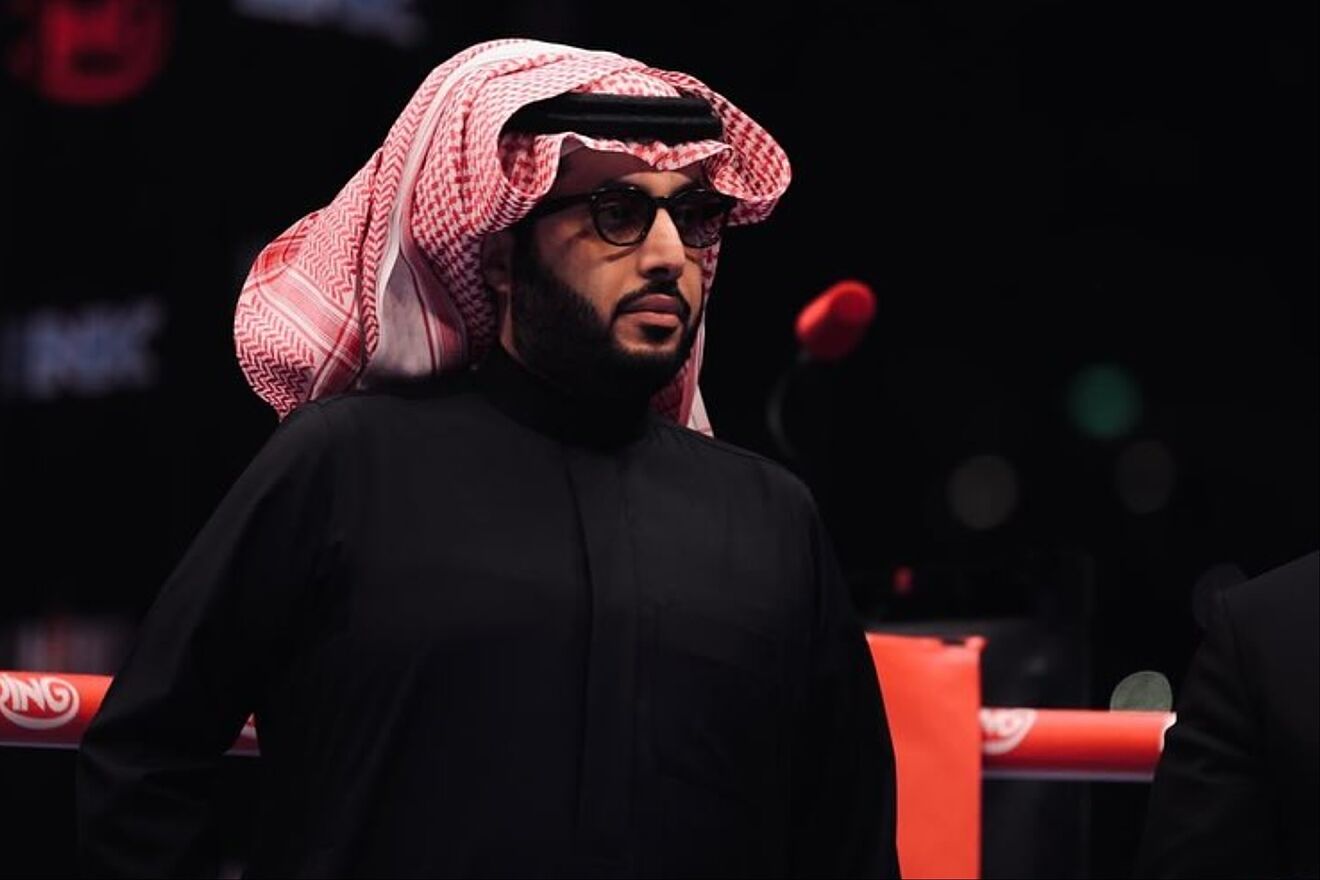
The House of Saud, the ruling royal family of Saudi Arabia, is widely considered the wealthiest family in the world, with a collective net worth estimated at approximately $1.4 trillion. This staggering fortune is distributed among roughly 15,000 family members, though the bulk of the wealth and political power is concentrated within a core group of approximately 2,000 relatives.
To understand the net worth of the Al Saud family in 2026, one must look beyond simple bank balances. Their wealth is a complex tapestry of sovereign control, vast natural resources, global private investments, and an unprecedented scale of real estate holdings. Unlike the fortunes of technology moguls like Elon Musk or Jeff Bezos, which are largely tied to public stock valuations, the Al Saud wealth is intrinsically linked to the state’s resources, specifically the world’s largest oil reserves managed through Saudi Aramco.
The Pillars of Al Saud Wealth
The wealth of the Saudi royal family is not a singular monolithic fund but rather a collection of various asset classes. These range from stipends provided by the government to massive private business empires that span the globe.
Saudi Aramco and the Oil Engine
At the heart of the family's financial power is Saudi Aramco. While Aramco is a state-owned entity, the distinction between the state’s treasury and the royal family’s personal wealth has historically been fluid. Even following the 2019 IPO and subsequent secondary offerings, the Saudi state—and by extension, the monarchy—retains the overwhelming majority of shares.
In 2026, Aramco remains the primary driver of the Kingdom's economy. The dividends generated by the company fund the national budget, which in turn provides the monthly stipends (known as sharshaf) to thousands of royal family members. These stipends vary significantly based on the individual's proximity to the King, with senior princes receiving millions of dollars annually, while more distant relatives receive smaller, yet still substantial, amounts.
The Public Investment Fund (PIF)
Under the leadership of Crown Prince Mohammed bin Salman (MBS), the Public Investment Fund has become the primary vehicle for diversifying the Kingdom’s wealth away from oil. As of 2026, the PIF manages assets exceeding $1 trillion. While the PIF is technically a sovereign wealth fund belonging to the state, its strategic direction is entirely dictated by the senior leadership of the House of Saud.
The PIF's investments in global sports (LIV Golf), technology (SoftBank Vision Fund), and massive infrastructure projects like NEOM serve a dual purpose: they secure the Kingdom’s financial future and project the Al Saud family's influence on the global stage. For the Al Saud, the PIF represents the evolution of their wealth from passive oil extraction to active global capitalism.
Individual vs. Collective Wealth
When discussing the "Al Saud net worth," it is essential to distinguish between the family as an institution and the individual billionaires within it.
King Salman bin Abdulaziz Al Saud
As the reigning monarch, King Salman’s personal net worth is estimated to be at least $18 billion. Much of this is tied up in luxury real estate, including a vast network of palaces in Riyadh, Jeddah, and overseas. His wealth is also represented by his control over state mechanisms that allow for the allocation of land and resources.
Crown Prince Mohammed bin Salman (MBS)
The Crown Prince has a personal net worth estimated to be several billion dollars, though his true power lies in his control over the Saudi state’s assets. His most famous personal purchases include the Serene (a $500 million superyacht), the Chateau Louis XIV in France (purchased for $300 million), and the Salvator Mundi painting attributed to Leonardo da Vinci. These assets demonstrate a shift in the family's spending habits toward high-profile, record-breaking acquisitions.
Prince Alwaleed bin Talal
Often referred to as the "Warren Buffett of Arabia," Prince Alwaleed bin Talal was for decades the most visible face of Saudi private wealth. Through his Kingdom Holding Company, he has held significant stakes in Citigroup, Twitter (X), Apple, and the Four Seasons Hotels and Resorts. While his wealth was impacted by the 2017 anti-corruption drive, he remains one of the wealthiest individuals in the family, with a net worth estimated around $15 billion to $20 billion in 2026.
Comparison of Global Wealth Dynasties
To put the Al Saud’s $1.4 trillion net worth in perspective, it is helpful to compare them to other famous wealthy families and individuals.
| Entity | Estimated Net Worth (2026) | Primary Source of Wealth |
|---|---|---|
| House of Saud | $1.4 Trillion | Oil, State Assets, PIF |
| The Walton Family | $300 Billion | Walmart |
| The Mars Family | $180 Billion | Candy & Pet Care |
| The Koch Family | $140 Billion | Koch Industries |
| House of Windsor | $28 Billion | Crown Estate, Duchy of Cornwall |
| Elon Musk | $250 - $300 Billion (Variable) | Tesla, SpaceX |
As the table illustrates, the House of Saud’s collective wealth dwarfs even the richest American corporate dynasties. While a person like Elon Musk may occasionally rival a senior prince in individual net worth, the generational and institutional wealth of the Al Saud is unmatched in human history.
The Role of Real Estate and Luxury Assets
The Al Saud family's wealth is highly visible through their real estate holdings. Within Saudi Arabia, the family owns tens of thousands of square miles of land. This land is often gifted to princes, who then develop it or sell it back to the state for infrastructure projects, a process that has historically been a major source of private wealth accumulation.
Internationally, the family owns some of the most expensive real estate in London, Paris, and the United States. These include:
- The Holme in Regent's Park: A mansion that has seen record-breaking valuations.
- Spanish Estates: Large villas in Marbella that serve as summer retreats for various branches of the family.
- French Chateaus: Including the aforementioned Chateau Louis XIV and estates on the French Riviera.
Beyond land, the family maintains an enormous fleet of private aircraft, including customized Boeing 747s and Airbus A380s that serve as "flying palaces." These assets are not just for transport; they are symbols of the sovereign status the family holds.
Wealth Transparency and the Ritz-Carlton Legacy
A significant turning point in the context of Al Saud wealth occurred in November 2017, when hundreds of princes and businessmen were detained at the Ritz-Carlton in Riyadh. The government described this as an anti-corruption purge. This event resulted in the settlement of over $100 billion in assets back to the state.
From a financial perspective, the 2017 purge signaled a centralization of wealth. It moved assets out of the hands of diverse family branches and into the central control of the state (and by extension, the Crown Prince). In 2026, the "Ritz-Carlton model" continues to influence how the family manages its money, with a greater emphasis on aligning private business interests with the goals of Vision 2030.
Vision 2030 and the Future of the Royal Fortune
The sustainability of the Al Saud wealth is the driving force behind Vision 2030. The family recognizes that their historical reliance on oil is a long-term risk. By diversifying into tourism (the Red Sea Project), manufacturing, and entertainment, they are attempting to convert their finite oil wealth into a perpetual investment machine.
The success of these projects is critical. If Saudi Arabia successfully transitions to a diversified economy, the Al Saud family's net worth will likely remain stable or grow. However, the costs are immense. The Kingdom is spending hundreds of billions of dollars on "Giga-projects" like NEOM. This represents a massive bet of the family’s collective capital on a post-oil future.
Challenges to Asset Valuation
Valuing the Al Saud net worth is notoriously difficult for several reasons:
- Lack of Public Disclosure: As a monarchy, Saudi Arabia is not required to provide the same level of financial transparency as a Western democracy.
- Sovereign vs. Personal: It is often impossible to distinguish where a prince's personal investment ends and a state-backed investment begins.
- Liquidity: While their assets are worth trillions, much of that value is in oil in the ground or massive land holdings that cannot be easily liquidated without affecting the global economy.
- Family Size: With 15,000 members, the "average" wealth of a Saudi prince is high, but the median wealth is much lower, as many junior members have relatively modest lives compared to the senior leadership.
Frequently Asked Questions
Is the House of Saud the richest family in the world?
Yes, collectively, the House of Saud is widely recognized as the wealthiest family globally. Their estimated $1.4 trillion fortune is significantly higher than that of the Walton family (owners of Walmart) or any other royal dynasty, including the British Royal Family.
How do members of the Al Saud family make money?
Members receive monthly stipends from the government. Additionally, many senior royals own private businesses, act as intermediaries for international contracts, or engage in large-scale real estate development. The Public Investment Fund (PIF) also plays a role in the broader economic health of the family.
Does the King of Saudi Arabia own all the oil?
Technically, the oil belongs to the state. However, because the King is an absolute monarch, he has ultimate authority over the state’s resources. The revenues from Saudi Aramco fund the government budget, which provides the royal family with their wealth.
How has Mohammed bin Salman changed the family's wealth?
Crown Prince Mohammed bin Salman has centralized financial control. He has reduced some of the traditional perks and stipends for more distant relatives while focusing the Kingdom's capital on massive, state-led investment projects through the PIF. He has also shifted spending toward high-profile global assets.
What happened to the wealth seized during the 2017 anti-corruption drive?
Approximately $100 billion in cash, real estate, and business entities was transferred to the Saudi state. This move was intended to recoup funds lost to corruption and to ensure that the Kingdom's elite were contributing to the national treasury.
Practical Considerations for the Future
For those analyzing the House of Saud's net worth in 2026, the key metric to watch is the price of oil relative to the progress of Vision 2030. The family's wealth remains highly sensitive to global energy markets. A prolonged period of low oil prices could squeeze the stipends that maintain family unity, while a successful economic diversification would cement their status as the world’s premier financial dynasty for the next century.
Investors and geopolitical analysts should treat the House of Saud not just as a family, but as a sovereign financial entity. Their "net worth" is more than a number; it is the capital base of a nation-state attempting one of the most ambitious economic transformations in modern history.