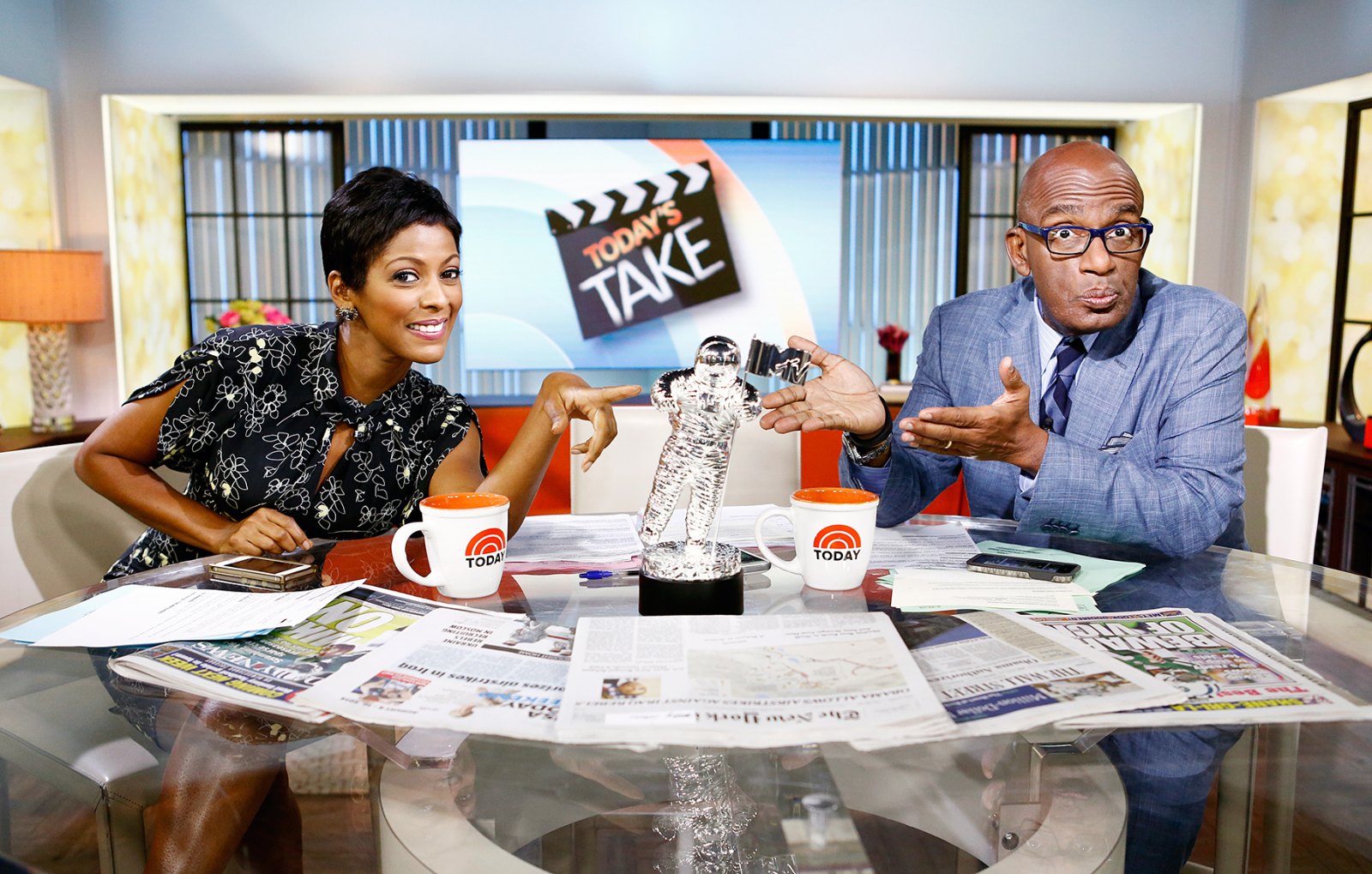
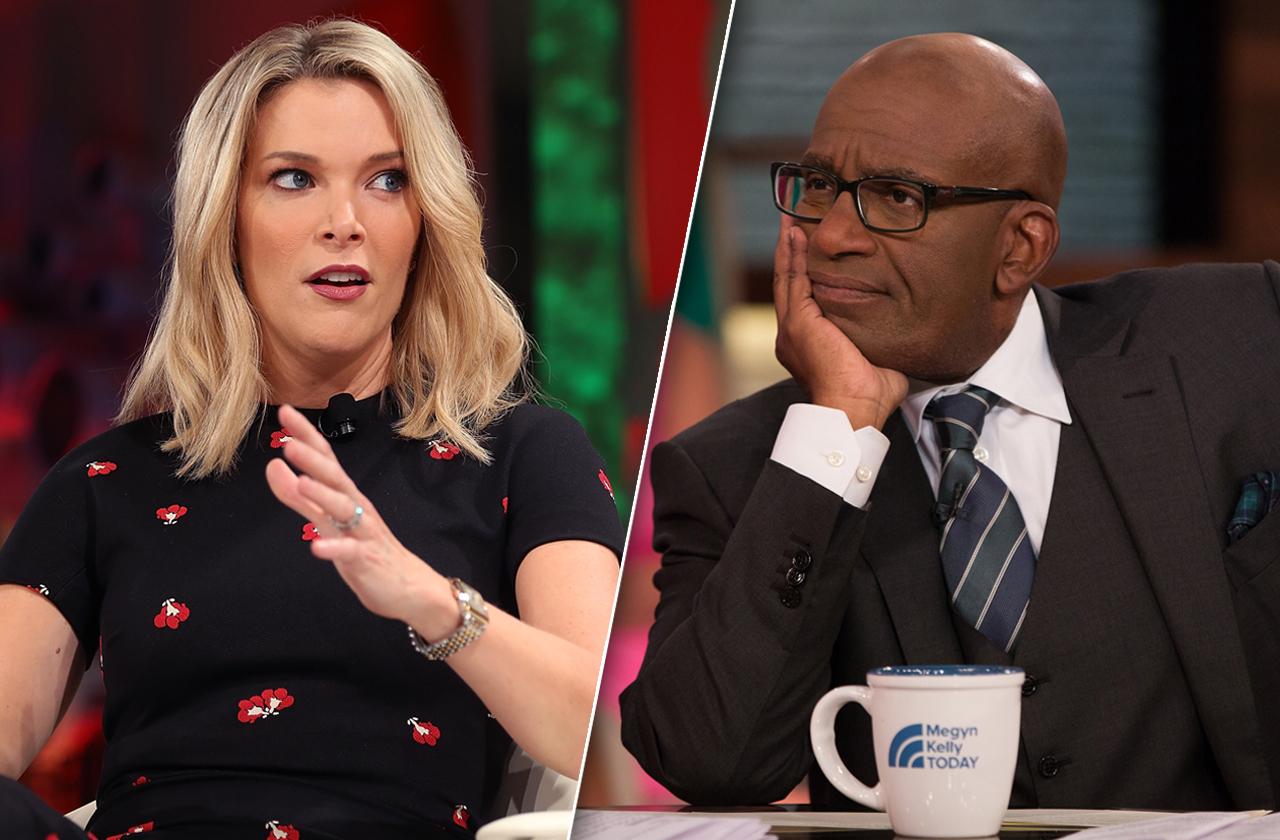
Al Roker’s public rebuke of Megyn Kelly in October 2018 remains a watershed moment in the history of NBC’s Today show. The conflict, centered on Kelly’s defense of blackface in Halloween costumes, led to Roker’s stern televised criticism, Kelly’s swift departure from the network, and a permanent shift in how morning news programs handle internal cultural friction.
The relationship between Al Roker and Megyn Kelly is often cited by media analysts as a case study in "brand incompatibility." When NBC News hired Megyn Kelly from Fox News in 2017 with a massive $69 million contract, the move was intended to modernize the 9:00 AM hour of the Today show. However, the experiment ended abruptly following a specific on-air segment that pitted the network’s longest-serving, most beloved meteorologist against its newest star. To understand the gravity of Al Roker’s stance on Megyn Kelly, one must examine the specific incident, the historical context of blackface that Roker highlighted, and the long-term professional fallout that is still discussed today in 2026.
The 2018 Controversy: A Breakdown of the Segment
On October 23, 2018, during a roundtable discussion on Megyn Kelly Today, Kelly raised the topic of "inappropriate" Halloween costumes. During the segment, she questioned why the use of blackface was considered inherently racist if it was part of a costume for a specific character. Kelly remarked, "But what is racist? Because you do get in trouble if you are a white person who puts on blackface on Halloween, or a Black person who puts on whiteface for Halloween. Back when I was a kid that was okay, as long as you were dressing up as, like, a character."
The backlash was instantaneous. While Kelly attempted to clarify her comments later that day in an internal memo to colleagues, the damage to her standing within the NBC "family" was already done. The following morning, the Today show’s core anchors—who usually project an image of seamless camaraderie—addressed the issue directly. This was the moment Al Roker, a veteran of over 40 years at the network, stepped forward to provide the most significant moral pushback.
Al Roker’s Televised Response and Its Significance
On the morning of October 24, 2018, Al Roker sat alongside Craig Melvin and Hoda Kotb. While Craig Melvin described Kelly’s comments as "indefensible" and "ignorant," it was Roker’s measured but firm critique that carried the most weight. Roker did not merely dismiss the comments as a mistake; he contextualized why they were harmful.
The Content of Roker’s Critique
Roker stated on air: "The fact is, while she apologized to the staff, she owes a bigger apology to folks of color around the country. This is a history, going back to the 1830s, minstrel shows, to debase and devalue a race."
This statement was crucial for several reasons:
- Historical Literacy: Roker moved the conversation beyond "hurt feelings" and into the realm of historical fact. By mentioning minstrel shows and the 19th-century origins of blackface, he educated the audience on why the practice is inextricably linked to systemic racism.
- Accountability vs. Apology: Roker highlighted that an internal memo was insufficient. He argued that because the offense was public and televised, the accountability needed to be equally public.
- The "Moral Compass" Role: As the longest-tenured member of the Today team, Roker’s words acted as the official stance of the show’s legacy. His refusal to "play nice" for the sake of morning TV optics signaled that Kelly had crossed a line that the institution could not ignore.
The Clash of Cultures: NBC vs. Fox News Styles
The tension between Al Roker and Megyn Kelly was not just about a single comment; it was the culmination of a year-long cultural mismatch. Al Roker represents the "Everyman" tradition of morning television—approachable, community-focused, and deeply rooted in the NBC brand. Megyn Kelly arrived with a "combative" style honed in the prime-time opinion slots of Fox News.
Media critics often point out that Kelly’s attempt to bring "hard-hitting" or "politically incorrect" discourse to the 9:00 AM hour failed to resonate with the traditional Today show audience. Roker’s reaction was the final proof that Kelly had failed to integrate into the collaborative, personality-driven culture of the show. While Roker is known for his jovial personality, his serious demeanor during the Kelly controversy showed that the "family" dynamic of the Today show had been fundamentally fractured.
Immediate Professional Consequences and Kelly’s Exit
Within 48 hours of Roker’s comments and the ensuing public outcry, Megyn Kelly Today was pulled from the air. By the end of that week, NBC announced that the show would not return. The negotiations for her exit were protracted, eventually resulting in NBC paying out the remainder of her $69 million contract, totaling roughly $30 million at the time of her departure.
The role of Al Roker in this exit cannot be overstated. If the core anchors had rallied around Kelly, she might have survived the controversy with a public apology tour. However, Roker and Melvin’s refusal to minimize the incident made it impossible for NBC leadership to keep Kelly on the air without alienating their most loyal talent and a significant portion of their viewership.
Comparative Analysis: Al Roker and Megyn Kelly’s Career Trajectories
To understand the long-term impact of this event, it is helpful to look at the divergent paths these two media figures have taken since the 2018 incident.
| Feature | Al Roker | Megyn Kelly |
|---|---|---|
| Primary Network (2018-2026) | NBC News (Today Show) | Independent / SiriusXM |
| Key Brand Identity | Trusted Weather & Lifestyle Anchor | Independent Political Commentator |
| Response to Controversy | Called for historical accountability | Defended "free speech" and criticized "cancel culture" |
| Current Status (2026) | Celebrated veteran and mentor at NBC | Host of The Megyn Kelly Show (Digital/Radio) |
| Legacy Contribution | Expansion of weather reporting and Black media presence | Shift from mainstream broadcast to independent media |
The Legacy of the Conflict in 2026
From the perspective of 2026, the Al Roker and Megyn Kelly incident is viewed as the beginning of the "Accountability Era" in morning television. It set a precedent that high-salaried stars are not immune to the cultural standards of their networks.
Impact on Diversity and Inclusion
Roker’s stand empowered other journalists of color within major networks to speak up when they felt a colleague’s rhetoric was harmful. It moved the needle from "behind-the-scenes" HR complaints to "on-air" corrections. This transparency has become a standard in modern media, where viewers expect anchors to hold one another to the same standards they apply to interview subjects.
The Evolution of Morning TV Programming
Following Kelly’s exit, NBC reverted the 9:00 AM hour to a more traditional Today format (Third Hour of Today), featuring Al Roker, Craig Melvin, Sheinelle Jones, and Dylan Dreyer. This shift back to a "team-first" approach proved more successful and stable than the "solo-star" experiment. The ratings stabilized, proving that the audience valued the chemistry and shared values of the ensemble—personified by Roker—over the provocations of a high-profile outsider.
Frequently Asked Questions
Did Al Roker and Megyn Kelly ever reconcile?
Publicly, there has been no formal reconciliation between Al Roker and Megyn Kelly. While Roker has occasionally been asked about the incident in subsequent years, he has generally maintained that his comments were about the issue of blackface and its history, rather than a personal vendetta. Kelly, on the other hand, has frequently criticized NBC’s leadership and its "woke" culture on her independent platforms, often referencing her exit as a moment of unfair treatment.
Why was Al Roker’s voice specifically so influential in this case?
Roker’s influence stems from his longevity and his status as a "safe" and "trusted" figure. Unlike a political pundit, Roker is a household fixture who has been in Americans' living rooms for decades. When someone with his reputation for kindness and professionalism takes a hard line, it signals to the general public that the issue is not a matter of partisan politics, but a matter of basic decency and historical truth.
What happened to the 9:00 AM time slot after the controversy?
The time slot was rebranded as Today 3rd Hour. It moved away from the talk-show format of Megyn Kelly Today and returned to a news-and-lifestyle ensemble format. This change was highly successful, with the "3rd Hour" team (including Roker and Melvin) consistently winning their time slot in the years following the change.
Did Craig Melvin agree with Al Roker?
Yes, Craig Melvin was equally vocal. He called Kelly’s comments "indefensible" and noted that they were particularly "stupid" given the context of the current cultural climate. While Roker focused on the historical weight of blackface, Melvin focused on the immediate ignorance and lack of empathy Kelly displayed toward her colleagues of color.
Has Megyn Kelly addressed Al Roker’s comments specifically?
In various interviews following her exit, Megyn Kelly has suggested that the reaction from her NBC colleagues was part of a broader effort to push her out. While she hasn't always singled out Roker by name in a negative way, she has characterized the on-air rebukes as a betrayal by a network that she felt should have protected her.
Final Perspective: Accountability in the Public Eye
The Al Roker vs. Megyn Kelly incident was never just about a Halloween costume. It was about the boundaries of mainstream broadcasting and the responsibility of media figures to understand the historical weight of their words. Al Roker’s decision to speak up demonstrated that even in the lighthearted world of morning television, there is a place for moral clarity and historical truth.
For viewers and media professionals alike, the takeaway remains clear: technical skill and fame cannot shield a broadcaster from the consequences of cultural insensitivity. In 2026, we see a media landscape that is more cautious, more historically aware, and more appreciative of veterans like Al Roker, who prioritize the integrity of the institution over the comfort of their colleagues.
Next Action: To further understand the evolution of NBC’s programming, research the transition of the Today show's 3rd Hour following 2018, focusing on the ratings recovery and the introduction of more diverse lifestyle segments.