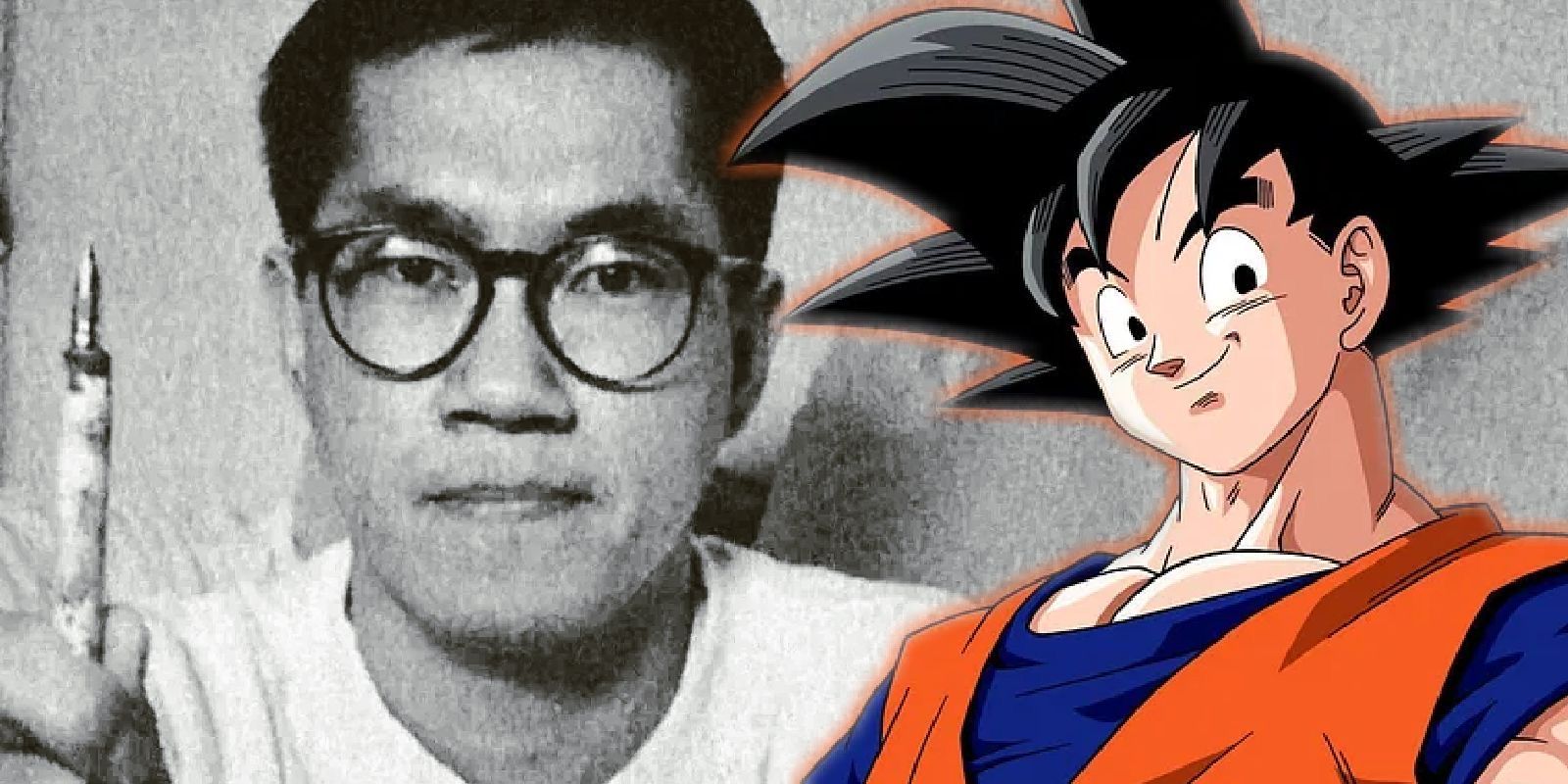
Akira Toriyama, the legendary manga artist and creator of the global phenomenon Dragon Ball, passed away on March 1, 2024, at the age of 68 due to an acute subdural hematoma. His death marked the end of an era for the medium, leaving behind an unparalleled legacy that continues to influence modern storytelling, character design, and global pop culture as of 2026.
The Passing of a Visionary: Understanding the Events of March 2024
The news of Akira Toriyama’s death was kept private for one week, as per the wishes of his family, before being officially announced by Bird Studio and Capsule Corporation Tokyo on March 8, 2024. The cause of death was identified as an acute subdural hematoma—a condition where blood collects between the skull and the surface of the brain, usually following a head injury. This sudden loss occurred while Toriyama was still actively involved in several high-profile projects, including the then-upcoming Dragon Ball DAIMA and the continued supervision of the Dragon Ball Super manga.
His passing triggered a global wave of mourning that transcended the typical boundaries of the anime and manga community. World leaders, including those from France and several Latin American nations, issued official statements of condolence. This reaction highlighted Toriyama's unique position not just as a cartoonist, but as a cultural ambassador whose work bridged geographic and linguistic divides.
The Artistic Foundations: From Dr. Slump to Global Stardom
Before the world knew Goku, Akira Toriyama established himself as a master of gag manga with Dr. Slump (1980–1984). Set in the whimsical Penguin Village, the series followed the misadventures of the inventor Senbei Norimaki and his powerful, child-like robot daughter, Arale.
The Success of Dr. Slump
Dr. Slump was a massive success in Japan, winning the Shogakukan Manga Award in 1981. It showcased Toriyama’s signature art style: clean lines, highly expressive characters, and a fascination with mechanical designs and anthropomorphic animals. The series established the lighthearted, often irreverent tone that would eventually find its way into the early chapters of Dragon Ball.
The Dragon Ball Revolution
In 1984, Toriyama launched Dragon Ball, initially inspired by the Chinese classic Journey to the West. What began as a comedic adventure story evolved into a martial arts epic that redefined the shonen genre. By introducing concepts like power levels, grand-scale transformations (Super Saiyan), and serialized high-stakes battles, Toriyama created the blueprint for modern action manga.
The serialization lasted until 1995, but its conclusion was merely the beginning of its global dominance. Through the Dragon Ball Z anime adaptation, Toriyama’s work became the gateway for millions of viewers in the West, Latin America, and Southeast Asia to enter the world of Japanese animation.
Beyond the Page: Influence on Gaming and Design
Toriyama’s contribution to the creative world was not limited to manga. He was a cornerstone of the Japanese role-playing game (JRPG) industry, specifically through his work with Square Enix (formerly Enix and Square).
Dragon Quest
Since the first Dragon Quest game in 1986, Toriyama served as the primary character and monster designer for the series. His distinct style gave the franchise a recognizable identity, moving away from the dark, gritty visuals of Western RPGs toward something more vibrant and approachable. Iconic monsters like the "Slime" became symbols of gaming culture largely due to his charming designs.
Chrono Trigger and Blue Dragon
Toriyama was part of the "Dream Team" (alongside Hironobu Sakaguchi of Final Fantasy fame and Yuji Horii of Dragon Quest) that developed Chrono Trigger in 1995. His character designs for Crono, Lucca, and Robo are cited as key reasons for the game’s enduring popularity. Later, he provided the visual foundation for the Blue Dragon series on the Xbox 360, proving his designs could transition effectively into 3D high-definition environments.
| Project Category | Key Titles | Toriyama's Role |
|---|---|---|
| Manga | Dr. Slump, Dragon Ball, Sand Land, Cowa! | Author & Illustrator |
| Video Games | Dragon Quest (Series), Chrono Trigger, Blue Dragon | Character & Monster Design |
| Anime | Dragon Ball DAIMA, Sand Land: The Series | Story, Concept, & Design |
| Film | Dragon Ball Super: Super Hero, Sand Land | Screenwriter & Designer |
The Industry Reaction: Tributes from Fellow Creators
The death of Akira Toriyama saw an unprecedented outpouring of respect from his peers. Eiichiro Oda, the creator of One Piece, and Masashi Kishimoto, the creator of Naruto, both published lengthy emotional tributes. Oda referred to Toriyama as a "giant tree" that provided shade for all subsequent manga artists, while Kishimoto described Toriyama as a "God of Manga" who inspired him to pursue a career in the industry.
These tributes underscored a fundamental truth: without the foundations laid by Dragon Ball, the "Big Three" of the 2000s (One Piece, Naruto, and Bleach) might never have existed in their current forms. Toriyama simplified the visual language of action, making it easier for readers to follow complex movements across panels, a technique that remains the gold standard for comic book choreography.
Managing the Legacy: The Future of Dragon Ball in 2026
As of 2024, the management of Toriyama's intellectual property shifted toward a structure designed to preserve his vision while allowing the franchises to grow. The establishment of "Capsule Corporation Tokyo" was a strategic move to manage the branding and development of Dragon Ball separately from the traditional editorial oversight of Shueisha.
The Role of Toyotarou
Since the launch of Dragon Ball Super, artist Toyotarou has been the chosen successor to Toriyama’s pen. Initially working under Toriyama’s direct supervision and story outlines, Toyotarou has gradually taken on more creative responsibility. Following Toriyama’s death, the Dragon Ball Super manga entered a period of hiatus before resuming with a renewed focus on honoring the creator’s original intentions while expanding the lore of the multiverse.
Posthumous Releases
Projects that were in active development at the time of his passing, such as Dragon Ball DAIMA, served as a final gift to fans. Toriyama was more involved in DAIMA than in many previous anime entries, contributing heavily to the story, character designs, and world-building. Similarly, the Sand Land project—which included a feature film, a series, and a video game—reintroduced audiences to one of Toriyama’s more personal, short-form works, showcasing his mastery of vehicle design and desert aesthetics.
Why Toriyama's Work Resonated Globally
To understand the impact of "Akira Toriyama is dead," one must understand why his work was so universally loved. It wasn't just the flashy battles; it was the accessibility of his themes.
- Simplicity of Character: Goku is a character driven by the simple desire to be better than he was yesterday. This universal motivation makes him relatable across all cultures.
- Visual Clarity: Toriyama's backgrounds were often sparse, which allowed the characters and their actions to pop. His use of "chi" or "ki" energy provided a visual shorthand for power that required no translation.
- Humor Amidst Drama: Even in the darkest moments of the Cell or Buu sagas, Toriyama never lost his sense of whimsy. This balance prevented his work from becoming overly self-important or grim.
- Mechanical Ingenuity: Toriyama had a deep love for motorcycles, cars, and futuristic aircraft. His designs were often "chunky" and rounded, giving them a tactile, functional feel that fans of all ages found fascinating.
Frequently Asked Questions
What was the official cause of Akira Toriyama's death?
Akira Toriyama passed away due to an acute subdural hematoma. This is a type of bleeding near the brain that typically occurs after a head injury. While the specific circumstances of the injury were not disclosed to the public, the medical cause was confirmed in the official statement by his production company, Bird Studio.
Will the Dragon Ball Super manga continue without him?
Yes, the Dragon Ball Super manga has continued under the illustration and story guidance of Toyotarou. While Toriyama previously provided the "plot points" or "scripts," the series now moves forward using his established notes and the creative synergy he built with Toyotarou over nearly a decade of collaboration.
What was Toriyama's final project?
Toriyama was heavily involved in several projects during his final years. Dragon Ball DAIMA is considered his final major television work where he had significant creative input on the story and character concepts. Additionally, the Sand Land multimedia project was a major focus of his final years, bringing one of his favorite 2000-era manga to a modern audience.
How did the gaming industry honor him?
Beyond social media tributes, several games he worked on, such as Dragon Quest and Dragon Ball Xenoverse, featured in-game memorials or special events to honor his contribution. Square Enix has confirmed that his designs will continue to be used in upcoming Dragon Quest titles, as he had already completed a significant amount of work for future entries before his passing.
Where can I see Akira Toriyama's original art?
Original art by Toriyama is occasionally displayed at the Shonen Jump exhibits in Japan. Additionally, his hometown of Kiyosu and various museums in Nagoya have hosted retrospectives of his work. Fans can also find high-quality reproductions in the Dragon Ball and Dr. Slump art books, such as Dragon Ball: A Visual History.
Practical Steps for Fans to Honor His Legacy
For those looking to explore Toriyama's work beyond the mainstream hits, several actions are recommended. First, read Sand Land or Cowa!; these shorter works capture his personal artistic preferences more closely than the massive Dragon Ball epic. Second, consider playing Chrono Trigger or a Dragon Quest title to see how his art style influences the "feel" of a virtual world.
Finally, supporting official releases ensures that his estate and the studios he built can continue to maintain his work for future generations. As we look back from 2026, it is clear that while the man is gone, the "Toriyama Style" remains a permanent pillar of the creative world.