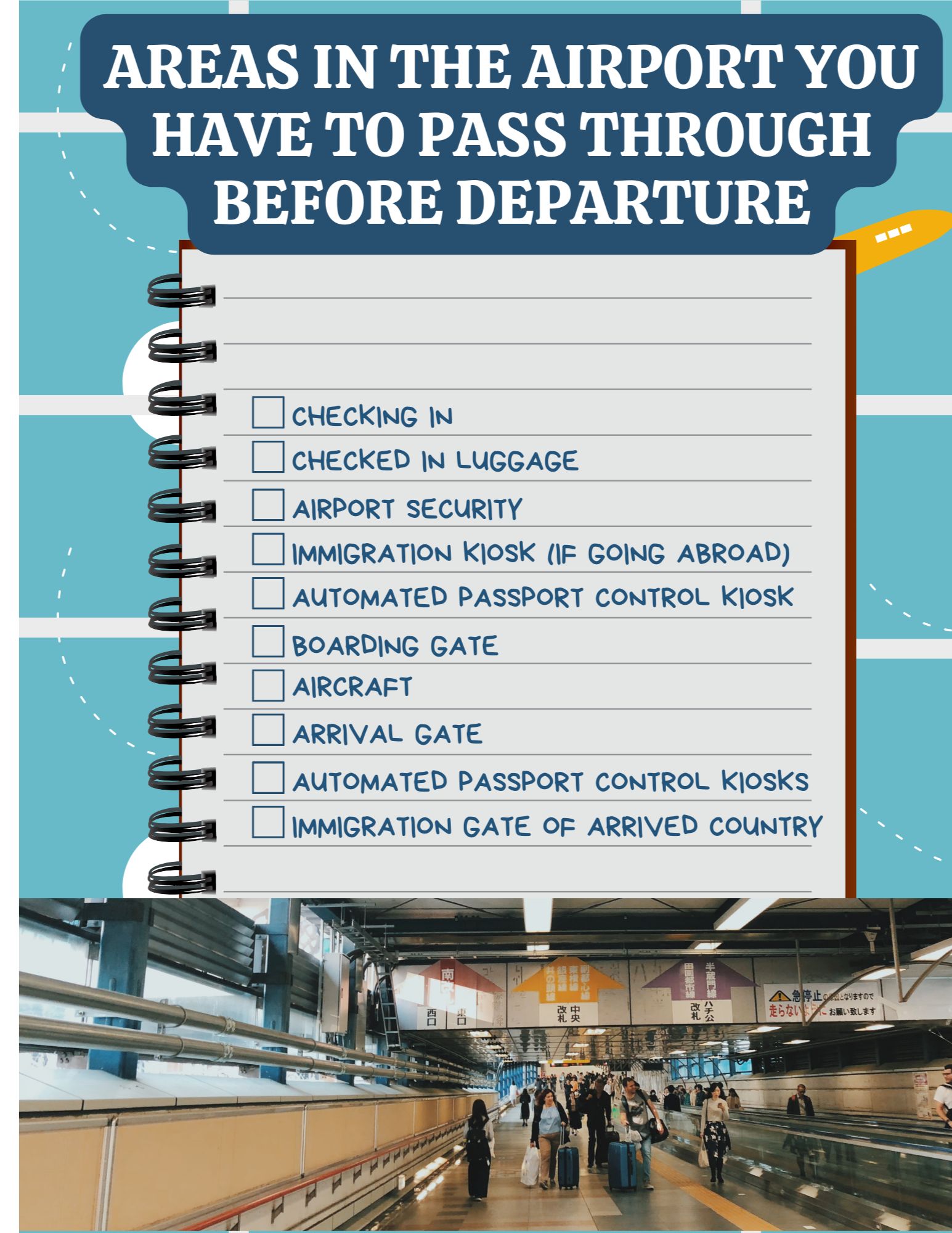
To navigate the airport successfully in 2026, you must coordinate essential travel documents, adhere to current security regulations regarding liquids and electronics, and manage your arrival timing based on your flight type. This checklist ensures you meet all legal requirements, optimize your packing for security efficiency, and maintain a seamless transition from the curb to your gate.
Essential Documentation and Digital Credentials
In 2026, the landscape of travel documentation has shifted toward a "digital-first" but "physical-backed" approach. Whether you are traveling domestically or internationally, your credentials are the most critical items on your airport checklist.
Identity Verification and Real ID Compliance
For domestic travelers within the United States, REAL ID compliance is no longer a future deadline; it is a standard requirement for boarding federally regulated aircraft. Ensure your driver’s license or state ID has the star symbol in the upper right corner. If you do not have a REAL ID, a valid U.S. passport, permanent resident card, or federally recognized tribal photo ID is necessary.
For international travel, your passport remains the gold standard. Check the expiration date carefully. Many countries enforce a six-month validity rule, meaning your passport must be valid for at least six months beyond your date of departure from that country. Furthermore, ensure you have at least two blank "visa" pages; some immigration authorities will not stamp "amendment" pages at the back of the booklet.
Digital Wallets and Biometric Profiles
Many major hubs in 2026 utilize biometric boarding and "One-ID" systems. Before leaving for the airport, ensure your airline’s mobile app is updated and your digital boarding pass is added to your smartphone’s wallet. This prevents issues with cellular connectivity at the security podium. If you are enrolled in programs like TSA PreCheck, Global Entry, or CLEAR, verify that your Known Traveler Number (KTN) is correctly attached to your reservation to ensure the appropriate indicators appear on your boarding pass.
Visas and Health Documentation
While many health-related entry requirements have stabilized, some jurisdictions still require digital health declarations or proof of specific vaccinations (such as Yellow Fever for certain tropical regions). Use the International Air Transport Association (IATA) Travel Centre to verify the current visa and health entry requirements for your specific destination. Carry physical copies of your travel insurance policy and emergency contact information, as digital devices can fail or run out of battery during long transit periods.
Pre-Flight Logistical Milestones
The success of your airport experience is often determined 24 to 48 hours before you arrive at the terminal. Following a structured timeline allows you to resolve issues before they become emergencies.
The 24-Hour Check-In Window
Check in as soon as the window opens, typically 24 hours before departure. This is your primary opportunity to confirm your seat assignment and, more importantly, to verify that there are no last-minute equipment changes or schedule adjustments. During this process, you can often "pre-pay" for checked luggage. In 2026, many airlines charge significantly higher fees for bags paid for at the airport counter compared to those settled online.
Transport and Parking Reservations
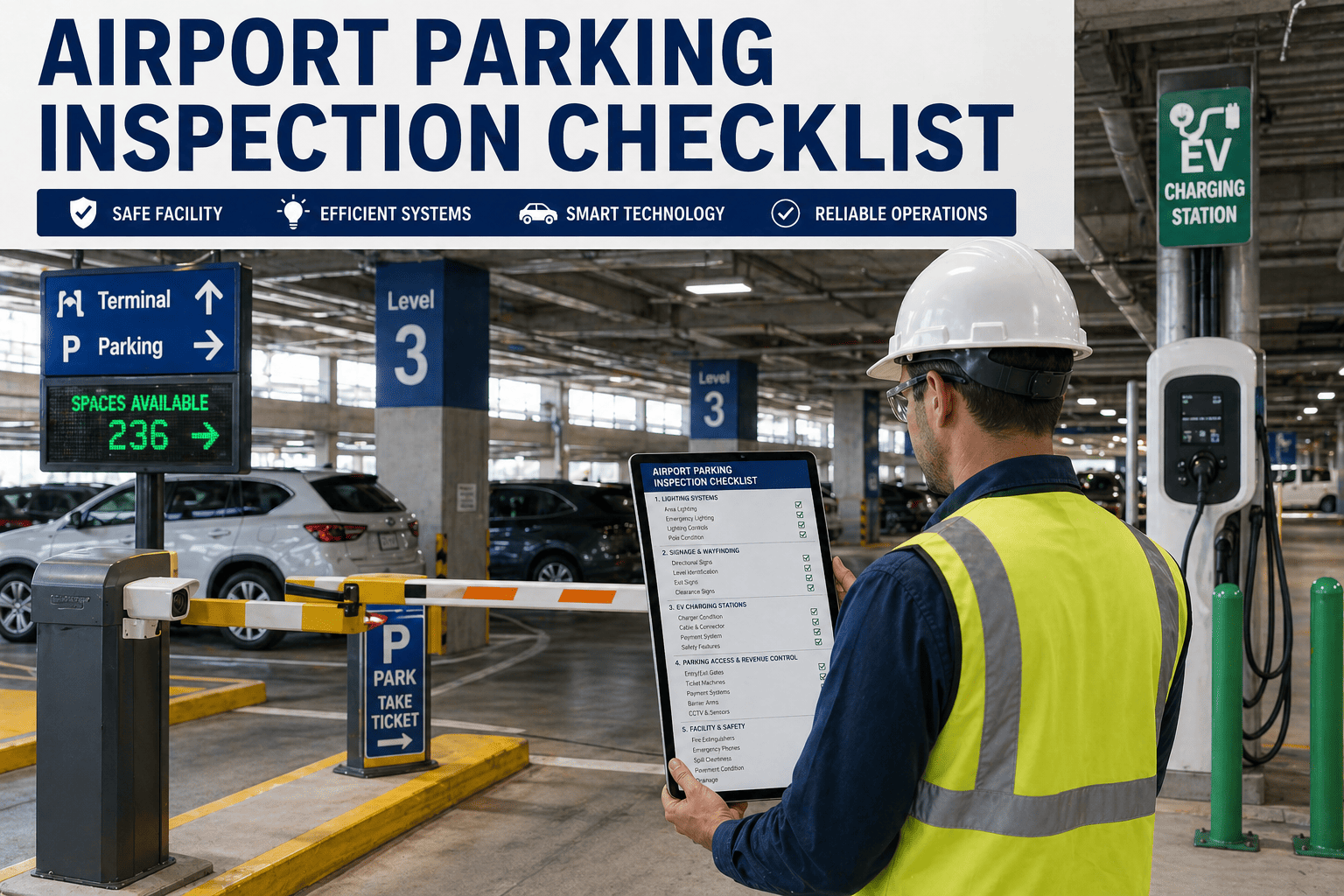
Airport parking lots at major hubs frequently reach capacity during peak seasons. If you plan to drive, reserve your parking spot in advance. Alternatively, if using a rideshare service, schedule your pickup to account for "surge" periods. Aim to arrive at the airport at least two hours before domestic flights and three hours before international flights. These windows account for potential delays in luggage drop-off lines and security throughput.
The 2026 Packing Standard: Security and Compliance
Packing is a technical exercise in maximizing space while minimizing friction during the security screening process. Understanding current TSA and international equivalent standards is vital.
The 3-1-1 Rule for Liquids
Despite the introduction of advanced CT scanners at many security checkpoints, the 3-1-1 rule largely remains the standard for carry-on luggage. All liquids, gels, and aerosols must be in containers of 3.4 ounces (100ml) or less, and all containers must fit into a single, clear, quart-sized bag.
- Exceptions: Medically necessary liquids, breast milk, and baby formula are permitted in larger quantities but must be declared to officers for manual inspection.
- Pro-Tip: Consolidate your "solids" (like bar soap or stick deodorant) outside of your liquids bag to save space.
Electronics and Lithium Batteries
Modern travel involves a high volume of lithium-ion batteries. These are generally prohibited in checked luggage due to fire risks. All power banks, spare laptop batteries, and loose lithium batteries must be in your carry-on. In 2026, most airlines limit passengers to batteries with a capacity of 100 watt-hours (Wh). If you are carrying high-capacity professional equipment (up to 160 Wh), you may need specific airline approval.
Prohibited Items and Sharp Objects
Always double-check your carry-on for items that are frequently confiscated:
- Pocket knives (of any length).
- Safety razors (refillable blades are okay, but straight blades are not).
- Large tools (wrenches or screwdrivers longer than 7 inches).
- Self-defense sprays (mace or pepper spray).
Airport Checklist Timeline: From 72 Hours to Boarding
The following table provides a structured breakdown of the actions you should take to ensure a smooth transition through the airport environment.
| Timeframe | Action Item | Critical Detail |
|---|---|---|
| 72 Hours Out | Document Audit | Verify Passport validity and print visa/insurance backups. |
| 48 Hours Out | Packing Completion | Weigh bags to ensure they meet airline-specific limits. |
| 24 Hours Out | Digital Check-in | Confirm seat; download boarding pass to digital wallet. |
| 6 Hours Out | Flight Status Check | Monitor airline app for gate changes or delays. |
| 3 Hours Out | Arrival (Intl) | Arrive at terminal; proceed to bag drop. |
| 2 Hours Out | Arrival (Dom) | Arrive at terminal; enter security queue. |
| 45 Mins Out | Gate Presence | Most airlines begin boarding 30–50 minutes before takeoff. |
Navigating the Terminal: From Curb to Gate
Once you arrive at the airport, your focus shifts to physical navigation and time management.
Luggage Drop-Off and Kiosks
If you have checked bags, locate your airline’s kiosks. Many airports in 2026 have transitioned to self-tagging systems. You will print your own bag tags, attach them, and place the luggage on a motorized belt after a quick ID scan. Ensure you remove all old tags and stickers from previous flights to prevent sorting errors in the automated baggage handling system.
Security Screening Procedures
At the security checkpoint, be prepared for two types of screening:
- Standard Screening: You will likely need to remove your shoes, light jackets, and 3-1-1 liquids bag. Large electronics (laptops and tablets) must usually be placed in a separate bin unless the lane is equipped with newest-generation CT scanners.
- TSA PreCheck/Expedited Lanes: You can generally keep your shoes on and leave electronics and liquids inside your bag.
Regardless of your status, empty your pockets entirely. Small items like tissues, coins, or gum wrappers can trigger "anomalies" on body scanners, leading to time-consuming pat-downs.
Gate Etiquette and Final Checks
Once airside (past security), locate your gate immediately before visiting lounges or restaurants. Gate assignments can change with little notice. Use the airport's Wi-Fi to double-check the "Scheduled Departure" versus the "Estimated Departure." If you have a long layover, 2026 terminal designs often include quiet zones or nap pods; use these, but set a vibrating alarm on your watch or phone so you do not miss your boarding group.
International Travel Specifics
International transit requires an additional layer of scrutiny, particularly regarding customs and currency.
Customs and Currency Declarations
Most countries require you to declare if you are carrying more than the equivalent of $10,000 USD in cash or negotiable instruments. Failure to declare can result in seizure. Additionally, be aware of "Duty-Free" limits. While you can purchase alcohol or tobacco at the airport, you must ensure you are not exceeding the import allowance of your destination country.
Duty-Free Liquids on Connections
If you purchase duty-free liquids (like perfume or spirits) at your departing airport and have a connecting flight, these items must be placed in a Security Tamper-Evident Bag (STEB). Do not open this bag until you reach your final destination, as you may have to pass through security again at your connecting hub.
Common Pitfalls and Troubleshooting
Even with a perfect checklist, travel can be unpredictable. Knowing how to react to common issues can save your trip.
What to Do If You Lose Your ID
If you arrive at the airport and realize you have lost your primary ID, do not panic. The TSA has procedures to verify your identity using other methods, such as credit cards, social security cards, or even through public records databases. However, this process takes significantly longer and involves an intensive secondary screening. Arrive at least an extra hour early if this occurs.
Managing Flight Delays and Cancellations
In 2026, passenger rights are more robust, but you must be proactive. If your flight is canceled, use the airline’s mobile app or "virtual assistant" kiosks to rebook yourself immediately. This is often faster than waiting in a physical line at the customer service desk. If the delay is the airline's fault (mechanical or crew issues), you may be entitled to meal vouchers or hotel accommodations. Consult the U.S. Department of Transportation (DOT) Airline Customer Service Dashboard for a clear view of what each airline is committed to providing.
Frequently Asked Questions
Can I bring a reusable water bottle through security in 2026?
Yes, you can bring a reusable water bottle through security as long as it is completely empty. Most modern airports have specialized hydration stations located just past the security checkpoints where you can refill your bottle with filtered water for free.
How do I know if my power bank is allowed on the plane?
Check the "Wh" (Watt-hour) rating printed on the device. If it only lists "mAh" (milliampere-hours), you can calculate the Wh by multiplying the (mAh x Voltage) and dividing by 1,000. Most power banks are 3.7V. A 20,000mAh battery is roughly 74Wh, which is well within the 100Wh limit allowed by the FAA and TSA.
Do I need to print my boarding pass, or is a digital one enough?
While a digital boarding pass is sufficient at 99% of airports in 2026, it is highly recommended to have a backup. This could be a high-quality screenshot (in case the app fails) or a physical printout. If your phone battery dies or the airport’s scanners have trouble reading your screen, a paper backup can prevent you from being sent back to the check-in counter.
What are the rules for bringing food through the airport?
Solid food items (sandwiches, fruit, nuts, etc.) are generally permitted through security. However, foods that are "spreadable" or "pourable"—such as yogurt, peanut butter, or jams—are subject to the 3-1-1 liquids rule. If these items are larger than 3.4 ounces, they will be confiscated.
When should I use an airport lounge?
Lounge access is beneficial if you have a layover longer than two hours or if you need a quiet environment for work. Many travel credit cards offer "Priority Pass" or specific airline lounge access. In 2026, many lounges require a reservation during peak hours due to capacity limits, so check availability through your lounge provider's app before you arrive.
Practical Recommendation for Your Next Trip
To ensure the most efficient airport experience, download the "MyTSA" app and your airline’s specific mobile application at least 48 hours before departure. These tools provide real-time data on security wait times, gate changes, and baggage tracking. By combining this digital oversight with a physical audit of your documents and a compliant packing strategy, you minimize the variables that cause travel stress. Your final step before leaving the house should always be a "pocket check" for your phone, passport/ID, and wallet—the three items that are truly irreplaceable once you reach the terminal.