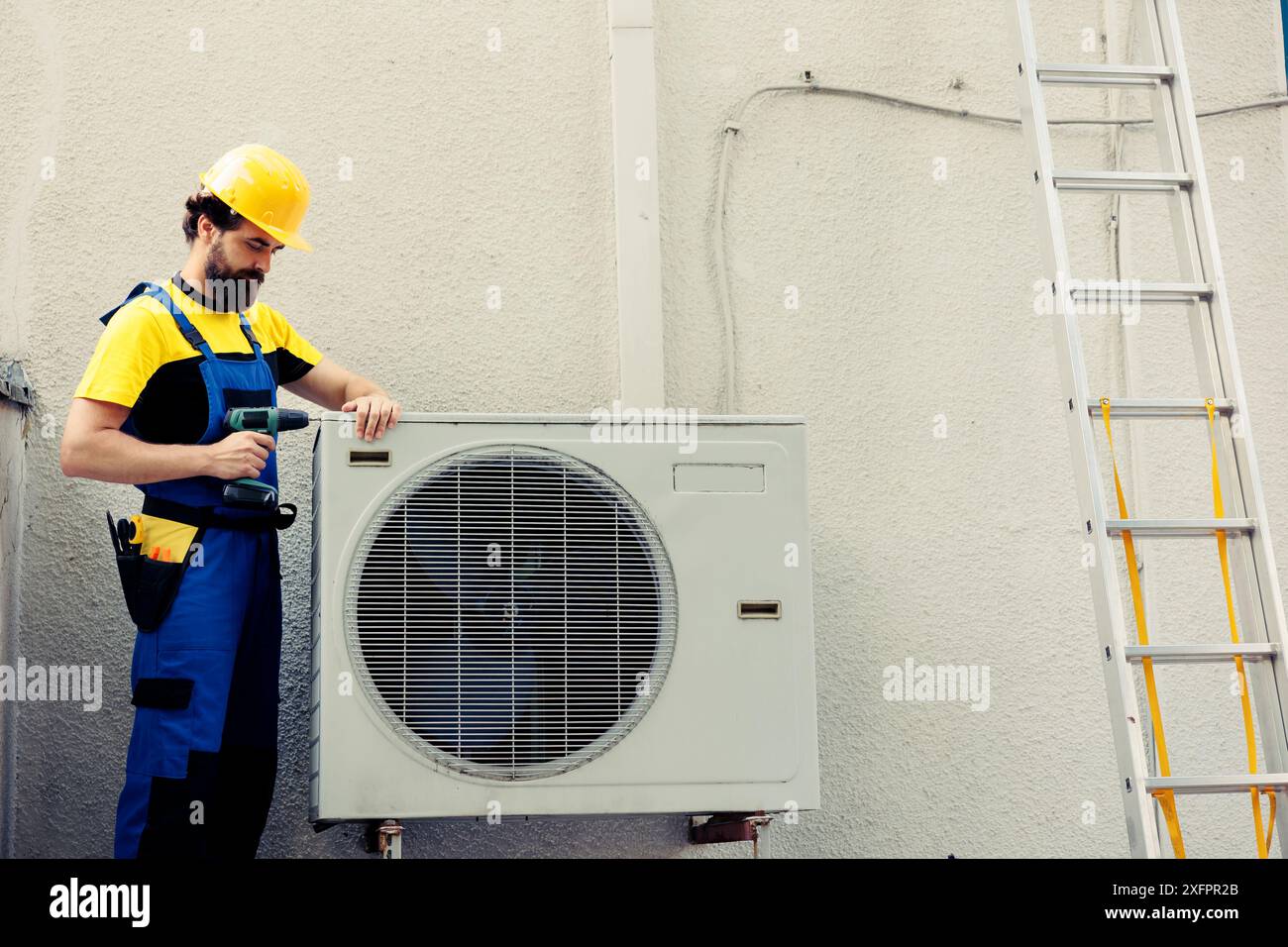
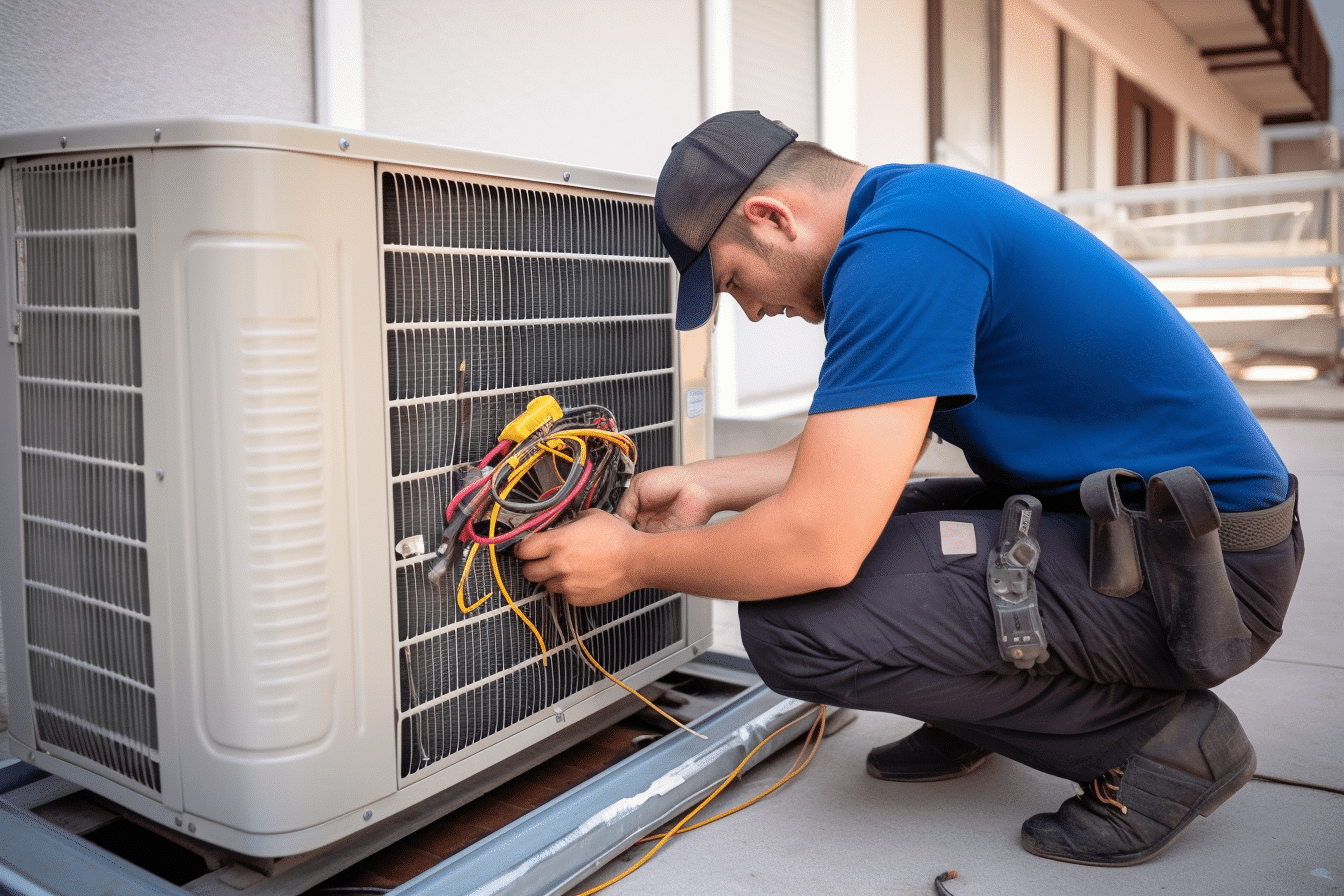
When your cooling system breaks down during the peak of summer, hiring a qualified air condition repairman requires looking beyond a quick online search to verify licensing, technical certifications, and transparent pricing structures. Homeowners must balance urgent response needs with careful vetting to protect their equipment warranty and home safety.
Selecting the right professional to service your home cooling equipment can feel overwhelming, particularly when dealing with an emergency breakdown during extreme weather. An air condition repairman does more than simply replace a broken part; they diagnose complex electrical, mechanical, and thermodynamic failures within a closed-loop system. Understanding what to look for in a qualified technician, how to prepare your home for a service call, and what questions to ask can save you time, money, and unnecessary stress. This guide explores the essential criteria for hiring an HVAC technician, common repair scenarios, cost factors, and preventative maintenance strategies to keep your system running efficiently.
Understanding the Role of an Air Condition Repairman
An air condition repairman, typically referred to as an HVAC (Heating, Ventilation, and Air Conditioning) technician, specializes in the installation, maintenance, and repair of residential and commercial cooling systems. Modern air conditioners are sophisticated appliances that combine high-voltage electrical circuits, delicate control boards, mechanical compressors, and pressurized refrigerant lines.
Because these systems involve hazardous components—including high-voltage electricity and regulated chemical refrigerants—professional intervention is almost always required for major repairs. Technicians undergo rigorous training to understand the refrigeration cycle, electrical schematic reading, and local building codes. Furthermore, federal regulations, such as those enforced by the U.S. Environmental Protection Agency (EPA) under Section 608, legally require technicians working with refrigerants to hold specific certifications to prevent environmental damage.
Key Qualifications and Certifications to Verify
Before inviting a service technician into your home, verifying their professional credentials ensures that the work will be performed safely, legally, and to industry standards. Unlicensed or uncertified work can void manufacturer warranties and lead to costly secondary failures.
State and Local Licensing
Depending on your jurisdiction, heating and cooling contractors must hold a state-issued contractor license. These licenses generally require a minimum number of years of field experience, passage of a comprehensive trade examination, and proof of general liability and workers' compensation insurance. Always ask to see a contractor’s license number and verify it through your state’s licensing board website.
EPA Section 608 Certification
Any technician handling refrigerants such as R-410A or older phased-out compounds must possess an EPA certification. This certification comes in different types (Type I, Type II, Type III, or Universal), with Universal certification indicating the technician is qualified to service all types of stationary refrigeration and air conditioning equipment.
Industry Certifications
Look for technicians holding credentials from recognized industry bodies such as North American Technician Excellence (NATE) or HVAC Excellence. NATE certification is widely considered the gold standard in the heating, ventilation, and air conditioning industry, requiring rigorous testing on actual technical competency.
Common Air Conditioning Failures and Diagnostics
Air conditioning systems display warning signs long before they fail completely. A professional repairman uses specialized diagnostic tools—including manifold gauges, multimeters, and thermal leak detectors—to pinpoint the root cause of a malfunction.
| Symptom | Probable Cause | Typical Resolution |
|---|---|---|
| System blows lukewarm air | Low refrigerant charge, dirty condenser coils, or a failing compressor. | Leak check, coil cleaning, refrigerant recharge, or compressor replacement. |
| Bests short-cycling (turns on and off rapidly) | Oversized unit, faulty thermostat, or restricted airflow from a clogged air filter. | Thermostat calibration, filter replacement, or electrical troubleshooting. |
| Water pooling around the indoor unit | Clogged condensate drain line or a cracked drain pan. | Clearing the drain line with nitrogen or a wet/dry vac; pan replacement. |
| Unusual grinding or squealing noises | Worn-out blower motor bearings or a failing fan belt. | Lubrication, bearing replacement, or belt adjustment. |
| Outdoor unit fails to start | Faulty capacitor, tripped breaker, or bad contactor switch. | Replacing the capacitor, resetting breakers, or swapping the contactor. |
The Service Call Process: What to Expect
Knowing what happens during a professional service visit helps demystify the repair process and ensures transparent communication between you and the technician.
- Initial Assessment and History: The technician will ask about the symptoms you have observed, when the problem started, and the maintenance history of the unit.
- System Diagnostics: The technician tests electrical components, measures voltage and amperage draws on motors, checks refrigerant pressures, and inspects the condition of the air filter and evaporator coil.
- Diagnosis and Proposal: Once the issue is identified, the technician explains the problem, outlines potential solutions, and provides a written estimate before starting any work.
- Execution of Repair: Upon your approval, the technician performs the necessary repair, using specialized tools and OEM (Original Equipment Manufacturer) parts whenever possible.
- Post-Repair Testing: The technician runs a complete cycle test to verify that pressures, temperatures, and electrical draws fall within manufacturer specifications.
Evaluating Repair Versus Replacement Costs
One of the most challenging decisions homeowners face is whether to repair an aging air conditioning system or invest in a full replacement. A reputable air condition repairman should provide objective guidance based on the age, condition, and repair history of the equipment.
The Rule of Thumb (The $5,000 Rule)
A common industry guideline is to multiply the estimated repair cost by the age of the equipment in years. If the resulting figure exceeds the cost of a new replacement system, investing in a replacement is usually more financially prudent. For example, a $1,200 repair on an 8-year-old system equals $9,600, suggesting that replacement should be strongly considered over repair.
Age and Efficiency Considerations
Most central air conditioning systems have an expected lifespan of 10 to 15 years. If your system relies on R-22 refrigerant (which was phased out of production due to environmental regulations), repairs involving refrigerant leaks can be exceptionally expensive. Upgrading to a modern high-SEER (Seasonal Energy Efficiency Ratio) system often yields significant monthly utility savings that offset the initial capital investment.
Questions to Ask Before Hiring a Repairman
To ensure transparency and protect yourself from predatory pricing or unqualified workmanship, ask these targeted questions before authorizing any work:
- Are you and your company fully licensed, bonded, and insured in this state?
- Do your technicians hold NATE or EPA certifications?
- Do you provide upfront, flat-rate pricing, or do you bill by the hour plus materials?
- What warranty do you offer on labor and replacement parts?
- Do you charge a diagnostic or service fee, and is that fee waived if I proceed with the repair?
Frequently Asked Questions
How much does an average air conditioning repair cost?
Minor repairs, such as replacing a standard capacitor or clearing a clogged condensate drain line, typically cost between $150 and $350, including service fees. Major repairs, such as replacing a compressor or repairing a refrigerant leak in the evaporator coil, can range from $900 to over $2,000 depending on parts availability and labor time.
Should I turn off my AC if it is freezing up?
Yes. If ice accumulates on your indoor evaporator coil or outdoor refrigerant lines, turn the system off immediately and switch the thermostat fan setting from "Auto" to "On." This helps melt the ice by blowing room-temperature air across the coil. Running an ice-locked system can permanently burn out the compressor.
How often should I have my air conditioner professionally serviced?
Industry standards recommend scheduling preventative maintenance once a year, ideally in the spring before the cooling season begins. Regular tune-ups include coil cleaning, electrical connection checks, and refrigerant level verification, which help maintain peak efficiency and prevent unexpected breakdowns.
What causes an air conditioner to leak water inside the house?
The most common cause of indoor water leaks is a clogged condensate drain line. As the air conditioner removes humidity from your home, moisture collects on the evaporator coil and drips into a drain pan. If algae, mold, or debris blocks the drain pipe, the pan overflows. Regular flushing of the drain line with a vinegar solution can prevent this issue.
Can I perform air conditioner repairs myself?
Homeowners should limit DIY maintenance to changing air filters, clearing surface debris from the outdoor condenser unit, and keeping the area around vents unobstructed. Due to high-voltage electricity, pressurized chemical refrigerants, and complex control wiring, all technical repairs should be left to a licensed air condition repairman.
Next Steps and Action Plan
When your air conditioning system fails, take a systematic approach to finding a reliable professional. Start by checking your equipment's warranty status to see if parts are covered. Next, gather recommendations from trusted neighbors or verify local contractors through licensing boards and consumer review platforms. Obtain written, itemized estimates from at least two licensed technicians for major repairs, and ensure all work comes with a clear labor and parts warranty. By prioritizing certified expertise and thorough diagnostics, you ensure your cooling system is restored safely and efficiently.