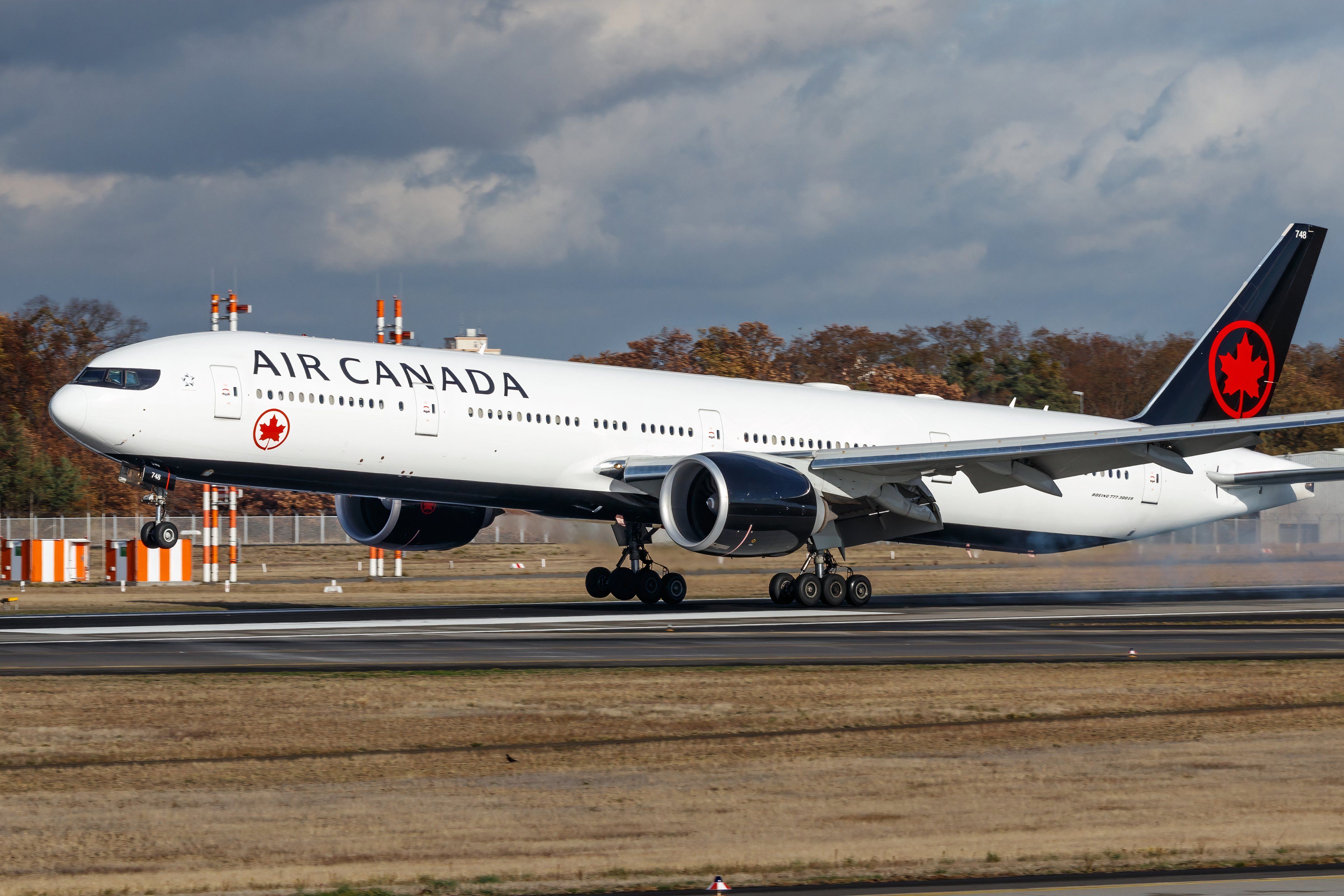
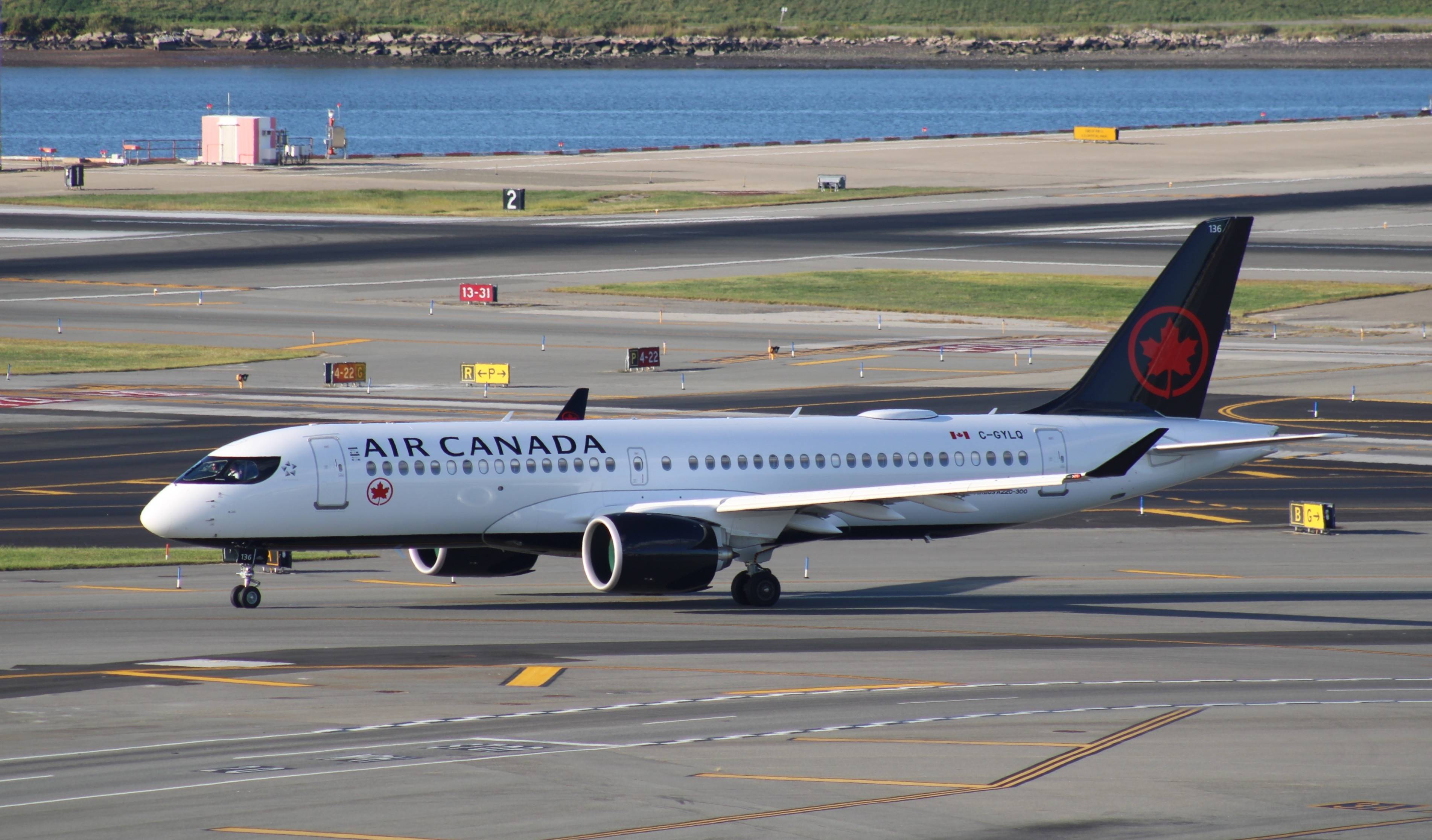
To access the official Air Canada schedule, passengers should use the "Flight Status" or "Timetable" tools on the Air Canada website or mobile app. These resources provide real-time updates on departures, arrivals, and seasonal route adjustments for over 200 global destinations, ensuring travelers can plan itineraries with precision and track potential disruptions.
The Air Canada schedule is a complex, living document that coordinates thousands of flights across domestic, transborder, and international networks. Whether you are a business traveler requiring high-frequency "Rapidair" service between Toronto and Montreal or a leisure traveler looking for seasonal "Sun Destination" flights, understanding how the airline structures its timings is essential for a seamless journey. As of 2026, Air Canada continues to utilize a robust hub-and-spoke model, centering its operations primarily around Toronto Pearson (YYZ), Montreal-Trudeau (YUL), and Vancouver International (YVR).
How to Access the Air Canada Flight Schedule
Navigating the various ways to view the Air Canada schedule allows travelers to choose between real-time data for immediate travel and long-term planning tools for future trips. The airline provides three primary methods for accessing this information.
The Real-Time Flight Status Tool
The most frequently used resource is the Flight Status tool, available on the Air Canada homepage. This tool is designed for passengers traveling within a 48-hour window. Users can search by:
- Flight Number: Best for those who already have a booking and want to see if their specific aircraft is on time or if a gate has been assigned.
- Route: Essential for those checking availability or seeing which aircraft is currently serving a specific corridor (e.g., Vancouver to Tokyo).
The Digital Timetable
For long-term planning, Air Canada maintains a comprehensive digital timetable. Unlike the flight status tool, the timetable displays the "intended" schedule for the coming months. This is particularly useful for travel agents and frequent flyers who need to understand frequency—such as whether a flight operates daily or only on specific days of the week. This tool allows users to download PDF versions or view interactive schedules that cover the entire Air Canada network.
The Air Canada Mobile App
In 2026, the mobile app remains the most efficient way to interact with the schedule. The app pushes notifications regarding schedule changes directly to the user’s device. This includes gate changes, boarding time adjustments, and "inbound flight tracking," which allows passengers to see where their assigned aircraft is coming from before it arrives at their departure gate.
Understanding Schedule Types: Daily vs. Seasonal
Air Canada divides its scheduling logic into two distinct categories: year-round core routes and seasonal expansions.
Year-Round Core Schedules
Core schedules focus on high-traffic corridors and major global financial hubs. These flights remain relatively consistent, with minor timing adjustments made twice a year during the IATA (International Air Transport Association) season changes in late March and late October. For example, the Toronto (YYZ) to London Heathrow (LHR) route typically maintains multiple daily frequencies regardless of the month, as demand remains steady.
Seasonal and "Sun" Schedules
The seasonal schedule is more fluid. During the winter months, Air Canada shifts a significant portion of its narrow-body fleet to serve destinations in Mexico, the Caribbean, and Florida. Conversely, in the summer, the schedule expands to include secondary European cities like Nice, Venice, or Reykjavik.
When viewing the schedule for these destinations, it is critical to note the effective dates. A flight may appear in the search results for July but may not exist in the schedule for November. Travelers should always verify that their return leg falls within the operational window of a seasonal route to avoid being rebooked on a multi-stop itinerary through a major hub.
Key Hubs and Route Network Strategy
Air Canada’s schedule is built around its major hubs. Understanding these hubs helps travelers predict where their connections will occur and how much time they might need between flights.
- Toronto Pearson (YYZ): The primary global gateway. The schedule here is designed in "waves." Early morning waves handle departures to Europe and the Eastern US, while afternoon waves handle arrivals from Europe and departures to Asia and South America.
- Vancouver (YVR): The trans-Pacific hub. The schedule at YVR is optimized for connections to Australia, New Zealand, and Asia. Most Asian departures are scheduled for the late morning or early afternoon to ensure daylight arrivals at the destination.
- Montreal-Trudeau (YUL): The gateway to Francophone markets and a secondary European hub. The schedule here has seen significant growth in 2026, with increased frequencies to North Africa and Southern Europe.
- Calgary (YYC): A strategic hub for Western Canada and seasonal traffic to the Rockies, as well as several key non-stop flights to Europe and Hawaii.
Connection Times and the "Minimum Connection Time" (MCT)
When the Air Canada schedule displays a connecting flight, it adheres to the Minimum Connection Time (MCT). This is the legally required buffer at a specific airport for a passenger to move from one gate to another, including clearing customs if necessary. For example, a domestic-to-international connection in Toronto may have an MCT of 60 minutes, while an international-to-domestic connection requiring CBSA (Canada Border Services Agency) clearance may require 90 minutes.
Technical Factors That Impact the Schedule
A flight schedule is more than just a departure and arrival time; it is a complex alignment of technical variables.
Block Time vs. Flight Time
In the Air Canada schedule, the duration listed is the Block Time. This includes the time from when the aircraft pushes back from the departure gate to when it arrives at the destination gate. It accounts for taxiing and potential holding patterns. This explains why a flight from Montreal to Toronto might be scheduled for 90 minutes, even though the aircraft is only in the air for 50 minutes.
Equipment Changes
The schedule also specifies the aircraft type, such as the Boeing 787 Dreamliner or the Airbus A220. However, the schedule is always "subject to change." Air Canada may perform an equipment swap for maintenance or capacity reasons. If a schedule change involves moving from a wide-body aircraft with "Signature Class" (lie-flat seats) to a narrow-body aircraft with standard "North American Business Class," it can significantly impact the passenger experience.
Slot Constraints
At congested airports like New York-LGA, London-LHR, or Tokyo-HND, Air Canada must operate within strict "slots." These are specific windows of time allocated by the airport authorities. If a flight misses its slot due to a delay, the schedule can be severely impacted, as the airline must wait for a new window to be granted, often leading to cascading delays for subsequent flights using that same aircraft.
2026 Route Frequency Comparison Table
The following table provides an overview of typical weekly frequencies and aircraft usage for key routes in the 2026 Air Canada schedule.
| Route (Origin - Destination) | Avg. Daily Frequency | Primary Aircraft Type | Hub Role |
|---|---|---|---|
| Toronto (YYZ) - London (LHR) | 4-5 Flights | Boeing 777-300ER / 787-9 | Global Trunk Route |
| Vancouver (YVR) - Sydney (SYD) | 1-2 Flights | Boeing 787-9 | Trans-Pacific Link |
| Montreal (YUL) - Paris (CDG) | 2-3 Flights | Airbus A330-300 / 787-8 | Cultural/Business Link |
| Toronto (YYZ) - New York (LGA) | 10+ Flights | Airbus A220-300 | Transborder Shuttle |
| Calgary (YYC) - Frankfurt (FRA) | 1 Flight | Boeing 787-9 | Star Alliance Hub Connection |
| Vancouver (YVR) - Tokyo (NRT/HND) | 2 Flights | Boeing 787-9 | Asian Gateway |
Managing Schedule Changes and Disruptions
Despite the best planning, schedules can change. Air Canada categorizes these into two types: advance schedule changes and operational disruptions.
Advance Schedule Changes
These occur weeks or months before departure. They often result from an airline refining its network or adjusting for seasonal demand. If a flight time changes by more than 3 hours, or if a non-stop flight is changed to a connecting flight, passengers are generally entitled to a refund or a rebooking on an alternative flight at no additional cost under the Air Passenger Protection Regulations (APPR).
Operational Disruptions
These are "day-of" changes caused by weather, mechanical issues, or Air Traffic Control (ATC). In these instances, the "Flight Status" tool becomes the primary source of truth. Air Canada’s automated rebooking system will typically attempt to find the next available flight. It is important to check the "Manage My Booking" section of the website to confirm any new flight timings assigned during a disruption.
Codeshare and Star Alliance Schedules
Many flights listed in the Air Canada schedule are "Codeshare" flights. This means the flight has an Air Canada flight number (e.g., AC6000) but is operated by a partner airline like United Airlines, Lufthansa, or All Nippon Airways (ANA).
When viewing these in the schedule, look for the text "Operated by [Partner Name]." This is crucial because:
- Check-in usually occurs with the operating carrier, not Air Canada.
- Baggage rules may follow the operating carrier’s policies.
- The boarding gate will be located in the partner airline’s terminal area.
Frequently Asked Questions
How far in advance does Air Canada release its flight schedule?
Air Canada typically releases its flight schedule approximately 330 to 360 days in advance. This allows travelers to book nearly a year before their trip. However, keep in mind that schedules for dates far in the future are more susceptible to "Schedule Changes" as the airline adjusts its fleet and route planning closer to the actual date.
Why does my flight number show a different time on my ticket than on the website?
If you see a discrepancy, the website’s "Flight Status" tool is likely the most current. Discrepancies often occur during the transition to Daylight Savings Time or when the airline has made a minor schedule adjustment (5–15 minutes) that has not yet triggered an automated email notification to the passenger. Always rely on the digital version of your boarding pass or the app on the day of travel.
What does "Subject to Government Approval" mean in the schedule?
This note often appears on new international routes. It means that while Air Canada has scheduled the flight and is selling tickets, the final regulatory permissions from the destination country’s aviation authority are still being finalized. In almost all cases, this is a formality, but if approval is denied, the airline will cancel the flight and offer full refunds or alternative routing.
How can I tell if a flight in the schedule is a "non-stop" or a "direct" flight?
In aviation terminology, a non-stop flight goes from Point A to Point B without landing. A direct flight may land at an intermediate airport to pick up passengers or refuel but maintains the same flight number. The Air Canada schedule will clearly indicate the number of stops. If it says "0 stops," it is a non-stop flight.
Does the schedule account for time zone changes?
Yes, all departure and arrival times in the Air Canada schedule are listed in local time. If you depart Toronto at 8:00 AM and arrive in Vancouver at 10:00 AM, the arrival time is in Pacific Time. The schedule accounts for the time difference automatically when calculating the total travel duration.
Final Recommendations for Travelers
To ensure the best experience with the Air Canada schedule, passengers should follow these three practical steps:
- Download the App: Enable push notifications to receive real-time schedule updates that occur while you are en route to the airport.
- Verify the Hub: When booking a connecting flight, check the "Minimum Connection Time" for that specific hub. If the schedule only allows 45 minutes for an international connection, consider choosing an earlier departure to provide a safety buffer.
- Check 24 Hours Prior: Flight schedules can be adjusted up to the day of departure. Perform a final check of your flight status 24 hours before heading to the terminal to confirm the departure time and gate.