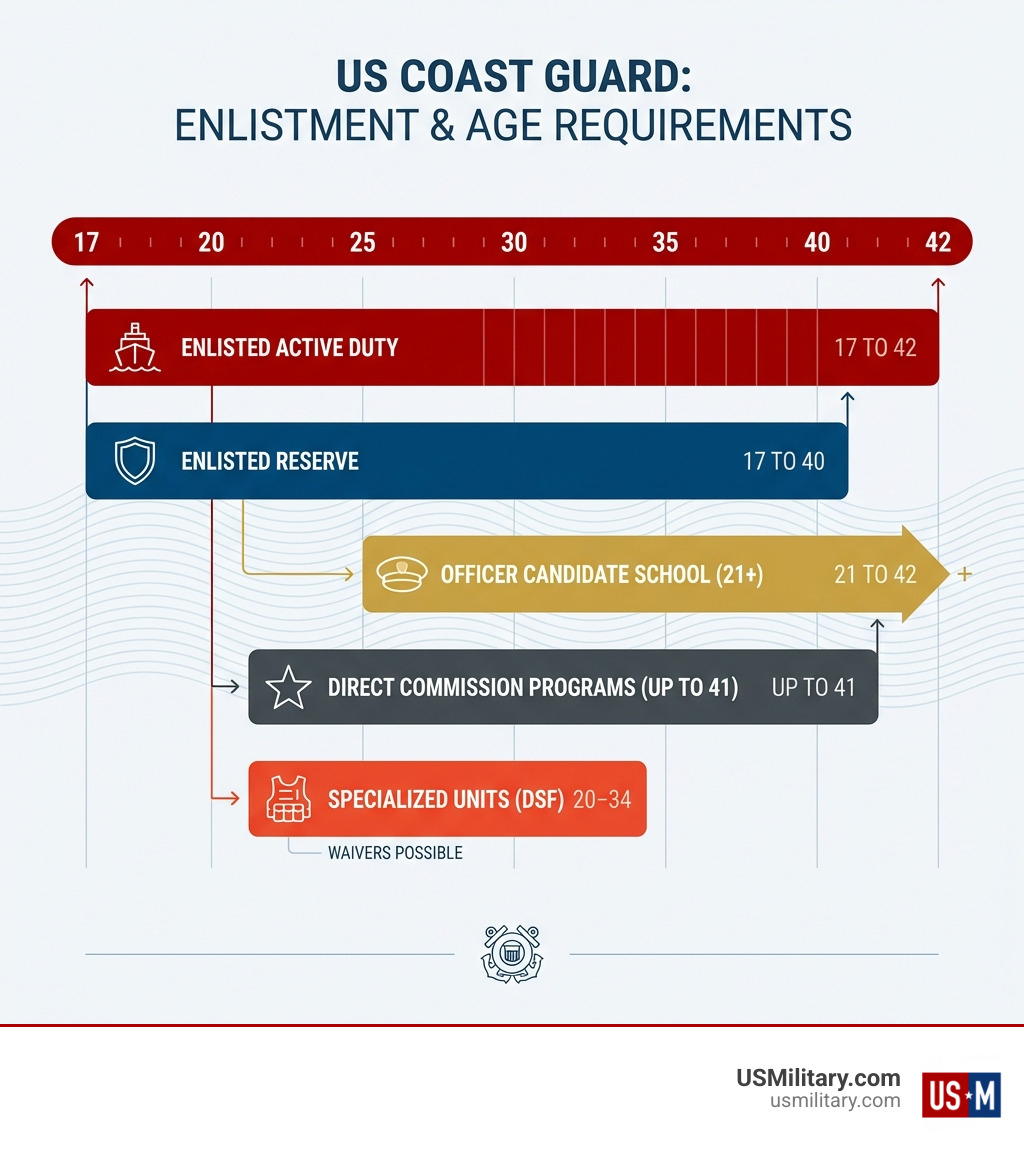
The age requirement for enlisting in the Army or Air National Guard is currently set at a minimum of 17 years old with parental consent and a maximum of 42 years old for new enlistments. While these baseline figures provide a clear entry point, specific eligibility often fluctuates based on prior military service, specialized skill sets, and current recruiting needs defined by the Department of Defense.
Understanding the Minimum Age Threshold
The absolute minimum age to join the National Guard is 17. However, at this age, you are legally considered a minor, which necessitates formal, notarized consent from a parent or legal guardian. This requirement is non-negotiable and serves as a foundational component of the enlistment contract.
When an individual enlists at 17, they generally do so while still enrolled in high school. This pathway is often referred to as the Split Training Option (STO) in the Army National Guard. Under this structure, a recruit may attend Initial Active Duty Training (IADT) during the summer between their junior and senior years of high school, or after high school graduation, before returning to finish their secondary education. It is important to distinguish this from full-time active duty service; the National Guard's part-time nature allows young enlistees to fulfill their service obligations while remaining anchored in their local communities and academic environments.
Prospective recruits must also be enrolled in or have graduated from an accredited high school or possess a GED equivalent. The confluence of age and educational status is a critical check performed during the initial screening process at a Military Entrance Processing Station (MEPS).
The Maximum Age Limit and Waivers
As of 2026, the standard maximum age for enlistment in the Army National Guard is 42. While this threshold is designed to ensure that new soldiers have sufficient time to complete their initial training and fulfill a meaningful service obligation before reaching the mandatory retirement age, it is not always a rigid barrier.
The concept of an "age waiver" is a frequent point of inquiry. Age waivers are determined by the needs of the service and the applicant's specific qualifications. If you are slightly older than the maximum threshold, your recruiter may evaluate whether your background—such as specialized civilian medical, legal, or technical certifications—provides enough value to the organization to warrant a request for an exception to policy.
It is a common misconception that waivers are guaranteed based on need alone. In reality, the military prioritizes physical fitness, medical history, and moral character. If you are nearing the maximum age, the focus of your application shifts toward demonstrating that you can meet or exceed the physical fitness standards required of much younger peers. You should initiate these conversations with a recruiter at least six months before your 43rd birthday to allow sufficient time for administrative processing.
Factors Influencing Eligibility Beyond Age
While age is a primary gatekeeper, the National Guard assesses a holistic profile of every applicant. Being within the correct age bracket does not guarantee entry if other fundamental requirements are unmet.
- Citizenship and Residency: Applicants must be U.S. citizens or permanent residents (Green Card holders).
- Medical Standards: Regardless of your age, you must meet stringent medical fitness standards. This includes passing a comprehensive physical examination at MEPS to identify any disqualifying conditions that could be exacerbated by the rigors of training or deployment.
- Fitness Assessment: You must pass the physical fitness requirements specific to your branch (Army or Air National Guard). For the Army, this involves the Army Combat Fitness Test (ACFT), which measures muscular strength, endurance, and aerobic capacity.
- Legal and Moral Background: All applicants undergo a background check. Significant legal infractions can result in disqualification, though some minor issues may be handled through a waiver process similar to age exceptions.
Comparison of Age and Service Requirements
| Category | Requirement/Limit | Notes |
|---|---|---|
| Minimum Age | 17 Years Old | Parental consent required for those under 18. |
| Maximum Age (Enlistment) | 42 Years Old | Subject to change based on recruiting goals. |
| Education | High School Diploma/GED | Must show proof of graduation or equivalent. |
| Prior Service | Up to 59 Years Old | Varies by branch and individual rank/MOS. |
| Retirement Age | 60+ Years Old | Federal law requires retirement, with exceptions for high-ranking officers. |
The Role of Prior Service in Age Calculations
If you have served in the active-duty military, the Army Reserve, or another branch of the Armed Forces, your age eligibility for the National Guard is calculated differently. In many cases, your "effective age" for recruitment purposes is determined by subtracting your years of prior active service from your current chronological age.
This provision is designed to allow the National Guard to recruit experienced personnel who have already undergone significant training and have a proven track record of service. If you are 45 years old but have five years of prior military service, you may fall within the acceptable window for re-entry. However, this is subject to the specific policies of the state National Guard unit you intend to join, as each state manages its own recruiting requirements in alignment with federal mandates.
Navigating the Enlistment Process
The path to enlistment begins with a visit to a local recruiter. Because requirements are subject to administrative updates, direct consultation with a recruiter remains the most accurate way to verify your eligibility.
- Step 1: Initial Screening. The recruiter will ask for your age, educational status, and medical history. This is the "pre-screen" phase.
- Step 2: ASVAB Testing. The Armed Services Vocational Aptitude Battery is mandatory. Your score determines your eligibility for specific Military Occupational Specialties (MOS).
- Step 3: MEPS Appointment. This is where the formal physical exam and final eligibility verification occur. You will be cleared to take the oath of enlistment only after this rigorous vetting.
- Step 4: Training Assignment. Upon successful enlistment, you will be assigned dates for Basic Combat Training and your Advanced Individual Training (AIT).
Common Mistakes for Applicants
One of the most frequent errors applicants make is misrepresenting their medical or legal history under the impression that minor issues will not be flagged. MEPS conducts deep-background and medical history checks that can uncover undisclosed information. Honesty is the most effective policy, as disclosed issues can often be managed through official waiver channels, whereas discovered omissions can lead to permanent disqualification for integrity concerns.
Another mistake is failing to prepare physically for the entry standards. Do not wait for your enlistment date to start training. Begin a structured workout regimen early to ensure that your physical readiness matches your age-appropriate eligibility.
Frequently Asked Questions
Can I join the National Guard if I am 18 and still in high school? Yes, you can join at 17 or 18 while still in high school. You will typically enlist through the Split Training Option, which allows you to complete initial training during your summer breaks so that your high school education remains uninterrupted.
Do age requirements differ between the Army National Guard and Air National Guard? Yes, the Air National Guard often has different internal recruiting goals and maximum age limits compared to the Army National Guard. Always verify the current age ceiling specifically for the branch you are interested in, as these can be modified based on current force strength needs.
Are there exceptions to the 42-year-old age limit for medical professionals? Yes. In some instances, the military offers age extensions for individuals entering specialized fields such as nursing, medicine, or legal services. These roles are critical to the Guard’s mission and often operate under different personnel management rules than general combat arms enlistments.
What happens if I turn 43 while my application is in progress? If you have already started the application process and have been officially processed by a recruiter before hitting the age limit, your file may continue to move forward. However, it is vital to keep your recruiter informed of your timeline to ensure no administrative deadlines are missed.
Does a GED count the same as a high school diploma for age and entry? A GED is generally accepted for enlistment; however, the military does distinguish between Tier I (high school diploma) and Tier II (GED) applicants. A higher score on the ASVAB is often required if you are enlisting with a GED to compensate for the difference in educational tiering.
Recommendation for Prospective Recruits
If you are considering joining the National Guard, your first action should be to consult the official website of your specific state’s National Guard or the national Army National Guard portal. Because recruiting needs shift based on the fiscal year and current operational tempo, the most reliable information is found through a face-to-face meeting with a local recruiter.
Prior to this meeting, gather your birth certificate, social security card, and high school transcripts. If you have prior service, have your DD-214 (Certificate of Release or Discharge from Active Duty) ready for review. Being organized and prepared demonstrates the maturity and commitment expected of a service member. By confirming your eligibility early and maintaining your physical fitness, you position yourself to navigate the enlistment process successfully.