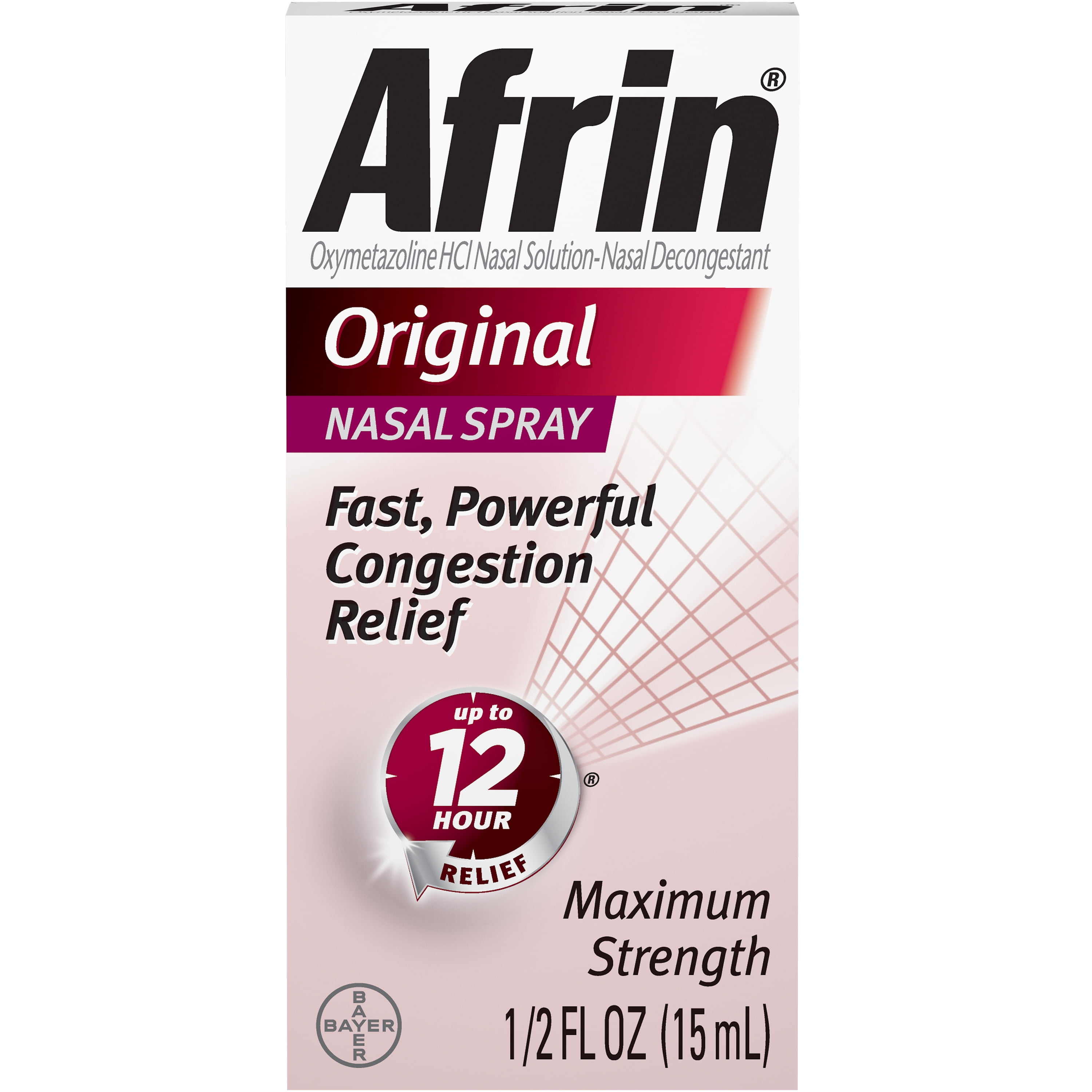
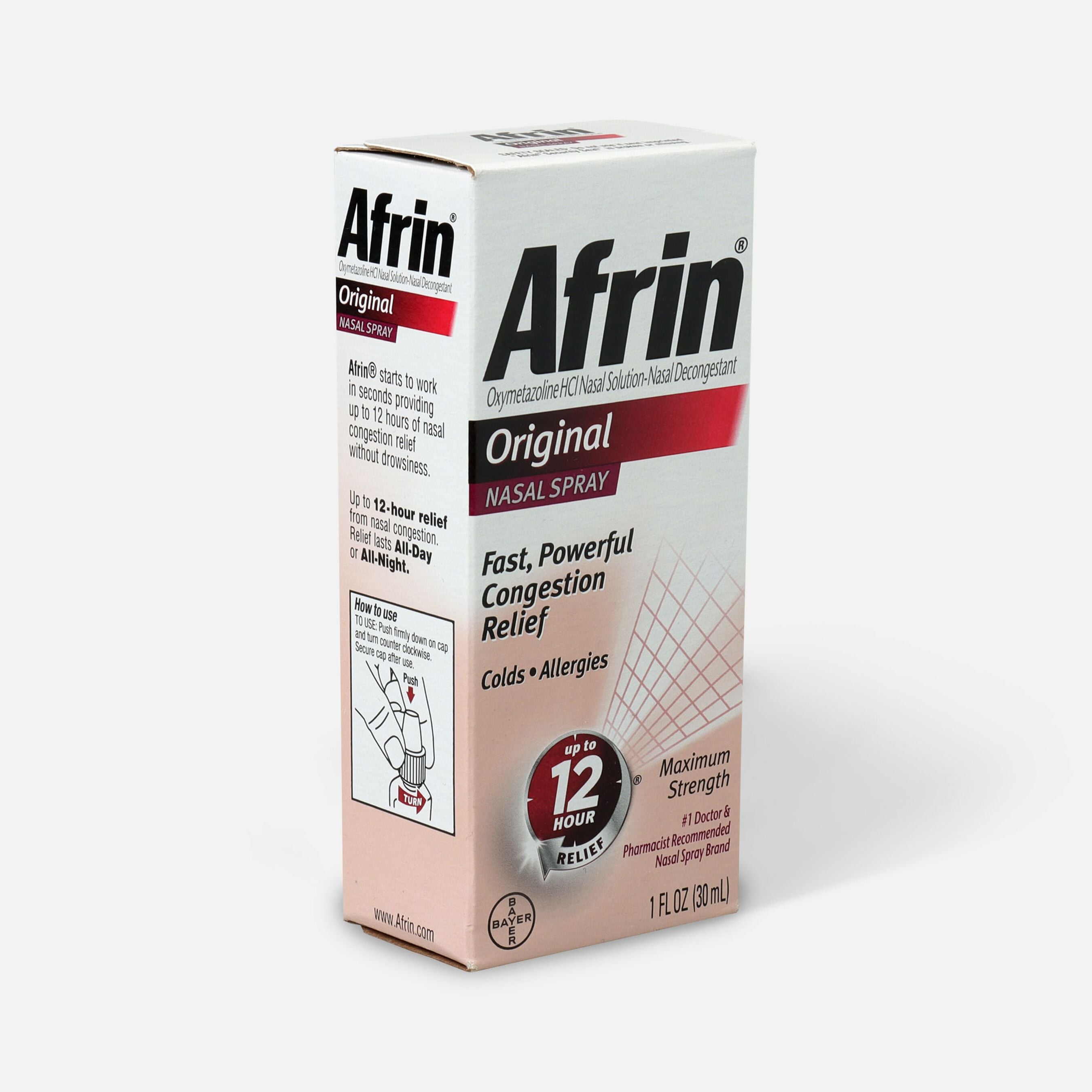
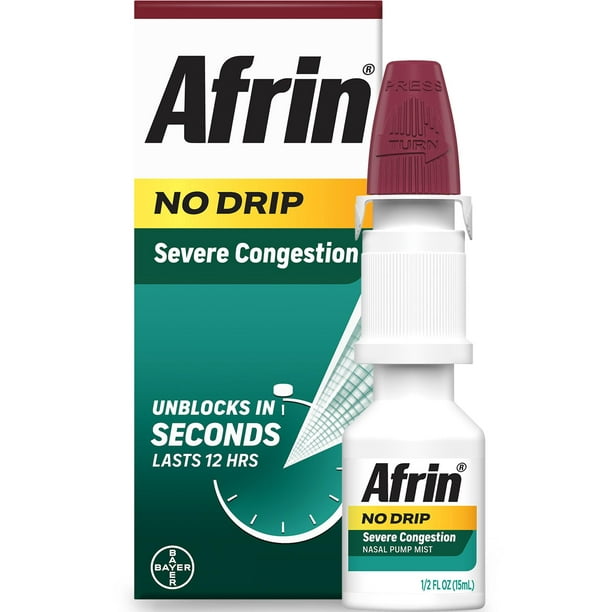
Afrin (oxymetazoline) is generally considered safe for use during breastfeeding when used as directed for short-term relief of nasal congestion. Because oxymetazoline is administered intranasally and acts locally on the blood vessels in the nose, systemic absorption into the mother's bloodstream is minimal. Consequently, the amount of medication that could potentially reach the breast milk is considered negligible, posing a very low risk to the nursing infant.
Understanding Afrin (Oxymetazoline) and Its Mechanism
Afrin is the brand name for oxymetazoline, a topical decongestant classified as a sympathomimetic amine. Specifically, it is an alpha-adrenergic agonist. When you spray Afrin into your nostrils, the medication binds to receptors on the smooth muscles of the nasal blood vessels. This causes the vessels to constrict (vasoconstriction), which reduces swelling in the nasal passages and decreases mucus production.
For a breastfeeding mother, the primary concern with any medication is "systemic availability"—how much of the drug enters the blood and subsequently the milk supply. Unlike oral decongestants like pseudoephedrine (Sudafed), which travel through the entire digestive system and bloodstream, oxymetazoline is designed for localized action. Most of the drug stays within the nasal mucosa. While a small amount may be swallowed or absorbed through the mucous membranes, it is rarely enough to reach therapeutic levels in the mother’s plasma, let alone the breast milk.
As we move through 2026, medical guidelines continue to categorize oxymetazoline as "L2" (Probably Compatible) on the Hale’s Lactation Risk Category scale. This means there is no evidence of adverse effects in infants, and the drug’s properties suggest it is unlikely to cause harm.
Does Afrin Affect Milk Supply?
One of the most common fears for lactating parents is that a decongestant will "dry up" their milk. This fear stems from the well-documented effects of oral decongestants.
The Difference Between Oral and Topical Decongestants
Oral medications like pseudoephedrine are known to potentially reduce milk production by inhibiting the release of prolactin, the hormone responsible for milk synthesis. In some studies, a single dose of oral pseudoephedrine was shown to reduce milk supply by nearly 24% in some women.
However, Afrin functions differently. Because it is a topical nasal spray, it does not circulate through the body in high concentrations. There is currently no clinical evidence suggesting that standard use of oxymetazoline nasal spray reduces milk volume or interferes with the let-down reflex. For mothers who are already struggling with a low supply, staying hydrated and using topical options like Afrin is significantly safer for maintaining supply than taking oral multi-symptom cold medicines.
Factors That Might Indirectly Impact Supply
While the chemical components of Afrin won't lower your supply, the underlying illness might. If you are congested enough to need Afrin, you are likely dealing with a viral infection, such as the common cold or flu. Dehydration, stress, and decreased nursing frequency due to maternal fatigue are the more likely culprits for a temporary dip in milk production during a respiratory illness.
Potential Risks to the Nursing Infant
While the risk to the infant is considered extremely low, it is never zero with any medication. Because oxymetazoline is a stimulant-like compound, parents should monitor their babies for very rare signs of sensitivity.
- Irritability or Restlessness: If a mother uses excessively high doses or uses the spray more frequently than recommended, a tiny amount could theoretically enter the milk. Look for changes in sleep patterns or unusual fussiness.
- Feeding Changes: Monitor if the baby seems less interested in nursing or exhibits a faster heart rate, though these symptoms are highly unlikely with standard nasal doses.
- Premature Infants: If you are breastfeeding a premature infant or a baby with a pre-existing heart condition, consult with a pediatrician before using any sympathomimetic drugs, as these populations are more sensitive to even trace amounts of stimulants.
In the vast majority of cases, the benefits of the mother being able to breathe, sleep, and recover from illness far outweigh the hypothetical risks to the infant.
The "3-Day Rule" and Rebound Congestion
The most significant risk associated with Afrin is not related to breastfeeding at all, but rather to the mother’s own health. This is known as rhinitis medicamentosa, or rebound congestion.
When you use Afrin, the blood vessels in your nose constrict. If you use it for more than three consecutive days, the blood vessels begin to depend on the medication to stay constricted. When the medicine wears off, the vessels swell more than they did originally. This leads to a cycle where the user feels they need more Afrin to breathe, eventually resulting in permanent swelling of the nasal membranes.
Safe Usage Guidelines for 2026:
- Limit Use: Do not use Afrin for more than 72 hours (3 days).
- Frequency: Stick to the labeled dosage, usually two to three sprays in each nostril every 10 to 12 hours.
- One Nostril Trick: If you find yourself needing it longer, try using it in only one nostril at a time to allow the other side to recover naturally.
Comparative Overview of Cold Medications for Breastfeeding
When choosing a treatment for congestion, it helps to compare Afrin against other common options available in 2026.
| Medication | Method | Breastfeeding Safety | Impact on Milk Supply |
|---|---|---|---|
| Afrin (Oxymetazoline) | Nasal Spray | High (Preferred) | Negligible |
| Saline Spray | Nasal Spray | Highest (Safe) | None |
| Flonase (Fluticasone) | Nasal Steroid | High (Safe) | None |
| Sudafed (Pseudoephedrine) | Oral Pill | Moderate (Use caution) | Potential decrease |
| Claritin (Loratadine) | Oral Pill | High (Safe) | None |
| Benadryl (Diphenhydramine) | Oral Pill | Moderate (Sedating) | Potential decrease with long-term use |
Proper Administration Technique for Breastfeeding Mothers
To ensure the least amount of Afrin is absorbed systemically (and thus the least amount reaches your milk), follow these steps for proper administration:
- Blow your nose: Clear your nasal passages before applying the spray to ensure the medication reaches the tissue and isn't just sitting on mucus.
- Keep your head upright: Do not tilt your head back. Tilting back causes the liquid to run down your throat, where it is swallowed and absorbed systemically through the stomach.
- The "Opposite Hand" Rule: Use your right hand to spray into your left nostril, and your left hand to spray into your right nostril. Aim the nozzle slightly outward, away from the septum (the middle wall of the nose).
- Sniff gently: Do not snort forcefully. A gentle sniff is all that is needed to distribute the mist.
- Spit out excess: If you feel the medicine "draining" into the back of your throat, spit it out rather than swallowing it. This further reduces the amount of drug that enters your bloodstream.
Non-Pharmacological Alternatives for Congestion
If you are concerned about using Afrin while breastfeeding, several drug-free alternatives can provide significant relief without any risk to milk supply or the infant.
Nasal Saline Rinses
Using a Neti pot or a saline squeeze bottle is the "gold standard" for breastfeeding safety. Saline thins the mucus and flushes out allergens and pathogens. Since it is just salt and water, there is no limit to how often you can use it.
Steam Inhalation
Taking a hot shower or sitting in a steamy bathroom for 15 minutes can help moisturize the nasal passages. Adding a few drops of eucalyptus oil to the shower floor (away from the baby) can also provide a cooling sensation that makes breathing feel easier.
Hydration and Humidity
Increasing your water intake is crucial for keeping mucus thin. Furthermore, using a cool-mist humidifier in your bedroom during the night prevents the nasal membranes from drying out, which often exacerbates the feeling of congestion.
Elevation
Sleeping with your head slightly elevated by an extra pillow can prevent blood from pooling in the nasal vessels, which naturally reduces nighttime swelling.
When to Contact a Healthcare Provider
While Afrin is an over-the-counter (OTC) solution, certain situations warrant a call to your doctor or lactation consultant:
- Symptoms Persist: If your congestion lasts longer than a week or is accompanied by a high fever, you may have a sinus infection that requires antibiotics.
- Pre-existing Conditions: If you have high blood pressure (hypertension), use Afrin with caution. Oxymetazoline is a vasoconstrictor and can occasionally cause a temporary spike in blood pressure.
- Infant Reaction: If you notice your baby is unusually wakeful, refusing to latch, or has a persistent rapid heartbeat after you use the medication.
- Supply Concerns: If you notice a sudden drop in your milk supply, a lactation consultant can help determine if it's the illness or another factor, and provide a plan to increase production.
Frequently Asked Questions
Can I use Afrin if I have mastitis?
Yes, you can use Afrin if you have mastitis and happen to be congested. Afrin does not interact with the antibiotics typically prescribed for mastitis. However, if you have a fever from mastitis, ensure you are also focusing on rest and hydration.
Is there a specific time I should use Afrin in relation to nursing?
Since systemic absorption is so low, there is no clinical need to "pump and dump" or time your doses around nursing sessions. However, if you want to be extra cautious, you can use the spray immediately after a nursing session to allow the maximum amount of time for the drug to clear your system before the next feed.
Can Afrin cause the baby to be more alert or have trouble sleeping?
While theoretically possible, it is extremely unlikely. The amount of oxymetazoline that reaches the milk is trace at best. If your baby is having trouble sleeping while you are sick, it is more likely due to a change in your routine or the baby catching the same cold you have.
What should I do if I’ve used Afrin for 5 days and I’m breastfeeding?
Stop using the Afrin immediately. You may experience "rebound" congestion where your nose feels even more blocked. To manage this without more Afrin, use a saline nasal spray frequently and consider switching to an intranasal steroid (like Flonase), which is also safe for breastfeeding and can help reduce the inflammation caused by the Afrin withdrawal.
Are there any specific brands of oxymetazoline I should avoid?
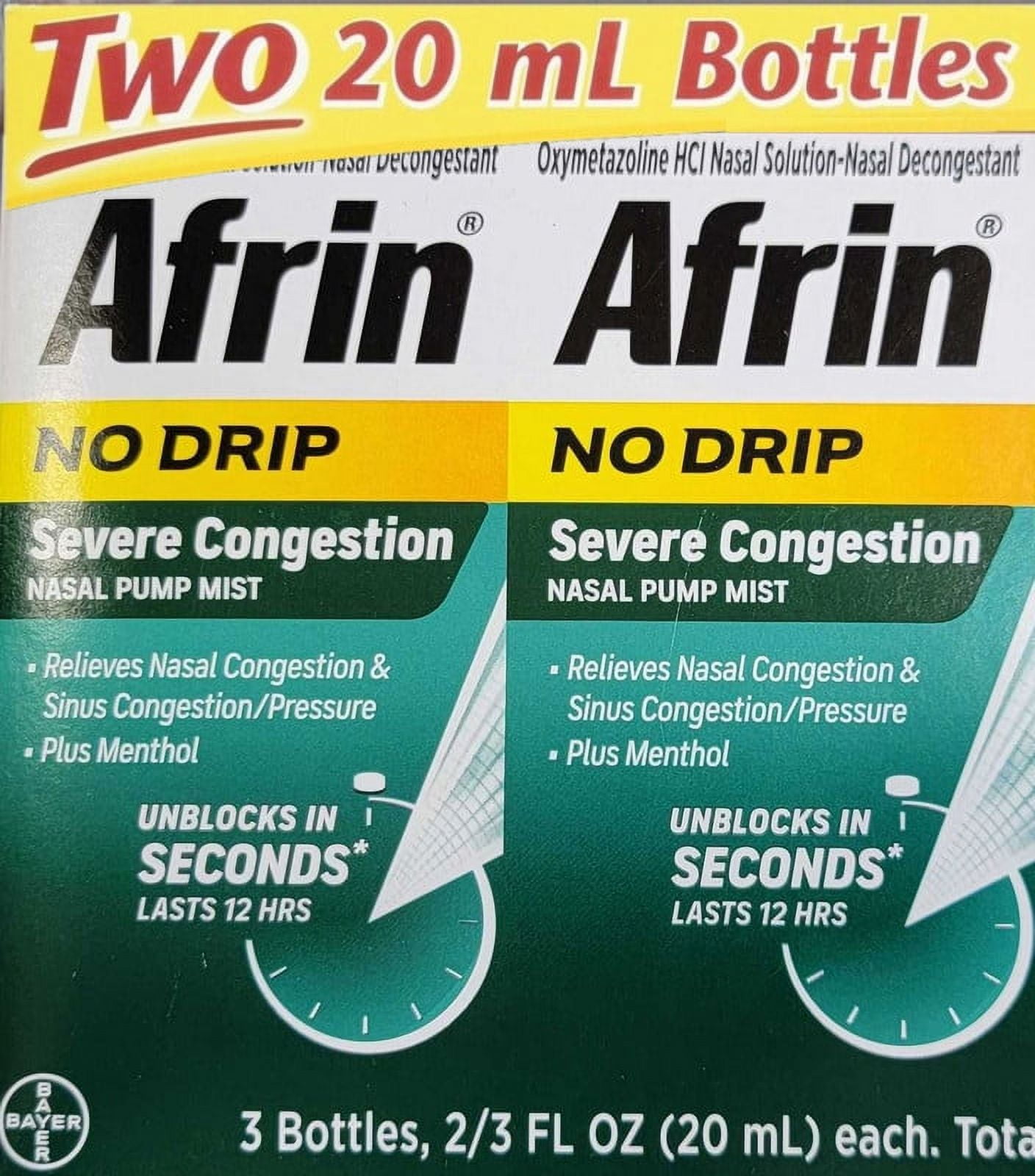
Stick to plain oxymetazoline sprays. Avoid "multi-symptom" or "severe" formulas that include extra ingredients like phenylephrine or oral antihistamines, as these have a higher likelihood of crossing into breast milk or affecting your milk supply.
Practical Recommendations for 2026
If you are a breastfeeding mother struggling with a stuffy nose in 2026, Afrin is a safe and effective short-term tool. To use it most effectively:
- Use it only when congestion prevents you from sleeping or nursing comfortably.
- Adhere strictly to the three-day limit to avoid dependency.
- Prioritize saline rinses as your first line of defense.
- Monitor your hydration levels to protect your milk supply during illness.
By keeping the medication localized to the nose and using the proper technique, you can find relief from your symptoms while ensuring your baby continues to receive safe, high-quality breast milk.