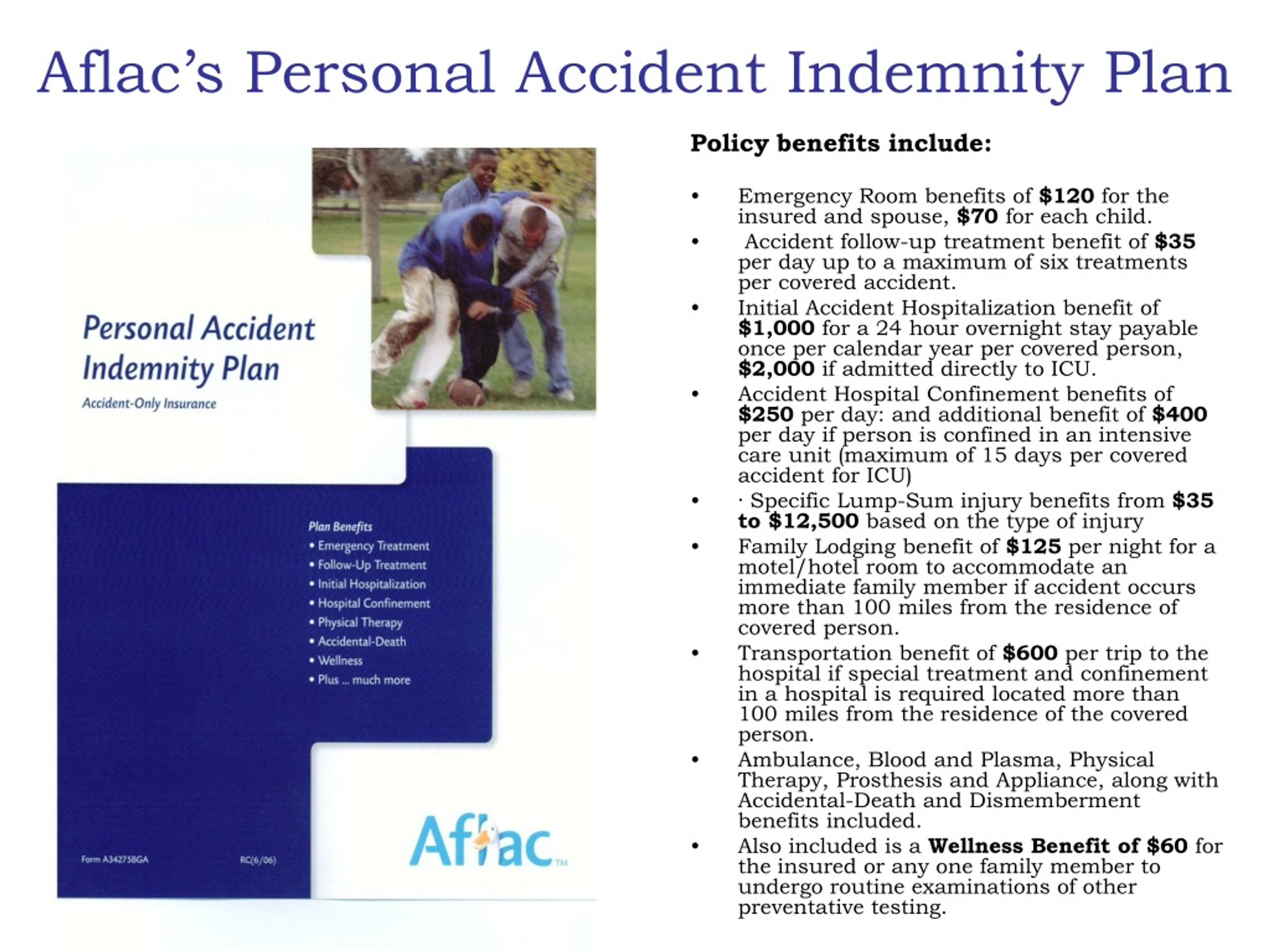
Aflac juvenile whole life insurance provides a permanent life insurance solution for children, offering guaranteed level premiums and cash value accumulation that can be accessed as the child grows. Designed as a long-term financial foundation, these policies allow parents and grandparents to secure coverage early, ensuring insurability regardless of future health changes while providing a potential financial resource for the child's adulthood.
Understanding Juvenile Whole Life Insurance
Juvenile whole life insurance is a type of permanent life insurance policy specifically underwritten for minors. Unlike term life insurance, which provides coverage for a set duration, whole life insurance is designed to remain in force for the child’s entire life, provided the premiums are paid. The "whole life" designation signifies that the policy covers the insured from the date of issue until death, regardless of when that occurs.
For families, the primary appeal of this financial instrument is twofold: the protection of the child’s insurability and the accumulation of cash value. By purchasing a policy while the child is young and healthy, families bypass the risk of the child developing health conditions later in life that could make them uninsurable or subject to higher premiums. As the policyholder makes regular payments, a portion of those premiums is directed toward a cash value component that grows at a guaranteed rate.
How Aflac Policies Operate for Minors
Aflac provides insurance products that function through voluntary benefit arrangements, typically offered through employer-sponsored plans. When considering Aflac for juvenile coverage, it is essential to understand that Aflac’s model is heavily rooted in supplemental benefits. Unlike traditional "child riders" that are added to a parent’s policy, a standalone juvenile whole life policy—when available through specific workplace programs—acts as a distinct contract.
The mechanics of these policies follow a standard structure:
- Application and Underwriting: The policy is initiated by an adult (parent, legal guardian, or grandparent) on behalf of the child. Because the applicant is a minor, the underwriting process is typically streamlined compared to adult policies.
- Premium Payments: Premiums are fixed at the time of purchase. They remain level throughout the life of the policy, which protects the family against future premium hikes.
- Death Benefit: If the insured passes away, the death benefit is paid to the designated beneficiary (usually the policyholder or the child's estate).
- Cash Value Growth: The cash value component acts as a tax-deferred savings element. Over time, this balance increases, and policyholders may be able to borrow against this value or surrender the policy for its cash surrender value, depending on the specific terms of the contract.
Advantages of Starting Early
The decision to purchase juvenile insurance is often driven by the "cost of waiting." When a parent buys a policy for a child, they lock in the child's age-based risk profile. Insurance premiums for a young child are significantly lower than premiums for an adult of the same risk class because the statistical likelihood of a claim in the near future is low.
Furthermore, these policies serve as a financial head start. As the child transitions into young adulthood, they inherit a policy with significant cash value. This can be used to help pay for college tuition, a down payment on a first home, or to supplement their own financial planning as they enter the workforce. By the time the child reaches their 20s or 30s, the policy has been active for years, compounding its financial utility.
Comparison of Financial Protection Options
| Feature | Juvenile Whole Life | Term Life (Child Rider) | Savings Account |
|---|---|---|---|
| Duration | Permanent | Ends when child turns 18-25 | Indefinite |
| Premiums | Guaranteed Level | Included in parent's policy | None |
| Cash Value | Yes (Accumulates) | No | Interest-based |
| Insurability | Guaranteed | Often convertible | N/A |
| Primary Goal | Permanent protection | Low-cost temporary coverage | Liquid savings |
Eligibility and Prerequisites
Accessing Aflac juvenile coverage requires meeting specific eligibility criteria. Because Aflac primarily operates through worksite distribution, the availability of these products is often tied to whether a parent’s employer includes them in their benefit package.
- Employment Requirement: The parent or legal guardian typically must be employed by a company that offers Aflac supplemental insurance to its employees.
- Age Limits: Policies have specific age brackets for the child, generally from birth up to a certain age (often 17 or 18 years old).
- Ownership: The policyholder is the adult, who retains control over the policy until the child reaches the age of majority (usually 18 or 21), at which point ownership can be transferred to the child.
- Documentation: Applicants will need to provide proof of identity for the child, such as a birth certificate or social security documentation, during the enrollment process.
Navigating the Enrollment Process
If you have determined that your employer offers Aflac juvenile coverage, the next step is to participate in the open enrollment period or a special enrollment window. During these times, you can speak with an Aflac benefits coordinator.
Preparation is key to a smooth enrollment. Before your meeting, calculate how much coverage you realistically need. You should consider your family's current financial obligations, funeral costs, and the future financial goals you have for your child. Ask the representative specifically about the policy’s "guaranteed insurability" features—this is a critical aspect that allows the child to increase their coverage amount at certain life stages (like marriage or purchasing a home) without needing to undergo a medical exam.
Limitations and Considerations
While juvenile whole life insurance provides clear benefits, it is not a "one-size-fits-all" solution. It is crucial to view this as a component of a broader financial strategy rather than a primary investment vehicle.
- Employer Dependence: If you leave your job, you may need to evaluate how the policy portability functions. While you can often keep an Aflac policy by transitioning to direct premium payments, it is vital to understand the administrative changes involved.
- Liquidity Constraints: While cash value is available, withdrawing it can reduce the death benefit and potentially have tax implications. This should not be treated as a high-liquidity savings account.
- Cost vs. Alternative Investments: Some financial planners argue that the premiums paid for whole life insurance could generate higher returns if invested in a custodial brokerage account (such as a UTMA/UGMA). However, this lacks the death benefit protection and the locked-in insurability provided by an insurance contract.
Frequently Asked Questions
Can I purchase an Aflac juvenile policy without being employed by an Aflac-participating company? Generally, no. Aflac’s distribution model is built around worksite benefits. You must check with your company's Human Resources department to see if Aflac is currently an available benefit and if juvenile whole life is offered under your plan.
What happens to the policy when the child turns 18? In most cases, the policy remains active. Once the child reaches the age of majority, the policyholder can transfer ownership to the child. The child then becomes the owner and the payor, gaining control over the cash value and the right to designate beneficiaries.
Is the death benefit taxable? Generally, life insurance death benefits are paid out to beneficiaries income-tax-free under current federal tax laws. However, tax laws can change, and you should consult with a tax advisor regarding your specific situation and the potential for estate tax implications.
Can I change the beneficiary later? Yes. As the policyowner, you have the right to change the beneficiary at any time while the policy is in force, provided the change is submitted in writing to the insurance company according to their established procedures.
Does this policy cover medical bills if my child gets sick? No. Aflac whole life insurance provides a death benefit and potential cash value accumulation. It is not a health insurance policy and does not provide reimbursement for doctor visits, hospital stays, or surgical procedures. For those needs, you would require supplemental health-specific products like accident or critical illness coverage.
Next Steps for Families
To begin the process, verify the status of your company’s benefits package. Contact your HR representative or your Aflac agent to request a "summary of benefits" for the current year. Read the policy illustration carefully; this document outlines the projected cash value growth and death benefit over time.
If you decide to proceed, ensure you have the necessary documentation for your child ready. Once the policy is in force, maintain clear records of your premium payments and keep the policy documents in a secure, accessible location. Periodically review your coverage with a financial professional to ensure it still aligns with your family’s evolving long-term goals.