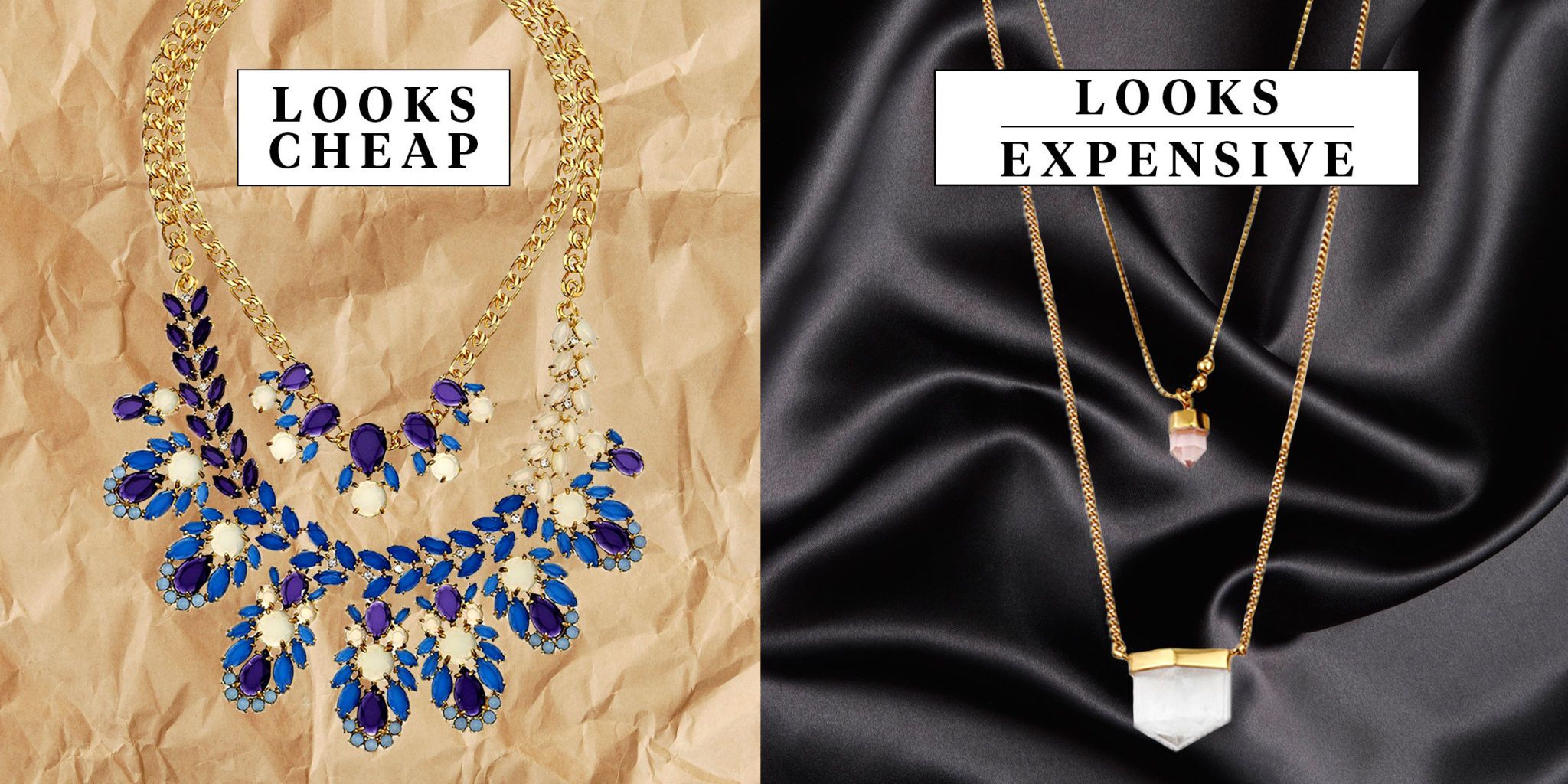
Finding affordable necklaces involves balancing material quality, design longevity, and price point to ensure you receive genuine value for your expenditure. While affordability often suggests lower-cost metals or synthetic stones, discerning shoppers can secure durable, aesthetically pleasing jewelry by understanding how different manufacturing standards, plating techniques, and base metals influence the functional lifespan and visual appeal of a piece.
Defining Value in Costume and Demi-Fine Jewelry
The term "affordable" is subjective, but in the jewelry industry, it generally occupies the space between fast-fashion costume pieces and high-end fine jewelry. To make an informed purchase, you must distinguish between the tiers of construction that dictate how long a necklace will last.
Costume Jewelry
Costume jewelry is typically crafted from base metals such as brass, copper, or steel, and finished with a thin layer of gold or silver plating. These pieces are intended for aesthetic enjoyment rather than investment. In 2026, the market for these items is vast, ranging from mass-produced resin designs to artisanal nickel-free alloys. The primary limitation here is the durability of the plating; frequent exposure to moisture, perfumes, and skin oils will accelerate the oxidation of the base metal.
Demi-Fine Jewelry
Demi-fine jewelry represents a bridge between costume and fine jewelry. It usually features a thicker layer of gold plating (often referred to as gold vermeil) over a higher-quality base metal, such as sterling silver. Because sterling silver is a precious metal, the piece retains more value and resists the green-tinted oxidation commonly associated with cheap brass-based costume jewelry. For many, this category offers the best "cost-per-wear" ratio.
Material Literacy: What You Are Paying For
Understanding the chemistry of your necklace is the most effective way to gauge its longevity and verify its price. Many "affordable" necklaces are marketed with deceptive terminology that can obscure the reality of the materials used.
- Gold Plated vs. Gold Vermeil: Gold plated items have a microscopic layer of gold over a base metal (often copper or nickel). Gold vermeil requires a specific thickness (usually 2.5 microns) of gold over a sterling silver base. If a necklace is labeled simply "gold tone," expect no actual gold content.
- Stainless Steel: Stainless steel is an increasingly popular choice for affordable, everyday wear. It is hypoallergenic, highly resistant to tarnishing, and significantly more durable than brass. In 2026, vacuum-plated stainless steel (PVD coating) is the gold standard for long-lasting, affordable necklaces that can be worn in the shower or during exercise.
- Brass: Brass is a standard, affordable base metal. While it is sturdy, it is prone to oxidation. If you have sensitive skin, ensure the brass is sealed with a protective coating or rhodium plating to prevent skin reactions.
Comparison Table: Evaluating Necklace Materials
| Material Type | Durability | Skin Sensitivity | Price Range | Ideal Use |
|---|---|---|---|---|
| Brass / Alloy | Low | High (if not plated) | Very Low | Occasional/Trend |
| Sterling Silver | Moderate | Low | Moderate | Everyday wear |
| Gold Vermeil | Moderate | Low | Mid-Range | Professional/Social |
| Stainless Steel | High | Very Low | Low | Heavy daily use |
| Gold Filled | High | Low | Mid-High | Long-term investment |
Strategic Shopping: Identifying Quality at Lower Price Points
When browsing for affordable necklaces, your goal is to maximize the structural integrity of the piece. Avoid impulse buys based solely on photographs. Instead, look for specific technical specifications in the product description.
1. Check the Clasp and Findings
The clasp is the most common point of failure for affordable necklaces. Look for lobster claw clasps rather than the delicate spring-ring style, as the former are generally more robust and easier to repair. If a necklace uses a spring ring, ensure it is made of a rigid metal like steel rather than a soft, malleable alloy.
2. The Weight Test
While high-end jewelry is often heavy due to solid precious metals, affordable necklaces should feel balanced. If a necklace feels excessively light or "hollow," the links are likely thin and prone to snapping under minimal tension. A slight heft usually indicates better material density.
3. Verification of "Nickel-Free"
Nickel is a common allergen that causes contact dermatitis. Even if you do not have a known allergy, choosing nickel-free jewelry is a sound strategy to prevent skin irritation over time. In many regions, jewelry manufacturers are required to disclose material compositions. If a site does not specify that the item is nickel-free or lead-free, it is safer to avoid the purchase.
Maintaining Your Investment
Even an affordable necklace can last for years with proper care. The primary enemies of jewelry are oxygen, moisture, and chemical exposure.
- The "Last On, First Off" Rule: Apply perfumes, lotions, and hairsprays before putting on your necklace. These substances contain chemicals that can strip plating or tarnish metals in minutes.
- Storage Practices: Exposure to air accelerates oxidation. Store your necklaces in airtight bags or a lined jewelry box. If you live in a humid climate, adding a small silica gel packet to your jewelry storage container can absorb ambient moisture that would otherwise damage your pieces.
- Cleaning: Use a soft, lint-free microfiber cloth to wipe down your necklaces after each wear. This removes the skin oils and salts that cause base metals to erode. Avoid ultrasonic cleaners or harsh chemical dips, which are designed for solid gold and gemstones and will aggressively strip the plating off costume jewelry.
Troubleshooting Common Issues
Despite your best efforts, affordable jewelry may eventually show wear. Understanding how to address these issues can save you from having to replace your collection.
- Tarnished Metal: If your sterling silver or gold vermeil piece looks dull, a mild soap and warm water bath—followed by a gentle buffing—is usually sufficient. Never use abrasive toothpaste or baking soda, as these will scratch thin plating.
- Broken Chains: If a chain snaps, do not attempt to solder it yourself, as the heat will likely destroy the plating. Most local jewelers can perform a "jump ring" repair for a nominal fee, which is often more sustainable than discarding the item.
- Green Skin: If your necklace leaves a green mark on your neck, it is a reaction between your skin’s acidity and the copper in the metal. You can coat the back of the pendant or the chain with a thin layer of clear nail polish to create a barrier, though this is a temporary fix.
Frequently Asked Questions
What is the best material for a necklace that I can wear every day? Stainless steel is the best option for daily wear. It is inherently resistant to oxidation and tarnish, and it does not require the delicate maintenance that silver or gold-plated items demand.
Why does gold-plated jewelry change color? Gold plating is a thin layer applied to a base metal. Over time, friction and chemicals wear this layer away, exposing the base metal (usually copper or brass) to oxygen, which causes it to darken or turn green.
Is "gold-filled" the same as "gold-plated"? No. Gold-filled jewelry has a much thicker layer of gold mechanically bonded to a base metal, usually brass. It is significantly more durable than gold-plated jewelry and can last for years with proper care, whereas plated items may begin to fade in weeks.
How can I tell if a necklace is real silver? Look for a stamp, such as "925" or "Sterling," which indicates the item is 92.5% silver. If there is no stamp or if it is marked "EPNS" (Electro-Plated Nickel Silver), it is not solid silver.
Does a higher price always mean better quality? Not necessarily. In the fashion industry, branding and marketing overheads often drive up the price of necklaces that use the same base materials as cheaper, unbranded alternatives. Prioritize material specifications over brand reputation when budget is a constraint.
Final Recommendation
To curate a collection of affordable necklaces that retain their appeal, focus on the "base-first" strategy. Prioritize purchasing pieces with a stainless steel base or high-quality gold vermeil, as these will provide the longest lifespan. Before finalizing a purchase, check for clear disclosures regarding the base metal and ensure the item is labeled as hypoallergenic. By prioritizing material integrity over fast-moving trends, you ensure that your jewelry remains a versatile and reliable part of your wardrobe for years to come.