Affiliate commission sponsorship in CRM software refers to a sophisticated hybrid partnership model where SaaS providers offer high-value partners a combination of fixed sponsorship fees and performance-based commissions. This structure rewards influential partners for both the visibility they provide and the actual revenue generated through their specialized CRM implementation or referral efforts.
In the 2026 enterprise landscape, the line between traditional affiliate marketing and strategic partnerships has blurred. As Customer Relationship Management (CRM) platforms have evolved from simple databases into all-encompassing revenue operations (RevOps) hubs, the methods by which these platforms incentivize growth have also matured. For software vendors, an "affiliate commission sponsorship" represents a high-tier agreement designed to attract industry thought leaders, consultants, and integration specialists who require more than a simple percentage of a sale to justify their promotional efforts.
The Evolution of CRM Partnership Models in 2026
The maturity of the CRM market in 2026 has led to a shift away from "volume-only" affiliate models. Previously, affiliate programs focused on a high number of low-quality leads. Today, the focus is on "Quality of Revenue." Sponsorship models within CRM affiliate programs are now the standard for top-tier influencers and niche consultants.
In this context, sponsorship usually involves a brand paying an upfront or recurring fee to a partner to ensure consistent brand presence, such as being the "exclusive CRM recommendation" in a specialized training course or industry newsletter. The commission component remains the performance engine, providing a percentage of the Monthly Recurring Revenue (MRR) or a flat fee per successful activation.
The Shift Toward Hybrid Payouts
By 2026, most major CRM providers—including Salesforce, HubSpot, and Zoho—have refined their partner programs to include these hybrid structures. The "Sponsorship" element is often categorized under Market Development Funds (MDF). These funds are allocated to partners to co-fund webinars, whitepapers, or live events, effectively sponsoring the partner's content creation in exchange for lead generation and commissionable sales.
Core Components of an Affiliate Commission Sponsorship
To understand how these programs function, one must look at the three pillars that support them: the sponsorship retainer, the commission tiers, and the attribution technology.
1. The Sponsorship Retainer (Fixed Component)
Unlike standard affiliate programs where you only get paid if a sale occurs, sponsorship-level agreements often include a "participation fee" or "brand placement fee." This is common when a CRM vendor wants to be deeply integrated into a partner’s existing ecosystem. For example, a specialized real estate consultant might receive a quarterly sponsorship fee to maintain a "Certified Workflow" built specifically on a particular CRM platform.
2. Tiered Commission Structures (Variable Component)
Commissions in 2026 are rarely flat. They are designed to reward longevity and volume.
- Initial Acquisition Bounty: A flat fee paid when a new seat is activated.
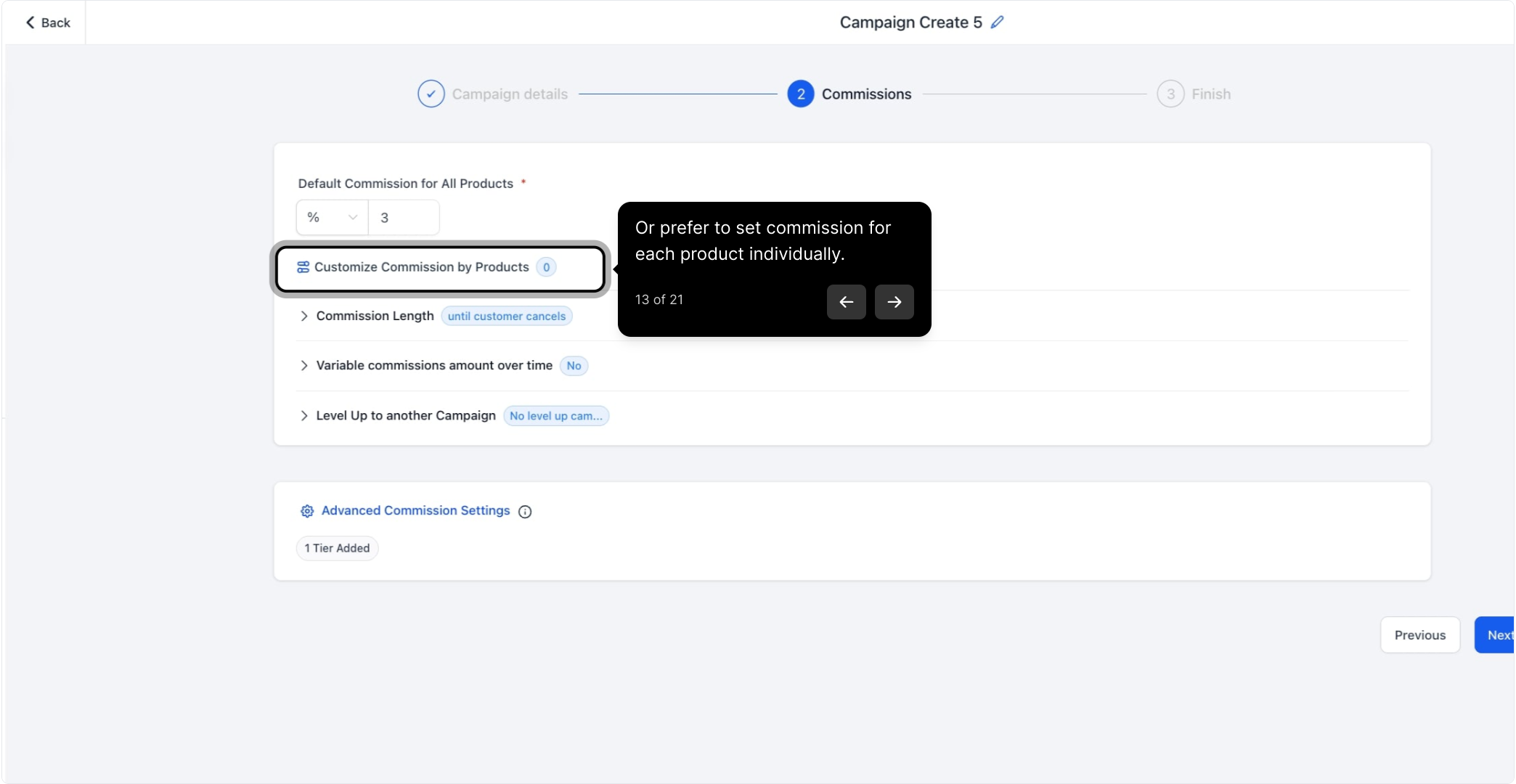
- Residual MRR Percentage: A recurring percentage (typically 15% to 30%) paid for the life of the customer contract.
- Upsell Incentives: Additional commissions triggered when a referred client upgrades from a "Starter" to an "Enterprise" tier.
3. Advanced Attribution and Tracking
The technical backbone of these agreements in 2026 relies on Multi-Touch Attribution (MTA). In the past, "last-click" attribution dominated, but modern CRMs use sophisticated tracking that recognizes the partner’s influence even if the lead interacts with multiple marketing channels before closing. This ensures that sponsored partners are credited for their role in the middle of the funnel, not just the final click.
Implementing Sponsorship Tracking Within CRM Software
For companies managing their own affiliate or referral programs, the CRM itself serves as the system of record. Implementing a sponsorship model requires specific technical configurations to ensure transparency and accuracy in payouts.
Custom Objects and Partner Portals
To manage sponsorships, administrators typically create Custom Objects within the CRM titled "Partnerships" or "Sponsorship Contracts." This allows the RevOps team to track the expiration of sponsorship fees separately from the automated commission calculations.
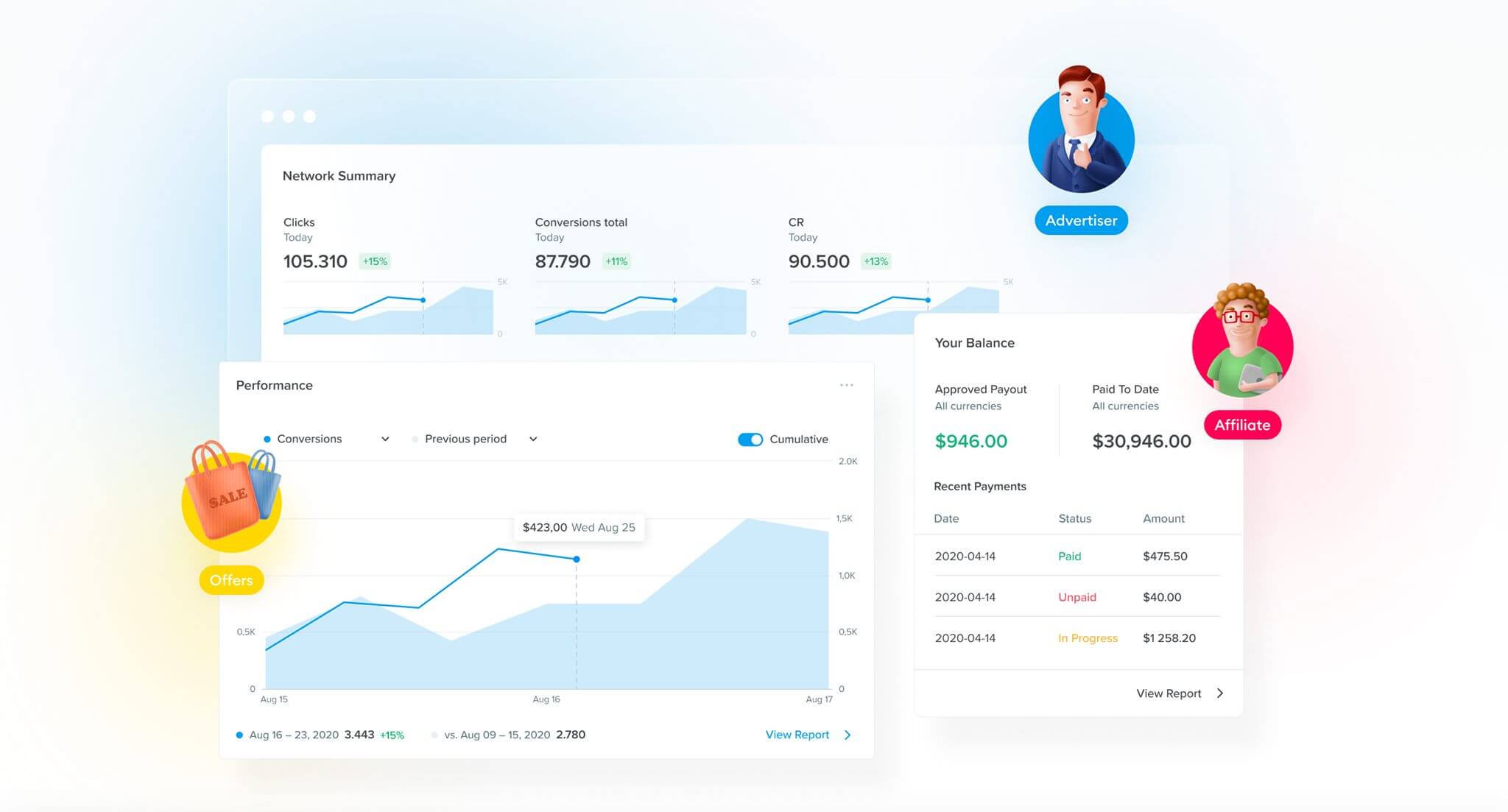
Modern CRM partner portals (like those offered by Salesforce Partner Relationship Management or HubSpot’s Partner Hub) provide affiliates with a real-time dashboard. In 2026, these dashboards display:
- Sponsorship Utilization: How much of the allocated MDF or sponsorship fee has been "earned" through specific activities.
- Pipeline Visibility: Real-time status of referred leads (Leads -> MQL -> SQL -> Closed).
- Payout Forecasts: Predicted commissions based on current subscription renewals.
Integration with Financial Systems
A critical aspect of affiliate commission sponsorship is the "closing of the loop" between the CRM and the accounting software (e.g., NetSuite or SAP). In 2026, APIs facilitate the automated triggering of payments. When a "Deal" status changes to "Closed-Won" in the CRM, the system automatically calculates the commission based on the partner's specific tier and sends a payment instruction to the finance module.
Comparison of CRM Affiliate and Sponsorship Models
The following table outlines the differences between traditional affiliate programs and the more modern commission sponsorship models prevalent in 2026.
| Feature | Traditional Affiliate Program | Commission Sponsorship Model |
|---|---|---|
| Primary Goal | High-volume lead generation | Brand authority and high-LTV acquisition |
| Payment Structure | 100% Performance-based (CPA/CPL) | Hybrid (Fixed Retainer + Performance) |
| Partner Type | Coupon sites, general bloggers | Industry consultants, integrators, influencers |
| Tracking Method | Simple cookies (30-60 days) | Multi-touch attribution & permanent tagging |
| Relationship Depth | Transactional and automated | Collaborative and managed |
| MDF Availability | Rarely available | Standard for top-tier partners |
| Content Requirement | Basic banners and links | Deep integrations, co-branded webinars |
Technical Requirements for Partners
Becoming a sponsored affiliate for a major CRM provider in 2026 involves more than signing up for a link. Because the vendor is investing fixed capital (the sponsorship), the vetting process is rigorous.
- Platform Certification: Most programs require the partner to be a certified expert in the software. This ensures that the person receiving the sponsorship can actually support the users they bring in.
- Compliance and Data Privacy: With the 2026 updates to global data privacy regulations, sponsored partners must prove their marketing methods are compliant with AI-driven data processing laws.
- Content Audits: Vendors often perform quarterly audits of the partner’s content to ensure the "Sponsored" brand is being represented according to current brand guidelines.
- Integration Capability: Partners are increasingly expected to provide "turnkey" solutions, such as pre-configured CRM templates or industry-specific snapshots.
Common Pitfalls in CRM Sponsorship Management
While lucrative, these high-level agreements come with risks for both the software vendor and the affiliate.
- Attribution Decay: If the CRM's tracking logic isn't properly configured for multi-device journeys, a sponsored partner may lose credit for a lead they nurtured for months.
- Over-Reliance on Fixed Fees: Some partners become "lazy" once they secure a sponsorship fee, failing to drive the performance necessary to justify the investment. Most 2026 contracts include "clawback" clauses or performance minimums to keep sponsorships active.
- Channel Conflict: This occurs when a sponsored affiliate competes with the CRM provider's internal sales team for the same lead. Clear "Rules of Engagement" (RoE) must be defined in the CRM's partner management module to dictate who "owns" a lead.
Strategic Benefits of the Sponsorship Model
For the CRM provider, sponsoring an affiliate is a strategic move to "buy" market share in a specific niche. If a prominent medical consultancy exclusively recommends a specific CRM for doctors, that CRM effectively becomes the industry standard for that vertical.
For the affiliate, the sponsorship provides income stability. Affiliate marketing is notoriously "feast or famine." A fixed sponsorship fee allows the partner to invest in higher-quality content, better video production, or additional staff to manage the partnership, ultimately leading to higher conversion rates for the CRM vendor.
Future Outlook: AI-Driven Commission Optimization
By 2026, AI has taken a central role in managing these sponsorships. Predictive analytics within the CRM can now suggest which partners should be "upgraded" to a sponsorship tier based on the historical "Lifetime Value" (LTV) of the customers they refer. If a partner’s referrals consistently show a 20% higher retention rate than the average, the system automatically flags them for a sponsorship proposal.
Furthermore, AI-driven "Dynamic Commissioning" allows for temporary sponsorship boosts. For example, during a new product launch, a CRM vendor might automatically increase the commission rate for sponsored partners who have a high "Engagement Score" in specific geographic regions.
Frequently Asked Questions
What is the difference between a CRM referral program and a commission sponsorship?
A referral program is usually open to all users and offers a small one-time reward or discount. A commission sponsorship is a professional business agreement involving fixed fees (sponsorship) and recurring percentages (commission), usually reserved for partners who can drive significant enterprise-level revenue.
How do I track sponsorship ROI in my CRM?
To track ROI, you must associate all costs (sponsorship fees, MDF, and commissions) with the "Partner" account in your CRM. By comparing these total costs against the total revenue (LTV) generated from leads attributed to that partner, you can calculate the "Partner Contribution Margin."
Can an individual influencer qualify for a CRM sponsorship?
Yes, in 2026, "B2B Influencers" are a major segment of CRM sponsorships. If an individual has a significant, engaged audience in a sector like Fintech or Healthcare, CRM brands will often sponsor their content in exchange for exclusive or preferred placement in their tech stack recommendations.
Is multi-touch attribution necessary for these programs?
While not strictly "necessary" for simple programs, it is essential for sponsorship-level agreements. Because sponsored partners often provide "top-of-funnel" awareness, they may not be the "last click." Without MTA, the partner would appear under-performant, leading to the unfair termination of the sponsorship.
What are Market Development Funds (MDF)?
MDF are discretionary funds provided by CRM vendors to their sponsored partners. These funds are specifically earmarked for marketing activities that promote the CRM. Unlike a flat sponsorship fee, MDF usually requires the partner to submit a "claim" or proof of the marketing activity (like a receipt for a venue or a link to a co-branded ad campaign).
Recommended Next Actions
For businesses looking to enter or optimize an affiliate commission sponsorship in the CRM space, the following steps are recommended:
- Audit Your Attribution Logic: Ensure your CRM is configured to capture "Lead Source" and "Partner ID" across the entire customer lifecycle, not just at the point of lead creation.
- Define Your Tiers: Create a clear path for partners to move from "Standard Affiliate" to "Sponsored Partner" based on verifiable metrics like lead volume, conversion rate, and customer retention.
- Standardize Your Contracts: Work with legal counsel to develop a hybrid contract template that covers both performance commissions and fixed sponsorship obligations, including clear termination and clawback clauses.
- Invest in a Partner Portal: Automated transparency is the key to partner satisfaction. Use a CRM-integrated portal so partners can see their earnings and pipeline without manual intervention from your team.