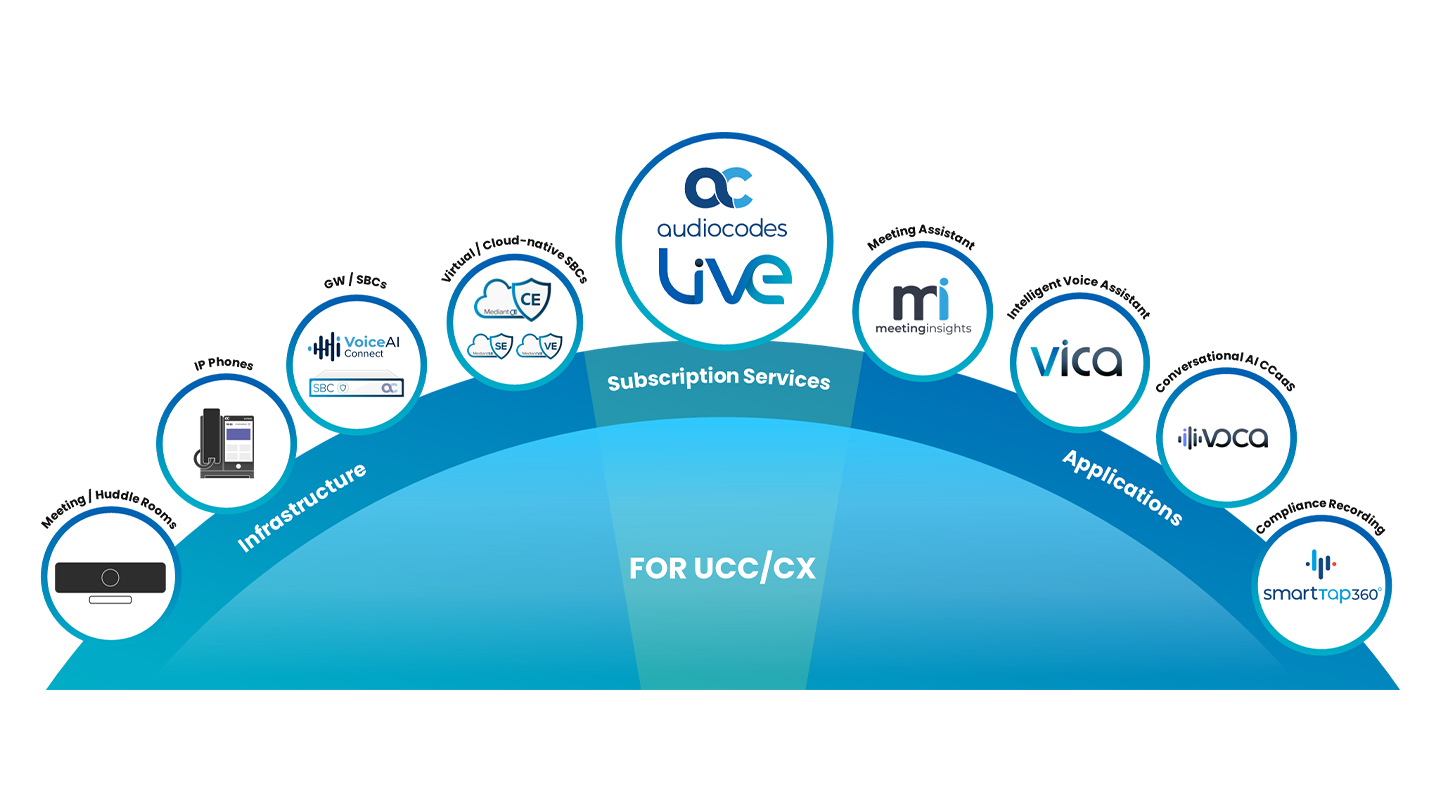
Advanced communication technology in modern business functions as the central nervous system of contemporary enterprise operations, replacing rigid analog hierarchies with dynamic, software-defined ecosystems. By integrating cloud telephony, unified communications as a service (UCaaS), artificial intelligence-driven analytics, and secure collaboration platforms, organizations eliminate physical barriers between remote, hybrid, and co-located teams. This technological shift optimizes operational velocity, secures enterprise data exchanges against sophisticated threats, and transforms routine interactions into actionable business intelligence that drives strategic decision-making and sustainable competitive advantage.
Evolution of Enterprise Communication Infrastructure
The transition from legacy private branch exchange (PBX) systems to cloud-native communication architectures represents a fundamental paradigm shift in how organizations exchange information. Traditional communication models relied heavily on on-premises hardware, physical copper or fiber lines, and fragmented vendors for voice, fax, and conferencing. These legacy frameworks imposed significant capital expenditure costs, required dedicated on-site maintenance staff, and offered limited scalability when expanding to new geographic markets or accommodating a mobile workforce.
Modern business communications leverage cloud computing models, specifically UCaaS and Communications Platform as a Service (CPaaS). These architectures centralize voice, video, instant messaging, and email into a single, software-driven dashboard accessible from any internet-connected device. Service-level agreements (SLAs) provided by cloud vendors guarantee high availability, while elastic scaling allows organizations to provision or decommission user licenses instantly in response to seasonal demand shifts or corporate restructuring.
Furthermore, the integration of Session Initiation Protocol (SIP) trunking and WebRTC (Web Real-Time Communication) standards enables browser-based, high-definition voice and video without requiring proprietary desktop clients. This interoperability ensures that legacy applications can interface seamlessly with modern collaboration suites, reducing friction during technology migrations and preserving capital investments in existing enterprise software.
Core Pillars of Modern Business Communication Systems
A robust communication technology stack relies on several interconnected pillars that work in tandem to ensure continuous, high-fidelity information flow across the organization.
Unified Communications as a Service (UCaaS)
UCaaS platforms consolidate disparate communication channels into a unified interface. Employees can transition from an instant messaging chat to an ad-hoc video conference and subsequently to a secure file-sharing session without switching applications or losing context. This consolidation reduces application fatigue, minimizes context switching penalties, and ensures that audit trails remain intact across all communication modalities.
Cloud Telephony and VoIP
Voice over Internet Protocol (VoIP) has evolved far beyond basic internet-based calling. Modern enterprise cloud telephony provides advanced routing capabilities, interactive voice response (IVR) systems powered by natural language processing, and automatic call distribution (ACD) based on agent skill sets rather than static queue assignments. Geographic flexibility allows remote employees to maintain local business numbers and access full enterprise telephony features from mobile applications.
Enterprise Collaboration Suites
Beyond basic chat and video, collaboration suites serve as digital workspaces where project management, document co-authoring, and workflow automation converge. Platforms like Microsoft Teams, Slack, and Cisco Webex integrate directly with customer relationship management (CRM) systems and enterprise resource planning (ERP) software, allowing employees to trigger business processes directly from a communication channel.
Contact Center as a Service (CCaaS)
Modern customer service infrastructure relies on CCaaS platforms to manage omnichannel customer interactions. Whether a customer reaches out via web chat, SMS, social media, or voice, agents manage these touchpoints within a unified queue. Built-in analytics track first-contact resolution rates, average handle times, and customer sentiment scores in real time.
Artificial Intelligence and Automation in Enterprise Interactions
Artificial intelligence (AI) and machine learning (ML) have transitioned from experimental novelties to foundational components of enterprise communication technology. These tools augment human capabilities, automate repetitive administrative tasks, and extract deep qualitative insights from high volumes of daily communication data.
Natural language processing (NLP) powers intelligent virtual assistants and conversational chatbots capable of resolving tier-one customer inquiries without human intervention. These bots parse intent, access backend databases to check order statuses or process refunds, and seamlessly escalate complex issues to human agents with a complete transcript of the interaction.
Internally, AI-driven transcription and summarization tools revolutionize meeting productivity. Automated speech-to-text engines generate searchable transcripts of virtual conferences, while large language models distill hour-long discussions into concise action items, key decisions, and assigned responsibilities. This eliminates the need for dedicated note-takers and ensures that absent stakeholders can quickly catch up on critical developments.
Sentiment analysis algorithms evaluate tone, word choice, and cadence during customer service calls or internal check-ins. If an algorithm detects mounting frustration in a customer's voice or an employee's chat messages, it can alert supervisors in real time, enabling proactive intervention to de-escalate potential client churn or address internal burnout before it impacts productivity.
Security, Compliance, and Data Governance
As enterprise communication migrates to cloud and hybrid environments, the surface area for potential security vulnerabilities expands significantly. Protecting sensitive corporate data, intellectual property, and personally identifiable information (PII) requires a multi-layered security framework embedded directly into the communication architecture.
Encryption Standards
End-to-end encryption (E2EE) ensures that data in transit between participants cannot be intercepted or read by unauthorized third parties, including service providers. Transport Layer Security (TLS) and Secure Real-time Transport Protocol (SRTP) protect signaling and media streams across VoIP and video conferences, while robust encryption safeguards data at rest within cloud storage repositories.
Regulatory Compliance
Organizations operating in heavily regulated sectors—such as finance, healthcare, and legal services—must adhere to stringent compliance mandates, including the Health Insurance Portability and Accountability Act (HIPAA), the Payment Card Industry Data Security Standard (PCI-DSS), and the General Data Protection Regulation (GDPR). Modern communication platforms offer features designed to meet these requirements, such as automated data retention policies, geo-routing to ensure data remains within specified jurisdictions, and immutable audit logs that record every interaction for regulatory inspection.
Identity and Access Management (IAM)
Controlling access to enterprise communication tools is critical for preventing unauthorized breaches. Organizations deploy Multi-Factor Authentication (MFA), Single Sign-On (SSO), and role-based access control (RBAC) to ensure that only verified employees can access sensitive collaboration channels and customer data repositories.
| Communication Technology Pillar | Primary Function | Key Security / Operational Benefit | Typical Deployment Model |
|---|---|---|---|
| UCaaS | Consolidates voice, video, chat, and file sharing. | Reduced administrative overhead; unified audit trails. | Cloud-Native / Multi-Tenant |
| Cloud Telephony / VoIP | Manages business voice routing and PBX functions. | Geographic flexibility; disaster recovery resilience. | Hosted Cloud / SIP Trunking |
| CCaaS | Handles omnichannel customer service interactions. | Real-time sentiment analysis; skill-based routing. | Cloud SaaS |
| Enterprise Collaboration Suites | Provides digital workspaces and project co-authoring. | CRM/ERP integration; centralized document control. | Hybrid / Cloud SaaS |
Comparative Analysis of Communication Architecture Models
Organizations evaluating their communication infrastructure must weigh the operational, financial, and technical implications of different deployment models. The table below compares legacy on-premises systems, cloud-based UCaaS platforms, and hybrid configurations.
| Evaluation Metric | Legacy On-Premises PBX | Cloud UCaaS / CCaaS | Hybrid Communication Model |
|---|---|---|---|
| Capital Expenditure (CapEx) | Very High (hardware purchase, wiring, server rooms). | Low (subscription-based operational model). | Moderate (leveraging existing hardware, cloud expansion). |
| Scalability & Provisioning | Slow; requires physical hardware additions and technician visits. | Instantaneous; adjustable via software licenses. | Flexible; core infrastructure stays on-premise, edge scales in cloud. |
| Maintenance & Upgrades | Managed internally by dedicated IT staff; high downtime risk. | Managed by vendor; seamless, automated updates. | Shared responsibility between internal IT and cloud vendor. |
| Remote Work Support | Difficult; requires complex VPN setups and security workarounds. | Native; accessible via any internet-connected device. | Moderate; requires secure access gateways for internal systems. |
| Disaster Recovery | Vulnerable to local site power failures and physical damage. | High built-in redundancy across distributed data centers. | High resilience if cloud failover paths are configured. |
Implementation Challenges and Mitigation Strategies
Deploying advanced communication technology in modern business requires careful planning to avoid common pitfalls that can derail operational continuity and user adoption.
Network Bandwidth and Quality of Service (QoS)
Real-time voice and video applications demand low latency, minimal jitter, and sufficient bandwidth. Organizations transitioning to cloud telephony often encounter audio dropouts or video freezing if their local area networks (LAN) and wide area networks (WAN) are inadequately provisioned.
- Mitigation Strategy: Implement QoS prioritization on enterprise routers to allocate dedicated bandwidth for voice and video traffic, bypassing non-essential web browsing or file downloads during peak business hours.
Change Management and User Adoption
Resistance to new technology is a persistent hurdle. Employees accustomed to legacy phone systems or disparate chat applications may struggle to adopt a centralized UCaaS platform, leading to shadow IT where employees utilize unapproved consumer apps for work tasks.
- Mitigation Strategy: Appoint internal champions across departments, provide comprehensive, role-based training programs, and demonstrate clear workflow efficiencies to encourage organic adoption.
Integration Friction with Legacy Software
Many enterprises rely on custom-built or legacy software systems that do not natively interface with modern cloud communication platforms.
- Mitigation Strategy: Utilize API-first communication providers and middleware integration platforms (iPaaS) to build custom connectors between legacy databases and modern collaboration suites.
Frequently Asked Questions
What is the primary difference between VoIP and UCaaS?
VoIP focuses specifically on transmitting voice calls over the internet, replacing traditional analog phone lines. UCaaS is a broader, comprehensive framework that encompasses VoIP alongside video conferencing, instant messaging, team collaboration spaces, and document sharing within a single unified platform.
How does cloud communication technology enhance remote and hybrid work models?
Cloud communication platforms decouple work from physical office spaces. Employees can access enterprise telephony, video meetings, and shared workspaces from any location with an internet connection, using desktop or mobile devices while maintaining secure access to company data and maintaining professional identities through business phone numbers.
What security measures protect enterprise video conferences from unauthorized intrusion?
Enterprise-grade platforms employ end-to-end encryption, mandatory meeting passwords, waiting rooms for host approval, secure participant authentication via single sign-on, and strict administrative controls that restrict screen sharing, chat permissions, and meeting recording capabilities.
Can legacy PBX systems be integrated with modern cloud communication tools?
Yes, through SIP trunking and hybrid gateways, organizations can connect legacy on-premises hardware to cloud-based routing services. This allows businesses to migrate to modern communication capabilities incrementally without immediately replacing all existing telephone hardware.
What role does artificial intelligence play in modern customer contact centers?
AI automates routine inquiries through conversational virtual assistants, provides real-time transcription and agent assist prompts during live calls, routes customers to the most appropriate agents using predictive analytics, and evaluates customer sentiment scores across all communication channels to improve service quality.
Strategic Recommendations for Enterprise Decision-Makers
To maximize return on investment and operational resilience when deploying advanced communication technology, decision-makers should follow a structured execution roadmap:
- Conduct a Comprehensive Infrastructure Audit: Assess current network bandwidth, hardware lifecycles, and user communication habits to identify performance bottlenecks and security gaps before selecting a vendor.
- Prioritize Interoperability and API Availability: Select platforms that offer robust developer APIs and native integrations with existing enterprise software stacks, such as CRM, ERP, and project management tools, to create cohesive operational workflows.
- Mandate Security and Compliance Reviews: Ensure prospective vendors comply with relevant industry standards, offer end-to-end encryption, and provide transparent data governance policies regarding data residency and retention.
- Invest in Change Management: Allocate adequate budget and resources for employee training, feedback collection, and ongoing technical support to drive high user adoption rates across all organizational tiers.