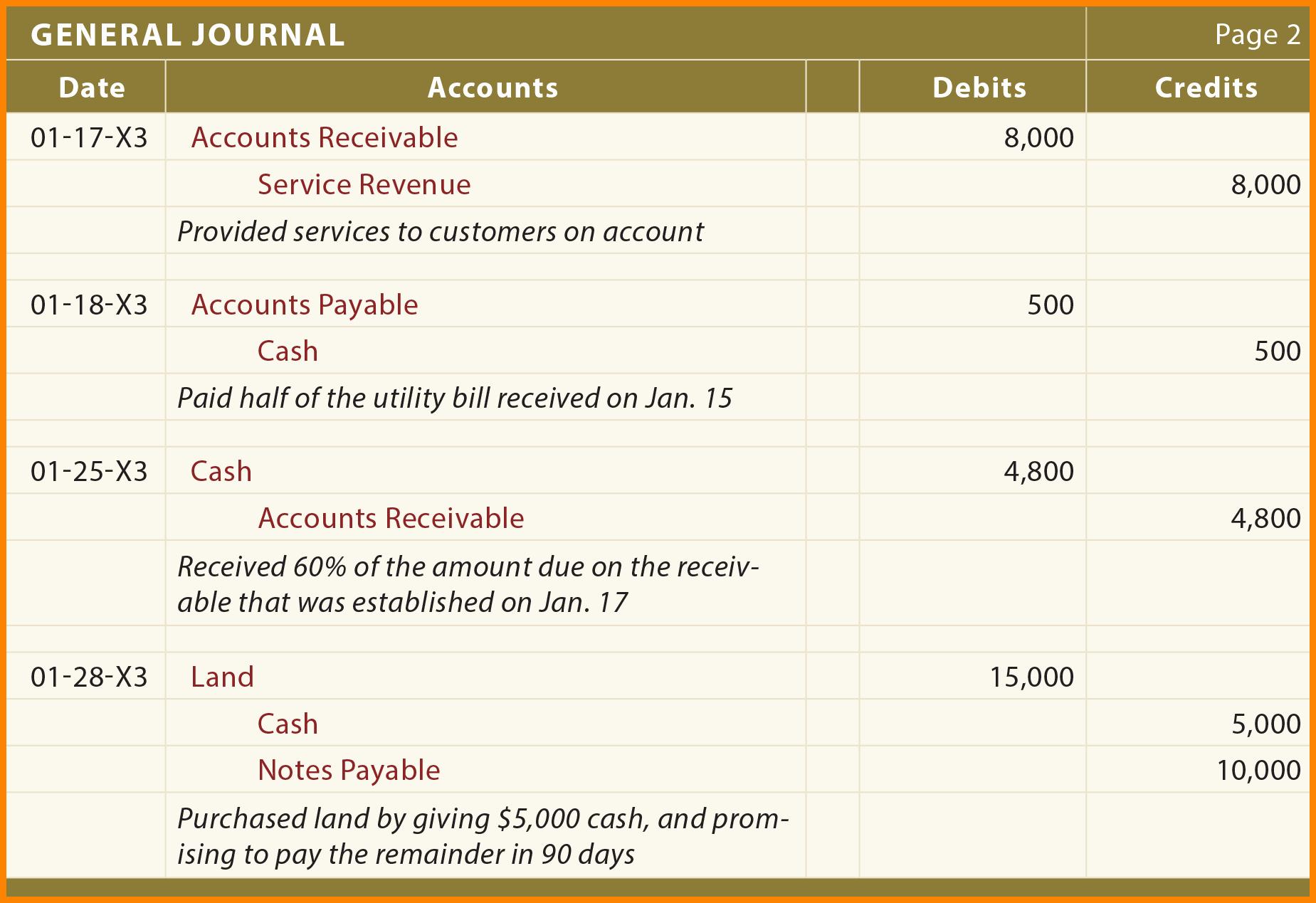
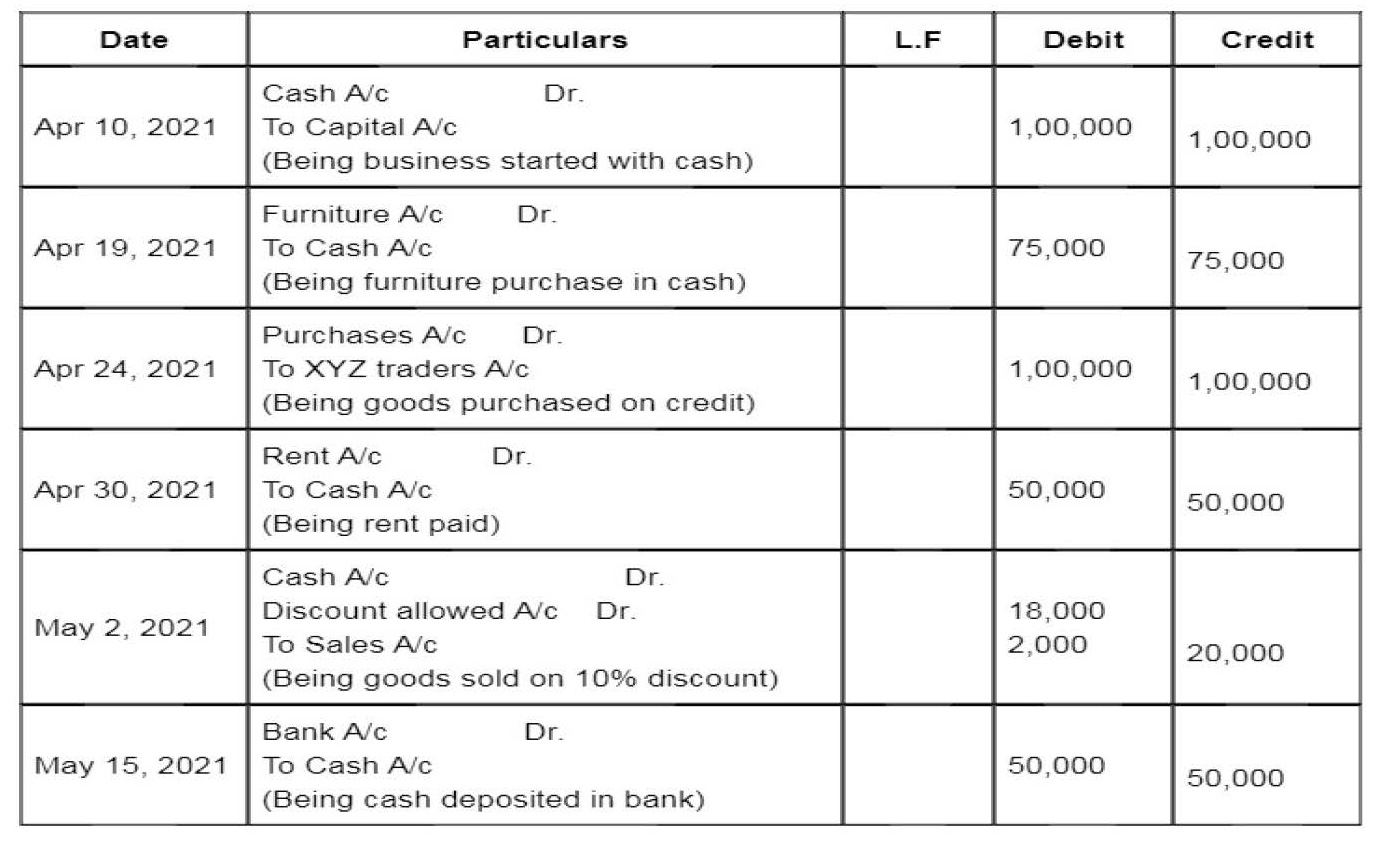
An account payable journal entry is used to record a business's obligation to pay a vendor for goods or services received on credit. To record the initial liability, you debit the relevant expense or asset account and credit Accounts Payable. When the debt is later settled, you debit Accounts Payable and credit Cash.
Accounts payable (AP) represents the lifeblood of short-term operational financing for most businesses. In the landscape of 2026, where automated accounting systems and real-time financial reporting are the norms, understanding the fundamental mechanics of these entries remains critical for ensuring data integrity and accurate cash flow forecasting. This guide provides detailed examples, explains the underlying accounting principles, and explores the operational nuances of managing trade credit.
The Fundamental Logic of Accounts Payable
In double-entry bookkeeping, Accounts Payable is classified as a Current Liability on the balance sheet. Because it is a liability, it follows specific rules regarding debits and credits:
- An increase in a liability is recorded as a Credit.
- A decrease in a liability is recorded as a Debit.
When a company purchases something "on account" or "on credit," it is receiving value today with a promise to pay in the future (usually within 30, 60, or 90 days). This transaction triggers the Accrual Principle, which dictates that expenses should be recognized when they are incurred, regardless of when the cash actually changes hands.
The Role of the General Ledger and Sub-Ledger
While the General Ledger (GL) tracks the total amount owed to all vendors combined, the AP Sub-Ledger tracks how much is owed to each specific supplier. In modern 2026 accounting software, these are synchronized automatically. However, the journal entry remains the primary mechanism for moving these values into the financial statements.
Scenario 1: Purchasing Goods or Services on Credit
This is the most common account payable journal entry example. Suppose your business receives an invoice for $2,500 for office supplies delivered on January 15, 2026. The terms are Net 30.
The Initial Entry (Recording the Liability)
At the moment the invoice is processed, you must recognize both the cost of the supplies and the obligation to pay the vendor.
| Date | Account | Debit | Credit |
|---|---|---|---|
| Jan 15, 2026 | Office Supplies Expense | $2,500 | |
| Accounts Payable | $2,500 |
The "Why" Behind the Entry:
- Debit Office Supplies Expense: This increases your expenses on the Income Statement. Under the matching principle, you recognize the cost in the period the supplies were acquired to support operations.
- Credit Accounts Payable: This increases your total liabilities on the Balance Sheet. It shows that the company owes $2,500 to an external party.
Scenario 2: Settling the Debt (The Payment Entry)
Fast forward to February 10, 2026. Your business issues a payment via ACH or digital wallet to the vendor to settle the $2,500 invoice.
The Payment Entry
| Date | Account | Debit | Credit |
|---|---|---|---|
| Feb 10, 2026 | Accounts Payable | $2,500 | |
| Cash (or Bank Account) | $2,500 |
The "Why" Behind the Entry:
- Debit Accounts Payable: By debiting the liability, you are "clearing" or reducing the debt. The balance for this specific invoice in the sub-ledger now returns to zero.
- Credit Cash: This represents an outflow of assets. Your bank balance decreases, reflecting that the obligation has been fulfilled.
Scenario 3: Purchase Returns and Allowances
Sometimes, the goods received are damaged or incorrect. If you return $500 worth of the $2,500 office supplies, you cannot simply delete the original entry. You must record a "Purchase Return" or an adjustment to the liability, often triggered by a Debit Memo.
The Return Entry
| Date | Account | Debit | Credit |
|---|---|---|---|
| Jan 20, 2026 | Accounts Payable | $500 | |
| Purchase Returns and Allowances | $500 |
Note: In many modern systems, the credit might go directly back to the Office Supplies Expense account, but using a dedicated "Purchase Returns" account provides better visibility for management auditing.
Scenario 4: Early Payment Discounts
Vendors often offer incentives for early payment, such as "2/10, Net 30." This means the buyer can take a 2% discount if they pay within 10 days; otherwise, the full amount is due in 30 days.
Using our $2,500 example, if you pay within 10 days, the discount is $50 ($2,500 * 0.02). You only pay $2,450 in cash.
The Discounted Payment Entry
| Date | Account | Debit | Credit |
|---|---|---|---|
| Jan 24, 2026 | Accounts Payable | $2,500 | |
| Purchase Discounts | $50 | ||
| Cash | $2,450 |
The "Why" Behind the Entry: You must debit the full $2,500 from Accounts Payable to completely close the liability. The $50 credit to "Purchase Discounts" acts as a reduction to your total cost of goods sold or expenses, reflecting the savings achieved through efficient cash management.
Summary of Common AP Transaction Types
The following table summarizes how different events affect the accounts involved in the AP process.
| Transaction Type | Primary Debit Account | Primary Credit Account | Impact on Financials |
|---|---|---|---|
| Inventory Purchase | Inventory (Asset) | Accounts Payable | Increases Assets & Liabilities |
| Service Expense | Utilities/Rent/Legal (Expense) | Accounts Payable | Increases Expenses, Increases Liabilities |
| Payment to Vendor | Accounts Payable | Cash | Decreases Assets & Liabilities |
| Return of Goods | Accounts Payable | Purchase Returns | Decreases Liabilities |
| Inventory Accrual | Inventory (Unbilled) | Accrued Liabilities | Recognizes liability before invoice arrival |
| Sales Tax Owed | Expense/Inventory | Sales Tax Payable | Increases tax liability |
Advanced Considerations: Accruals and Year-End Adjustments
One of the most complex areas of accounts payable involves unbilled liabilities. As of 2026, automated "3-way matching" (matching the Purchase Order, Receiving Report, and Invoice) is standard. However, at the end of a fiscal month, you may have received goods but not yet received the formal invoice.
Under Generally Accepted Accounting Principles (GAAP) and International Financial Reporting Standards (IFRS), you must still record this.
The Accrued Expense Entry
If you received $10,000 in raw materials on December 30 but the invoice won't arrive until January 5, you record an accrual:
| Date | Account | Debit | Credit |
|---|---|---|---|
| Dec 31, 2025 | Inventory | $10,000 | |
| Accrued Expenses / AP | $10,000 |
This ensures your 2025 financial statements reflect the assets you actually possess and the debts you truly owe, even without the paperwork in hand. In the following period, this entry is typically "reversed" once the actual invoice is processed through the standard AP workflow.
Internal Controls and Modern AP Management
Recording a journal entry is only half the battle. In a 2026 business environment, internal controls are vital to prevent fraud and errors.
- Separation of Duties: The person who authorizes a purchase should not be the same person who records the journal entry or the person who signs the check/approves the digital payment. This "triangulation" prevents unauthorized outflows of cash.
- The 3-Way Match: Before the Accounts Payable credit is finalized in the system, the software should verify that the Purchase Order (what we asked for), the Receiving Report (what we got), and the Vendor Invoice (what they are charging) all align. Discrepancies should trigger an automated "hold" on the journal entry.
- Aging Reports: Management must regularly review the AP Aging Report. This report categorizes liabilities by how long they have been outstanding (e.g., 0-30 days, 31-60 days). A high volume of "60+ day" entries may indicate cash flow problems or disputes with suppliers that need manual intervention.
Troubleshooting Common Errors in AP Entries
Even with sophisticated AI-driven accounting tools, errors occur. Here is how to handle them:
- Duplicate Entries: If an invoice is scanned twice, you will have a double liability and a double expense. To fix this, you must "reverse" the duplicate entry by debiting Accounts Payable and crediting the original expense account used.
- Wrong Vendor Posting: If you credit the wrong vendor in the sub-ledger, your total GL balance will be correct, but your individual vendor records will be wrong. A "reclassification entry" is needed to move the balance from Vendor A to Vendor B.
- Recording at Gross vs. Net: If your company consistently takes early payment discounts, some accounting policies suggest recording the original liability at the "net" amount (invoice minus potential discount). If you miss the discount window, you then have to record a "Discounts Lost" expense. This is more complex but provides better data on operational efficiency.
The Impact of Automation in 2026
By 2026, the manual entry of "Debit Expense, Credit AP" is increasingly handled by Optical Character Recognition (OCR) and machine learning. When an invoice enters the system—via email, EDI, or API—the software identifies the vendor, extracts the amount, and suggests the GL coding based on historical data.
However, the human role has shifted from data entry to exception management. Accountants now spend their time investigating why a match failed or why a tax rate was calculated incorrectly. Understanding the manual journal entry is the only way to effectively audit these automated systems. Without a firm grasp of the "Debit/Credit" logic, an analyst cannot spot when an AI has misclassified a capital expenditure as a routine expense.
Frequently Asked Questions
Is Accounts Payable a debit or a credit?
Accounts Payable is a liability account, so its natural balance is a credit. When you owe more money to vendors, the balance increases through a credit entry. When you pay off your debts, the balance decreases through a debit entry.
What is the difference between Accounts Payable and Accrued Expenses?
Accounts Payable usually refers to obligations supported by a formal vendor invoice for goods or services. Accrued Expenses are liabilities that have been incurred but are not yet invoiced or documented by a bill, such as wages earned by employees but not yet paid, or interest on a loan that is accumulating.
How do you record a partial payment on an invoice?
To record a partial payment, you debit Accounts Payable for the amount actually paid and credit Cash for the same amount. The remaining balance stays in the Accounts Payable account until a future payment is made. For example, if you owe $1,000 and pay $400, your AP balance for that vendor will simply reduce to $600.
What happens if I accidentally pay a vendor twice?
If a duplicate payment is made, you will have a "Debit Balance" in your Accounts Payable for that vendor (effectively creating a temporary asset). You should record the payment as a debit to Accounts Payable and a credit to Cash. You can then either request a refund (Debit Cash, Credit AP) or apply that credit balance to your next invoice from that vendor.
Does Accounts Payable affect the Cash Flow Statement?
Yes. On the Cash Flow Statement (under the Indirect Method), an increase in Accounts Payable is added back to net income because it represents an expense that was recognized but not yet paid in cash. Conversely, a decrease in Accounts Payable is subtracted from net income because it represents a cash outflow to settle prior debts.
Practical Recommendation
To maintain a healthy financial ecosystem, businesses should perform a monthly reconciliation of the Accounts Payable sub-ledger to the General Ledger. Ensure that every credit entry in AP is supported by a verified invoice and that all payments are matched to specific obligations. For 2026 operations, leveraging real-time AP automation tools is recommended to reduce the risk of "fat-finger" errors and to take full advantage of early payment discounts, which can significantly improve the bottom line over a fiscal year.