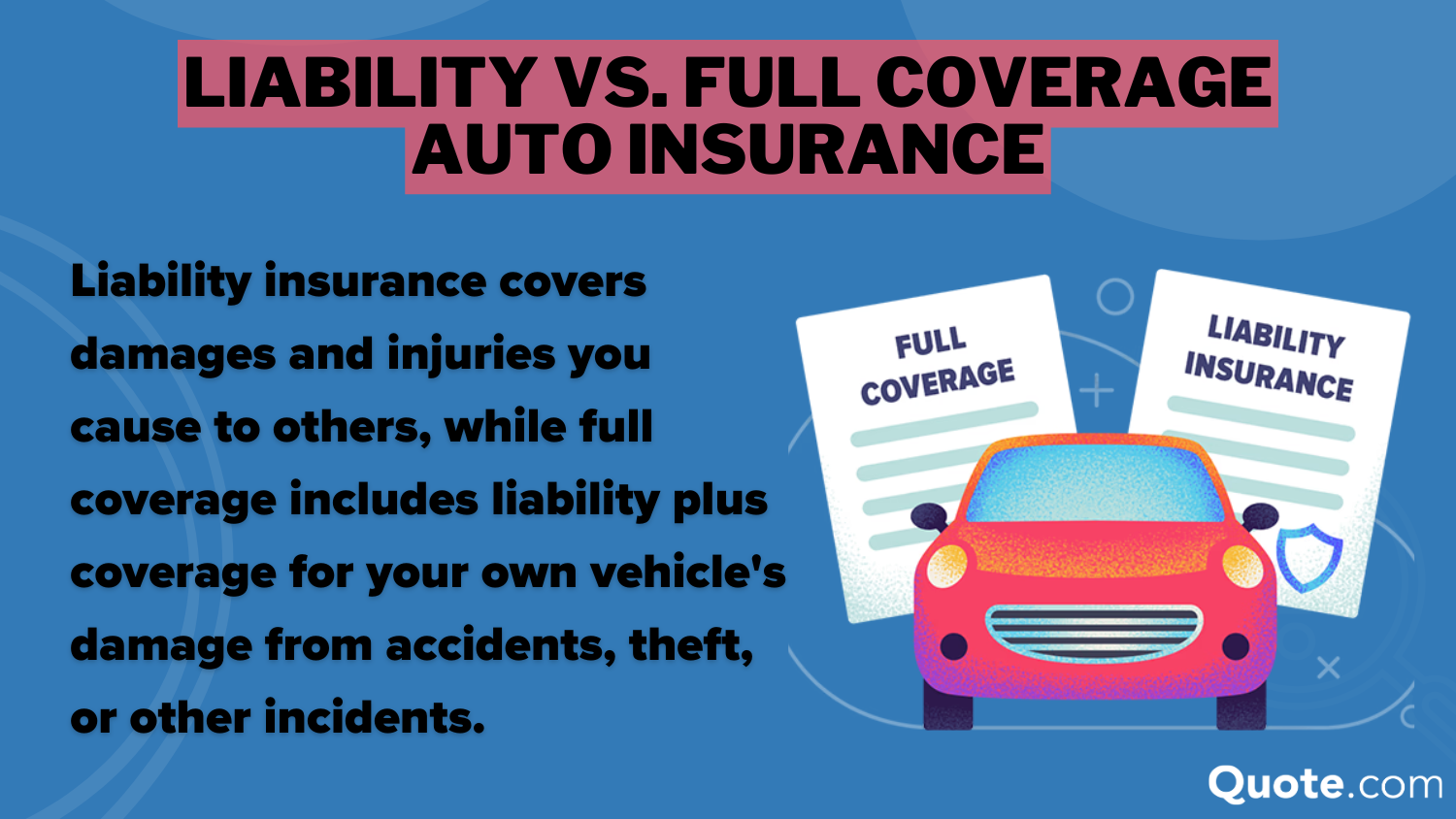
AAA auto insurance offers a diverse range of coverage types including standard liability, collision, comprehensive, and specialized add-ons like gap insurance and new car replacement. While availability varies by regional club, most policies integrate with AAA’s signature roadside assistance to provide a robust safety net for drivers across North America.
Understanding the specific types of coverage offered by the American Automobile Association (AAA) requires a clear grasp of how the organization functions. Unlike centralized national carriers, AAA is a federation of regional motor clubs. Consequently, while the core "menu" of insurance products remains consistent, the specific policy language, limits, and optional endorsements can vary depending on whether you are served by AAA Northeast, the Auto Club Group, or CSAA Insurance Group.
As of 2026, the landscape of automotive insurance has shifted toward higher liability requirements and more sophisticated technical endorsements. Navigating these options is essential for protecting your financial assets and ensuring your vehicle is properly restored following an incident. This guide provides a deep dive into the primary and secondary coverage types available through AAA.
The Foundation: Standard Liability Coverage
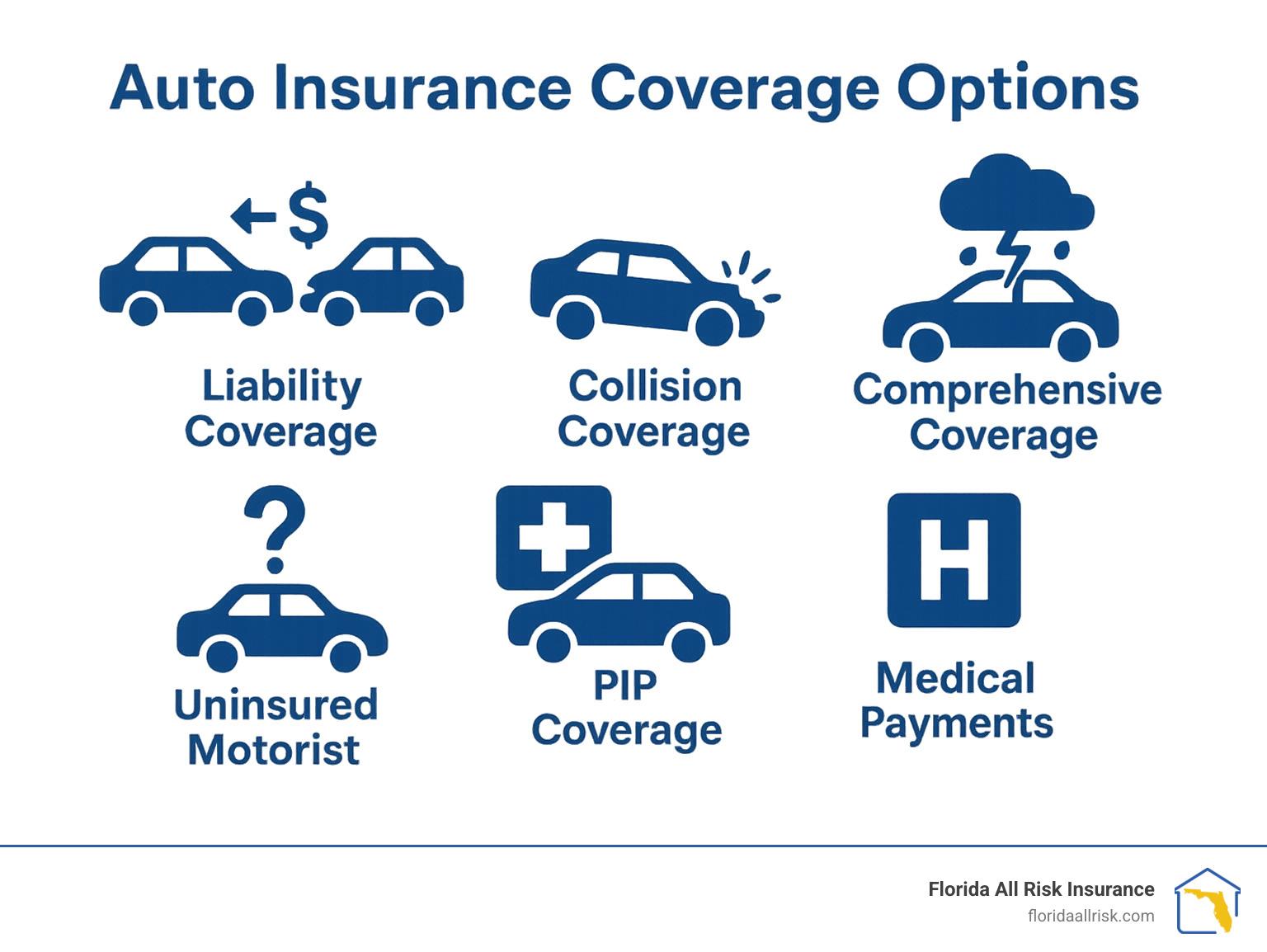
In almost every jurisdiction, liability coverage is the legal bedrock of an auto insurance policy. AAA’s liability offerings are designed to protect your personal assets if you are found legally responsible for an accident that causes injury to others or damage to their property.
Bodily Injury Liability (BI)
Bodily Injury Liability covers the medical expenses, lost wages, and legal fees associated with injuries to other people involved in an accident where you are at fault. In 2026, with the rising cost of specialized medical care, AAA experts often recommend limits that exceed state minimums.
If you carry a "100/300" policy, AAA will pay up to $100,000 per person and $300,000 per accident for injuries. If a judgment exceeds these amounts, you are personally liable for the remainder. This is why many AAA members opt for higher limits or pair their auto policy with a personal umbrella policy for added protection.
Property Damage Liability (PD)
Property Damage Liability covers the repair or replacement of other people's property. While this most commonly applies to the other driver's vehicle, it also covers damage to buildings, fences, lamp posts, and other structures. Given that the average cost of a new vehicle in 2026 continues to hover near record highs, a low property damage limit can be a significant financial risk. AAA provides various tiers of PD coverage to ensure that a single lapse in judgment doesn't lead to a lifelong debt.
Physical Damage Coverage: Protecting Your Asset
While liability protects your "pocketbook" from others, physical damage coverage protects the investment you have made in your own vehicle. AAA separates these into two distinct categories: Collision and Comprehensive.
Collision Coverage
Collision insurance pays for damage to your vehicle resulting from a crash with another vehicle or an object (like a tree or a guardrail), regardless of who is at fault. If you are financing or leasing your car in 2026, your lender will almost certainly require this coverage.
When you file a collision claim with AAA, you are responsible for your deductible—the amount you pay out of pocket before insurance kicks in. AAA offers various deductible levels, typically ranging from $250 to $1,000. Choosing a higher deductible can lower your monthly premium, but it increases your immediate financial burden during a crisis.
Comprehensive Coverage (Other Than Collision)
Comprehensive coverage handles "Acts of God" and other non-collision events. This includes:
- Theft and vandalism.
- Fire and explosions.
- Natural disasters (hail, floods, windstorms).
- Animal strikes (e.g., hitting a deer).
- Glass breakage or windshield chips.
Comprehensive is vital because these events are often entirely outside of the driver's control. AAA’s comprehensive policies are particularly valued for their streamlined glass repair process, which in many regions can be handled without a deductible if the glass can be repaired rather than replaced.
Medical and Personal Protection
Depending on your state of residence, your AAA policy will include or offer specific protections for the people inside your vehicle. These are often categorized as first-party benefits.
Medical Payments (MedPay)
MedPay is a supplemental coverage that pays for medical or funeral expenses for you and your passengers, regardless of fault. It is often used to cover "gaps" in health insurance, such as high health insurance deductibles or co-pays. One of the primary benefits of AAA MedPay is that it follows you—it can cover you if you are injured while walking as a pedestrian or while riding in someone else's car.
Personal Injury Protection (PIP)
Required in "no-fault" insurance states, PIP is more robust than MedPay. It covers medical expenses, but also extends to lost wages, childcare expenses, and "essential services" that you can no longer perform due to your injuries. Because PIP is governed by state-specific statutes, the AAA regional clubs tailor these offerings to meet local mandates precisely.
Uninsured and Underinsured Motorist Coverage
Despite legal requirements, a significant percentage of drivers remain uninsured. Uninsured Motorist (UM) and Underinsured Motorist (UIM) coverages are critical components of a AAA policy.
- Uninsured Motorist (UM): This protects you if you are hit by a driver who has no insurance at all, or if you are the victim of a hit-and-run.
- Underinsured Motorist (UIM): This applies when the at-fault driver has insurance, but their liability limits are too low to cover the full extent of your medical bills or vehicle damage.
In many states, AAA offers these as "stacked" or "non-stacked" options. Stacking allows you to combine the limits of multiple vehicles on your policy to provide a higher total payout, which can be life-saving in a catastrophic accident.
Specialized AAA Add-ons and Endorsements
What often sets AAA apart from "budget" carriers are the specialized endorsements that allow for a highly customized policy. These are designed for the modern driver’s specific needs in 2026.
Gap Insurance (Loan/Lease Gap)
If your vehicle is totaled, standard insurance only pays the Actual Cash Value (ACV). Because vehicles depreciate rapidly, you might owe your bank more than the car is worth. AAA Gap Insurance covers this "gap," ensuring you aren't left paying off a loan for a car you can no longer drive.
New Car Replacement
For members who purchase brand-new vehicles, AAA often offers a New Car Replacement endorsement. If your car is totaled within the first few years (usually within 2-3 years or a certain mileage), AAA will pay to replace it with a brand-new car of the same make and model, rather than just cutting a check for the depreciated value.
Rental Reimbursement
If your car is in the shop following a covered claim, the cost of a rental car can add up quickly. This endorsement pays a daily stipend (e.g., $30–$50 per day) for a rental vehicle. In 2026, with the integration of car-sharing apps, some AAA clubs have expanded this to include credits for ride-sharing services like Uber or Lyft while your vehicle is unavailable.
Custom Equipment Coverage
Standard policies often exclude or limit coverage for aftermarket additions. If you have installed custom rims, high-end audio systems, or performance upgrades, AAA’s custom equipment endorsement ensures these investments are protected.
Comparison of AAA Coverage Types
| Coverage Type | Primary Purpose | Required by Law? | Key Benefit |
|---|---|---|---|
| Liability (BI/PD) | Protects others from your mistakes | Yes (Most States) | Prevents lawsuits and asset seizure |
| Collision | Fixes your car after an accident | No (Lender Required) | Essential for newer/financed cars |
| Comprehensive | Covers theft, fire, and nature | No (Lender Required) | Protection against "Acts of God" |
| UM / UIM | Protects you from "bad" drivers | Varies by State | Critical safety net for hit-and-runs |
| MedPay / PIP | Covers injuries to you/passengers | Varies by State | Immediate medical bill assistance |
| Gap Insurance | Covers loan/value difference | No | Prevents "underwater" car loans |
| Rental Reimb. | Pays for transport during repairs | No | Maintains mobility after a claim |
The AAA Membership Connection
A unique aspect of AAA insurance is its relationship with the AAA Membership. While in most regions you do not have to be a member to buy insurance, being a member often unlocks significantly lower premiums and additional perks.
- Roadside Assistance Integration: While most insurance companies offer "Towing and Labor" as an add-on, AAA members already have the industry's gold standard for roadside help. AAA insurance policies are often designed to complement this, ensuring no overlap in costs.
- AAADrive and Telematics: By 2026, AAA has heavily invested in its telematics app, AAADrive. Members who use the app to demonstrate safe driving habits—such as avoiding hard braking and speeding—can earn substantial discounts on their "types of coverage" premiums.
- The "Vanishing Deductible": Some AAA clubs offer a reward for safe driving where your deductible decreases for every year you go without an accident. This can eventually lead to a $0 deductible for long-term safe drivers.
Common Limitations and Exclusions
No insurance policy covers everything. It is important to note what AAA typically excludes:
- Intentional Acts: If you intentionally crash your vehicle, coverage is void.
- Racing: Most policies exclude damage sustained while participating in organized racing or "track days."
- Commercial Use: If you are using your personal vehicle for delivery services or ride-sharing (like DoorDash or Uber) without a specific commercial endorsement, AAA may deny claims occurring during those activities.
- Wear and Tear: Insurance is for sudden and accidental loss, not for mechanical breakdowns, oil changes, or old tires.
Frequently Asked Questions
Does AAA auto insurance include roadside assistance automatically?
No, the insurance policy and the motor club membership are separate products. However, they are designed to work together. To get the famous AAA towing and lockout services, you generally need a valid AAA Membership. Some insurance policies may include basic towing, but the full suite of member benefits requires the separate annual membership fee.
What is the difference between Collision and Comprehensive on a AAA policy?
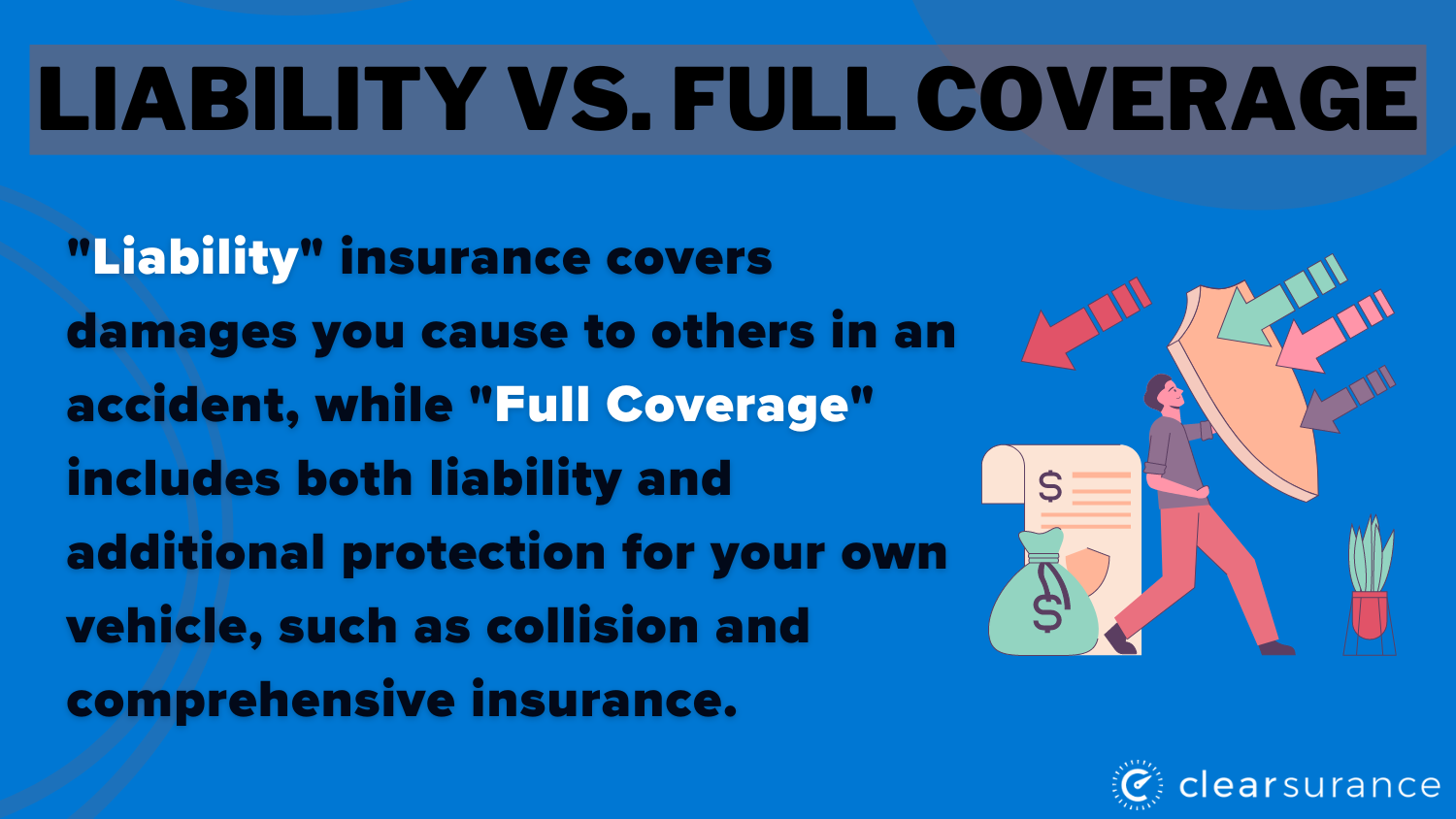
Collision covers impacts with other cars or objects while you are driving. Comprehensive covers almost everything else that can happen to a stationary car—theft, falling trees, or flood damage. If you want "full coverage," you typically need to select both on your AAA policy.
Can I get AAA auto insurance if I'm not a member?
In most regions, yes, you can purchase insurance without a membership. However, you will likely miss out on the "Member-Only" discount, which often offsets the cost of the membership itself. It is usually financially advantageous to join the club and then purchase the insurance.
How does AAA determine my premium for these coverages in 2026?
AAA uses a variety of factors including your driving record, the make and model of your vehicle, your geographic location, and your credit-based insurance score (where legal). In 2026, many AAA clubs also utilize telematics (AAADrive) to provide more personalized pricing based on actual driving behavior rather than just demographics.
Does AAA cover my pet if we are in an accident?
Many modern AAA policies now include "Pet Injury Coverage" as part of their collision or comprehensive packages. This typically pays for veterinary bills or related costs if your cat or dog is injured in a covered accident while riding in your vehicle.
Final Recommendation
When selecting your AAA auto insurance types of coverage, do not settle for state minimums. In 2026, the financial risk of an underinsured accident is higher than ever. Start by securing high-limit Liability, then protect your vehicle with Collision and Comprehensive using a deductible you can comfortably afford. If you are driving a car less than five years old, strongly consider adding Gap Insurance or New Car Replacement to safeguard your investment against rapid depreciation. Always consult with a local AAA agent to verify which club-specific endorsements, such as Pet Coverage or Accident Forgiveness, are available in your specific zip code.
For further information on national safety standards and insurance requirements, you may consult the National Highway Traffic Safety Administration (NHTSA) or the Insurance Information Institute (III).