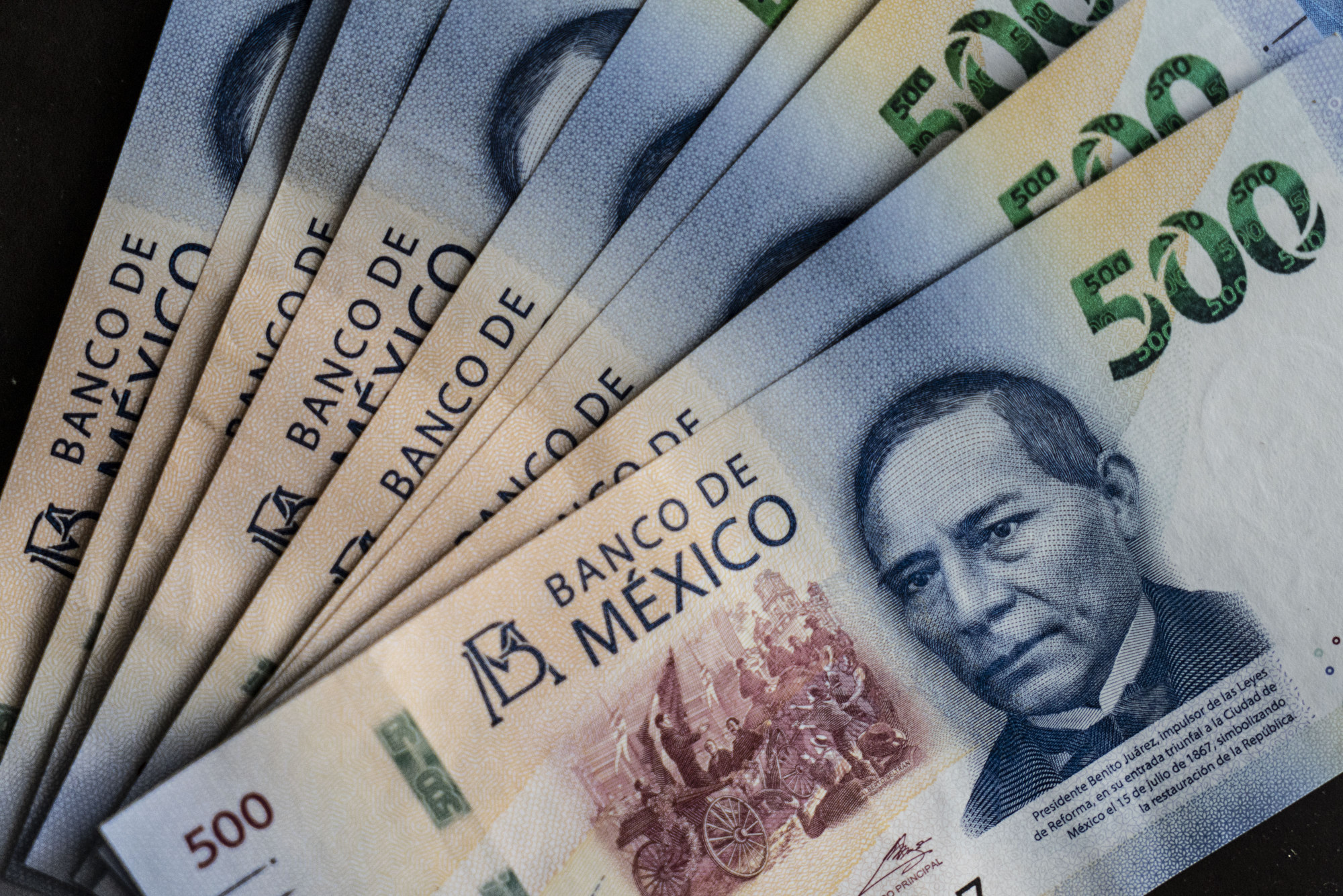
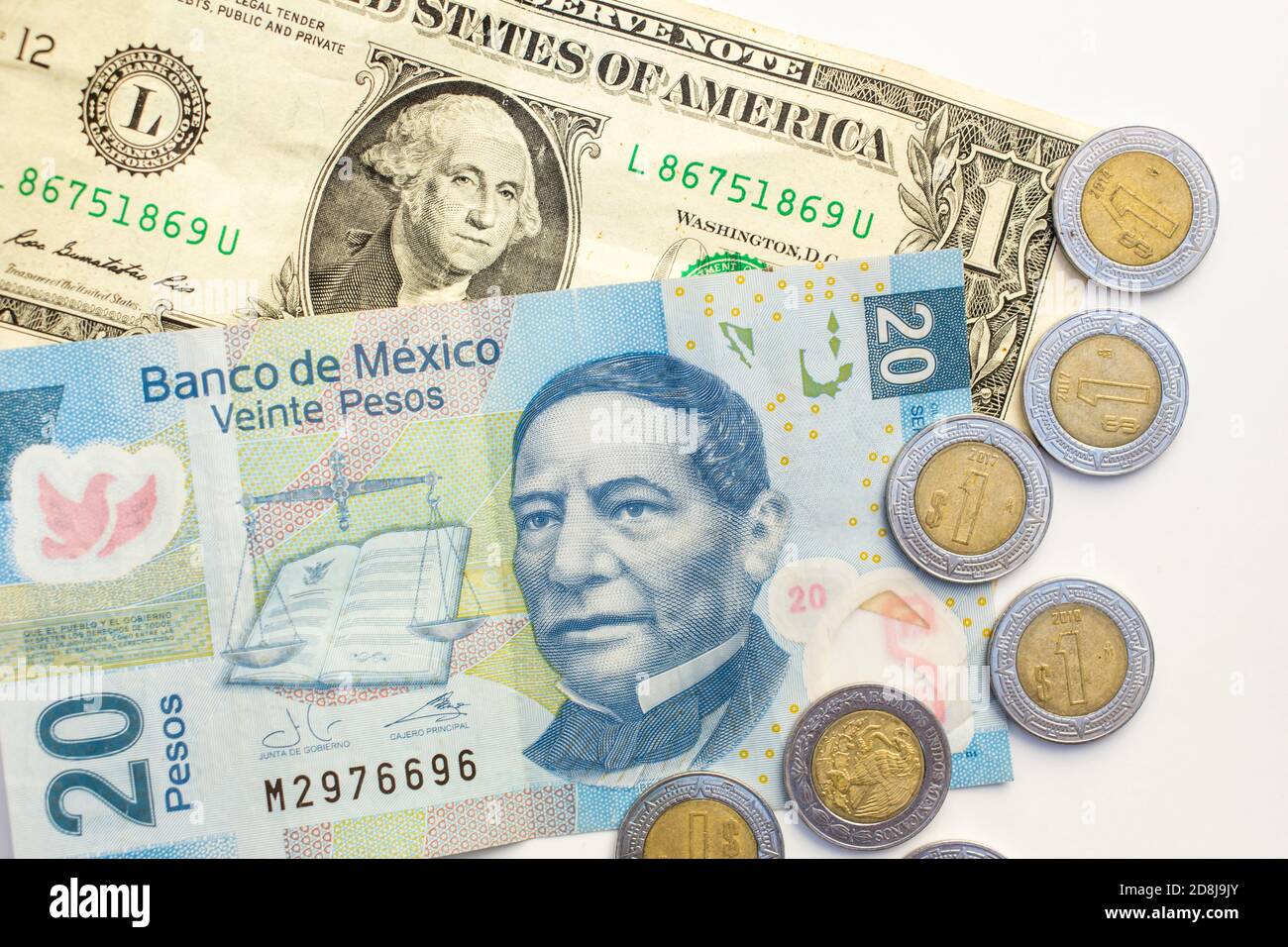
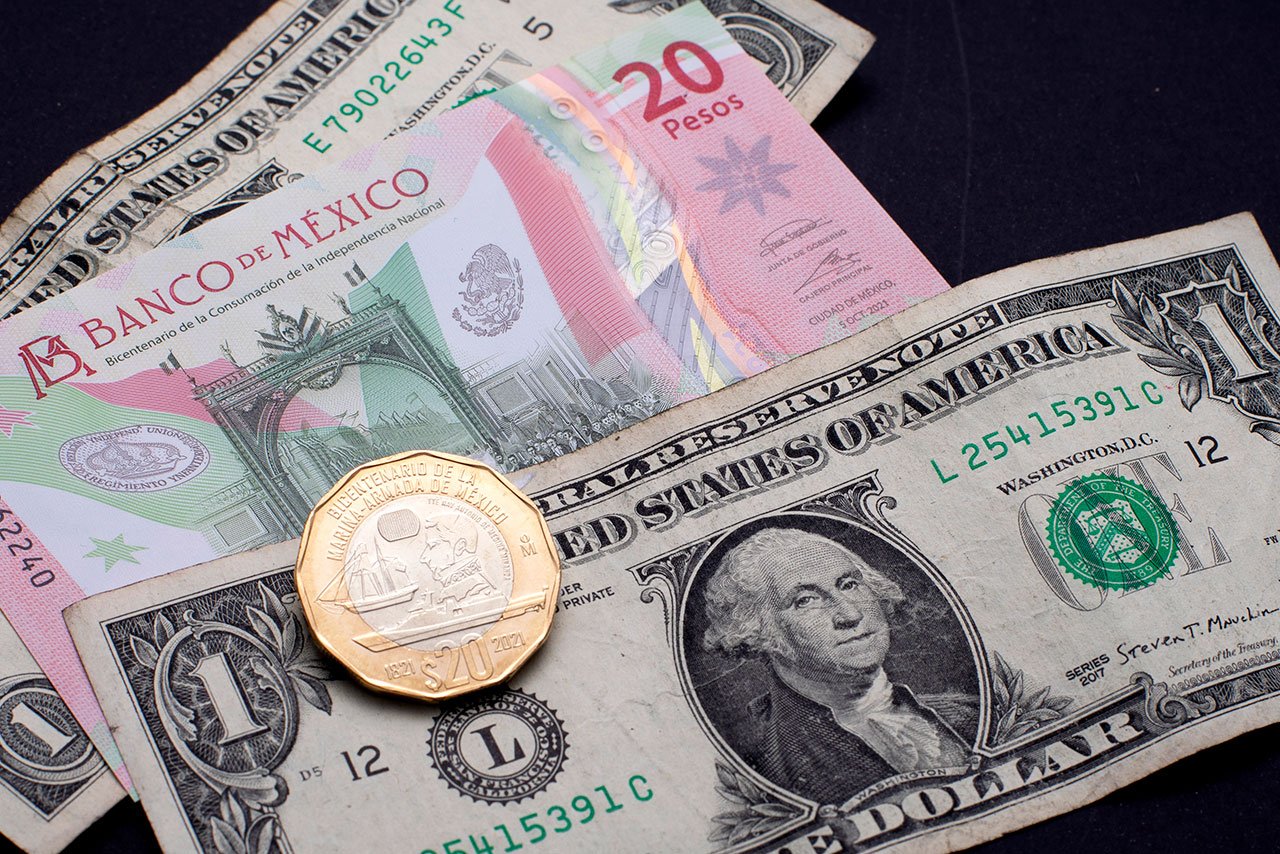
As of early 2026, converting 86,000 pesos to US dollars yields different results depending on which country's currency you hold. For the Mexican Peso (MXN), 86,000 is approximately $4,648.65 USD at a mid-market rate of 18.50. For the Philippine Peso (PHP), 86,000 converts to roughly $1,522.12 USD at a rate of 56.50. These values represent the base exchange before accounting for service fees, bank spreads, or international transfer commissions.
Understanding the Disambiguation of the "Peso"
When seeking to convert 86,000 pesos, the first and most critical step is identifying the specific national currency in your possession. While several countries utilize the "peso" denomination, their market valuations against the US dollar (USD) vary drastically. In 2026, the global financial market continues to see the Mexican Peso and the Philippine Peso as the most frequently traded "peso" currencies, but others such as the Colombian, Chilean, and Argentine pesos remain relevant in regional contexts.
For the purposes of this guide, we will focus on the two most common searches: the Mexican Peso (MXN) and the Philippine Peso (PHP). If you are holding 86,000 units of a different peso, such as the Colombian Peso (COP), the value would be significantly lower (approximately $21.50 USD), whereas 86,000 Chilean Pesos (CLP) would equate to roughly $92.00 USD. Understanding this distinction prevents costly errors in financial planning or international business invoicing.
Converting 86,000 Mexican Pesos (MXN) to USD in 2026
The Mexican Peso has maintained its position as one of the most liquid emerging market currencies. In 2026, the exchange rate fluctuates based on trade relations between the United States and Mexico, industrial production levels, and the monetary policy set by the Banco de México.
The Math Behind the Conversion
To convert 86,000 MXN to USD, you divide the peso amount by the current exchange rate. If the rate is 18.50 MXN to 1 USD:
- 86,000 / 18.50 = 4,648.65
In a retail environment, such as a bank or a physical exchange kiosk at an airport, you will rarely receive this "interbank" rate. Most retail providers add a "spread"—a percentage hidden within the exchange rate—to cover their costs and generate profit. A typical bank spread of 3% would mean you effectively receive a rate of 19.05, resulting in approximately $4,514.43 USD, a difference of over $130.
Economic Context of 86,000 MXN
In 2026, 86,000 MXN represents a significant sum in the Mexican economy. For a traveler, this amount can cover a high-end luxury stay in regions like Tulum or Los Cabos for two weeks. For a remote worker or resident, it is roughly equivalent to three to four months of the median household income in several urban centers. Understanding this purchasing power helps travelers decide whether to exchange the full amount at once or maintain a portion in pesos for local spending where USD might be accepted at a poor rate.
Converting 86,000 Philippine Pesos (PHP) to USD in 2026
The Philippine Peso’s performance against the US dollar in 2026 is heavily influenced by the volume of remittances from Overseas Filipino Workers (OFWs) and the country’s burgeoning BPO (Business Process Outsourcing) sector. The Bangko Sentral ng Pilipinas manages volatility to ensure trade stability.
The Math Behind the Conversion
Using a representative 2026 rate of 56.50 PHP per 1 USD:
- 86,000 / 56.50 = 1,522.12
Similar to the MXN, the PHP conversion is subject to local "buy" and "sell" rates. If you are in Manila or Cebu, local money changers may offer rates closer to the mid-market than large commercial banks, but the risk of counterfeit notes or miscounts requires high vigilance.
Economic Context of 86,000 PHP
In the Philippines, 86,000 PHP is a substantial amount, often used for major household purchases, tuition fees, or small business capital. In terms of USD, $1,522 represents a standard monthly salary for many mid-level professional roles in the United States, illustrating the disparity in cost of living between the two nations.
Comparison Table: 86,000 Pesos Across Different Currencies (2026)
The following table compares the value of 86,000 units of various "peso" currencies against the US Dollar based on projected 2026 average exchange rates.
| Currency Type | ISO Code | 2026 Est. Exchange Rate (per 1 USD) | 86,000 Pesos in USD |
|---|---|---|---|
| Mexican Peso | MXN | 18.50 | $4,648.65 |
| Philippine Peso | PHP | 56.50 | $1,522.12 |
| Chilean Peso | CLP | 935.00 | $91.98 |
| Colombian Peso | COP | 4,000.00 | $21.50 |
| Uruguayan Peso | UYU | 39.50 | $2,177.22 |
| Dominican Peso | DOP | 59.00 | $1,457.63 |
Note: These rates are for educational purposes and reflect estimated mid-market values. Real-time rates will differ.
Factors Influencing the Conversion Rate in 2026
Several macroeconomic factors determine why your 86,000 pesos might be worth more or less on any given day. In 2026, the global economy is increasingly interconnected, making currency pairs sensitive to even minor policy shifts.
Interest Rate Differentials
The Federal Reserve in the United States and the central banks of Mexico or the Philippines often move interest rates to combat inflation. If the Banco de México raises interest rates higher than the Fed, the Mexican Peso usually strengthens because investors seek the higher yield, making your 86,000 pesos worth more USD. Conversely, if the Fed raises rates, the USD strengthens, and your peso conversion will yield fewer dollars.
Inflation and Purchasing Power Parity
Inflation erodes the value of a currency over time. If the Philippines experiences higher inflation than the United States, the purchasing power of the PHP drops. In 2026, traders look at "Real Interest Rates" (the interest rate minus inflation) to decide which currency to hold. This constant tug-of-war is what causes the daily "ticks" in the exchange rate you see on Google or financial news sites.
Geopolitical Stability and Trade
For Mexico, trade agreements and the "nearshoring" trend (U.S. companies moving manufacturing from Asia to Mexico) significantly impact the MXN. In 2026, any changes to North American trade protocols can cause an immediate 2% to 5% swing in the value of 86,000 pesos. For the Philippine Peso, regional stability in the South China Sea and trade relations with both China and the US are the primary drivers of volatility.
Where to Exchange 86,000 Pesos for Maximum Value
The method you choose to convert your money can result in a difference of hundreds of dollars. When handling a sum as large as 86,000 MXN ($4,648), the "cheapest" method becomes essential.
1. Digital Fintech Platforms
In 2026, digital platforms like Wise, Revolut, and various peer-to-peer (P2P) exchange services remain the most cost-effective. They typically offer the mid-market rate—the same one you see on Google—and charge a small, transparent fee (usually between 0.4% and 1%). For 86,000 MXN, using a fintech service could save you $100-$150 compared to a traditional bank.
2. Commercial Banks
Traditional banks are convenient but expensive. They often use a "retail exchange rate" that includes a significant markup. While they are the safest option for large physical cash deposits, they are rarely the best for the actual conversion. If you must use a bank, check if they have a partnership with a bank in the target country to waive ATM or wire transfer fees.
3. Physical Currency Exchange (Casas de Cambio)
If you have 86,000 pesos in physical banknotes, you will likely use a "Casa de Cambio."
- At the Airport: Avoid these for large amounts. They often have the worst rates, sometimes 10-15% away from the mid-market rate.
- In City Centers: Competition among exchange booths in tourist hubs often leads to better rates. Always ask for the "net" amount after all fees to ensure a fair comparison.
4. International Wire Transfers (SWIFT)
For business-to-business transactions involving 86,000 pesos, a SWIFT transfer is the standard. However, be aware of "Intermediary Bank Fees." A transfer might pass through two or three banks before reaching its destination, with each taking a $15-$30 cut.
Hidden Costs: The "Spread" and Commission
Most people mistakenly believe that the "commission" is the only fee they pay. In reality, the "spread" is the primary cost.
The Spread is the difference between the price the bank buys the currency from you and the price they sell it to someone else. For example, if the mid-market rate for 1 USD is 18.50 MXN:
- The bank might "Buy" your pesos at 19.50 (you give them more pesos for a dollar).
- The bank might "Sell" you pesos at 17.50 (they give you fewer pesos for your dollar).
On 86,000 pesos, a spread of 5% is a hidden fee of $232. Always compare the rate offered to the live rate on an official source like the International Monetary Fund (IMF) or a reliable financial data provider.
Regulatory and Tax Implications
When converting or transporting 86,000 pesos, you must be aware of anti-money laundering (AML) and tax reporting laws.
- The $10,000 Rule: In 2026, the international standard for reporting remains $10,000 USD. Since 86,000 MXN is approximately $4,648 USD, it falls well below the mandatory reporting threshold for US Customs (CBP) if you are carrying it physically. However, if you are converting 860,000 pesos, you would exceed the limit and must declare it.
- Source of Funds: Banks may ask for a "Source of Funds" declaration for transactions of this size to ensure the money is not linked to illicit activities. Keeping receipts from your initial currency purchase or proof of income is a best practice.
- Taxable Events: In some jurisdictions, if you held the pesos as an investment and their value increased significantly against the dollar before you converted them, you might be liable for capital gains tax. Consult a tax professional if this conversion is part of a larger investment strategy.
FAQs: Common Questions About Peso to Dollar Conversion
Is it better to exchange pesos in Mexico or the US?
Generally, it is better to exchange pesos in Mexico. Mexican banks and exchange houses have a higher volume of peso-dollar transactions, which usually results in more competitive rates. US banks often have to "order" the currency or treat it as an exotic asset, leading to wider spreads and higher fees.
Can I use my Mexican or Philippine debit card in the US to withdraw dollars?
Yes, most Visa and Mastercard debit cards work globally. When the ATM asks if you want to "Convert with the ATM's rate" or "Decline Conversion," always decline conversion. This forces the transaction to be processed by your home bank (e.g., Banorte or BDO), which almost always offers a better rate than the ATM provider’s third-party processor.
Will the value of 86,000 pesos change significantly by the end of 2026?
Currency markets are volatile. A change in inflation data or a major political election can move the rate by 5-10% in a single month. For 86,000 MXN, a 5% shift equals roughly $232 USD. If you do not need the money immediately, you may choose to "ladder" your exchanges—converting 20,000 pesos at a time—to average out the exchange rate (Dollar Cost Averaging).
How do I verify if a 500 or 1,000 peso note is real before exchanging?
In 2026, both Mexican and Philippine notes use advanced polymer and security features. Look for color-shifting ink, clear windows, and raised texture on the main portraits. If you are exchanging a large sum like 86,000, it is safer to perform the transaction inside a reputable financial institution or a high-traffic exchange office with visible security.
Strategic Recommendation for Converting 86,000 Pesos
To maximize the US dollars you receive for your 86,000 pesos, follow this specific hierarchy of actions:
- Check the Mid-Market Rate: Use a live financial tracker to see exactly what 86,000 pesos is worth at this second.
- Prioritize Digital: If the money is in a bank account, use a fintech app (Wise or Revolut). This will consistently provide the highest return, often within $20 of the theoretical maximum.
- Avoid the "Convenience Trap": Do not exchange at hotel front desks or airport kiosks unless it is an emergency. The convenience fee is effectively a 10% tax on your money.
- Inquire About "Wholesale" Rates: If you are a business owner or frequent traveler, ask your bank for a "preferred" rate. Sometimes, simply asking for a better spread can save you 1-2% on a sum the size of 86,000 pesos.
By understanding the math, the market context, and the platform fees, you can ensure that your 86,000 pesos are converted into the maximum possible amount of US dollars, protecting your hard-earned purchasing power in the 2026 economy.