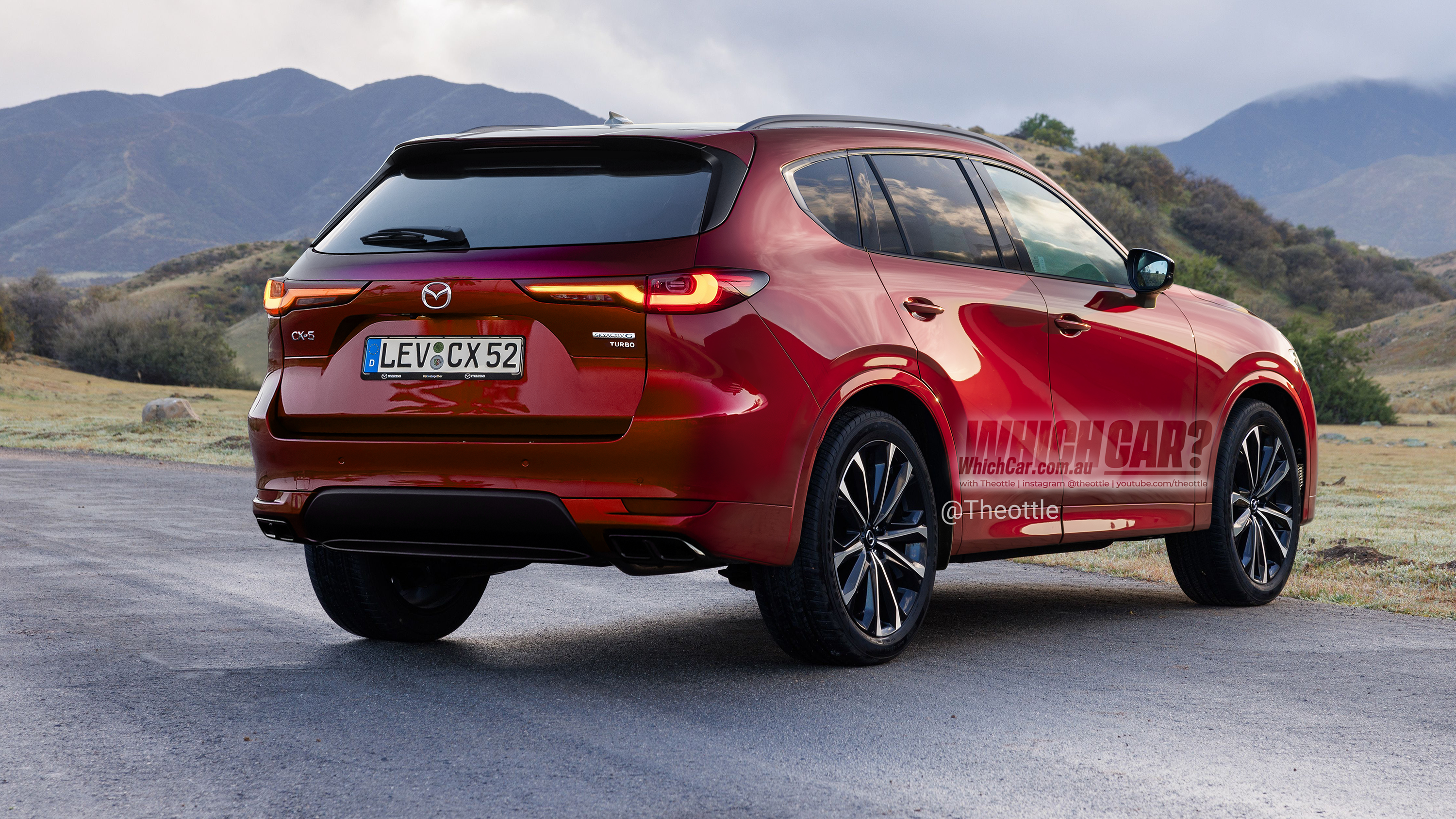
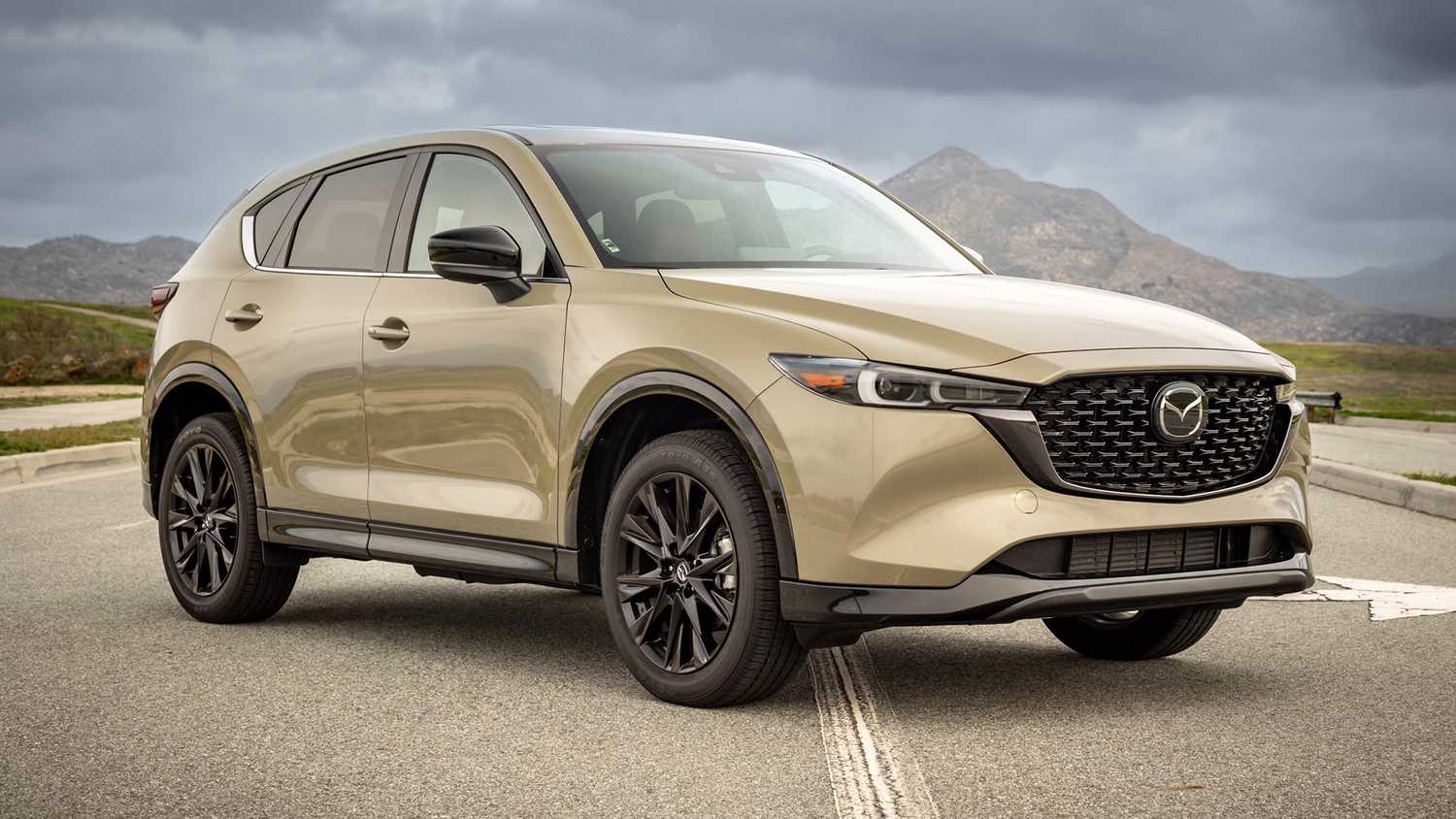
Financing a Mazda CX-5 in 2026 requires a strategic approach to credit tiers, dealership incentives, and long-term value retention. To secure the best terms, buyers must navigate Mazda Financial Services' specific requirements, evaluate the "buy vs. lease" trade-off based on current residual values, and account for the total cost of ownership beyond the monthly payment.
The Mazda CX-5 remains one of the most popular compact SUVs on the market due to its blend of premium interior quality and engaging driving dynamics. However, as vehicle prices and interest rates have stabilized in 2026, the financial landscape for acquiring one has become more nuanced. Whether you are looking at a base "Select" trim or the high-end "Turbo Signature," understanding the mechanics of automotive finance is essential to avoiding overpayment.
1. Mazda Financial Services (MFS) and Promotional APR
Most Mazda financing is handled through Mazda Financial Services (MFS), which is the brand's captive lending arm. MFS often provides the most competitive interest rates, particularly "subvented" or promotional Annual Percentage Rates (APR). In 2026, Mazda frequently offers 0.9% to 3.9% APR for well-qualified buyers on 36-to-60-month terms.
Captive lenders like MFS use these low rates as a marketing tool to move inventory. However, these rates are rarely "flat." They are typically tiered based on your credit score. To qualify for the advertised 0% or 1.9% rates, a buyer usually needs a FICO score of 720 or higher (Tier 1). If your score falls into Tier 2 (680–719) or Tier 3 (620–679), the interest rate can jump significantly, sometimes by 3% to 5%.
When researching finance options, always check the Mazda USA website for "Special Offers." These are often regional; an offer available in California might not be available in Florida. Furthermore, promotional APR is often an "either/or" proposition: you can take the low interest rate or a "Customer Cash" rebate, but rarely both.
2. The Leasing vs. Financing Calculation in 2026
Deciding whether to lease or finance a CX-5 depends heavily on your driving habits and how long you intend to keep the vehicle. By 2026, the CX-5 has established a reputation for high residual value—the estimated value of the car at the end of a lease term. High residual values lead to lower monthly lease payments because you are only paying for the portion of the car’s value that you "use."
When to Lease:
- You prefer a new vehicle every 36 months.
- You drive fewer than 12,000 miles per year (excess mileage fees can range from $0.15 to $0.25 per mile).
- You want a lower monthly payment with minimal down payment.
- You use the vehicle for business and can benefit from tax deductions.
When to Finance (Purchase):
- You plan to keep the CX-5 for six years or longer.
- You drive 15,000+ miles per year.
- You want to build equity in the vehicle.
- You prefer the freedom to customize or modify the car without lease-end penalties.
| Feature | Financing (Loan) | Leasing |
|---|---|---|
| Ownership | You own the vehicle after the final payment. | You return the vehicle or buy it at the end. |
| Monthly Payment | Generally higher (paying for the full value). | Generally lower (paying for depreciation). |
| Mileage Limits | Unlimited. | Restricted (typically 10k, 12k, or 15k/year). |
| Customization | Full flexibility. | Must be returned to stock condition. |
| Long-term Cost | Cheaper over 8–10 years. | More expensive over the long term. |
3. Credit Tiers and Their Impact on Monthly Payments
Your credit score is the single most influential factor in your Mazda CX-5 finance contract. Lenders categorize applicants into "tiers," and the difference between Tier 1 and Tier 4 can amount to thousands of dollars over the life of a 60-month loan.
In the 2026 market, lenders have become more stringent with Debt-to-Income (DTI) ratios. Even with a high credit score, a high DTI can result in a higher interest rate or a requirement for a larger down payment. For a Mazda CX-5, which typically retails between $30,000 and $42,000 depending on the trim, a 1% difference in APR on a $35,000 loan results in roughly $900 in additional interest over five years.
Before visiting a dealership, it is advisable to get a pre-approval from a credit union or a major bank. This gives you a "ceiling" rate. If the dealer cannot beat your bank's rate, you already have your financing secured. This shifts the negotiation focus back to the vehicle's sale price rather than the monthly payment.
4. Depreciation and the Importance of GAP Insurance
The Mazda CX-5 holds its value better than many of its competitors, such as the Chevrolet Equinox or Nissan Rogue. According to data from Kelley Blue Book, the CX-5 typically retains approximately 55-60% of its value after 36 months. While this is excellent for resale, the car still experiences its steepest depreciation the moment it leaves the lot.
If you are financing the vehicle with a small down payment (less than 20%), you may find yourself "underwater" or "upside down" on the loan for the first two years. This means you owe more to the bank than the car is worth on the open market.
In this scenario, Guaranteed Asset Protection (GAP) insurance is a critical consideration. If your CX-5 is totaled in an accident or stolen, your standard auto insurance will only pay the "Actual Cash Value" (ACV). If you owe $32,000 but the ACV is only $28,000, you are responsible for the $4,000 deficit. GAP insurance covers this difference. Many Mazda lease agreements include GAP coverage automatically, but for financed purchases, it must be added separately.
5. Negotiating the "Out-the-Door" Price
A common mistake in Mazda finance is negotiating based on the monthly payment rather than the total purchase price. Dealerships can often meet a "target" monthly payment by extending the loan term (e.g., from 60 months to 72 or 84 months). While the monthly payment looks affordable, you end up paying significantly more in interest over time.
To avoid this, focus on the Out-the-Door (OTD) price. This includes:
- The negotiated sale price of the CX-5.
- Sales tax (based on your registration location).
- Documentation fees (which vary by state and dealership).
- Registration and title fees.
Once you have a firm OTD price, then discuss the financing terms. Ensure there are no "hidden" add-ons in the finance office, such as nitrogen-filled tires, VIN etching, or overpriced paint protection packages. These are high-margin items for the dealer that provide little actual value to the consumer but are often rolled into the financed amount, where they accrue interest.
6. The Role of Trade-In Equity and Down Payments
In 2026, the used car market remains a vital component of the new car transaction. If you have an existing vehicle, its trade-in value can act as a significant "down payment," reducing the amount you need to borrow for your CX-5.
One financial advantage of trading in your vehicle at the dealership is the tax credit available in many U.S. states. In these jurisdictions, you only pay sales tax on the difference between the new car price and your trade-in value. For example, if the CX-5 is $35,000 and your trade-in is worth $15,000, you only pay sales tax on $20,000. If you sold the car privately, you would lose this tax benefit, meaning your private sale price would need to be significantly higher than the dealer's trade-in offer to break even.
A healthy down payment—ideally 20%—is the best way to lower your monthly obligation and ensure you stay in an "equity" position. If you cannot afford a 20% down payment, aim for at least enough to cover the taxes and initial fees so that the loan amount does not exceed the vehicle’s Manufacturer’s Suggested Retail Price (MSRP).
7. Extended Warranties and Maintenance Plans
During the final phase of financing, the "F&I" (Finance and Insurance) manager will likely offer you an extended warranty (Mazda Protection Products) or a prepaid maintenance plan.
The Mazda CX-5 comes with a standard 3-year/36,000-mile limited warranty and a 5-year/60,000-mile powertrain warranty. If you plan to trade the car in within three years, an extended warranty is a poor investment. However, if you intend to keep the car for seven to ten years, a factory-backed extended service contract can provide peace of mind against expensive electronic or mechanical failures.
Prepaid maintenance is a different calculation. Some dealers offer these plans at a discount compared to "pay-as-you-go" service. Before signing, calculate the cost of six oil changes and tire rotations (the standard service for three years) and compare it to the plan's price. In 2026, with rising labor costs, locking in today's maintenance rates can sometimes be a smart move, but only if the plan is honored at any Mazda dealership nationwide, not just the one where you bought the car.
Frequently Asked Questions
What is the minimum credit score for Mazda 0% APR?
Typically, Mazda Financial Services requires a Tier 1 credit score, which is generally 720 or higher. However, some promotional periods may allow scores as low as 700 to qualify, depending on your overall credit history and debt-to-income ratio. It is always best to check the specific "fine print" on the Mazda USA website for current month-to-month requirements.
Can I refinance my Mazda CX-5 loan later?
Yes, you can refinance your auto loan if interest rates drop or if your credit score improves significantly. Most experts recommend waiting at least six to twelve months after the initial purchase to allow your credit score to recover from the "hard inquiry" of the first loan. Ensure your current loan does not have a "prepayment penalty," though these are rare in modern consumer auto finance.
Is the Mazda CX-5 Carbon Turbo more expensive to finance?
The Carbon Turbo trim has a higher MSRP than the base Select or Preferred trims, which means the total amount financed will be higher. This results in higher monthly payments and more total interest paid if the APR remains the same. Additionally, higher-performance turbo models may carry slightly higher insurance premiums, which impacts your total monthly automotive budget.
Does Mazda offer military or college graduate discounts?
Mazda frequently offers a "Military Appreciation Bonus" and a "College Graduate Finance Program." These typically provide a $500 rebate that can be applied to the down payment or the final sale price. These incentives can usually be combined with promotional APR offers, making them a valuable tool for eligible buyers to reduce their total financed amount.
How do I calculate the total cost of ownership for a CX-5?
Beyond the monthly finance payment, you must account for fuel (the CX-5 averages 26–30 MPG depending on the engine), insurance, annual registration fees, and routine maintenance. A helpful resource for these calculations is the Edmunds True Cost to Own (TCO) tool, which provides a five-year estimate of these cumulative expenses.
Practical Recommendation
Before signing any Mazda CX-5 finance contract, take three specific actions. First, obtain a third-party loan quote from your local credit union to use as leverage. Second, use an online auto loan calculator to see how much of your monthly payment is going toward interest versus principal; this often encourages buyers to shorten their loan term. Finally, always ask for the "Buy Rate" from the dealer. Dealers are allowed to "mark up" the interest rate provided by the lender (e.g., if the bank approves you for 4%, the dealer might quote you 5% and keep the difference). By asking for the buy rate, you signal that you are an informed consumer.