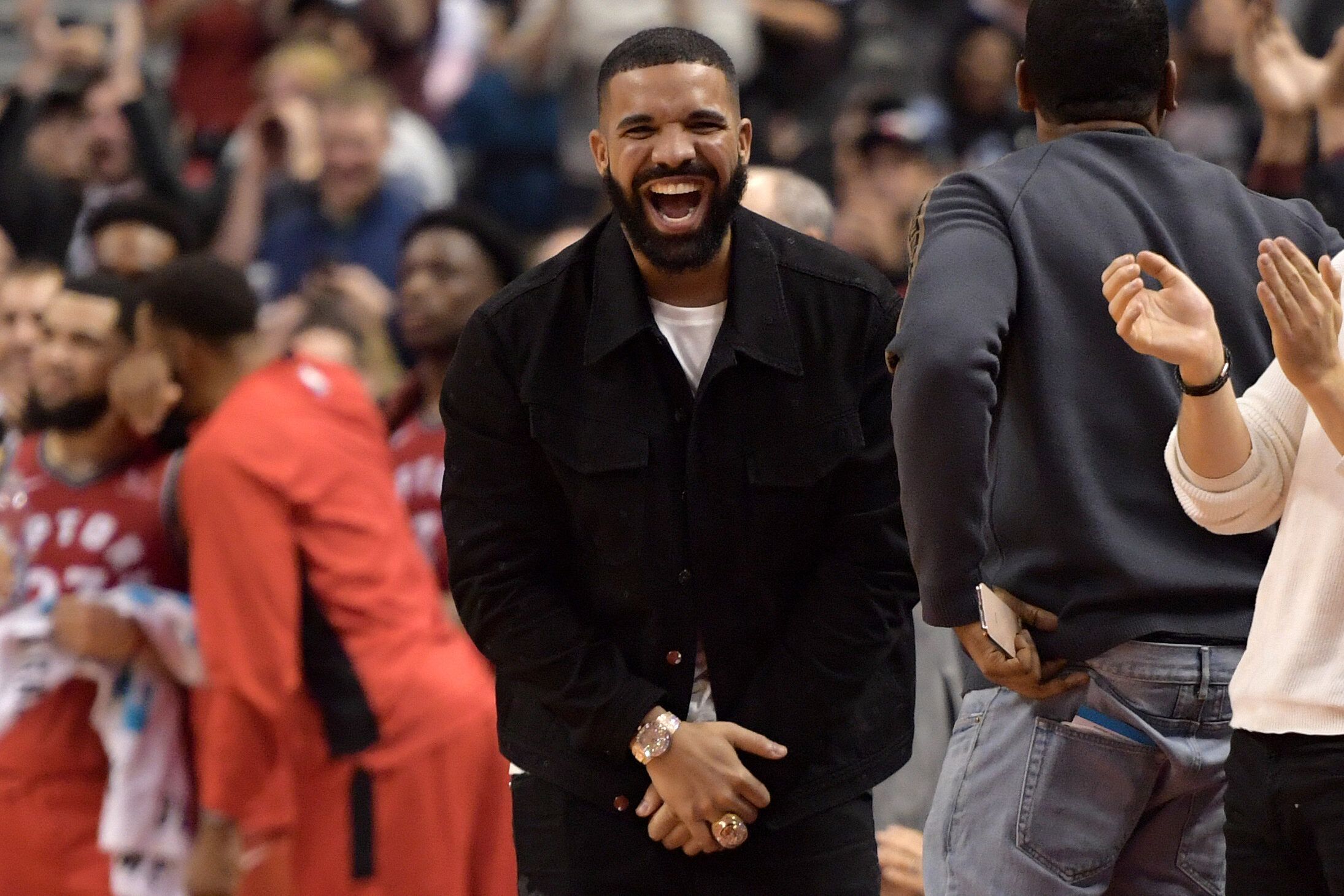
Drake dominates the Billboard Hot 100 through a combination of massive album tracklists, strategic collaborations that trigger the "Drake stimulus," and a genre-fluid sound optimized for global streaming playlists. By leveraging viral social media moments and high-frequency release cycles, he consistently secures more chart entries and Top 10 hits than any other artist.
As we look at the landscape of the music industry in 2026, Aubrey "Drake" Graham remains the most formidable force in the history of the Billboard Hot 100. Since his first entry with "Best I Ever Had" in 2009, the Toronto native has not just participated in the charts; he has fundamentally redesigned the blueprint for how a modern artist achieves and sustains commercial dominance. His success is not merely a product of popularity, but a result of a highly calculated, data-driven approach to music production and distribution.
Understanding Drake’s grip on the charts requires an analysis of how he exploits the mechanics of the Billboard tracking system, which shifted heavily toward streaming data over the last decade. Here are the seven surprising ways Drake continues to dominate the Hot 100.
1. The Saturation Strategy: Massive Tracklists as a Statistical Advantage
One of the most effective ways Drake ensures his dominance is through the sheer volume of his releases. While traditional albums in the pre-streaming era typically featured 10 to 12 tracks, Drake’s major projects—such as Scorpion, Certified Lover Boy, and For All The Dogs—frequently exceed 20 tracks.
This is a deliberate statistical play. Because Billboard counts individual song streams toward the Hot 100, an artist who releases 25 songs in a single package has 25 opportunities to chart simultaneously. In 2018, upon the release of Scorpion, Drake charted all 25 tracks on the Hot 100 in a single week. This "blanket" effect allows him to occupy massive percentages of the chart, effectively crowding out competitors.
Furthermore, these long tracklists cater to the "skip-forward" culture of streaming. Even if a listener only enjoys half of a 27-track album, those 13 or 14 songs still generate enough data points to land in the Top 40. This volume-heavy approach has allowed Drake to surpass the record for the most simultaneous Hot 100 entries multiple times throughout his career.
2. The "Drake Stimulus": Strategic Use of Features
Drake has mastered the "feature economy" better than perhaps any artist in history. This dominance works in two directions: he appears on the songs of rising stars to capture new audiences, and he invites established titans onto his own tracks to ensure multi-demographic appeal.
When Drake appears on a song by a lesser-known artist, it is often referred to by industry insiders as the "Drake stimulus." This guest appearance almost guarantees a Hot 100 entry for the lead artist, which in turn adds to Drake’s own career total for most charted songs. By collaborating with artists across the spectrum—from 21 Savage and Future to Bad Bunny and Lil Baby—he keeps his name on the charts even during years when he doesn't release a solo album.
As of 2026, a significant portion of Drake’s total Hot 100 entries are as a featured artist. This strategy ensures he is always "in the room," regardless of whose project is currently trending. According to Billboard's historical data, these collaborations account for hundreds of his cumulative weeks on the chart.
3. Global Sonic Integration and Genre Fluidity
Drake’s ability to dominate the charts is largely due to his refusal to be boxed into a single genre. He is a "musical chameleon," shifting between hard-hitting trap, melodic R&B, UK Drill, Afrobeat, and Dancehall. This allows him to appear on a wider variety of curated playlists on platforms like Spotify and Apple Music.
By incorporating global sounds, Drake expands his "top of funnel" reach. For example:
- Dancehall/Afrobeats: Hits like "One Dance" and "Controlla" appealed to international markets and summer-vibe playlists.
- UK Drill: Tracks like "War" and "Circo Loco" tapped into the rising London scene.
- Reggaeton: Collaborations like "MIA" with Bad Bunny allowed him to dominate Latin charts and the Hot 100 simultaneously.
This genre-hopping ensures that Drake is never reliant on a single radio format. If Hip-Hop airplay is down, his R&B tracks sustain him. If the US market is saturated, his international-leaning tracks provide the necessary streaming numbers to maintain high chart positions.
4. Viral Architecture: Designing Music for Social Media Algorithms
In the modern era, a song’s success on the Hot 100 is often tied to its performance on TikTok and Instagram Reels. Drake and his production team at OVO Sound are experts at "viral architecture"—creating specific moments within songs that are tailor-made for short-form video sharing.
Consider the "Kiki, do you love me?" line from "In My Feelings" or the infectious, simplistic dance moves in the "Hotline Bling" music video. These weren't just artistic choices; they were invitations for user-generated content. When a song becomes a "challenge" or a meme, it drives millions of organic streams that Billboard’s methodology weighs heavily.
Drake’s lyrics often include "Instagram-captionable" phrases—short, relatable, and emotive lines that fans use to soundtrack their own lives. This psychological connection keeps his catalog "sticky," ensuring that even older tracks continue to stream well enough to occasionally re-enter the lower rungs of the Hot 100 or maintain long-term presence on the Billboard 200.
5. Exploiting Billboard’s Streaming-to-Sales Ratios
Billboard has adjusted its chart formulas several times to balance the weight of paid streams (Spotify Premium, Apple Music) versus ad-supported streams (YouTube, Spotify Free) and digital sales. Drake’s team has consistently shown an ability to adapt to these changes faster than his peers.
Drake’s dominance is particularly visible in the "Top 10" category. In 2021, with the release of Certified Lover Boy, he became the first artist to ever debut nine of the top 10 songs on the Hot 100 simultaneously. This was achieved by concentrating his massive fanbase’s listening habits into the first 24 hours of a release, creating a "streaming spike" that the Billboard formula translates into a high chart ranking.
While some critics argue that these numbers are "inflated" by passive listening on large playlists (like "RapCaviar"), the reality is that Drake’s team optimizes every release for these specific metrics, ensuring that his "first-week impact" is always record-breaking.
| Record Category | Drake's Standing (as of 2026) | Previous Record Holder (Approx.) |
|---|---|---|
| Total Hot 100 Entries | 300+ | Glee Cast (207) |
| Most Top 10 Hits | 80+ | Madonna (38) |
| Most Top 40 Hits | 180+ | Elvis Presley (80) |
| Most Simultaneous Entries | 27 (Single Week) | Taylor Swift |
| Weeks Spent on Chart | 1,000+ (Cumulative) | Elton John |
6. High-Frequency Release Cycles (The "No Days Off" Approach)
Unlike many of his "Big Three" contemporaries who may take three to five years between major studio albums, Drake rarely allows the public to go 12 months without a significant body of work. Between 2015 and 2025, Drake released a project (album, mixtape, or playlist) almost every single year.
This high frequency creates a "cumulative chart gravity." As new songs enter the Hot 100, they often pull older, "catalog" songs back into relevance. The constant stream of content keeps his name in the news cycle and at the top of algorithmic recommendations.
Furthermore, Drake often uses "Scary Hours" EPs or "Care Package" compilations to bridge the gaps between major albums. These smaller releases serve as "market tests" to see which sounds are resonating, allowing him to pivot his strategy for the next full-length LP to ensure maximum chart impact.
7. The OVO Ecosystem and Cross-Platform Branding
Finally, Drake’s dominance is supported by the OVO (October's Very Own) infrastructure. This isn't just a record label; it's a lifestyle brand that includes a radio station (OVO Sound Radio on Apple Music), a clothing line, and global partnerships with companies like Nike and Stake.
This ecosystem acts as a massive marketing funnel. OVO Sound Radio, in particular, has been used to "leak" or premiere new tracks, creating a sense of exclusivity and urgency. By the time a song is officially released to all platforms, the "hype" has already reached a fever pitch, resulting in an immediate surge in streaming numbers.
Moreover, Drake’s personal brand—characterized by his accessibility and "everyman" persona—encourages a level of fan loyalty that translates into consistent chart performance. His fans don't just listen to his music; they engage with his lifestyle, which keeps him at the center of the cultural conversation and, by extension, at the top of the Billboard charts.
Frequently Asked Questions
Does Drake have the most number-one hits on the Hot 100?
As of 2026, Drake is among the top artists with the most No. 1 hits, but he traditionally competes with icons like The Beatles and Mariah Carey for the all-time top spot. While he holds the record for the most total entries and Top 10s, the No. 1 spot is a more volatile metric that he often shares with other pop juggernauts like Taylor Swift.
How does Billboard count streaming toward the Hot 100?
Billboard uses a weighted system where 1,250 premium (paid) streams or 3,750 ad-supported streams equal one "unit" for the album charts, but for the Hot 100, the formula is more complex. It combines streaming data from all major platforms, radio airplay, and digital sales. Drake's dominance is primarily driven by his massive volume of premium streams.
What is the "Drake stimulus" effect?
The "Drake stimulus" refers to the significant boost in chart position and visibility a smaller artist receives when Drake features on their song. Because Drake has such a massive and dedicated following, his presence on a track almost guarantees it will debut high on the Hot 100, often giving that artist their first major hit.
Why do Drake's albums have so many songs?
Drake's use of long tracklists (often 20-25 songs) is a strategic move to maximize streaming numbers. Since every song on an album can chart individually on the Hot 100, more tracks mean more opportunities to break records for simultaneous entries and to accumulate more total chart points.
Has anyone ever beaten Drake’s Hot 100 records?
While artists like Taylor Swift have occasionally surpassed Drake in specific categories—such as most simultaneous entries in the Top 10 or most No. 1 debuts—Drake currently holds the overall crown for the most cumulative Hot 100 entries in the history of the magazine.
Practical Recommendation for Music Analysts
To truly understand Drake's dominance, analysts should look beyond the Billboard Hot 100 and examine Spotify's Daily Global Charts alongside Mediabase radio airplay data. The synergy between initial streaming surges and long-term radio "staying power" is the secret to his longevity. If you are tracking the next generation of artists, look for those who replicate his "volume + variety" model, as this has proven to be the most resilient strategy in the streaming era.