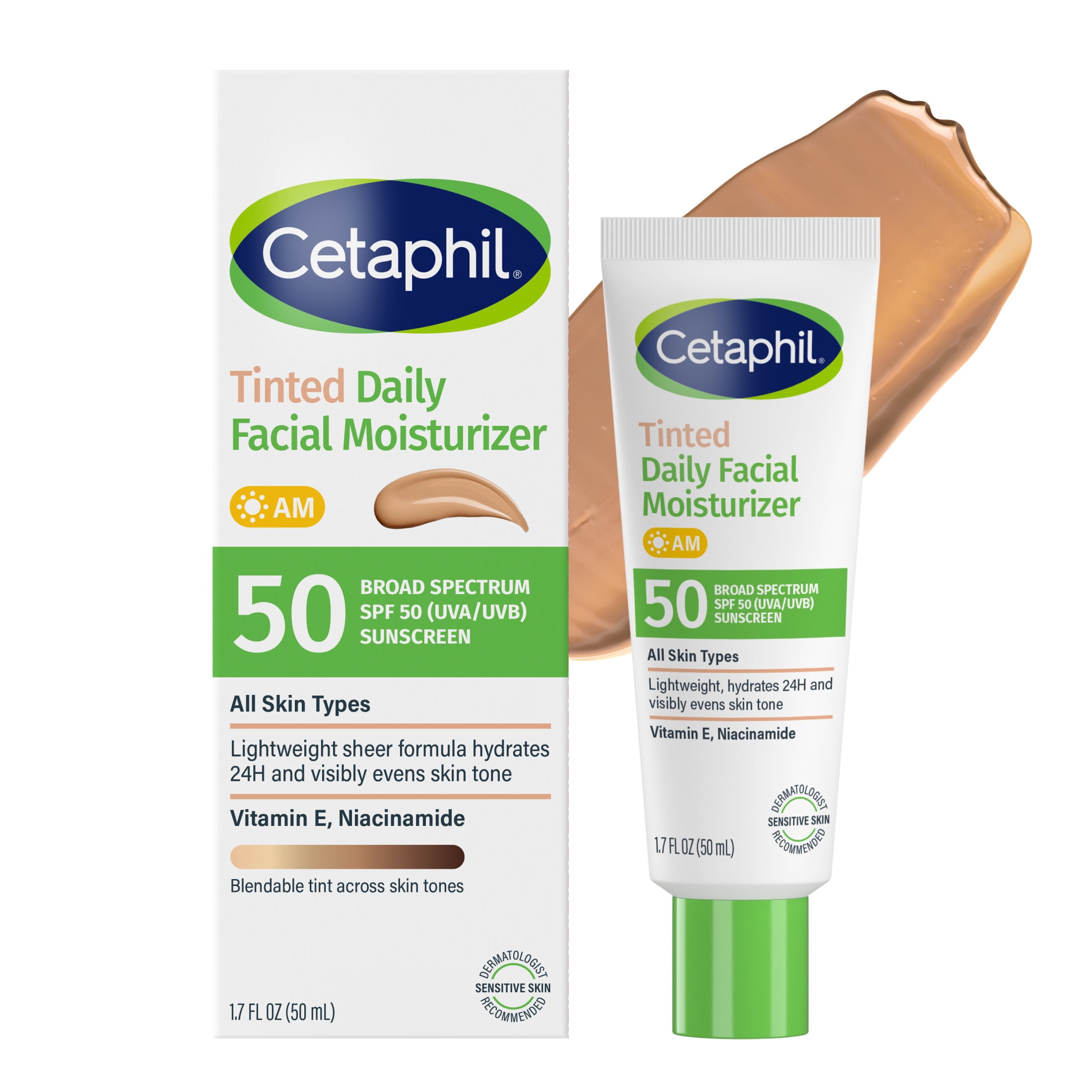
To identify the best facial moisturizer with SPF 50, you must evaluate products based on UV filter photostability, skin type compatibility, finish, and the presence of supportive actives like ceramides or antioxidants. A rigorous 7-step comparison ensures the formula provides robust broad-spectrum protection while functioning as a high-quality daily hydrator.
In 2026, the distinction between a dedicated sunscreen and a facial moisturizer with SPF has blurred significantly. Modern formulations now prioritize "skin-first" benefits, utilizing advanced encapsulation technologies that allow high-level sun protection to feel weightless. However, not all SPF 50 moisturizers are created equal. Achieving a Sun Protection Factor (SPF) of 50 in a moisturizing base is a complex formulation feat that often requires a trade-off between cosmetic elegance and ingredient concentration.
To find a product that serves your skin's health and your aesthetic preferences, follow this comprehensive 7-step comparison framework.
Step 1: Analyze UV Filter Composition (Mineral vs. Chemical)
The foundation of any SPF 50 comparison is the UV filter system. In 2026, we categorize these into two primary groups: inorganic (mineral) and organic (chemical) filters.
Mineral filters, primarily Zinc Oxide and Titanium Dioxide, work by reflecting and scattering UV rays. They are traditionally favored for sensitive skin and rosacea because they are not absorbed into the bloodstream and generate less heat on the skin surface. When comparing mineral SPF 50 moisturizers, look for "non-nano" zinc to ensure the particles are large enough to avoid systemic absorption but sophisticated enough to minimize the notorious white cast.
Chemical filters, such as Avobenzone, Octisalate, and newer-generation filters like Tinosorb S or Uvinul A Plus (common in European and Asian formulations available globally in 2026), work by absorbing UV radiation and converting it into negligible heat. These formulas are typically more "elegant," meaning they rub in clear and feel lighter. However, those with high skin reactivity should check for the absence of Oxybenzone or Octocrylene if they have experienced past irritation.
A high-tier comparison should look for photostability. Some chemical filters degrade quickly when exposed to sunlight unless stabilized by other ingredients. Ensure your choice utilizes a stabilized blend to maintain that SPF 50 rating throughout its wear time.
Step 2: Determine Skin Type Compatibility
A moisturizer that works for dry skin may cause breakouts for someone with an oily complexion. The SPF 50 rating is irrelevant if the delivery vehicle (the moisturizer) compromises your skin barrier or clogs your pores.
- Oily and Acne-Prone Skin: Look for "non-comedogenic" and "oil-free" labels. The comparison should focus on "dry-touch" technologies and silica-based ingredients that help mattify the skin throughout the day.
- Dry and Dehydrated Skin: These users require humectants (like glycerin) and occlusives (like shea butter or squalane) to lock in moisture. An SPF 50 moisturizer for dry skin should feel creamy and provide a "dewy" finish.
- Sensitive Skin: The priority here is a minimalist ingredient list. Avoid synthetic fragrances and denatured alcohols, which are often used to make SPF formulas dry faster but can lead to contact dermatitis in sensitive individuals.
In 2026, "smart" moisturizers often include sebum-regulating peptides, which allow a single product to adapt to combination skin by hydrating dry cheeks while controlling the T-zone.
Step 3: Evaluate Texture, Absorption, and "The White Cast"
Texture is often the deciding factor in whether a consumer actually applies the required amount of product. To achieve the labeled SPF 50, one must apply approximately two milligrams of product per square centimeter of skin (roughly half a teaspoon for the face and neck).
When comparing products, evaluate the spreadability. If a moisturizer is too thick or "tacky," users tend to under-apply, effectively reducing their protection to an SPF 15 or 20.
The "white cast" is the chalky residue left behind by many mineral sunscreens. In 2026, the best SPF 50 moisturizers utilize "micronized" minerals or tinted iron oxides to blend seamlessly into all Fitzpatrick skin types (scales 1 through 6). If you have a deeper skin tone, prioritize chemical-based moisturizers or tinted mineral versions to avoid a grey or ashy appearance.
Step 4: Assess Synergistic Skincare Actives
A moisturizer with SPF 50 should do more than just block the sun; it should improve skin health. The 2026 market emphasizes "multitasking" formulas. Compare the secondary active ingredients:
- Antioxidants: Ingredients like Vitamin C, Vitamin E, Ferulic Acid, and Green Tea extract are critical. They neutralize free radicals generated by the UV rays that "leak" through the SPF filter and protect against Infrared (IR) and Blue Light (HEV) damage.
- Barrier Repair: Look for Ceramides (1, 3, and 6-II) and Niacinamide (Vitamin B3). These ingredients strengthen the skin's natural moisture barrier, which can be stressed by environmental heat and UV exposure.
- Hydrators: Hyaluronic acid and Polyglutamic acid are the gold standards for immediate plumping and long-term hydration.
A superior SPF 50 moisturizer will contain a "cocktail" of these actives, reducing the need for separate serums in your morning routine.
Step 5: Decode Broad Spectrum and PA Ratings
SPF only measures protection against UVB rays (the rays that cause burning). However, UVA rays (the rays that cause aging and DNA damage) are present year-round and penetrate glass.
In your comparison, verify the Broad Spectrum claim. In 2026, technical consumers also look for the PA rating (Protection Grade of UVA), which originated in Japan and is now a global standard.
- PA+: Some UVA protection.
- PA++: Moderate UVA protection.
- PA+++: High UVA protection.
- PA++++: Extremely high UVA protection.
For an SPF 50 moisturizer, you should ideally aim for a PA++++ rating to ensure your skin is protected against photoaging, fine lines, and hyperpigmentation as effectively as it is against sunburn.
Step 6: Review Real-World Wearability and Makeup Integration
A common failure of high-SPF moisturizers is "pilling"—the phenomenon where the product balls up into small flakes when you touch your face or apply makeup. This usually happens when the silicones in the SPF don't play well with the oils or waters in your foundation.
When comparing products, check for primer-like qualities. The best 2026 formulations act as a "grip" for makeup.
- Water-based formulas: Generally better for light, "no-makeup" days.
- Silicone-based formulas (Dimethicone): Better for creating a smooth canvas for full-coverage foundations.
Furthermore, consider eye sting. Many SPF 50 moisturizers use filters that migrate into the eyes during the day, causing burning and watering. Look for "ophthalmologist-tested" or "no-sting" technology, especially if you lead an active lifestyle or live in a humid climate.
Step 7: Analyze Price per Ounce and Packaging Integrity
Sunscreen is a product you must use generously every single day. Therefore, the cost-to-volume ratio is a vital part of a 7-step comparison. A $100 luxury moisturizer may have excellent ingredients, but if the high price tag causes you to use only a "pea-sized amount," you are not getting the SPF 50 protection you paid for.
Additionally, evaluate the packaging.
- Airless Pumps: The gold standard in 2026. They prevent oxidation of sensitive ingredients (like Vitamin C) and ensure you can get every drop of product out.
- Opaque Tubes: Essential for protecting light-sensitive UV filters.
- Clear Jars: Avoid these. Every time you open a jar, you expose the ingredients to light and air, degrading the formula’s efficacy and hygiene.
Comparative Analysis of Leading 2026 SPF 50 Moisturizer Categories
The following table compares the typical characteristics of the three dominant categories of SPF 50 moisturizers currently on the market.
| Feature | Mineral-Based "Clean" Formulas | High-Tech Chemical Hybrids | Dermatological "Active" Moisturizers |
|---|---|---|---|
| Primary UV Filters | Zinc Oxide, Titanium Dioxide | Tinosorb, Mexoryl, Avobenzone | Mixed (Mineral + Chemical) |
| Best Skin Type | Sensitive, Reactive, Post-Procedure | Oily, Combination, Active Lifestyles | Dry, Mature, Hyperpigmented |
| Finish | Matte to Natural (may have cast) | Invisible, "Serum-like" | Dewy, Radiant, Rich |
| Key Benefit | Immediate protection, low irritation | Excellent makeup base, no white cast | High concentration of anti-aging actives |
| Water Resistance | Often high (80 minutes) | Variable (usually 40-80 mins) | Usually low (not for swimming) |
| Price Point | Mid to High | Wide range (Drugstore to Luxury) | Mid-range (Clinical focus) |
Standard Usage Guidelines and Reapplication
Even the best SPF 50 moisturizer requires proper application to be effective. Dermatological standards in 2026 emphasize the "Two-Finger Rule": apply two strips of moisturizer the length of your index and middle fingers to cover the face, neck, and ears.
A common misconception is that a moisturizer with SPF 50 lasts all day. While it provides a strong start, UV filters break down under direct sun exposure. If you are outdoors, you should supplement your morning moisturizer with an SPF mist or a powder sunscreen every two hours to maintain protection without ruining your makeup or reapplying a heavy cream.
Common Mistakes to Avoid
- Mixing SPF with Foundation: Never mix your moisturizer with your foundation in your palm. This "dilutes" the UV filters and can create "holes" in your sun protection. Layer them instead, allowing the moisturizer to "set" for 3-5 minutes before applying makeup.
- Relying on Makeup SPF: Most foundations only offer SPF 15 or 20, and no one applies enough foundation to achieve that rating. Always use a dedicated SPF 50 moisturizer as your base layer.
- Ignoring the Neck and Ears: These are the areas where skin cancer and premature aging often go unnoticed. A good moisturizer comparison should include how well the product spreads over these larger areas without staining clothing collars.
Frequently Asked Questions
Is SPF 50 significantly better than SPF 30 for daily use?
SPF 30 blocks approximately 97% of UVB rays, while SPF 50 blocks about 98%. While the 1% difference seems small, SPF 50 provides a crucial safety margin for those who do not apply the full recommended amount of product, which includes the majority of users. In 2026, SPF 50 is the recommended standard for those concerned with hyperpigmentation or using exfoliating acids (like AHAs or Retinol).
Can I use my body sunscreen on my face if it’s SPF 50?
While the UV filters may be the same, body sunscreens are often formulated with "heavier" emollients like isopropyl palmitate or cocoa butter, which can trigger breakouts (acne cosmetica) on the face. Facial moisturizers with SPF 50 are specifically engineered to be lighter, more elegant, and compatible with facial skincare and makeup.
Does "Broad Spectrum" cover blue light from screens?
"Broad Spectrum" officially refers to UVA and UVB protection. To protect against blue light (HEV), you should look for moisturizers containing Iron Oxides (often found in tinted versions) or specific antioxidants like Lutein or Cocoa Seed Extract. These ingredients provide a physical or chemical shield against the shorter wavelengths emitted by digital devices.
Why does my SPF 50 moisturizer burn my eyes?
This is typically caused by chemical filters like Avobenzone or Octocrylene. When you sweat or the product "migrates," these ingredients irritate the ocular membranes. If you have sensitive eyes, look for a "mineral-only" moisturizer for the eye area or formulas specifically labeled as "sting-free" or "ophthalmologist-tested."
How do I tell if my moisturizer has expired?
By 2026 regulations, all SPF products must display an expiration date. If yours is missing, look for the "Period After Opening" (PAO) symbol—a small jar icon with a number like "12M" (12 months). If the product has changed color, developed an odd odor, or the oil and water have separated significantly, the UV filters may no longer be effective, and the product should be discarded.
Summary Recommendation
Choosing the best facial moisturizer with SPF 50 in 2026 involves more than just checking the number on the bottle. Start by identifying your skin type and preferred filter (mineral for sensitivity, chemical for invisibility). Prioritize formulas that offer Broad Spectrum PA++++ protection and contain a blend of ceramides and antioxidants.
For daily wear, a hybrid formula that combines the stability of mineral filters with the elegance of modern chemical filters often provides the best balance. Once you find a formula that feels comfortable on your skin and doesn't pill under your other products, commit to daily application of the full recommended amount to ensure your skin remains protected against both the immediate and long-term effects of solar radiation.