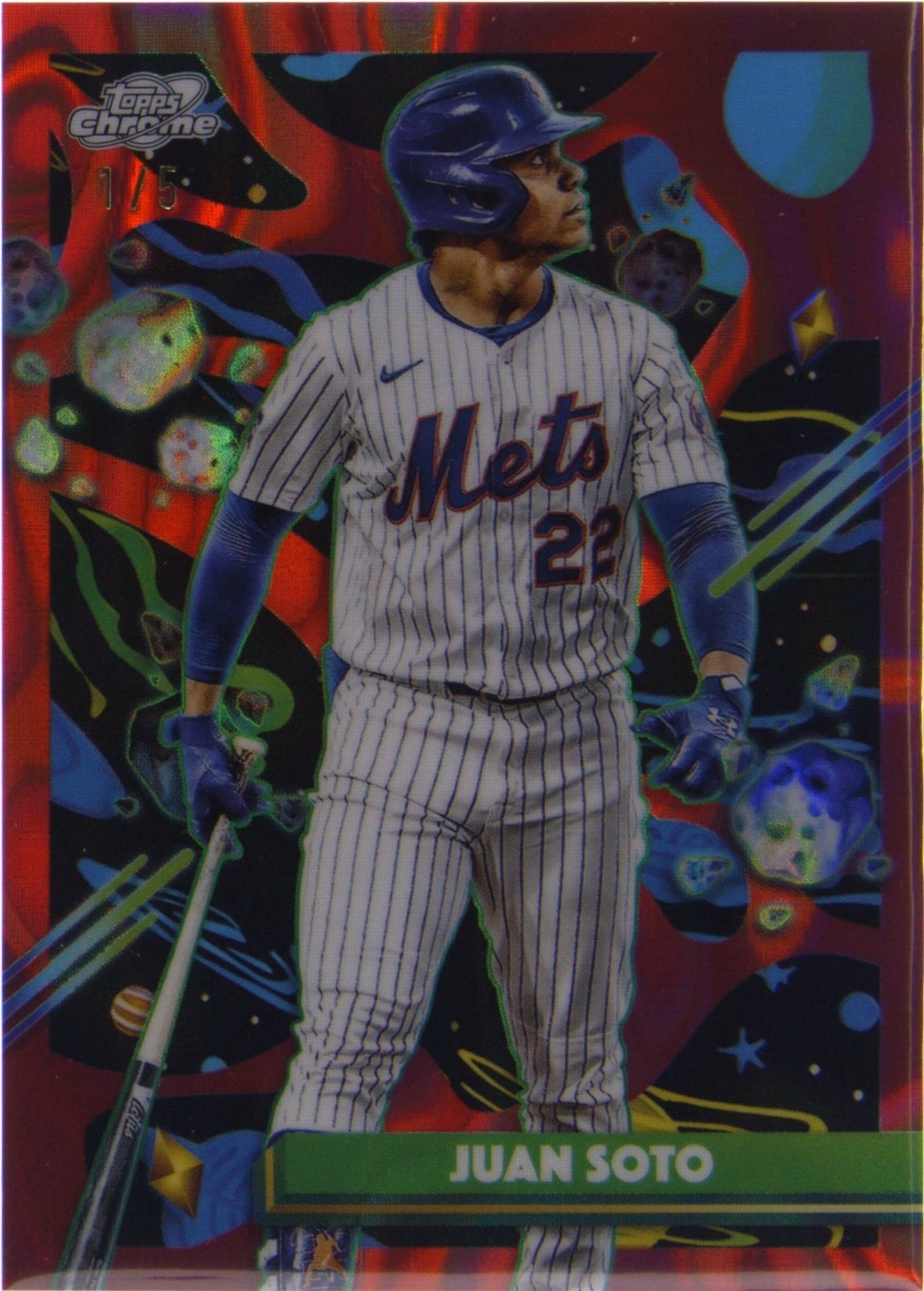
Mastering the 2025 Topps Cosmic Chrome checklist requires a strategic approach to understanding card rarity, player distribution, and the unique parallel structure that defines this space-themed baseball card release. Collectors must effectively cross-reference base card numbering, parallel variations, and insert sets—such as the Stellanauts or Star Clusters—to accurately catalog their collection, estimate set completion progress, and determine the market value of individual hits in an evolving 2026 secondary market.
1. Understanding the Cosmic Chrome Structural Framework
The 2025 Topps Cosmic Chrome set is distinguished by its heavy use of chromium technology and a distinct "space-age" aesthetic. Before diving into the checklist, you must understand that the product is tiered. The primary checklist is divided into a standard base set and an extensive range of parallel "refractors."
Unlike traditional flagship releases, Cosmic Chrome focuses heavily on high-end appeal. When navigating the checklist, prioritize identifying the base set range, which typically encompasses 200 cards. Recognizing that these cards are printed on thick, glossy, chrome-finish stock is vital, as condition sensitivity plays a major role in their 2026 valuation. If a card is not listed in the standard base numbering, it is likely a short-printed (SP) or super short-printed (SSP) variation, which often carries different numbering or visual markers.
2. Implementing a Digital Tracking System
Attempting to manage a set as complex as Cosmic Chrome using paper lists is inefficient. For a 2026 collector, the most effective approach is utilizing a dedicated digital database or spreadsheet software. To build a functional checklist tracker, create columns for the following data points:
- Card Number: The identifier provided by Topps.
- Player Name: The subject of the card.
- Parallel Type: (e.g., Nucleus, Planetary Pursuit, Supernova).
- Grading Status: Whether the card has been submitted to a third-party grader.
- Acquisition Date and Cost: Essential for financial record-keeping.
By digitizing your checklist, you can filter by player or parallel type, allowing you to see which specific "holes" exist in your collection. If you are collecting a team set, this step is mandatory to avoid purchasing duplicates.
3. Mastering the Parallel Hierarchy
One of the most intimidating aspects of the 2025 Topps Cosmic Chrome checklist is the sheer volume of parallels. Navigating these requires understanding the "rarity ladder." Parallels are cards that feature the same image as the base card but include a different foil color or pattern.
In 2026, market data indicates that not all parallels hold the same weight. You must learn to distinguish between standard refractors and the more elusive "Atomic," "Gold," or "Superfractor" varieties. When checking your list, verify the background pattern and the serial numbering on the reverse of the card. Serial numbering (e.g., 5/50) is your ultimate confirmation of a card’s scarcity. Do not rely solely on the visual appearance of the foil, as some patterns can look similar under varying lighting conditions; always check the physical stamp.
4. Identifying Insert Set Exclusivity
Beyond the base set, the 2025 Topps Cosmic Chrome checklist includes specialized insert sets that are often the highlight for collectors. These sets, such as the "Stellanauts" or "Star Clusters," often feature different numbering sequences from the main set.
When you encounter an insert card, cross-reference it against the "Insert" section of the checklist rather than the primary base numerical order. These cards are often printed at lower insertion rates per hobby box. Understanding the "odds" printed on the hobby box—or available through official Topps product breakdown resources—can help you manage expectations regarding the likelihood of pulling these cards versus needing to purchase them as singles on the secondary market.
5. Navigating Errors and Variations
No comprehensive checklist is complete without accounting for variations. "Short Prints" (SPs) and "Super Short Prints" (SSPs) are intentional variations where the photography differs from the base card. Occasionally, printing errors—such as incorrect player names or misaligned foils—can occur.
In 2026, verified error cards have become a niche sub-market. When reviewing the checklist, keep an eye out for documented variations noted by the manufacturer or the collecting community. If you find a card that does not match the image on your official checklist, verify it against known variations. A card that appears to be a "mistake" may actually be a valuable, recognized SSP, while others may simply be printing defects that reduce the card's value.
6. Utilizing Secondary Market Verification
Once you have your checklist in hand, the next step is verifying current 2026 market values and authenticity. Use reputable online sales platforms and price guides to cross-reference the values of the cards you are hunting.
When buying singles to complete your checklist, ensure the listing matches the exact parallel type noted in the checklist. Sellers often mislabel high-end parallels. For expensive hits, look for high-resolution images of the card's serial number. If the number is obscured or missing, proceed with caution. Relying on legitimate hobby forums or community-maintained databases can also help you confirm if a specific card has been subject to excessive counterfeiting.
7. Strategic Planning for Completion
The final step is establishing a roadmap for completion. Are you attempting to finish the entire master set, or are you focused on a specific player or team? Attempting to complete an entire 2025 Topps Cosmic Chrome set is a significant financial commitment.
Divide your strategy into phases:
- Base Collection: Acquire all standard base cards first, as these are the most affordable and available.
- Mid-Tier Parallels: Target the more common refractors.
- High-End Hunting: Save your budget for the numbered parallels and autographs, which are the most difficult to source.
Comparative Overview of 2025 Cosmic Chrome Card Types
| Card Category | Rarity Level | Primary Identifier | Market Volatility |
|---|---|---|---|
| Base Refractor | Common | Chrome Finish | Low |
| Atomic Refractor | Uncommon | Unique "Atomic" Pattern | Moderate |
| Numbered Parallel | Rare/Very Rare | Serial Number (e.g., /99) | High |
| Insert Sets | Uncommon | Unique Set Name/Logo | Moderate |
| Autograph/Relic | Very Rare | Signature/Material Piece | Very High |
Frequently Asked Questions
What is the best way to verify if a card is part of the 2025 Topps Cosmic Chrome checklist? Check the back of the card for the Topps holographic seal and the specific 2025 copyright. Cross-reference the serial number prefix or card ID with the official Topps checklist provided on their website or via verified hobby database sites.
Are there differences in the checklist for Hobby versus Retail versions? Yes. Certain parallels and insert ratios are exclusive to Hobby boxes. Always ensure your checklist source specifies which distribution channel the card belongs to, as this affects both rarity and market value.
How do I handle damaged cards identified during the checklist process? If you pull a damaged card from a pack, note the damage immediately. While you can contact Topps for potential replacement, note that they often replace damaged items with cards of equal value rather than the exact same card, which may impact your set completion goals.
Do 2025 Cosmic Chrome autographs have a separate numbering sequence? Typically, yes. Autographs are almost always cataloged in a separate section of the checklist. They often carry a "COA" (Certificate of Authenticity) notation or a specific autograph-base numbering sequence that differentiates them from standard parallels.
Why is my checklist showing cards that don't seem to exist in packs? This often happens with "Exclusives" or "Redemption" cards. Some items are only available through specific event-based promotions or as replacements. If a card is on the checklist but rarely seen, it is likely a "chase" card with extremely low production numbers.
Final Action Plan
Start your journey by downloading the official 2025 Topps Cosmic Chrome PDF checklist from the Topps website. Once you have the source file, import it into a spreadsheet to create your personal inventory. Focus your initial search on the base set and the most common refractors to build momentum. As you move into 2026, continue to monitor auction results for the specific numbered parallels you require to finalize your set. Persistence and precise documentation remain the collector’s most effective tools in completing this space-themed collection.