AARP Medicare Advantage plans, insured by UnitedHealthcare, offer $0 monthly plan premiums for a significant portion of their offerings in 2026, though beneficiaries must still continue paying their standard Medicare Part B premium. These zero-dollar premium options vary widely by geographic location, plan type—such as Health Maintenance Organization (HMO) or Preferred Provider Organization (PPO)—and specific coverage tiers. Navigating these options requires a careful evaluation of total out-of-pocket costs, network restrictions, and supplemental benefits to determine which plan aligns with individual healthcare needs and financial circumstances.
The Landscape of Medicare Advantage in 2026
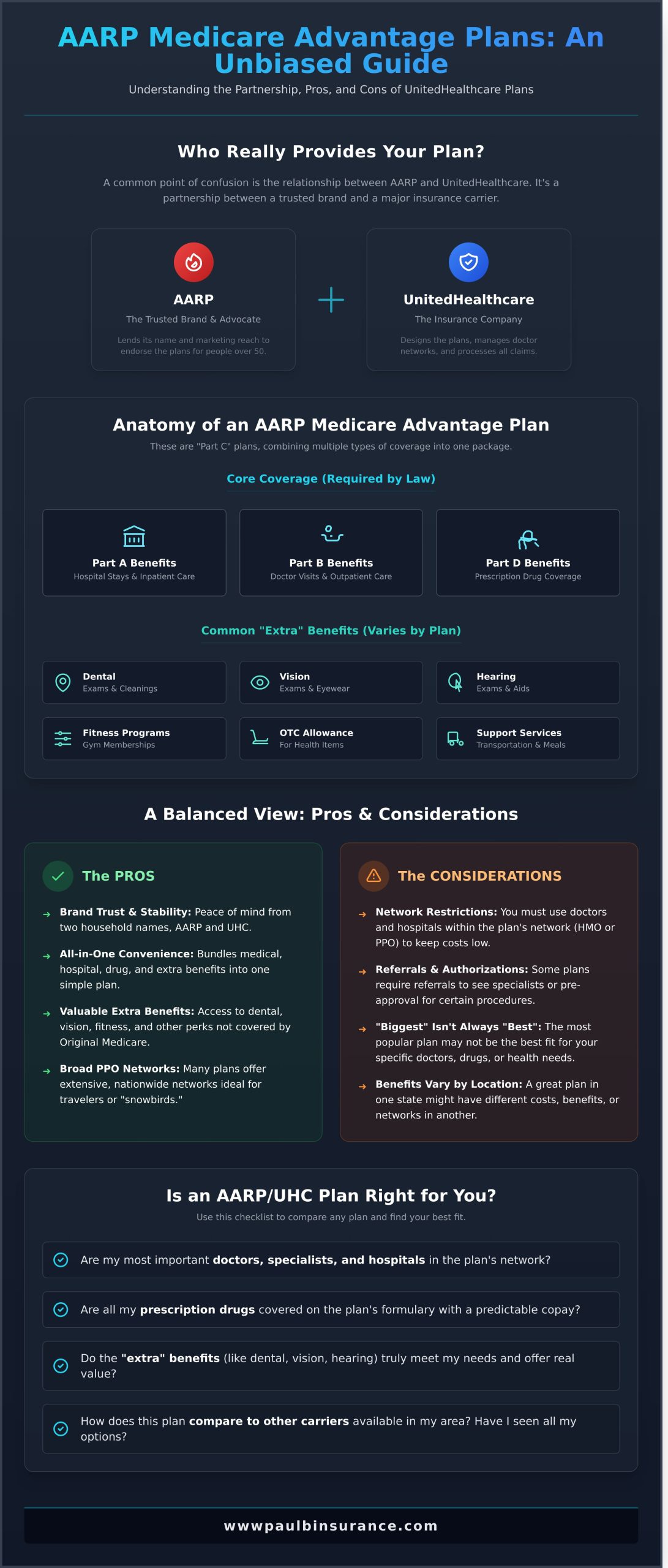
Medicare Advantage, also known as Medicare Part C, continues to be a popular alternative to Original Medicare (Parts A and B). Private insurance companies approved by the Centers for Medicare & Medicaid Services (CMS) administer these plans, bundling hospital insurance, medical insurance, and often prescription drug coverage into a single package. For the 2026 plan year, a substantial percentage of AARP-branded Medicare Advantage plans feature a $0 monthly premium.
Understanding how a plan can offer a $0 premium requires looking at the mechanics of Medicare funding. CMS pays a fixed amount to private insurers for the care of each plan member. Insurers manage these funds, along with any savings achieved through efficient provider networks and preventative care management, to cover basic and supplemental benefits. While a plan may advertise a $0 monthly premium, it does not mean the coverage is entirely free. Beneficiaries must remain enrolled in Original Medicare, meaning they are still responsible for paying the standard Medicare Part B monthly premium unless they qualify for state assistance programs like a Medicare Savings Program.
Furthermore, a $0 premium plan typically replaces the need for a separate Medicare Part D prescription drug plan, as most of these Advantage options include integrated drug coverage. However, policyholders must still budget for other cost-sharing elements, such as copayments, coinsurance, and deductibles when they utilize medical services. Evaluating the true value of a 2026 AARP Medicare Advantage plan involves looking past the headline-grabbing $0 premium and examining the comprehensive fee structure.
How $0 Premium AARP Medicare Advantage Plans Function
To comprehend the financial structure of these plans, it is helpful to break down where the costs originate and how insurers cover them. AARP Medicare Advantage plans are built on contracted networks of doctors, specialists, hospitals, and pharmacies. By streamlining care within these networks, UnitedHealthcare negotiates lower rates for medical services, which helps subsidize the cost of offering a $0 monthly premium plan.
When evaluating these plans, beneficiaries should distinguish between the monthly premium and other out-of-pocket costs. The following components define the financial framework of a zero-dollar premium plan:
- Monthly Plan Premium: The amount paid directly to the insurance company for the Medicare Advantage plan. For qualifying plans in 2026, this amount is $0, but the member must maintain Part B enrollment.
- Medicare Part B Premium: The standard government-mandated premium paid to Medicare, which applies regardless of which Medicare Advantage plan is chosen, unless adjusted based on income levels through Income-Related Monthly Adjustment Amounts (IRMAA).
- Annual Deductible: The amount a member must pay out-of-pocket for medical services or prescription drugs before the plan begins to pay its share. Some plans feature a $0 deductible for medical care, separate deductibles for prescription drugs, or combined thresholds.
- Copayments and Coinsurance: Fixed dollar amounts or percentages paid for specific services, such as a doctor's visit, specialist consultation, or prescription fill.
- Maximum Out-of-Pocket (MOOP) Limit: A federally mandated safety net that caps the maximum amount a beneficiary will spend on covered medical services in a calendar year. Once this limit is reached, the plan covers 100% of approved costs for the remainder of the year.
| Cost Component | Original Medicare (Parts A & B) | $0 Premium AARP Medicare Advantage Plan |
|---|---|---|
| Monthly Plan Premium | Not applicable | $0 (in participating service areas) |
| Part B Premium | Required for all enrollees | Required for all enrollees |
| Prescription Drug Coverage | Requires separate Part D plan | Typically integrated (Part D included) |
| Out-of-Pocket Cap | None | Mandatory annual limit on medical costs |
| Extra Benefits | Generally not included | Often includes dental, vision, hearing, and fitness |
Plan Types: HMOs, PPOs, and Special Needs Plans
AARP offers several distinct categories of Medicare Advantage plans for 2026. The availability of a $0 premium often depends on the specific plan type and the county in which the beneficiary resides. Choosing the correct structure is vital for maintaining access to preferred medical providers.
Health Maintenance Organization (HMO) Plans
HMO plans generally require members to receive care from a defined network of doctors, hospitals, and other healthcare providers. Seeing an out-of-network provider usually means the patient pays out of pocket for the entire visit, except in emergency situations. Many AARP HMO plans feature $0 premiums and lower copayments, making them a cost-effective choice for individuals who are comfortable using a coordinated network managed by a primary care physician (PCP). Referral requirements from a PCP to see a specialist are common in these plans.
Preferred Provider Organization (PPO) Plans
PPO plans offer greater flexibility by allowing members to see any doctor or specialist who accepts Medicare and the plan’s terms. While staying in-network incurs the lowest copayments and coinsurance, members can visit out-of-network providers at a higher cost-sharing rate. AARP PPO plans with $0 premiums appeal to beneficiaries who want the freedom to see specialists without obtaining prior referrals, though out-of-network care requires careful financial tracking to avoid unexpected bills.
Special Needs Plans (SNPs)
For individuals with specific chronic conditions or those who qualify for both Medicare and Medicaid (dual-eligible), AARP offers Special Needs Plans. These specialized plans are frequently structured with $0 premiums and tailored benefits designed to manage specific health profiles, such as diabetes, cardiovascular disorders, or chronic heart failure. SNPs require meeting precise eligibility criteria to enroll and maintain coverage.
Evaluating Supplemental Benefits and Value
The appeal of a $0 premium AARP Medicare Advantage plan often extends beyond basic medical and hospital coverage to include a wide array of supplemental benefits. Original Medicare does not cover routine dental, vision, hearing aids, or gym memberships, but many 2026 AARP plans integrate these extras into their zero-dollar offerings.
When reviewing supplemental benefits, beneficiaries should look past the marketing descriptions and examine the actual coverage limits, network restrictions, and cost-sharing rules:
- Routine Dental Care: Coverage often includes preventive services like cleanings, X-rays, and exams with $0 copays, while more extensive work like fillings, crowns, or dentures may require coinsurance up to a specific annual maximum allowance.
- Vision Benefits: Annual eye exams and an allowance for prescription glasses or contact lenses are standard features, though choosing frames outside the approved vendor network can incur additional charges.
- Hearing Care: Routine hearing exams and fitting evaluations for hearing aids are commonly included, often paired with copayments for specific device tiers through designated providers.
- Fitness Programs: Many plans include memberships to fitness networks, providing access to participating gyms and digital workout classes at no extra cost.
- Over-the-Counter (OTC) Allowance: Some plans provide a quarterly or monthly credit to purchase eligible health and wellness products, such as pain relievers, first-aid supplies, and vitamins, through mail order or participating retail stores.
Eligibility, Enrollment Windows, and Verification
Enrolling in an AARP Medicare Advantage plan with a $0 premium requires meeting basic Medicare eligibility rules and adhering to strict enrollment timelines established by the federal government.
To be eligible for enrollment in 2026, an individual must:
- Be entitled to Medicare Part A and enrolled in Medicare Part B.
- Reside within the permanent service area of the specific AARP Medicare Advantage plan.
- Not have End-Stage Renal Disease (ESRD) at the time of enrollment, with specific statutory exceptions.
Beneficiaries can enroll or switch plans during designated enrollment periods:
- Initial Enrollment Period (IEP): The seven-month window surrounding an individual's 65th birthday month.
- Annual Election Period (AEP): Running from October 15 through December 7 each year, allowing all beneficiaries to change their Medicare coverage, with changes taking effect on January 1 of the following year.
- Medicare Advantage Open Enrollment Period (MAOEP): Running from January 1 through March 31, allowing individuals already enrolled in a Medicare Advantage plan to switch to another Advantage plan or return to Original Medicare.
- Special Enrollment Periods (SEPs): Triggered by specific life events, such as moving to a new address, losing employer-sponsored coverage, or qualifying for low-income assistance programs.
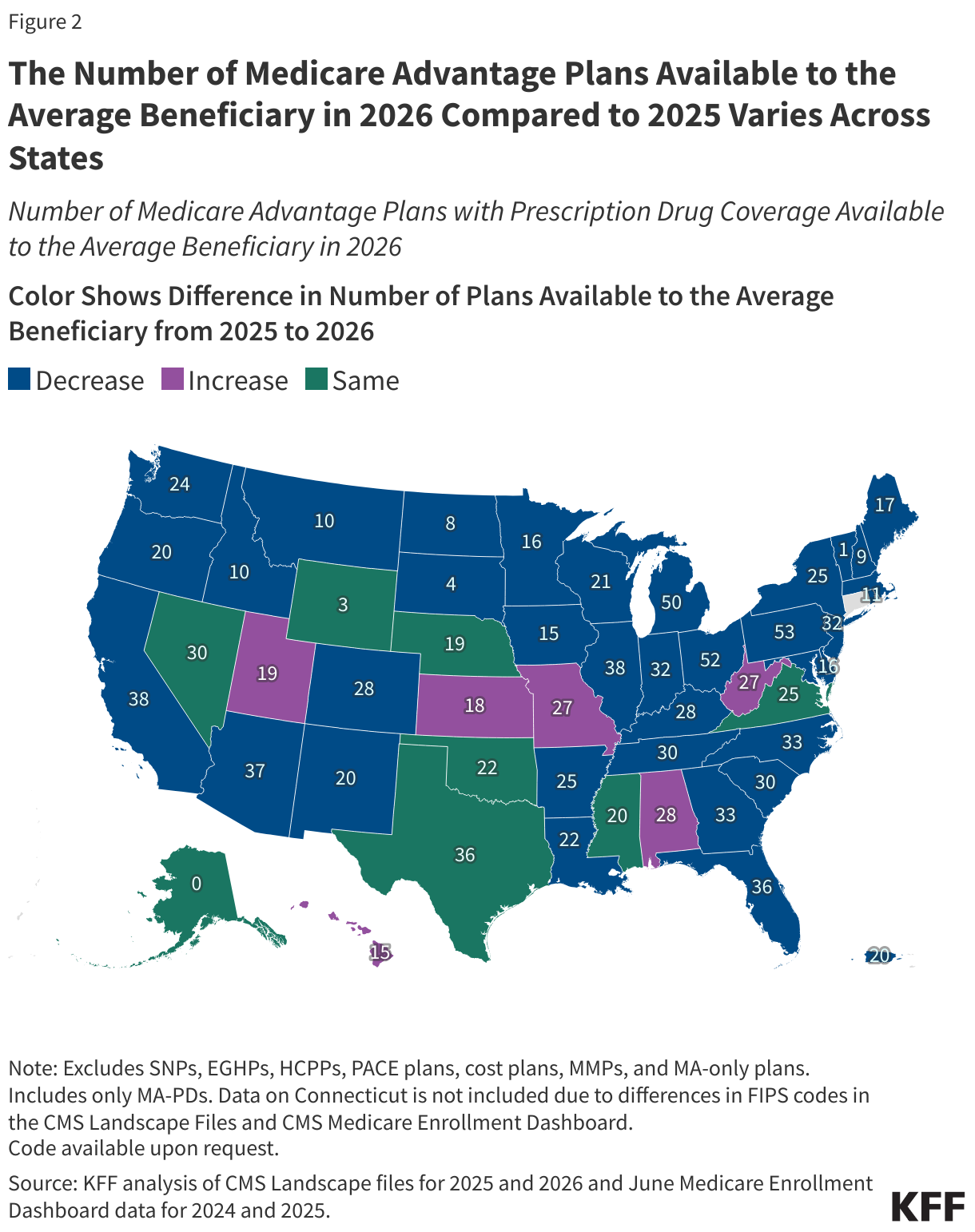
Verifying plan availability requires checking official resources. Because Medicare Advantage offerings vary drastically by zip code, beneficiaries should consult the official Medicare Plan Finder tool on Medicare.gov or review the UnitedHealthcare/AARP annual Notice of Change (NOC) document to confirm that a specific plan maintains a $0 premium in their exact county for 2026.
Frequently Asked Questions
Do $0 premium AARP Medicare Advantage plans mean healthcare is entirely free?
No. While the monthly plan premium is $0, members must still pay their standard Medicare Part B premium. Additionally, members are responsible for cost-sharing expenses such as copayments, coinsurance, and deductibles when they receive medical care or fill prescriptions, up to the plan’s annual out-of-pocket maximum.
Do I still need to keep paying my Medicare Part B premium if my plan premium is $0?
Yes. Enrollment in a Medicare Advantage plan requires maintaining enrollment in both Medicare Part A and Part B. The Part B premium is paid to Medicare, not the insurance provider, unless a state assistance program covers the cost on the beneficiary's behalf.
Can my doctor be dropped from an AARP Medicare Advantage plan network during the year?
Insurers can occasionally modify their provider networks during the plan year, though they are required to notify affected members when significant provider departures occur. Checking the provider directory annually and confirming network status directly with medical offices before scheduling appointments helps avoid unexpected out-of-network costs.
What happens if I move to a different state or county?
Medicare Advantage plans are bound by strict geographic service areas. Moving outside the plan's service area typically triggers a Special Enrollment Period, allowing you to select a new plan in your new location. Failing to notify the plan of a move can result in disenrollment.
Are prescription drugs always included in $0 premium plans?
Most AARP Medicare Advantage plans that feature $0 premiums also include integrated prescription drug coverage (Part D). However, beneficiaries must verify the plan's formulary—the list of covered drugs—to ensure their specific medications are covered and placed in an affordable cost tier.
Conclusion and Next Actions
Evaluating 2026 AARP Medicare Advantage plans with $0 premiums requires a balanced look at total healthcare expenses rather than focusing solely on the monthly price tag. To make an informed decision, review your current medical needs, verify local plan availability through official government or insurer portals, examine the prescription drug formulary, and confirm that your preferred doctors participate in the plan's network. For personalized financial and medical guidance, consult with a licensed insurance broker, a local State Health Insurance Assistance Program (SHIP) counselor, or Medicare directly before finalizing your enrollment.