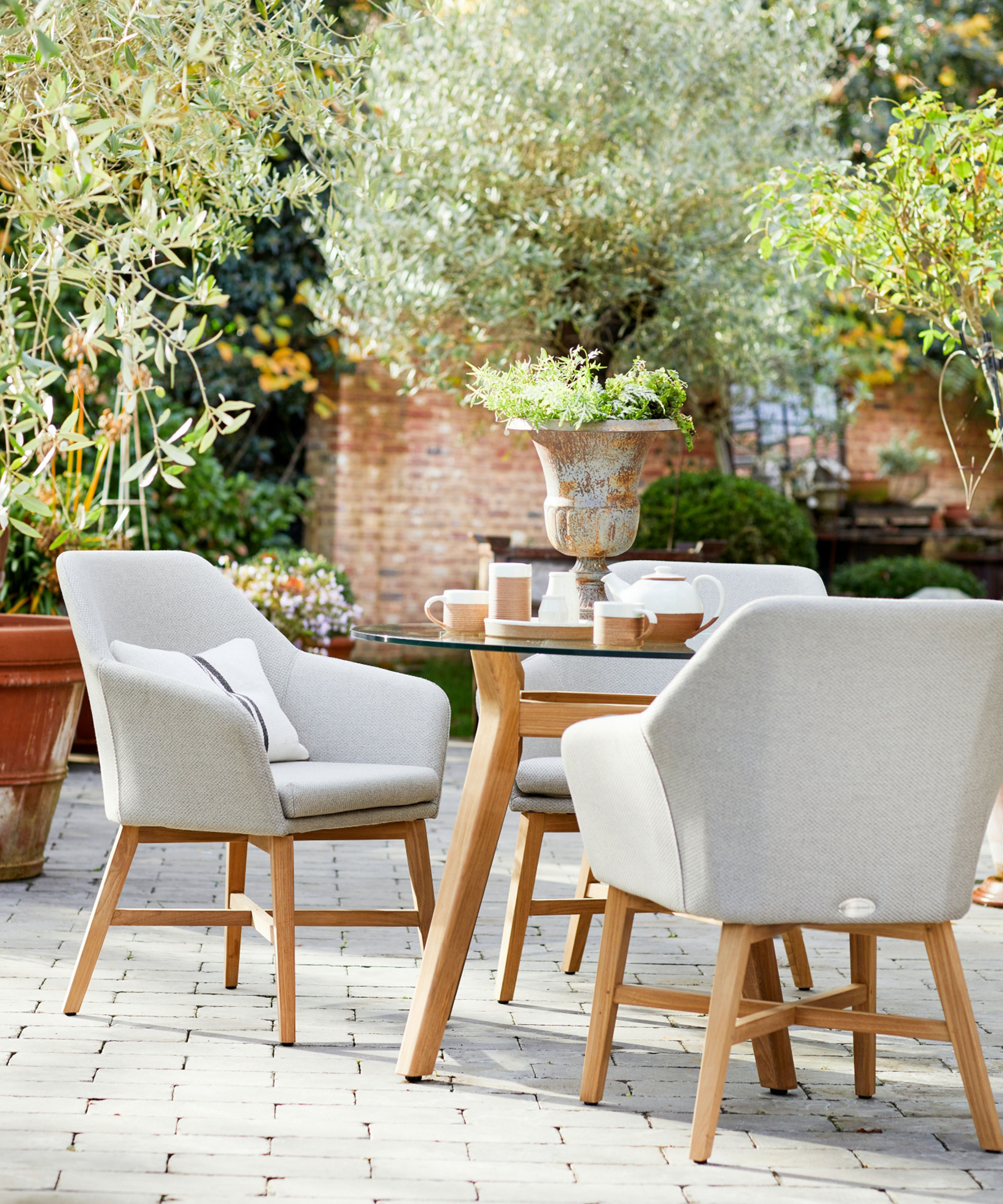
The best weatherproof garden furniture for 2026 prioritizes material science and structural integrity, specifically focusing on Grade A teak, powder-coated aluminum, high-density polyethylene (HDPE), marine-grade stainless steel, and high-quality synthetic PE rattan. These materials offer the highest resistance to UV degradation, moisture-induced rot, and oxidation in diverse climates.
Understanding the Standard for "Weatherproof" in 2026
In the current landscape of 2026, the term "weatherproof" has evolved beyond simple water resistance. True weatherproofing now encompasses a three-pronged defense system: UV stabilization, moisture impermeability, and thermal stability. As global temperature fluctuations become more pronounced, garden furniture must withstand not only heavy rainfall but also intense solar radiation and rapid freeze-thaw cycles that can cause inferior materials to crack or fade.
When selecting top-tier garden furniture, homeowners must distinguish between "weather-resistant" (furniture that should be covered or moved during storms) and "weatherproof" (furniture designed to remain outdoors year-round). The difference usually lies in the molecular density of the materials and the quality of the protective finishes applied during manufacturing. To solve the problem of recurring furniture replacement, we have identified five material-specific picks that represent the pinnacle of durability and design.
1. Grade A Teak: The Natural Gold Standard
Teak (Tectona grandis) remains the unrivaled choice for natural wood furniture, specifically Grade A teak. This grade is harvested from the center of the log (the heartwood) of mature trees. In 2026, responsible sourcing is more critical than ever, and top picks in this category must carry certification from the Forest Stewardship Council (FSC), ensuring the wood is grown in sustainably managed forests.
Why Teak Excels in Weatherproofing
Grade A teak is naturally saturated with high levels of silica and rubbery oils. These organic compounds act as a built-in water repellent, preventing the wood from absorbing moisture that leads to rot, warping, or fungal growth. Unlike softer woods like pine or cedar, teak’s high density makes it resistant to pests such as termites and wood-boring beetles.
Aesthetic Evolution and Maintenance
Over time, teak exposed to the elements undergoes a chemical reaction with UV light, developing a distinguished silvery-gray patina. This is purely aesthetic and does not compromise the structural integrity of the wood. For those who prefer the original golden-brown hue, modern 2026 sealants use nano-particle technology to block UV rays without preventing the wood from "breathing." Maintenance is remarkably low, requiring only an occasional wash with soapy water to remove surface pollutants.
2. Powder-Coated Aluminum: Lightweight and Rust-Proof
For those seeking a contemporary aesthetic with zero risk of rust, powder-coated aluminum is the definitive choice. Unlike iron or standard steel, aluminum creates its own protective oxide layer when exposed to air, which prevents deep-seated corrosion. In 2026, the industry standard for high-end aluminum furniture involves a multi-stage "electrostatic" powder coating process.
The Science of Powder Coating
The powder coating is not merely paint; it is a dry powder—typically a thermoplastic or a thermoset polymer—applied as a free-flowing, dry powder. This process results in a finish that is much tougher than conventional paint. According to standards promoted by the Powder Coating Institute, this finish provides a shield against chips, scratches, and chemical exposure from pool chlorine or salt air.
Structural Stability and Versatility
Aluminum’s primary advantage is its strength-to-weight ratio. It is heavy enough to remain stable in moderate winds but light enough to be rearranged easily. For 2026, the top picks in aluminum furniture often feature seamless welds, which eliminate the gaps where moisture typically collects and causes structural failure in lower-quality pieces.
3. High-Density Polyethylene (HDPE) Lumber
High-Density Polyethylene, or HDPE, has revolutionized the "all-weather" category. Often referred to as "poly-lumber," this material is primarily crafted from recycled plastics, such as milk jugs and detergent bottles. It is a dense, heavy material that mimics the look of painted wood but requires none of the upkeep.
Why HDPE is "Indestructible"
HDPE is chemically inert, meaning it does not react with most environmental contaminants. It is dyed all the way through with UV-stabilized pigments, so the color cannot "chip" off, and fading is significantly minimized even in high-altitude or desert environments. The material does not absorb water, making it immune to rot, mold, and mildew.
Sustainability and Weight
One of the most compelling reasons HDPE is a top pick in 2026 is its weight. Unlike lightweight PVC, HDPE lumber is incredibly heavy and can withstand gale-force winds without moving. This makes it the ideal choice for coastal balconies or open patios. Furthermore, brands specializing in HDPE often utilize ASTM International testing standards to verify that their furniture can withstand decades of environmental stress.
4. All-Weather Synthetic PE Rattan
While natural wicker or rattan will fail quickly if left in the rain, high-quality synthetic versions made from Polyethylene (PE) are designed for 24/7 outdoor exposure. It is essential to avoid "PVC rattan," which is cheaper but becomes brittle and cracks under UV exposure within a few seasons.
The Resilience of Polyethylene Resin
PE Rattan is a resin-based material that is hand-woven over a powder-coated aluminum frame. The best picks for 2026 use "full-round" or "half-round" strands rather than "flat" strands. Full-round strands are thicker and offer much higher durability against physical wear and tear. These resins are infused with UV inhibitors during the extrusion process, ensuring that the weave remains supple and colorful for years.
Hydrophobic Cushion Technology
A top pick in the synthetic rattan category is only as good as its cushions. In 2026, the industry has shifted toward open-cell foam cores and solution-dyed acrylic fabrics (such as Sunbrella or Outdura). These fabrics are hydrophobic, meaning water beads off the surface, and any moisture that does penetrate the weave quickly drains through the open-cell foam, preventing the "sponge effect" and subsequent mold growth.
5. Marine-Grade Stainless Steel (316 Grade)
For the ultimate in industrial durability, particularly in beachfront properties where salt spray is a constant factor, 316-grade stainless steel is the premier choice. While 304-grade steel is common, it can still develop "tea staining" (surface rust) in coastal environments. 316-grade contains molybdenum, an alloy that significantly increases corrosion resistance.
Performance in Extreme Environments
Marine-grade steel is favored for its sleek, modern look and its ability to withstand extreme temperatures without expanding or contracting significantly. It provides a level of structural rigidity that is unmatched by plastics or even aluminum. Technical details regarding the performance of these alloys can be found via Stainless Steel World.
Maintenance Requirements
While highly resistant to rust, stainless steel in 2026 still requires minimal maintenance to look its best. Periodic rinsing with fresh water is necessary to remove salt deposits that can accumulate on the surface. However, unlike wood, it never requires staining, and unlike aluminum, its finish is typically the metal itself, meaning there is no coating to ever peel or flake.
Comparison of Weatherproof Materials
The following table compares the essential characteristics of our top five picks to help you determine which material best suits your specific environment and budget.
| Material | Expected Lifespan | UV Resistance | Moisture Resistance | Maintenance Level | Best For |
|---|---|---|---|---|---|
| Grade A Teak | 25 - 50 Years | High | Exceptional | Moderate (cleaning) | Classic Luxury |
| Powder-Coated Aluminum | 15 - 20 Years | High | High (Rust-proof) | Very Low | Modern Patios |
| HDPE Lumber | 20 - 30 Years | Exceptional | Absolute | Very Low | High-Wind Areas |
| PE Synthetic Rattan | 10 - 15 Years | Moderate/High | High | Low | Poolside/Lounge |
| 316 Stainless Steel | 25+ Years | Exceptional | Exceptional | Low/Moderate | Coastal Zones |
Key Considerations for Weatherproof Cushioning
Even if the frame of your garden furniture is perfectly weatherproof, the cushions are often the weak link. In 2026, consumers should look for specific technical features to ensure their seating survives the elements as long as their frames.
- Solution-Dyed Acrylics: Unlike piece-dyed fabrics where the color is only on the surface, solution-dyed fabrics have the pigment integrated into the fibers while they are still in a liquid state. This makes them virtually fade-proof.
- Reticulated Polyurethane Foam: This is a "reticulated" or open-cell foam. It has large pores that allow water and air to flow through freely. If the cushion gets soaked, the water literally runs out the bottom, and the cushion dries in a fraction of the time compared to standard foam.
- Gore-Tex Liners: Some high-end furniture brands now incorporate internal waterproof liners that protect the foam core while allowing the fabric to remain soft and breathable.
Common Mistakes When Buying Weatherproof Furniture
Avoiding common pitfalls can save thousands of dollars over the lifetime of your outdoor living space. In 2026, "budget" weatherproof options often use deceptive labeling.
- Confusing "Water-Resistant" with "Waterproof": Many retailers use these terms interchangeably. Always check the material specs. If it is "powder-coated steel" rather than "powder-coated aluminum," it will eventually rust if the coating is scratched.
- Neglecting Hardware Quality: A teak table is only as good as its screws. Ensure the furniture uses stainless steel or brass hardware. Zinc-plated hardware will corrode and cause "bleeding" stains on wood and fabric.
- Ignoring Weight Requirements: If you live in a high-wind area, lightweight aluminum or hollow plastic furniture can become hazardous projectiles. In these cases, HDPE or heavy teak is a safer, more "weather-appropriate" choice.
- Overlooking UV Ratings: For synthetic rattan and plastics, check for a "UV rating" (often expressed in hours of simulated sunlight). High-end furniture is usually tested for 3,000 to 5,000 hours of direct UV exposure.
Frequently Asked Questions
Can I leave my weatherproof furniture out in the snow?
Yes, the materials listed—specifically Grade A teak, HDPE, and powder-coated aluminum—are designed to withstand freezing temperatures. However, for 2026, it is still recommended to use breathable furniture covers during winter. This doesn't protect against rot (which the materials already do) but rather prevents the accumulation of dirt, bird droppings, and ice in the crevices, which can be difficult to clean in the spring.
Does "rust-proof" apply to all metal garden furniture?
No. Only non-ferrous metals like aluminum or highly alloyed metals like 316 stainless steel are truly rust-proof. Standard "wrought iron" or "carbon steel" furniture is only "rust-resistant" as long as its paint or powder coating remains perfectly intact. Once a scratch occurs, oxygen and moisture will reach the iron, and oxidation (rust) will begin to spread beneath the finish.
How do I clean mold off weatherproof cushions?
While the synthetic fibers (like acrylic) in high-quality outdoor cushions do not support mold growth, dirt and organic debris trapped in the weave can grow mold. To clean them, use a solution of one cup of bleach and one-fourth cup of mild soap per gallon of water. Spray on the fabric, allow it to soak for 15 minutes, and rinse thoroughly. Because the fabric is solution-dyed, the bleach will not remove the color.
Why is Grade A teak so much more expensive than other wood?
The price reflects both the scarcity of the material and its performance. Grade A teak is harvested only from the heartwood of trees that are at least 20 to 30 years old. This wood has the highest concentration of protective oils. Lower grades (B and C) come from the outer "sapwood," which lacks these oils and will rot almost as quickly as pine if left untreated.
Is synthetic rattan eco-friendly?
In 2026, many manufacturers have transitioned to using recycled polyethylene for their synthetic rattan. Additionally, because PE rattan is 100% recyclable at the end of its lifespan (unlike PVC), it is considered a more sustainable choice for the environment.
Final Recommendation for 2026
If you are looking for the absolute best balance of longevity, aesthetic appeal, and zero maintenance, High-Density Polyethylene (HDPE) lumber is the top pick for 2026. It addresses the most common failures of outdoor furniture: it cannot rot, it cannot rust, it never needs painting, and it is heavy enough to withstand severe weather. For those who prefer a traditional, high-luxury look, Grade A Teak remains the gold standard, provided you are comfortable with the natural silvering of the wood or a once-yearly cleaning. Always verify the quality of the cushions and the grade of the hardware before finalizing your purchase to ensure your garden sanctuary remains pristine for decades to come.