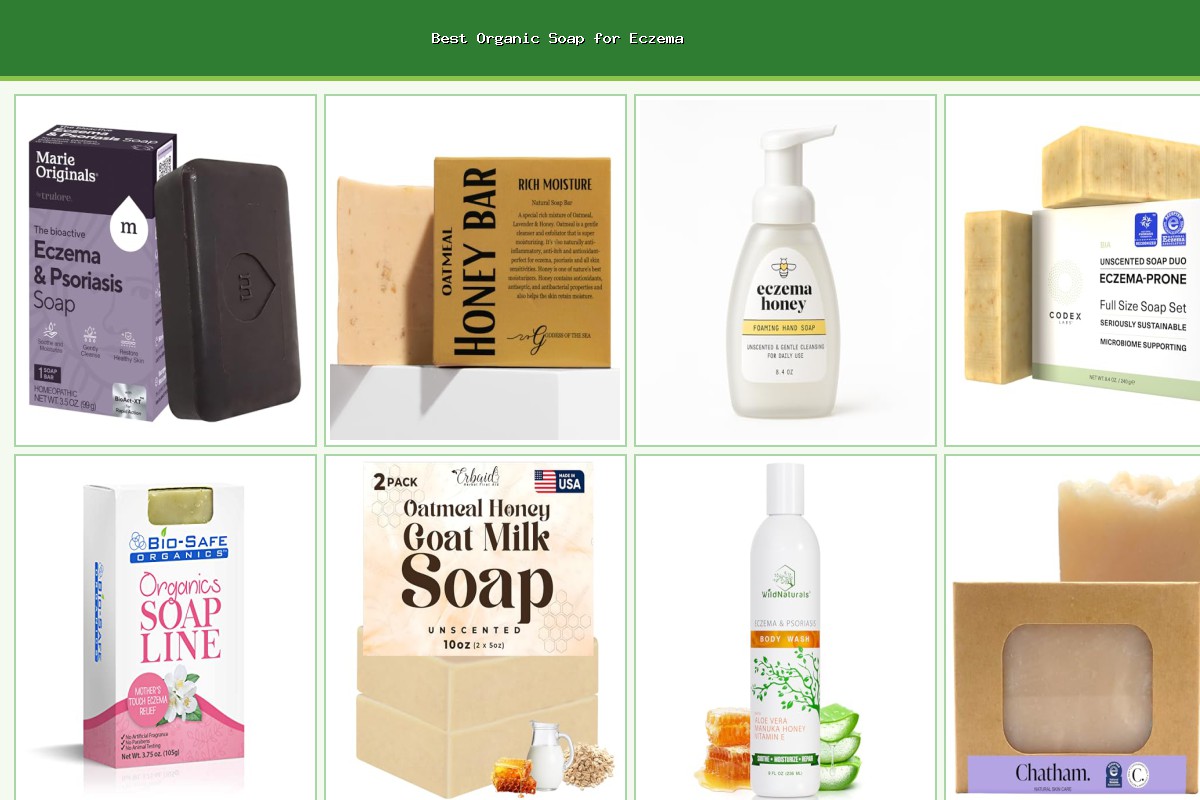
For many dealing with atopic dermatitis, the "best" commercial soaps often fall short because they prioritize shelf-life and lather over skin barrier integrity. In 2026, the shift toward microbiome-friendly, cold-processed natural soaps has proven that traditional formulations—like goat's milk, pine tar, and colloidal oatmeal—provide superior hydration and anti-inflammatory benefits compared to synthetic "eczema" bars.
Understanding the Skin Barrier and Eczema
Eczema, or atopic dermatitis, is fundamentally a condition of a compromised skin barrier. When the outermost layer of the skin, the stratum corneum, lacks the necessary lipids and proteins to lock in moisture, it becomes susceptible to allergens, irritants, and bacteria. This leads to the characteristic redness, itching, and inflammation.
Most commercial soaps, even those labeled for sensitive skin, utilize synthetic detergents (syndets) or harsh surfactants like Sodium Lauryl Sulfate (SLS). These ingredients are designed to strip away oils, but for an eczema sufferer, they strip away the very lipids required for healing. Natural soaps, when formulated correctly through cold-processing, retain high levels of natural glycerin and "superfatted" oils that actively replenish the skin's moisture during the cleansing process.
In 2026, dermatological research continues to emphasize the importance of the skin's acid mantle—a slightly acidic film on the skin's surface. While many natural soaps are slightly alkaline by nature, high-quality artisanal soaps for eczema are specifically cured and formulated with botanicals that help the skin return to its natural pH quickly, preventing the "tight" feeling often associated with lower-quality bars.
1. Traditional Raw Goat's Milk Soap
Goat’s milk soap has consistently outperformed synthetic eczema treatments because of its unique chemical composition. Unlike cow's milk, goat's milk contains high amounts of caprylic acid, which lowers the pH of the soap to a level closer to human skin. This reduces the alkalinity that can sometimes irritate sensitive patches.
The Power of Lactic Acid
Goat's milk is naturally rich in lactic acid, an alpha-hydroxy acid (AHA) that acts as a gentle exfoliant. For eczema patients, "exfoliation" usually sounds terrifying. However, the lactic acid in goat's milk is incredibly mild. It helps remove dead skin cells that can trap bacteria and worsen flares without the need for mechanical scrubbing.
Lipid Replacement
The fat molecules in goat's milk are smaller and more easily absorbed by the skin than those in plant-based oils alone. These lipids help repair the skin barrier. When searching for the best natural soap for eczema, a bar that lists "fresh goat's milk" rather than powdered milk is essential for retaining the integrity of the vitamins (specifically Vitamin A and Selenium) that promote cellular regeneration.
2. Authentic African Black Soap (Raw Form)
African Black Soap (Ose Dudu) is often misunderstood. Many mass-produced "black soaps" are simply dyed black and filled with fragrances. However, authentic, raw African black soap—made from the ash of harvested plants like plantain skins, cocoa pods, and palm tree leaves—is a powerhouse for chronic eczema.
Anti-Inflammatory Ash
The ash in the soap provides a mild antibacterial property that is crucial for preventing secondary infections in "weeping" eczema. The high concentration of Vitamin E and iron from the plantain skins helps to soothe the intense itching associated with flare-ups.
Caution for Dry Eczema
It is important to note that raw African black soap can be quite potent. For those with extremely dry, "ashy" eczema, it is best used when formulated with a high percentage of raw shea butter. In 2026, many natural formulators have mastered the balance of 50% shea butter to 50% traditional black soap base, creating a product that cleanses deeply while leaving a protective oily film on the skin.
3. Pine Tar Soap (The Natural Anti-Pruritic)
Pine tar has been used for centuries to treat inflammatory skin conditions. While it has a distinct, smoky "campfire" scent that can be polarizing, its efficacy in stopping the "itch-scratch cycle" of eczema is nearly unrivaled by modern synthetics.
How Pine Tar Works
Pine tar acts as a keratoplastic agent. It slows down the rapid growth of skin cells (which is common in both eczema and psoriasis) and helps the skin shed dead cells more normally. This reduces the thickening of the skin, known as lichenification, which occurs after chronic scratching.
Natural vs. Coal Tar
In the past, coal tar was a common medical recommendation, but concerns over polycyclic aromatic hydrocarbons (PAHs) have led many to prefer pine tar. Natural pine tar soaps in 2026 are typically made using closed-kiln methods to ensure they are free of creosote while maintaining the high concentrations of resins and terpenes that provide anti-fungal and anti-inflammatory relief.
4. Colloidal Oatmeal and Raw Honey Infusions
If your eczema is characterized by intense heat and redness, a soap infused with colloidal oatmeal and raw honey is often the best choice. This combination focuses on "calming" the skin rather than just cleaning it.
Colloidal Oatmeal as a Skin Protectant
Colloidal oatmeal is one of the few natural ingredients recognized by the FDA as a skin protectant. It contains avenanthramides, which are potent antioxidants that specifically target the pathways of skin inflammation. When used in a soap, the oatmeal forms a fine film on the skin that holds in moisture and provides a silky texture that reduces friction during washing.
The Humectant Property of Honey
Raw, unpasteurized honey (especially Manuka or local wildflower honey) is a natural humectant. It draws moisture from the air into the skin. Furthermore, its natural enzymatic activity provides a mild antibacterial effect without the use of harsh chemicals like triclosan. This is particularly beneficial for those prone to staph infections on their eczema patches.
5. Cold-Processed Calendula and Olive Oil (Castile) Soap
True Castile soap is made exclusively from olive oil. While it produces a low, "slimy" lather rather than big bubbles, this is actually a sign of its safety for eczema. Large bubbles usually indicate high concentrations of coconut oil or sulfates, both of which can be drying.
Calendula Infusion
The most effective versions of this soap for eczema are those where the olive oil has been infused with calendula flowers (pot marigold) for several weeks prior to saponification. Calendula is renowned for its ability to speed up wound healing and reduce the appearance of scarring.
High Oleic Acid Content
Olive oil is high in oleic acid, which makes it an extremely "heavy" oil that stays on the surface of the skin longer. For eczema patients whose skin feels dry within minutes of exiting the shower, a high-olive-oil bar provides a much-needed buffer against environmental stressors.
Comparison Table: Natural Eczema Soaps at a Glance
| Soap Type | Primary Benefit | Best For | Key Active Compounds |
|---|---|---|---|
| Goat's Milk | pH Balancing & Repair | All-over daily use | Lactic Acid, Vitamin A |
| African Black Soap | Deep Cleansing & Healing | Infected or oily eczema | Plantain Ash, Shea Butter |
| Pine Tar | Itch Relief | Thickened, scaly patches | Resins, Terpenes |
| Colloidal Oatmeal | Soothing & Protective | Red, inflamed, hot skin | Avenanthramides |
| Calendula Castile | Barrier Restoration | Babies and hyper-sensitive skin | Oleic Acid, Flavonoids |
Why Natural Often Outperforms Medicated "Eczema Soaps"
The marketing for many "medicated" soaps focuses on the removal of bacteria, but recent studies from the National Eczema Association suggest that maintaining a diverse skin microbiome is more important than total sterilization.
Synthetic soaps often contain preservatives like parabens or methylisothiazolinone (MI), which are known contact allergens. Paradoxically, the product meant to treat the eczema can be the very thing triggering it. Natural soaps, particularly those made with 100% plant or animal fats and essential oils (or no scent at all), eliminate these common triggers.
Furthermore, the natural process of saponification (mixing fat with an alkali) creates glycerin as a byproduct. In commercial soap making, this glycerin is often "skimmed off" and sold separately in expensive lotions. In natural, cold-processed soap, the glycerin remains in the bar. Glycerin is a powerful humectant that ensures the skin remains hydrated long after you have rinsed the soap away.
Ingredients to Seek and Avoid in 2026
When evaluating a natural soap for eczema, the ingredient list is your most powerful tool. In 2026, labeling transparency has improved, but "greenwashing" still exists.
What to Look For:
- Superfatted Formulations: This means there is more oil in the recipe than the lye can convert into soap. The "extra" oil stays in its raw state to moisturize your skin.
- Essential Oils vs. Fragrance: Look for soaps scented with lavender, chamomile, or cedarwood, or better yet, "unscented." Avoid anything listed as "Fragrance," "Parfum," or "Nature Identical."
- Sustainability: Sustainable palm oil (RSPO) or soaps without palm oil are preferred, as they tend to be processed with fewer chemical solvents.
What to Avoid:
- Sodium Lauryl Sulfate (SLS): A surfactant that is too aggressive for the eczema barrier.
- Propylene Glycol: A common skin irritant used to keep soaps "soft."
- Synthetic Dyes: Often listed as numbers (e.g., Red 40). These can cause contact dermatitis.
How to Transition to Natural Soaps
Switching to a natural soap can sometimes involve a brief "adjustment period," especially if your skin is accustomed to the film left behind by synthetic detergents.
- The Patch Test: Always test a new natural soap on a small, unaffected area of skin (like the inside of the forearm) for 48 hours before applying it to an active eczema flare.
- Water Temperature: Regardless of the soap quality, hot water is an enemy of eczema. Use lukewarm water to preserve the natural oils the soap is trying to provide.
- The "Pat Dry" Method: Do not rub your skin with a towel after washing. Pat gently and apply a natural moisturizer or balm within three minutes of exiting the shower to lock in the hydration from the soap.
- Storage: Natural soaps contain high levels of glycerin, which attracts water. To make your bar last longer, use a draining soap dish. If the soap stays sitting in water, it will turn mushy and lose its efficacy.
Frequently Asked Questions
Can natural soap cure eczema?
There is currently no cure for eczema, as it is a chronic genetic and environmental condition. However, natural soaps can significantly manage symptoms and reduce the frequency and severity of flare-ups by maintaining the skin's moisture barrier and reducing exposure to chemical irritants.
Is "unscented" the same as "fragrance-free"?
In the skincare industry, "unscented" may contain masking fragrances to hide the natural smell of the ingredients. "Fragrance-free" generally means no scents have been added. For eczema, look for "fragrance-free" or bars that list only whole essential oils if your skin can tolerate them.
Why does my skin feel different after using natural Castile soap?
Castile soap (olive oil-based) does not contain the lathering agents found in commercial bars. It may feel "slimy" or less "clean" initially. This "slime" is actually the high concentration of oleic acid which is protecting your skin. Once rinsed, your skin should feel soft rather than "squeaky clean," as squeaky skin is actually a sign of over-stripped lipids.
Are these soaps safe for infants with eczema?
Generally, yes, particularly the Calendula Castile and Goat's Milk varieties. However, always consult with a pediatrician before introducing new products to an infant's routine, as their skin barrier is even more permeable than an adult's.
Does the age of the soap matter?
Yes. Cold-processed natural soaps "cure" over time. A bar that has cured for 6–8 weeks is much milder than a "fresh" bar. In 2026, many high-end natural soap makers list the "born on" or "cured until" date to ensure the user receives the mildest possible product.
Recommendation for Next Actions
To effectively beat the "best" commercial soaps, start by identifying your specific eczema type. If you suffer from dry, flaky eczema, begin with a Goat's Milk or Calendula Castile soap. If your eczema is highly itchy and inflamed, opt for a Pine Tar or Colloidal Oatmeal bar.
Purchase from local artisans or reputable natural brands that provide full ingredient transparency and utilize cold-process methods. Always pair your new cleansing routine with a thick, occlusive natural moisturizer (like shea butter or tallow balm) to ensure the benefits of the soap are sealed into the skin.
Disclaimer: This information is for educational purposes and does not substitute for professional medical advice. Always consult a dermatologist for the management of chronic skin conditions.