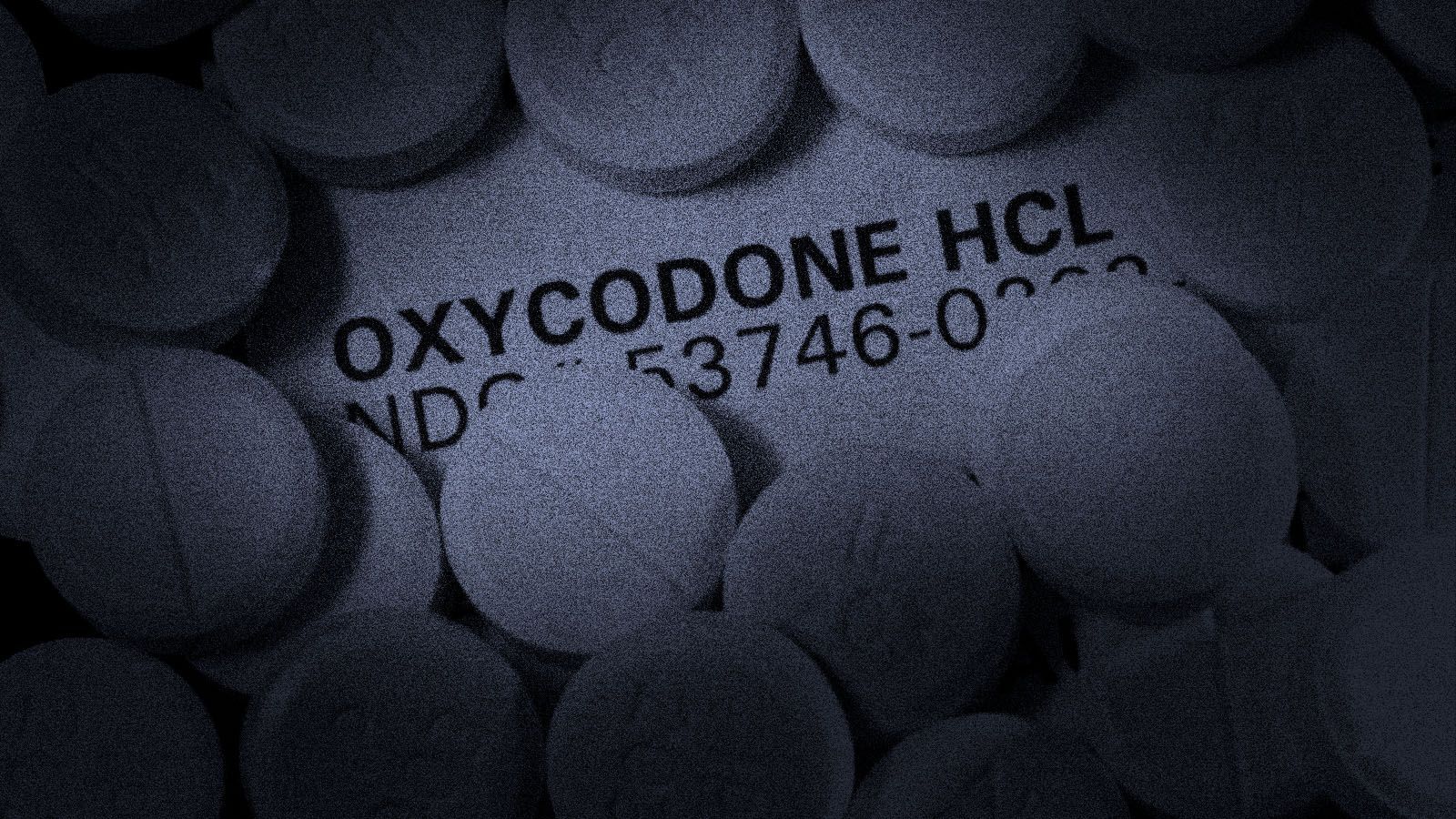
Oxycodone 5 mg is a semi-synthetic opioid analgesic prescribed to manage moderate to severe pain when non-opioid treatments are insufficient. Available as an immediate-release tablet or solution, it binds to mu-opioid receptors in the central nervous system to alter pain perception, carrying significant risks of dependence, misuse, and respiratory depression.
Introduction to Oxycodone 5 mg
Pain management is a cornerstone of modern clinical practice, yet clinicians frequently navigate a complex balance between providing adequate relief and mitigating the inherent risks of powerful medications. Among the pharmaceutical options available, oxycodone stands out as one of the most widely utilized and heavily scrutinized opioid analgesics. Specifically, the 5 mg dose represents the baseline potency for oral immediate-release formulations. It is frequently prescribed for acute pain episodes following surgery, trauma, or severe medical conditions where milder analgesics, such as nonsteroidal anti-inflammatory drugs (NSAIDs) or acetaminophen, prove inadequate.
Understanding oxycodone 5 mg requires examining its pharmacological class, mechanism of action, appropriate clinical indications, administration guidelines, and safety profile. Because opioids carry a high potential for dependence, misuse, and overdose, healthcare providers, pharmacists, and patients must approach this medication with rigorous awareness. This overview provides a comprehensive exploration of 5 mg oxycodone, detailing its clinical utility, regulatory framework, and safety considerations in contemporary medicine.
Disclaimer: The following information is for educational purposes only and does not constitute medical advice, diagnosis, or treatment. Always consult a qualified healthcare provider regarding any questions about prescription medications or pain management strategies.
Pharmacological Profile and Mechanism of Action
To understand why a 5 mg dose of oxycodone produces profound analgesic effects, one must examine its pharmacology. Oxycodone is an opioid agonist synthesized from thebaine, an alkaloid found in the opium poppy (Papaver somniferum). Structurally related to codeine and morphine, oxycodone exhibits a high affinity for mu-opioid receptors located within the central nervous system (CNS) and the gastrointestinal tract.
When an immediate-release 5 mg tablet is ingested, it is rapidly absorbed through the gastrointestinal tract, reaching peak plasma concentrations within approximately one to two hours. The primary mechanism of action involves binding to mu-, kappa-, and delta-opioid receptors, with the strongest affinity directed toward mu receptors. This binding inhibits the ascending pain pathways, alters the perception of and emotional response to pain, and produces central nervous system depression.
Metabolism and Excretion
Oxycodone undergoes extensive hepatic metabolism primarily via the cytochrome P450 enzyme system. Specifically, hepatic CYP3A4 converts oxycodone into noroxycodone, while CYP2D6 metabolizes a smaller portion into oxymorphone, a more potent active metabolite. Because of this metabolic pathway, concurrent administration of medications that inhibit or induce CYP3A4 or CYP2D6 can significantly alter plasma concentrations of oxycodone, potentially leading to either sub-therapeutic pain relief or severe toxicity. The metabolites and unchanged drug are subsequently excreted primarily through the kidneys via the urine.
Clinical Indications and Appropriate Usage
The 5 mg formulation of oxycodone is classified as an immediate-release (IR) product. It is primarily indicated for the management of acute, moderate-to-severe pain that cannot be adequately managed with non-opioid alternatives.
Common clinical scenarios where a 5 mg dose is deployed include:
- Post-Operative Recovery: Managing surgical site pain following orthopedic, abdominal, or dental procedures.
- Acute Traumatic Injury: Providing short-term relief for bone fractures, severe sprains, or soft tissue trauma.
- Medical Procedures: Alleviating acute exacerbations of pain associated with specific diagnostic or therapeutic interventions.
Dosing and Titration Principles
In opioid-naïve patients—individuals who have not recently taken regular doses of opioid medications—the 5 mg dose serves as a standard starting point. Clinicians typically prescribe one 5 mg tablet every 4 to 6 hours as needed for breakthrough or acute pain. The lowest effective dose should always be used for the shortest possible duration to minimize the risk of adverse outcomes.
| Parameter | Clinical Details |
|---|---|
| Generic Name | Oxycodone Hydrochloride |
| Common Strength | 5 mg Immediate-Release Tablet |
| Primary Indication | Moderate to severe acute pain |
| Onset of Action | 10 to 30 minutes |
| Peak Plasma Time | 1 to 2 hours (immediate-release) |
| Primary Metabolism | Hepatic (CYP3A4 and CYP2D6 pathways) |
| Excretion | Renal (urine) |
Risks, Side Effects, and Adverse Reactions
All opioid analgesics present a spectrum of side effects, ranging from mild, manageable discomforts to life-threatening complications. Because 5 mg is a lower therapeutic dose, side effects may be less severe than those seen with high-dose or extended-release formulations, but they remain clinically significant.
Common Adverse Effects
Patients taking 5 mg oxycodone frequently experience side effects related to central nervous system depression and the presence of opioid receptors in the gut:
- Gastrointestinal Distress: Constipation is the most common persistent side effect, as opioids slow bowel motility. Nausea and vomiting are also frequent, particularly during initiation.
- Central Nervous System Effects: Drowsiness, dizziness, lightheadedness, and mild sedation are typical, especially in older adults or opioid-naive patients.
- Pruritus and Flushing: Histamine release triggered by opioid binding can cause itching and skin flushing.
Severe Risks and Warnings
Federal regulators, including the U.S. Food and Drug Administration (FDA), mandate strict safety warnings for all opioid products. Clinicians and patients must remain vigilant regarding these serious risks:
- Respiratory Depression: The most dangerous acute risk of oxycodone is the slowing and shallowing of breathing, which can be fatal if left untreated. This risk is amplified when opioids are combined with alcohol or central nervous system depressants like benzodiazepines.
- Addiction, Abuse, and Misuse: Oxycodone carries a high potential for substance use disorder. Even when taken as prescribed for legitimate acute pain, physiological dependence can develop over time.
- Neonatal Opioid Withdrawal Syndrome: Prolonged maternal use of oxycodone during pregnancy can result in life-threatening withdrawal symptoms in the newborn.
Contraindications and Drug Interactions
Prescribing or consuming 5 mg oxycodone requires careful screening for medical contraindications and potential drug-drug interactions.
Contraindications include:
- Significant respiratory depression.
- Acute or severe bronchial asthma in an unmonitored setting or absent resuscitative equipment.
- Known or suspected gastrointestinal obstruction, including paralytic ileus.
- Hypersensitivity to oxycodone.
Regarding drug interactions, co-administering oxycodone with other CNS depressants—such as alcohol, sedatives, tranquilizers, muscle relaxants, or illicit substances—can precipitate profound sedation, respiratory depression, coma, and death. Furthermore, concurrent use with strong CYP3A4 inhibitors (e.g., certain antifungal medications and macrolide antibiotics) can increase plasma oxycodone concentrations, while inducers can decrease efficacy.
Safe Storage, Handling, and Disposal
Because 5 mg oxycodone tablets are controlled substances subject to diversion, theft, and accidental ingestion, proper management within the home environment is critical.
- Secure Storage: Medications should be stored in a locked cabinet or secure container out of the reach of children, adolescents, and pets. Accidental ingestion of even a single 5 mg tablet by a small child can result in fatal pediatric toxicity.
- Disposal Protocols: Unused, expired, or unneeded medication should not be kept indefinitely in household medicine cabinets. Patients should utilize community drug take-back programs, authorized pharmacy collection kiosks, or safe disposal mail-in envelopes. If these options are unavailable, specific FDA guidance outlines mixing pills with unpalatable substances (like used coffee grounds or cat litter) in a sealed container before throwing them in household trash.
Frequently Asked Questions
What is the typical duration of action for 5 mg oxycodone?
For immediate-release 5 mg oxycodone tablets, the analgesic effect typically begins within 15 to 30 minutes, peaks around one to two hours, and lasts for approximately 4 to 6 hours. Individual metabolism rates and liver function can alter these timeframes.
Can 5 mg oxycodone tablets be split or crushed?
Immediate-release 5 mg tablets are generally formulated for whole ingestion. Crushing, chewing, or splitting immediate-release tablets can alter the absorption rate, though it does not create an extended-release dose dump. However, patients should always consult a pharmacist before altering any pill structure.
What should I do if a dose is missed?
Because immediate-release oxycodone is taken on an as-needed basis for acute pain, a missed dose typically means the pain has returned. If prescribed on a strict schedule, the missed dose should be taken as soon as remembered, unless it is nearly time for the next scheduled dose. Never double up on doses to make up for a missed one.
How does oxycodone 5 mg compare to hydrocodone or codeine?
Oxycodone is generally considered more potent than codeine and roughly equivalent in potency to hydrocodone, though individual patient responses vary widely based on genetics, liver enzyme efficiency, and opioid tolerance.
Is physical dependence the same as addiction?
No. Physical dependence is a physiological adaptation characterized by withdrawal symptoms when the medication is abruptly stopped or reduced. Addiction (substance use disorder) is a complex neurological disease characterized by compulsive drug craving, loss of control, and continued use despite negative consequences. Both require careful medical oversight when managing opioid therapies.
Conclusion and Next Actions
Oxycodone 5 mg remains a valuable, potent tool in acute pain management when prescribed judiciously and monitored closely by healthcare professionals. Patients prescribed this medication should maintain open communication with their prescribing physician and dispensing pharmacist, strictly adhere to dosing instructions, employ safe storage practices, and promptly dispose of any leftover medication. If pain persists beyond the expected healing window or if concerns regarding side effects arise, contact a healthcare provider immediately to re-evaluate the treatment plan.