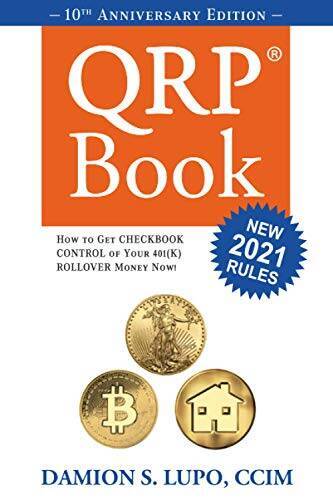
A checkbook 401(k)—often referred to as a self-directed 401(k) with checkbook control—is a specialized retirement vehicle that gives the account holder acting as the trustee direct, immediate access to retirement funds through an LLC, allowing for rapid investment in alternative assets like real estate without paying custodial transaction fees.
Navigating the landscape of modern retirement planning often requires looking beyond traditional mutual funds, stocks, and bonds. For investors seeking alternative asset classes—such as physical real estate, private equity, tax liens, and precious metals—standard brokerage accounts present a frustrating array of administrative bottlenecks. Every single transaction typically requires submitting paperwork, paying high custodian review fees, and waiting weeks for approval. Enter the checkbook 401(k), a mechanism designed to eliminate these hurdles by granting the investor direct signing authority over their retirement capital. However, because this structure grants immense power, it also introduces rigorous compliance obligations, structural requirements, and fiduciary responsibilities. Understanding how these plans function requires separating attractive marketing promises from legal realities.
Fact 1: The Plan Structure Relies on a Special Purpose LLC
The defining feature that gives a checkbook 401(k) its name is not a literal checkbook tied directly to a standard brokerage retirement account, but rather an intermediate legal structure: a Limited Liability Company (LLC) wholly owned by the retirement plan.
When establishing this setup, a specialized provider drafts a custom, IRS-compliant solo 401(k) plan document. The individual acts as both the employee and the trustee of the plan. Next, a single-member or multi-member LLC is formed, with the solo 401(k) serving as the member (or equity owner) and the individual serving as the manager.
Once the LLC is established, a business checking account is opened in the name of the LLC. The trustee then transfers the retirement funds from the custodian into this LLC bank account. Because the investor is the named manager of the LLC, they hold checkbook, debit, and wire transfer authority over the account. This enables the investor to purchase a property, fund a startup, or buy alternative assets instantly, writing a check or wiring funds straight from the LLC account at the moment an opportunity arises.
Fact 2: They Are Exclusively Designed for Self-Employed Individuals
A widespread misconception is that any American worker with a corporate 401(k) sponsored by their employer can convert their account into a checkbook 401(k). In reality, checkbook control is almost exclusively available through a Solo 401(k) (also known as an Individual 401(k) or Uni-401(k)).
To legally establish and contribute to a Solo 401(k) that supports checkbook control, the applicant must meet two strict criteria:
- Self-Employment Activity: The individual (or a married couple) must own a business, operate as a sole proprietor, run a single-member LLC, or work as an independent contractor.
- No Full-Time W-2 Employees: The business cannot employ any full-time W-2 workers other than the owner(s) and their spouse. (Part-time employees who work fewer than 1,000 hours per year or independent contractors who receive 1099 forms generally do not trigger disqualification, though federal guidelines on employee eligibility must be carefully reviewed).
Corporate employees tied to traditional large-company 401(k) plans cannot implement checkbook control on their active employer-sponsored plans. However, if they have old 401(k) plans or traditional IRAs from past employment, they can often roll those funds over into a newly established Solo 401(k) provided they have active self-employment income to qualify for the plan in the first place.
Fact 3: Strict IRS Prohibited Transaction Rules Still Apply
Having "checkbook control" does not mean having unfettered personal access to the money. The IRS maintains rigid boundaries regarding how retirement funds are utilized, and the penalties for violating these rules can completely disqualify the plan, resulting in taxes and severe penalties.
Under Internal Revenue Code Section 4975, prohibited transactions forbid any direct or indirect financial exchange between the retirement plan (or its LLC) and "disqualified persons."
- Who is a disqualified person? This includes the account holder, their spouse, lineal descendants (children, grandchildren), ascendants (parents, grandparents), and any entities (such as corporations or partnerships) where these individuals hold a controlling stake of 50% or more.
- Common violations to avoid:
- Buying a rental property with your checkbook 401(k) LLC and renting it out to your adult child.
- Using the checkbook 401(k) to purchase a vacation home that you or your family plan to use personally, even for a single weekend.
- Personally guaranteeing a non-recourse loan taken out by the checkbook LLC.
- Paying yourself a management fee or salary for maintaining the properties owned by your retirement plan.
All income generated by investments inside the checkbook 401(k) LLC—such as rental income, dividends, or capital gains—must flow directly back into the LLC bank account to maintain tax-advantaged status. Using plan funds for personal expenses immediately triggers a deemed distribution of the entire account balance.
Fact 4: Custodians Are Still Required for Initial Setup and Reporting
While checkbook control removes the custodian from the transactional phase of investing, a qualified custodian or plan provider is still legally required during the establishment and annual reporting phases of the vehicle.
| Stage of Plan Operation | Traditional Custodian Role | Checkbook 401(k) Custodian / Provider Role |
|---|---|---|
| Account Opening | Holds assets directly; approves every transaction. | Establishes the prototype plan document and assists with the initial rollover. |
| Investing | Reviews and executes each investment request manually. | Absent from daily transactions; the trustee executes investments via the LLC bank account. |
| Annual Tax Reporting | Issues Form 1099-R for distributions; files Form 5500-EZ if required. | Files annual informational returns (Form 5500-EZ once plan assets exceed thresholds) and tracks cost basis. |
| Recordkeeping | Maintains central ledger of all asset values. | Trustee must maintain meticulous internal ledgers, invoices, and operating agreements. |
Furthermore, when a Solo 401(k) plan accumulates total assets exceeding $250,000 at the end of a calendar year, the plan trustee must file IRS Form 5500-EZ (Annual Return of One-Participant Retirement Plan). Failing to file this informational return can trigger steep financial penalties from the IRS and the Department of Labor.
Fact 5: Unrelated Business Income Tax (UBIT) Can Apply
Many investors gravitate toward checkbook 401(k) plans to invest in real estate, leverage mortgages, or participate in active business operations. However, doing so can inadvertently trigger a lesser-known federal tax called Unrelated Business Income Tax (UBIT) or its real estate-specific cousin, Unrelated Debt-Financed Income (UDFI) tax.
Qualified retirement plans are generally tax-exempt, but Congress enacted UBIT to prevent tax-exempt entities from having an unfair competitive advantage over tax-paying businesses.
- Active Business Income: If a checkbook 401(k) LLC owns an operating business—such as a laundromat, restaurant, or a retail store—the income generated from that active trade or business is classified as Unrelated Business Taxable Income (UBTI) and is subject to trust tax rates, which can reach the highest marginal brackets very quickly.
- Debt-Financed Real Estate (UDFI): If a checkbook 401(k) purchases real estate using leverage (i.e., a non-recourse mortgage rather than 100% cash), the percentage of the property's income derived from that debt is subject to UDFI.
Investors must work with a qualified certified public accountant (CPA) experienced in self-directed retirement vehicles to calculate and file IRS Form 990-T if their checkbook 401(k) generates taxable unrelated income.
Frequently Asked Questions
Can I buy a personal residence with a checkbook 401(k)?
No. Purchasing a personal residence, vacation home, or any property intended for personal use by you or other disqualified persons violates IRS prohibited transaction rules. All real estate purchased through a checkbook 401(k) LLC must be held strictly for investment purposes, and you cannot perform maintenance or repairs on the property yourself to avoid mixing personal labor with plan assets.
Do I need a special LLC for a checkbook 401(k)?
Yes. The LLC must be formed specifically for the retirement plan, with the Solo 401(k) listed as the sole member (or equity holder) and the account holder listed strictly as the non-owner manager. Existing personal LLCs or corporations cannot be sold or transferred into a retirement plan due to prohibited transaction rules that bar selling personal assets to your own plan.
How much does it cost to set up and maintain a checkbook 401(k)?
Setup costs for a checkbook 401(k) and its associated LLC typically range from $1,000 to $2,500 depending on the provider, legal drafting fees, and state LLC filing fees. Ongoing annual maintenance fees are generally lower than traditional self-directed IRAs because there are no per-transaction fees, though state LLC annual report fees and registered agent costs still apply.
Can I be my own custodian with a checkbook 401(k)?
You do not act as a custodian; rather, you act as the trustee of your own plan and the manager of the LLC. While a specialized plan provider drafts the IRS-approved prototype plan documents and assists with establishing the structure, you exercise direct operational control over the checking account without needing a third-party administrator to sign off on every individual wire transfer or check.
What happens if I make a mistake and violate an IRS rule?
If the IRS determines that a prohibited transaction has occurred within your checkbook 401(k), the plan can lose its tax-exempt status as of the first day of the year in which the violation took place. This results in the entire account balance being treated as a taxable distribution, which is added to your ordinary income for that year and potentially subjected to early withdrawal penalties if you are under age 59½.
Next Steps and Professional Guidance
Implementing a checkbook 401(k) offers unparalleled investing agility, empowering you to execute time-sensitive transactions in real estate and private markets without third-party delay. However, this flexibility requires strict adherence to federal tax statutes, meticulous recordkeeping, and a clear understanding of prohibited transactions and UBIT regulations. Before taking steps to establish a plan, consult with a licensed CPA, tax attorney, or specialized self-directed retirement plan provider to verify your self-employment eligibility and ensure your operational setup complies with all current IRS guidelines.