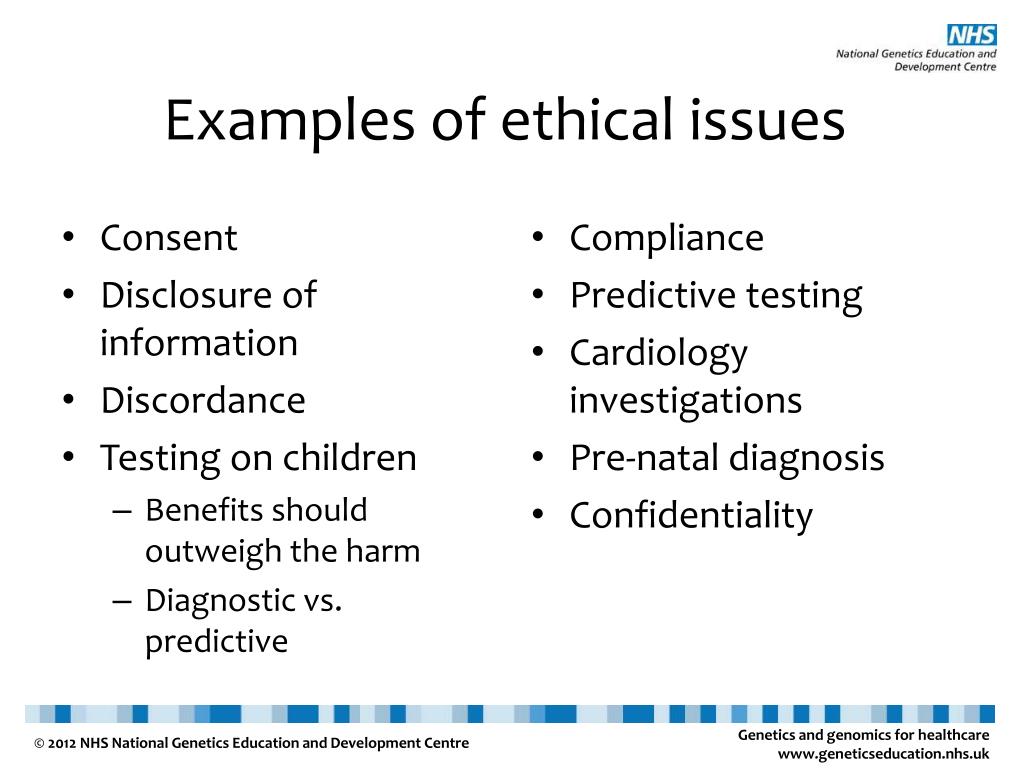
Ethical issues occur when a situation or dilemma arises that requires a choice between competing values, where the "right" path is not always immediately clear. In 2026, these challenges have evolved to include complex digital interactions, environmental responsibilities, and shifting workplace dynamics, necessitating a deep understanding of moral frameworks to navigate them successfully.
Understanding ethical dilemmas is the first step toward building a high-integrity environment, whether in a corporate boardroom, a hospital, or a local community. Ethics are not merely about following the law; they represent the "spirit" of the law and the moral obligations we have toward others. As we navigate the complexities of 2026, where artificial intelligence and global connectivity have blurred traditional boundaries, identifying these issues is more critical than ever.
1. Conflicts of Interest in Professional Environments
A conflict of interest arises when an individual’s personal interests—be they financial, familial, or social—interfere, or appear to interfere, with their professional duties or the interests of their employer. This is perhaps the most frequent ethical challenge because it strikes at the heart of trust and objectivity.
In a professional setting, the core tension is between fiduciary duty and personal gain. For example, a procurement manager who awards a lucrative contract to a company owned by a close relative is engaging in a conflict of interest. Even if the relative’s company offers the best price, the "appearance of impropriety" can be just as damaging as actual corruption. It undermines the transparency of the bidding process and devalues the contributions of other vendors.
The Psychology of Self-Interest
Humans are naturally inclined to favor those they know or to seek personal benefit. This is why many organizations in 2026 have moved beyond simple "disclosure" policies to "active avoidance" protocols. A conflict of interest doesn't always involve money; it can involve "quid pro quo" arrangements, where favors are traded over time.
Mitigation Strategies
To address this, organizations typically implement:
- Mandatory Annual Disclosures: Requiring employees to list any outside business interests or family connections that might overlap with company operations.
- Recusal Protocols: Ensuring that if a conflict is identified, the individual is removed from the decision-making process entirely.
- Third-Party Audits: Using independent firms to verify that high-stakes decisions were made on merit alone.
2. Whistleblowing vs. Organizational Loyalty
Whistleblowing is the act of an employee or stakeholder reporting wrongdoing within an organization to internal or external authorities. The ethical dilemma here is the conflict between loyalty to the employer and loyalty to the public good.
Employees often feel a sense of duty to their team and their brand. However, when that brand engages in illegal or unethical behavior—such as safety violations, financial fraud, or toxic waste dumping—the employee faces a grueling choice. Speaking up can lead to retaliation, job loss, or being "blackballed" in an industry, despite various legal protections that have been strengthened over the decades.
The Evolution of Whistleblower Protection
Since the landmark Sarbanes-Oxley Act of 2002, legal frameworks have evolved to protect those who report misconduct. In 2026, global standards have become more harmonized, yet the social stigma often remains. The ethical "right" is generally considered to be the protection of the larger community over the secrets of a single organization, but the personal cost makes this one of the most difficult issues to navigate.
Creating a "Speak-Up" Culture
Modern organizations attempt to resolve this dilemma by:
- Anonymous Hotlines: Providing secure, third-party channels for reporting without fear of identification.
- Zero-Tolerance Retaliation Policies: Publicly committing to protecting whistleblowers and punishing those who attempt to silence them.
- Internal Ethics Committees: Empowering a board that is independent of the CEO to investigate claims.
3. Workplace Discrimination and Harassment
While laws against discrimination have been in place for decades, the ethical issue persists through systemic bias and microaggressions. Discrimination occurs when an individual is treated unfairly based on characteristics such as race, gender, age, religion, disability, or sexual orientation.
In 2026, the conversation has shifted toward "algorithmic bias" (where AI hiring tools inadvertently favor certain demographics) and "neurodiversity," ensuring that individuals with different cognitive styles are given equal opportunity. Harassment, meanwhile, creates a hostile work environment through unwelcome conduct that demeans or intimidates.
The Impact of Modern Work Structures
With the rise of hybrid and remote work, harassment has moved into digital spaces—private messages, video call comments, and "off-platform" interactions. This makes it harder for HR departments to monitor and easier for toxic behaviors to hide. The ethical imperative is to create an environment of psychological safety, where every contributor feels valued for their output rather than their background.
Addressing the Root Cause
Ethical organizations prioritize:
- Inclusive Design: Ensuring that workplace policies and physical/digital spaces are accessible to all.
- Implicit Bias Training: Helping employees recognize the subconscious stereotypes that influence their decision-making.
- Transparent Pay Scales: Eliminating the "gender pay gap" and "minority pay gap" through open data and standardized salary brackets.
4. Data Privacy and Algorithmic Accountability
As we move through 2026, the ethical use of data has become a defining issue of our era. The tension exists between corporate innovation (using data to improve products or target ads) and the individual right to privacy.
Companies often collect vast amounts of "telemetry" data, which can reveal sensitive information about a user’s health, location, and habits. The ethical question is: Just because a company can collect data, should it? Furthermore, how is that data used by algorithms to influence human behavior?
The "Black Box" Problem
Many AI systems used in 2026 operate as "black boxes," where even the creators aren't entirely sure how the machine reached a specific conclusion. This leads to ethical issues in insurance pricing, credit scoring, and even judicial sentencing. If an algorithm denies a person a loan based on a correlation that mimics historical racial segregation, the company using that algorithm is committing an ethical—and often legal—breach.
Data Sovereignty
To combat these issues, the concept of data sovereignty has gained traction. This involves:
- Granular Consent: Moving away from "all or nothing" terms of service toward specific permissions.
- Right to Erasure: Allowing users to permanently delete their data from all backups and third-party partners.
- AI Transparency Reports: Requiring companies to explain the logic behind their automated decisions.
5. Corporate Environmental Responsibility (ESG)
The fifth major ethical issue involves an organization's impact on the planet. This is often categorized under Environmental, Social, and Governance (ESG) criteria. The core dilemma is the trade-off between short-term profit and long-term sustainability.
For years, many companies engaged in "greenwashing"—the practice of making misleading claims about the environmental benefits of a product or practice. In 2026, consumers and regulators have become far more sophisticated at identifying these tactics. Ethical issues in this category include carbon emissions, water usage, and the management of global supply chains where environmental regulations may be lax.
Ethical Supply Chains
It is no longer ethically sufficient for a company to be "green" at its headquarters while its suppliers are polluting rivers in another country. The "scope 3" emissions (indirect emissions in a company’s value chain) have become a focal point of ethical accountability.
Sustainable Practices
Leading firms now adopt:
- Circular Economy Models: Designing products that are meant to be repaired, reused, or recycled rather than discarded.
- Regenerative Sourcing: Moving beyond "doing no harm" to actively restoring the ecosystems they use.
- Full-Chain Transparency: Using blockchain or similar technologies to track the environmental footprint of a product from raw material to the consumer's doorstep.
Comparative Overview of Ethical Issues
The following table compares these five issues based on their primary tension, the level of organizational risk, and the most effective mitigation approach as of 2026.
| Ethical Issue | Core Conflict/Tension | Primary Organizational Risk | Key Mitigation Strategy |
|---|---|---|---|
| Conflict of Interest | Personal gain vs. Fiduciary duty | Loss of trust, legal fraud | Mandatory disclosure & recusal |
| Whistleblowing | Loyalty vs. Public safety | Reputational damage, lawsuits | Anonymous reporting channels |
| Discrimination | Bias vs. Meritocracy | Talent drain, toxic culture | Inclusive design & bias training |
| Data Privacy | Innovation vs. Individual rights | Massive fines, loss of data | Granular consent & AI transparency |
| Environmental Resp. | Profit vs. Sustainability | Regulatory non-compliance | Supply chain transparency |
Frameworks for Resolving Ethical Dilemmas
Identifying an issue is only half the battle; resolving it requires a structured approach. Most ethics experts suggest a multi-lens framework to evaluate a potential decision:
- The Utilitarian Lens: Which option will produce the most good and do the least harm for the greatest number of people?
- The Rights Lens: Which option best respects the moral rights of all who have a stake in the outcome?
- The Justice Lens: Which option treats people equally or, if not equally, then fairly based on some standard that is defensible?
- The Common Good Lens: Which option best serves the community as a whole, rather than just a few individuals?
- The Virtue Lens: Which option leads me to act as the sort of person I want to be?
When faced with a complex problem in 2026, such as an AI-driven marketing campaign that might exploit vulnerable populations, a manager should run the proposal through these five lenses. If the proposal fails even one, it likely needs to be redesigned.
Common Obstacles to Ethical Behavior
Even with the best intentions, people often fail to act ethically due to certain psychological and structural barriers. Understanding these "traps" is vital for prevention.
The "Slippery Slope"
Most massive ethical scandals—like the financial collapses of the early 21st century—began with small, seemingly insignificant compromises. An employee might "fudge" a number by 1% to meet a quarterly goal. When that goes unnoticed, it becomes 2% the next quarter, and 5% the year after. Ethical behavior requires a firm line that is never crossed, regardless of the scale.
Ethical Fading
This occurs when the ethical aspects of a decision "fade" into the background, and the decision is re-framed as a purely business or technical matter. For example, a software engineer might focus entirely on the efficiency of an algorithm, forgetting to consider how that algorithm might discriminate against marginalized groups.
Pressure from Leadership
The "tone at the top" is the single biggest predictor of an organization's ethical health. If leaders prioritize results "at any cost," employees will inevitably cut corners. In 2026, the most successful companies are those where leaders explicitly reward ethical behavior, even when it results in lower short-term revenue.
Frequently Asked Questions
What is the difference between a legal issue and an ethical issue?
A legal issue involves breaking established laws or regulations, which can result in fines or imprisonment. An ethical issue involves a violation of moral principles or professional standards. While many unethical acts are also illegal (like fraud), some are legal but still considered wrong by society (like certain forms of tax avoidance or misleading advertising).
Can an ethical issue be solved with technology?
Technology, such as blockchain for supply chain transparency or AI for bias detection, can provide the data needed to make ethical decisions. However, technology itself is neutral. The "solution" always requires human judgment and a commitment to moral values.
How should a small business handle ethical issues differently than a large corporation?
The core principles remain the same, but the implementation differs. Small businesses often rely more on direct culture and personal relationships. While they may not have a dedicated Ethics & Compliance department, they should still have a written Code of Ethics and an open-door policy where employees can discuss dilemmas without fear.
Why is data privacy considered an "ethical" issue rather than just a "IT" issue?
Because data represents people. How a company handles data reflects its respect for human autonomy and dignity. Using data in ways that users wouldn't expect or want is a violation of the "social contract" between a business and its customers.
Is greenwashing still a major ethical issue in 2026?
Yes, although it has become more subtle. Instead of outright lying, some companies now use "aspirational" greenwashing—setting 2050 goals without any concrete plan to reach them—or "hidden trade-offs," where they highlight one small green initiative while ignoring a massive carbon footprint elsewhere.
Practical Recommendation for 2026
To effectively manage ethical issues, do not wait for a crisis to occur. Establish a Proactive Ethics Framework today. This involves creating a clear Code of Ethics that is not just a document on a shelf, but a living part of daily operations. Use real-world examples in training sessions to move beyond abstract theory. Finally, ensure that your incentive structures—how people are promoted and paid—align with your stated values. If you reward only the "bottom line," you will eventually get unethical behavior. Reward integrity, and you will build a resilient, long-term organization.