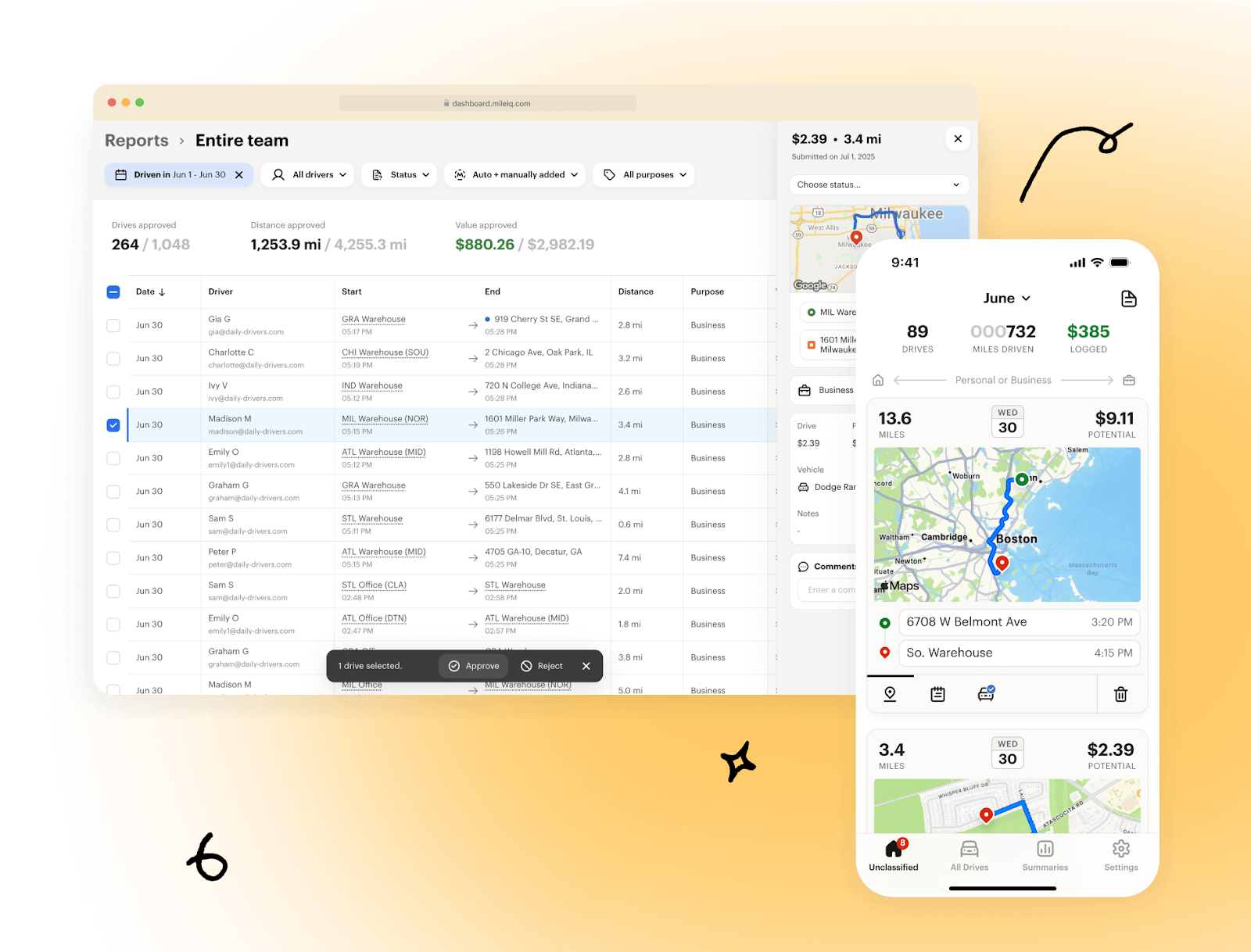
Tracking travel distances and carbon footprints has become an essential practice for eco-conscious wanderers who want to minimize their environmental impact. Whether you are cycling through city streets, taking electric vehicle road trips, or combining public transit with walking, using dedicated tracking tools helps you measure, reduce, and offset your travel footprint.
Eco-friendly travel apps help green-minded explorers calculate their exact mileage, monitor carbon dioxide emissions across various transit modes, and optimize their journeys for minimal ecological disruption. While the market features numerous commercial fleet-tracking platforms designed for corporate tax deductions, everyday travelers often need free, privacy-focused, and carbon-aware solutions. This comprehensive guide explores the five best free mileage apps for eco-friendly travelers, breaking down their core features, tracking mechanisms, and sustainability benefits to help you choose the ideal companion for your next journey.
Understanding Eco-Friendly Travel Tracking
For travelers committed to reducing their carbon footprint, understanding how distance converts to emissions is the first step toward sustainability. Mileage tracking apps traditionally serve business travelers logging miles for expense reports, but a new wave of software focuses on green metrics. These applications calculate the greenhouse gas (GHG) emissions generated per mile traveled based on the specific mode of transportation used, whether it is walking, biking, public rail, or driving an electric vehicle.
Modern eco-travel apps rely on smartphone sensors, GPS data, and user input to log trips automatically or manually. When evaluating these tools, users must consider battery consumption, data privacy, and the accuracy of modal detection—the app's ability to distinguish whether you are walking, cycling, or riding a bus. Free applications often monetize through optional premium upgrades, enterprise partnerships, or anonymized data aggregation, making it vital to review privacy policies before enabling continuous background location tracking.
Key Criteria for Selecting a Green Mileage App
Before examining specific applications, identifying what makes a mileage app truly useful for sustainable travel helps filter out options built exclusively for corporate logistics. An effective eco-travel tracker must balance technical accuracy with a minimal digital footprint.
- Mode Detection Accuracy: The app must correctly identify sustainable transit modes, such as walking, cycling, and public transit, rather than defaulting all movement to motor vehicle travel.
- Carbon Output Calculation: Integrated algorithms should translate raw mileage into carbon dioxide equivalent ($\text{CO}_2\text{e}$) metrics using standardized emission factors.
- Cost and Accessibility: The core tracking and basic reporting features must remain completely free without aggressive paywalls or mandatory subscriptions.
- Battery Efficiency: Continuous GPS tracking drains smartphone batteries quickly. Efficient apps utilize low-power geofencing and accelerometer data to preserve device longevity during long trips.
- Data Privacy: Users should control whether their location data is stored locally on the device or shared with third-party entities.
1. Zero Carbon
Zero Carbon is designed specifically for individuals looking to measure and mitigate their daily travel emissions without getting bogged down in corporate expense reporting. Instead of focusing solely on financial reimbursement, this application treats every mile as an environmental data point.
Core Features and Sustainability Focus
Zero Carbon automatically logs your daily movements and categorizes them by transport type. It assigns an immediate carbon cost to your journey, allowing you to visualize the difference between driving a traditional internal combustion engine vehicle and taking a commuter train or bicycle. The app maintains a running tally of your monthly carbon budget, encouraging behavioral shifts toward active transportation and mass transit.
Pros and Cons for Eco-Travelers
- Pros: Clean, minimalist interface with no intrusive advertisements; precise calculation models based on standard environmental agencies; clear emphasis on reduction rather than reimbursement.
- Cons: Advanced offset purchasing features require occasional web verification; background GPS tracking can impact older smartphone batteries if left running continuously.
2. Walken
While technically positioned as a move-to-earn fitness application, Walken functions exceptionally well as a lightweight mileage tracker for pedestrians and hikers who want to gamify their low-carbon mobility. By focusing exclusively on human-powered transit, it eliminates the noise of vehicle-centric tracking software.
Core Features and Sustainability Focus
Walken records steps and walking mileage with high precision using native device pedometers and GPS integration. For eco-friendly travelers exploring urban environments on foot or trekking through nature reserves, it provides a tangible record of zero-emission distance covered. The application encourages walking over short-distance driving by rewarding physical activity.
Pros and Cons for Eco-Travelers
- Pros: Extremely low battery consumption because it prioritizes step-counting sensors over constant GPS polling; completely free core functionality; excellent for urban walking tours.
- Cons: Limited utility for multi-modal trips involving trains or bicycles; includes blockchain-based gaming elements that may not appeal to traditional conservationists.
3. Strava
Although widely recognized as a social network for athletes and cyclists, Strava serves as one of the most reliable, free mileage-logging tools available for human-powered and low-emission transit. Its robust mapping engine makes it indispensable for eco-tourists planning bike-packing trips or trail walks.
Core Features and Sustainability Focus
Strava records detailed metrics for cycling, running, walking, and even kayaking or canoeing. Beyond personal fitness, Strava Metro aggregates anonymized travel data to help urban planners design safer bike lanes and pedestrian infrastructure, indirectly supporting municipal sustainability initiatives. For the individual traveler, it offers precise route mapping, elevation profiles, and distance logs without cost for its core tracking tier.
Pros and Cons for Eco-Travelers
- Pros: Highly accurate GPS tracking across diverse outdoor environments; massive community database of verified routes; excellent battery management settings.
- Cons: Pushes paid subscription tiers for advanced analytics; social sharing features require privacy adjustments if you prefer not to broadcast your exact travel patterns.
4. TripIt
TripIt is primarily known as a comprehensive travel itinerary manager, but its free version includes robust mileage and carbon footprint estimation tools that benefit eco-conscious globetrotters managing complex, multi-leg journeys.
Core Features and Sustainability Focus
When you forward your travel confirmation emails—whether for flights, trains, ferries, or car rentals—TripIt automatically compiles a master itinerary. Within the platform, users can review the total distance traveled and estimate the associated environmental impact of their journeys. This macro-level view helps travelers identify high-emission legs of a trip, such as regional flights, and replace them with rail or bus alternatives on future itineraries.
Pros and Cons for Eco-Travelers
- Pros: Centralizes multi-modal travel data in one place; handles international rail, bus, and flight bookings seamlessly; free tier offers robust organization tools.
- Cons: Carbon calculations are generalized estimates rather than hyper-local real-time trackers; requires manual forwarding of travel documents.
5. Transit
For travelers navigating urban environments, substituting personal vehicles with public transportation is the single most effective way to reduce travel emissions. Transit is a real-time public mobility application that helps users navigate city transit networks while implicitly tracking their low-carbon mileage choices.
Core Features and Sustainability Focus
Transit combines bus, subway, train, bike-share, and scooter data into a single interface. By helping users seamlessly chain together public transit and active mobility, it removes the friction of car-free travel. While it does not feature a dedicated carbon dashboard, using the app consistently ensures that your city mileage is logged via high-occupancy vehicles or active transport.
Pros and Cons for Eco-Travelers
- Pros: Exceptional real-time accuracy for public transit schedules in major metropolitan areas; supports multi-modal routing including bike shares; clean, ad-free user interface.
- Cons: Limited usefulness in rural areas or regions with underdeveloped public transit infrastructure; focuses on navigation rather than historical mileage reporting.
Comparison of Free Eco-Friendly Mileage Apps
| Application | Primary Use Case | Best For | Carbon Tracking | Cost |
|---|---|---|---|---|
| Zero Carbon | Daily movement tracking | Measuring daily footprint | Direct & Detailed | Free (Core features) |
| Walken | Pedestrian activity | Walking & hiking | Indirect (Zero-emission steps) | Free (Optional items) |
| Strava | Active transport logging | Cycling, running, hiking | Indirect (Distance-based) | Free tier available |
| TripIt | Itinerary & distance management | Multi-city, multi-modal travel | Generalized estimates | Free tier available |
| Transit | Public mobility navigation | Urban car-free travel | Indirect (Modal shift) | Free (Optional Royale upgrade) |
Best Practices for Tracking and Reducing Travel Emissions
Simply downloading an app will not reduce your environmental impact; how you interpret and act upon the data matters most. To maximize the effectiveness of your chosen mileage app, integrate these sustainable travel habits into your routine:
- Audit Your Baseline: Use an app like Zero Carbon for two weeks without changing your habits to establish a realistic baseline of your weekly mileage and carbon output.
- Prioritize Modal Shifts: When your tracking data reveals high emissions from short car trips, challenge yourself to replace them with walking, cycling, or public transit options identified via apps like Transit.
- Optimize Routes: Avoid backtracking and unnecessary detours by planning multi-stop journeys efficiently using mapping and itinerary tools.
- Manage Battery Settings: To prevent your phone from dying during remote eco-tours, adjust your app location permissions to "While Using" rather than "Always Allow" where continuous background tracking is unnecessary.
Frequently Asked Questions
Do these free mileage apps drain smartphone battery life?
Most modern mileage apps utilize efficient location APIs that rely on cell tower triangulation and accelerometer data until precise GPS tracking is required. However, apps that run continuous background tracking for active workouts, such as Strava, will consume more power. You can mitigate battery drain by closing background apps when not actively traveling and adjusting location permission settings in your device preferences.
Can these apps calculate carbon offsets automatically?
Some dedicated sustainability apps provide direct pathways to calculate emissions and purchase verified carbon offsets. However, general trackers like Strava or Transit focus primarily on distance and modal choice. Travelers often use the mileage data gathered from these free apps to manually calculate their impact through certified offset registries if desired.
Are my travel locations kept private?
Privacy varies significantly by app. Community-focused platforms like Strava aggregate and share anonymized route data for urban planning unless you adjust your privacy settings to private mode. Dedicated carbon trackers generally store data locally or under stricter privacy frameworks. Always review the privacy policy of any application before enabling constant background location services.
How do I track multi-modal trips where I take a train and then walk?
Apps like TripIt handle multi-modal journeys by consolidating separate flight, rail, and walking segments into one itinerary. For real-time tracking, applications with intelligent activity recognition or manual logging allow you to split trips into distinct segments, ensuring accurate modal attribution for walking versus motorized transit.
Do I need a paid subscription to get accurate mileage data?
No. The core GPS tracking, distance measurement, and basic mapping features of all the applications listed in this guide are fully functional on their free tiers. Paid upgrades typically unlock advanced training analytics, team features, or extended historical data storage rather than basic distance calculation.
Conclusion
Embracing eco-friendly travel requires reliable data to understand where your journey intersects with environmental impact. By leveraging free tools like Zero Carbon, Walken, Strava, TripIt, and Transit, you can accurately monitor your distance, refine your transit choices, and actively lower your carbon footprint. Start by selecting one app that aligns with your primary mode of travel—whether that is urban walking, cycling, or public transit—and use its insights to make your next adventure more sustainable.