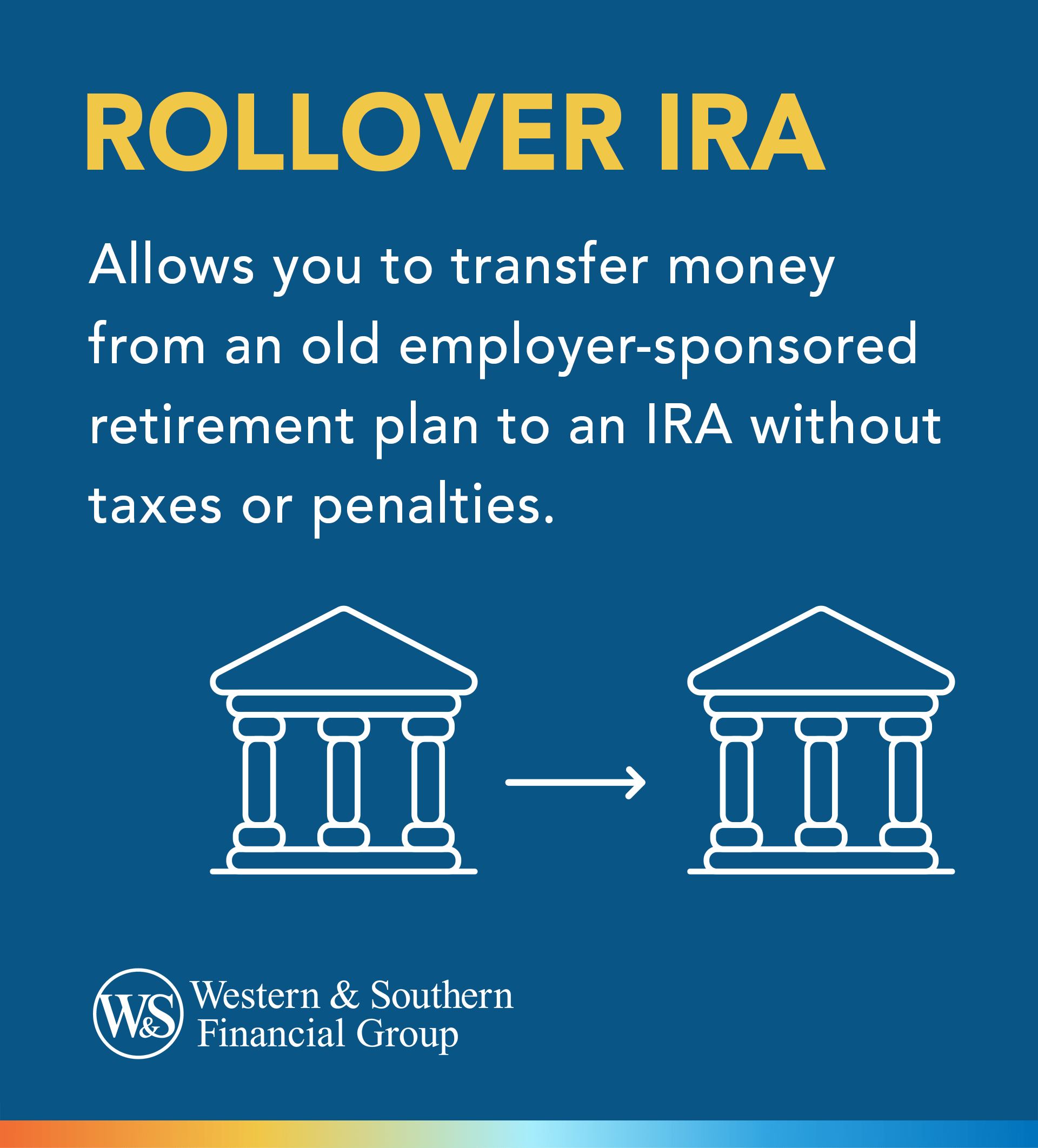
A 401(k) conversion to an IRA, commonly known as a rollover, involves transferring retirement assets from an employer-sponsored plan into an Individual Retirement Account. This process allows investors to maintain the tax-advantaged status of their savings while typically gaining access to a broader range of investment options and lower administrative fees.
Moving your retirement savings is a significant financial milestone that requires careful planning to avoid unnecessary taxes or penalties. As of 2026, the regulatory landscape for retirement accounts has continued to evolve following the full implementation of various SECURE Act 2.0 provisions. Whether you are changing jobs, retiring, or simply seeking better control over your portfolio, understanding the nuances of how to move your 401(k) funds is essential for long-term wealth preservation.
Understanding the Difference: Rollover vs. Conversion
While often used interchangeably in casual conversation, "rollover" and "conversion" have distinct technical meanings in the eyes of the IRS. Distinguishing between these two is the first step in ensuring your paperwork is filed correctly.
The Standard Rollover
A rollover occurs when you move assets from a "like-to-like" tax bucket. For example, moving funds from a Traditional 401(k) to a Traditional IRA is a rollover. Because the funds were tax-deferred in the 401(k) and remain tax-deferred in the IRA, there is no immediate tax bill triggered by this move, provided the assets are handled correctly through a direct transfer.
The Roth Conversion
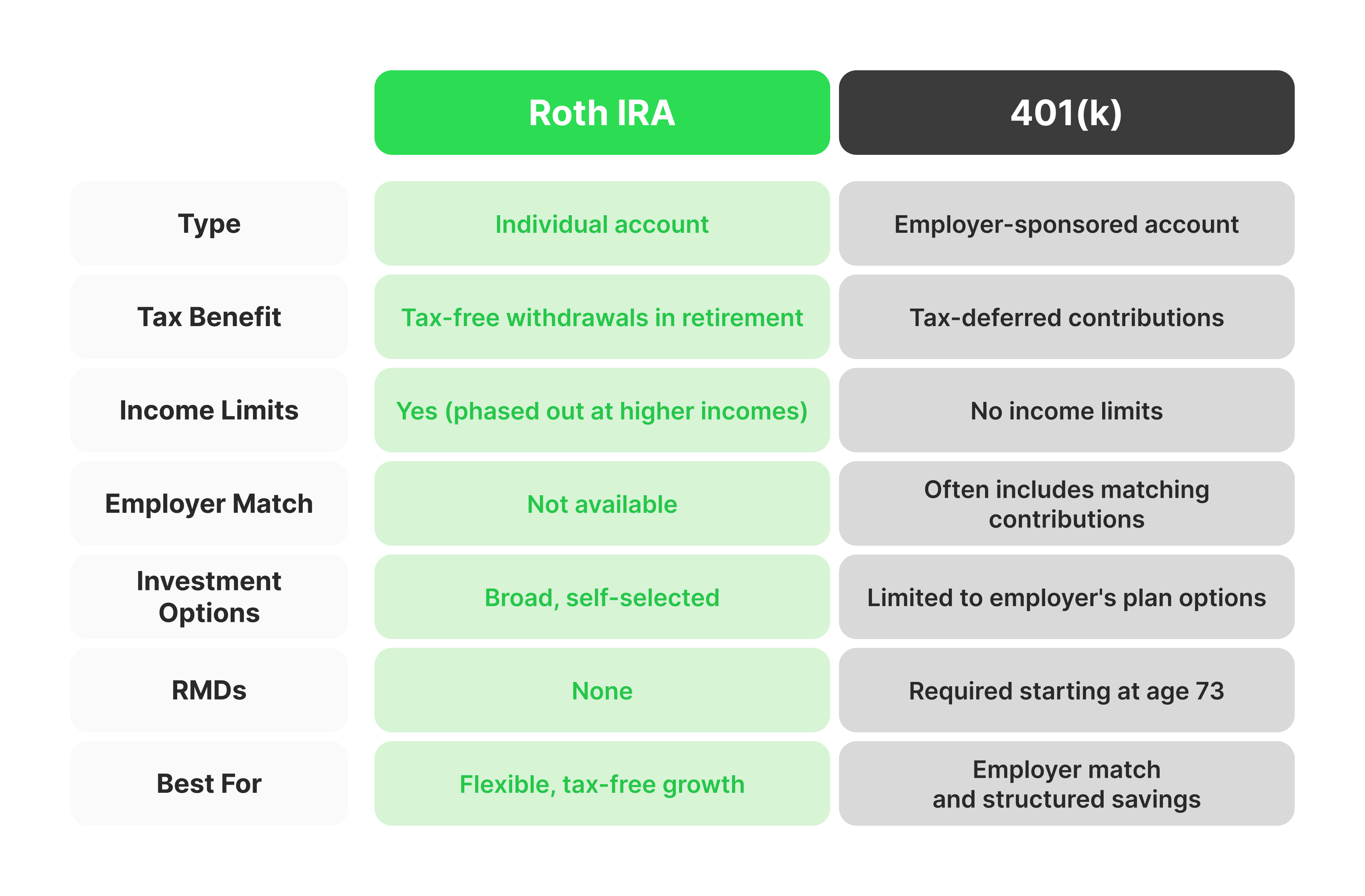
A conversion specifically refers to moving assets from a tax-deferred account (like a Traditional 401(k)) into a tax-free account (like a Roth IRA). This is a taxable event. You must pay income tax on the amount converted in the year the move occurs. However, once the funds are in the Roth IRA, they grow tax-free, and qualified distributions in retirement are also tax-free. In 2026, many high-earners use this strategy to hedge against future tax rate increases.
Why Move Your 401(k) to an IRA?
Remaining in an employer’s 401(k) plan is sometimes the right choice, but for many, the IRA offers superior advantages.
Expanded Investment Choices
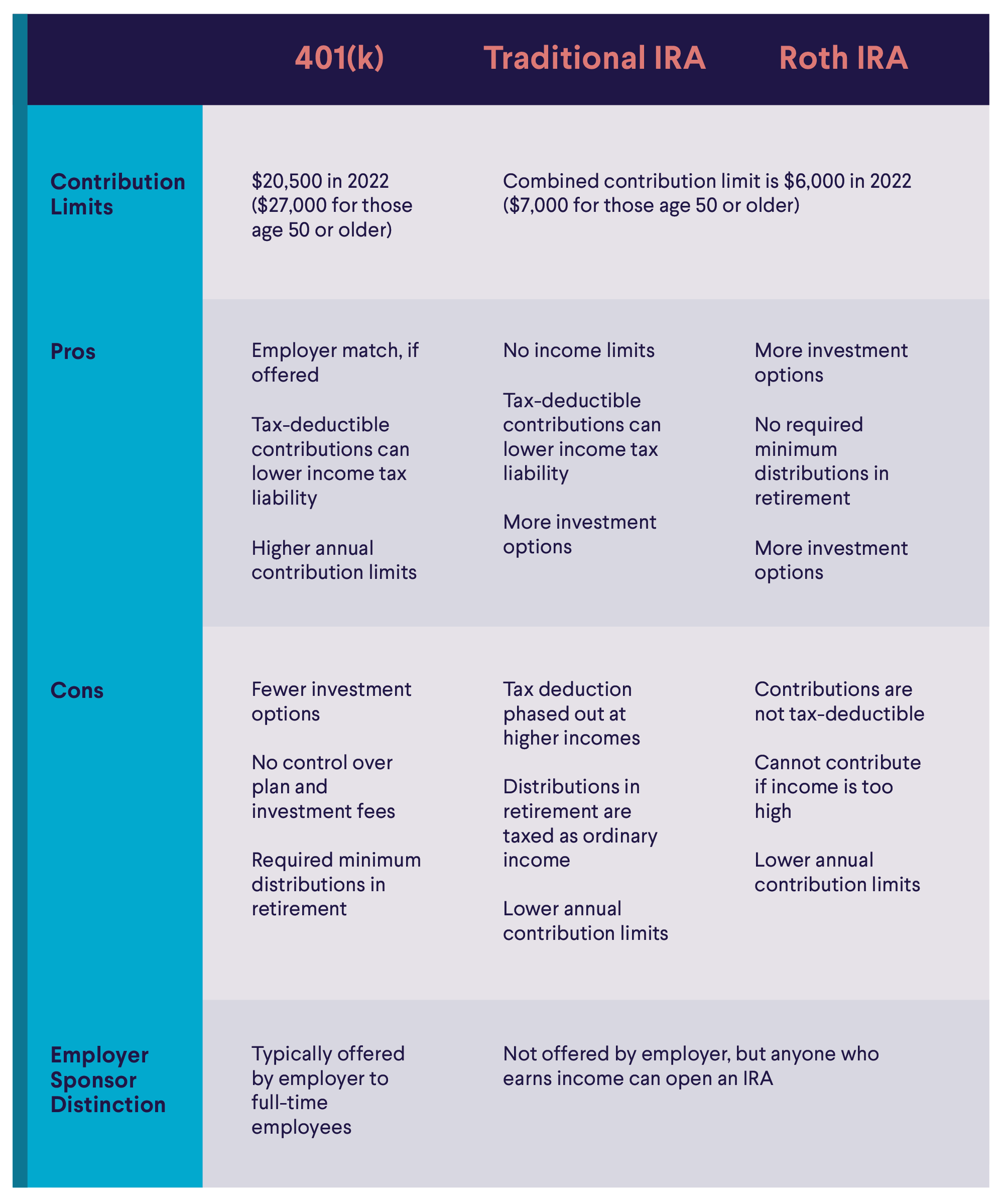
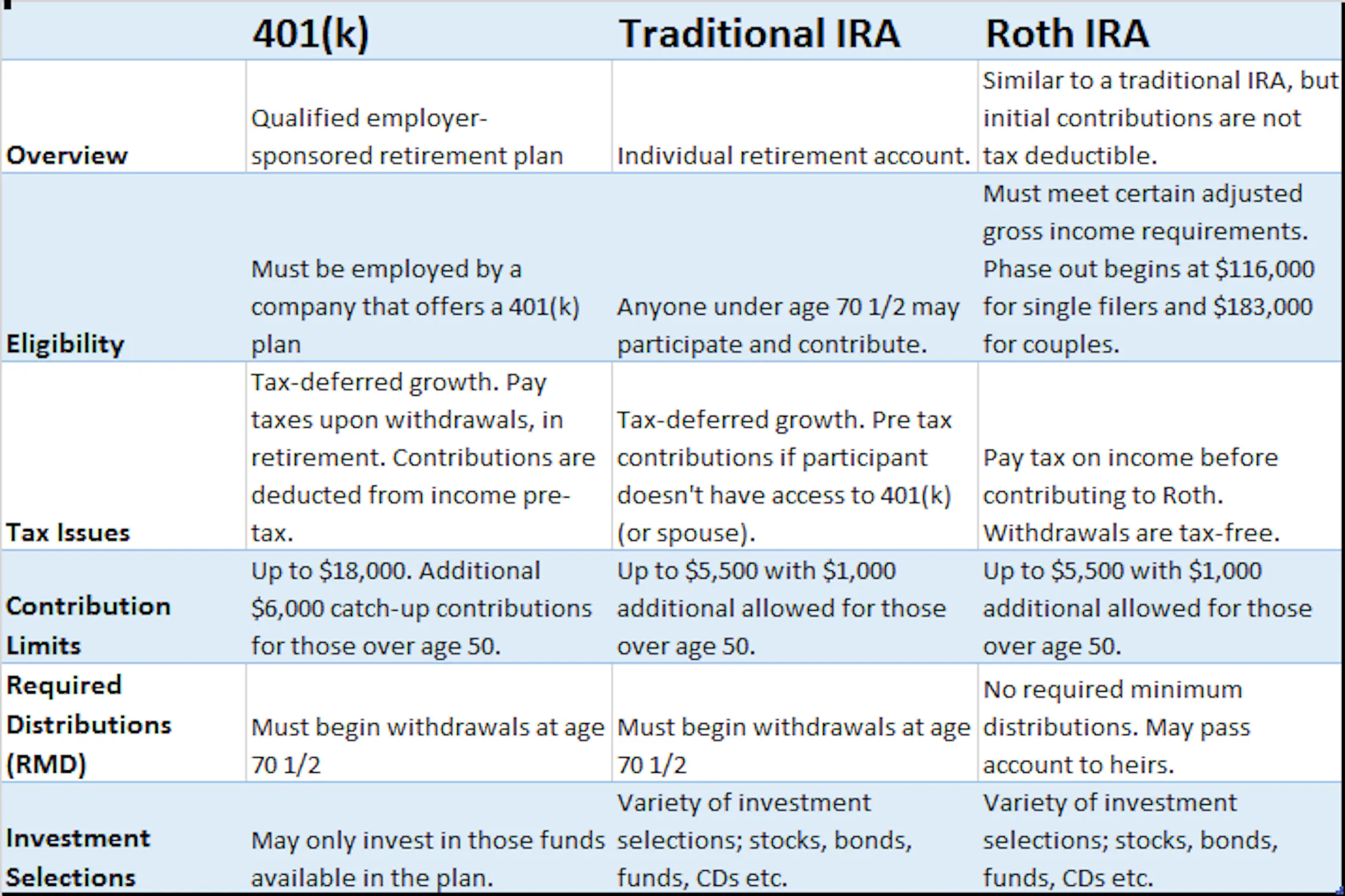
Most 401(k) plans offer a limited menu of 15 to 30 mutual funds or target-date funds. In contrast, an IRA opened through a major brokerage provides access to virtually the entire investable universe, including individual stocks, exchange-traded funds (ETFs), real estate investment trusts (REITs), and even certain precious metals. This allows for a more granular approach to asset allocation.
Lower Costs and Transparent Fees
401(k) plans often carry administrative "wrap fees" to cover the cost of record-keeping and compliance. When you move to an IRA, these institutional overhead costs disappear. While the underlying funds in your IRA still have expense ratios, you can choose ultra-low-cost index funds that are often unavailable in smaller corporate plans. Over a 20-year horizon, saving even 0.50% in annual fees can result in tens of thousands of dollars in additional retirement wealth.
Consolidating Multiple Accounts
The average American worker changes jobs roughly every four years. Over a career, this can lead to a "trail" of abandoned 401(k) accounts. Consolidating these into a single IRA simplifies your financial life, making it easier to track your overall asset allocation, manage Required Minimum Distributions (RMDs) later in life, and ensure your beneficiaries are correctly updated.
The Mechanics of the Move: Direct vs. Indirect Rollovers
How you move the money is just as important as where you move it. The IRS recognizes two primary methods, and choosing the wrong one can lead to a mandatory 20% tax withholding.
Direct Rollover (The Preferred Method)
In a direct rollover, the 401(k) plan administrator sends the funds directly to your new IRA custodian. This is often done electronically or via a check made payable to the new institution (e.g., "Fidelity FBO [Your Name]"). Because you never personally touch the money, there is no tax withholding, and the risk of missing IRS deadlines is virtually eliminated.
Indirect Rollover (The 60-Day Rule)
In an indirect rollover, the plan administrator sends the check directly to you. By law, the administrator is required to withhold 20% of the balance for federal income taxes. To avoid taxes and penalties, you must deposit the full amount of the original distribution (including the 20% that was withheld) into an IRA within 60 days. You would have to use personal savings to cover that 20% gap until you file your tax return and claim a refund. If you fail to complete this within 60 days, the entire distribution is treated as taxable income, and if you are under age 59½, you may owe a 10% early withdrawal penalty.
Strategic Tax Planning: Converting Traditional 401(k) to Roth IRA
In 2026, the strategic use of Roth accounts remains a cornerstone of tax-efficient retirement planning. Converting a Traditional 401(k) to a Roth IRA is a bold move that requires liquid cash to cover the tax liability.
Evaluating Your Current Tax Bracket
If you are in a lower income year—perhaps you are between jobs or have recently retired but haven't started Social Security—it may be an ideal time to convert. You would pay taxes at your current lower rate to enjoy tax-free growth forever. Conversely, if you are in your peak earning years, a conversion might be prohibitively expensive.
The "Backdoor" and "Mega Backdoor" Nuances
While the "Backdoor Roth" often involves IRAs, many 401(k) plans in 2026 allow for "Mega Backdoor" Roth conversions. This involves making after-tax contributions to a 401(k) and immediately rolling them over into a Roth IRA. This allows some taxpayers to shield significantly more than the standard IRA contribution limits from future taxation.
Step-by-Step Guide to the Rollover Process
Executing a 401(k) to IRA transfer involves a specific sequence of actions to ensure compliance and accuracy.
- Open your IRA Account: Before contacting your employer, you must have a destination account ready. Choose a brokerage (e.g., Vanguard, Charles Schwab, Fidelity) and open either a Traditional or Roth IRA.
- Request Rollover Paperwork: Contact your former employer's 401(k) administrator. Request a "Distribution Form" or "Rollover Election Form." Most large providers allow you to initiate this online.
- Specify the Delivery Method: Always request a Direct Rollover. Provide your new IRA account number and the mailing address of your new custodian.
- Liquidate or Transfer in Kind: Decide if you want to sell your current 401(k) holdings and move "cash," or if the new custodian can accept the same funds ("in-kind"). Most 401(k)s require liquidation into cash before the transfer.
- Monitor the Transfer: If a physical check is mailed to you (but made out to the custodian), forward it immediately to your brokerage. Do not endorse the back of the check.
- Confirm and Reinvest: Once the funds arrive in your IRA, they will likely sit in a "sweep" or money market account. You must manually select and purchase your new investments. The money is not automatically invested upon arrival.
Comparison: 401(k) vs. IRA Features in 2026
| Feature | 401(k) Plan | Individual Retirement Account (IRA) |
|---|---|---|
| Investment Selection | Limited to plan sponsor's menu. | Nearly unlimited (Stocks, ETFs, Bonds). |
| Fees | May include administrative and wrap fees. | Generally no account fees at major brokers. |
| Creditor Protection | High protection under federal ERISA law. | Protection varies by state law and bankruptcy. |
| Loan Provisions | Often allows loans up to $50,000. | Loans are strictly prohibited. |
| RMDs (Traditional) | Required at age 73-75 (based on birth year). | Required at age 73-75 (based on birth year). |
| Early Withdrawal | Age 55 rule may apply if leaving job. | Generally 10% penalty before 59½. |
Special Considerations and Pitfalls to Avoid
The Net Unrealized Appreciation (NUA) Strategy
If your 401(k) contains highly appreciated employer stock, do not roll it over blindly. Using the NUA rule, you can transfer the stock to a taxable brokerage account. You pay regular income tax only on the cost basis of the stock, while the appreciation is taxed at the lower long-term capital gains rate when sold. Rolling this stock into an IRA would cause the entire amount to eventually be taxed as ordinary income, potentially wasting a massive tax break.
The Age 55 Rule
If you leave your job in or after the year you turn 55, you can take penalty-free withdrawals from that specific 401(k). If you roll those funds into an IRA, you lose this "Age 55 Rule" benefit and must generally wait until age 59½ to access the money without a 10% penalty. If you need liquidity before 59½, keeping funds in the 401(k) may be the smarter move.
Creditor Protection
401(k) plans are governed by the Employee Retirement Income Security Act (ERISA), which provides robust protection against most creditors and legal judgments. IRAs have significant protection in bankruptcy (up to inflation-adjusted limits, currently over $1.5 million in 2026), but their protection against general lawsuits varies significantly from state to state. If you work in a high-liability profession, consult with legal counsel before moving assets out of an ERISA-protected plan.
Impact of the SECURE Act 2.0 in 2026
By 2026, several key provisions of the SECURE Act 2.0 are in full effect. Notably, the age for Required Minimum Distributions (RMDs) has shifted. For those born between 1951 and 1959, the RMD age is now 73; for those born in 1960 or later, it will eventually be 75.
Furthermore, 2026 marks a period where "catch-up" contributions for high-earners (those making over $145,000, adjusted for inflation) must be made into Roth accounts rather than traditional accounts. This emphasizes the shift toward Roth-style savings, making the conversion of an old 401(k) to a Roth IRA an even more relevant discussion for mid-career professionals.
Frequently Asked Questions
Can I roll over my 401(k) while I am still working?
This is known as an "in-service withdrawal." Not all plans allow it, and those that do often restrict it to employees over age 59½. You must check your Summary Plan Description (SPD) to see if your current employer allows you to move funds to an IRA while actively employed.
Is there a limit to how much I can roll over into an IRA?
No. Unlike annual contribution limits (which are $7,000 or $8,000 for those over 50 in 2026), there is no limit on the amount of money you can move from a 401(k) to an IRA via a rollover. You can move millions of dollars if that is what you have accumulated in your employer plan.
How long does the rollover process take?
Generally, the process takes two to four weeks. The delay usually stems from the former employer's administrative processing and the time it takes for a check to travel through the mail. Digital transfers between major institutions are becoming more common in 2026 and can sometimes be completed in under a week.
What happens to my 401(k) loan if I do a rollover?
If you have an outstanding loan against your 401(k), you typically must repay it in full before you can roll over the remaining balance. If you cannot repay the loan, the outstanding balance is considered a "deemed distribution," and it will be taxed as income and potentially subject to an early withdrawal penalty.
Can I roll a 401(k) into a Roth IRA if I make too much money?
Yes. There are no income limits for rollovers or conversions. Even if your income prevents you from making a direct contribution to a Roth IRA, you are legally permitted to convert an existing 401(k) balance into a Roth IRA regardless of your tax bracket.
Summary of Next Actions
Moving a 401(k) to an IRA is a powerful way to take control of your financial future. To begin, evaluate your current 401(k) fees and investment performance. If you decide to proceed, open an IRA with a reputable brokerage first to ensure a smooth "direct" transfer. Consult with a tax professional if you are considering a Roth conversion, as the tax bill in 2026 could be substantial. Always double-check that your new IRA funds are actually invested once the transfer is complete, rather than sitting in cash.
Disclaimer: This article is for informational purposes only and does not constitute legal, tax, or financial advice. Tax laws are subject to change, and individual circumstances vary. Always consult with a qualified financial advisor or tax professional before making significant changes to your retirement accounts.