A 40-inch TV is an ideal choice for small to mid-sized living rooms where the viewing distance is between 3.5 and 5.5 feet. While larger screens dominate the market in 2026, the 40-inch class offers a strategic balance of affordability and space-saving utility, making it perfect for urban apartments, minimalist designs, or dedicated secondary viewing areas.
The Role of the 40-Inch TV in the 2026 Living Room
In the current landscape of 2026, home entertainment has branched into two distinct directions: the immersive "home cinema" experience requiring 75-inch-plus screens, and the "integrated lifestyle" approach. The 40-inch television falls firmly into the latter. It is no longer the gargantuan centerpiece it was two decades ago; instead, it serves as a sophisticated utility.
For many homeowners, a 40-inch display is the "Goldilocks" size. It is large enough to provide a clear, high-definition (HD) or 4K Ultra HD (UHD) experience for movies and gaming, yet small enough to be obscured or integrated into cabinetry without overwhelming the room's decor. In smaller living spaces, such as studio apartments or "tiny homes" which have seen a resurgence in 2026, a 40-inch screen provides an appropriately scaled focal point that respects the architectural proportions of the room.
Furthermore, the technology within the 40-inch category has matured. While manufacturers previously reserved high-end features for 55-inch models and above, the 2026 market includes 40-inch units with advanced LED backlighting, high refresh rates for gaming, and sophisticated smart TV operating systems. This makes the 40-inch TV a viable primary screen for those who prioritize room aesthetics over raw screen real estate.
Assessing Physical Dimensions and Viewing Distances
Before purchasing a 40-inch TV for your living room, it is essential to understand the physical footprint. A "40-inch" designation refers to the diagonal measurement of the screen itself. When you account for the bezels—the frame around the glass—the actual width of the device is typically between 35 and 36 inches, with a height of roughly 20 to 22 inches (excluding the stand).
Calculating the Ideal Viewing Distance
One of the most frequent mistakes in living room design is placing the seating too far from a smaller screen, leading to eye strain and a loss of detail. In 2026, with 4K resolution being the baseline for mid-range 40-inch models, the pixels are so small that you can sit much closer than was recommended during the 1080p era.
To calculate the optimal distance, use the following guidelines:
- For 4K UHD Models: Multiply the screen size by 1 to 1.5. For a 40-inch TV, this places your seating between 3.3 feet and 5 feet away.
- For 1080p (Full HD) Models: Multiply by 1.5 to 2.5. This suggests a distance of 5 to 8.3 feet.
Sitting within these ranges ensures that your field of vision is sufficiently filled, providing an immersive experience without the "screen door effect" where individual pixels become visible. If your living room layout forces you to sit more than 9 feet away, a 40-inch screen will likely feel too small, and a 50-inch or 55-inch model would be a more appropriate investment.
Technical Specifications to Prioritize in 2026
When shopping for a 40-inch television, the technical landscape is more complex than it appears. Because this size is often viewed as "entry-level," some manufacturers may cut corners on panel quality. To ensure your living room setup remains relevant through the late 2020s, prioritize the following specifications.
Resolution: 4K vs. 1080p
While 8K exists in 2026, it is practically useless at the 40-inch scale because the human eye cannot discern the additional detail on such a small surface. However, the jump from 1080p to 4K is noticeable, especially if you use the TV for gaming or as a secondary monitor. Look for 4K Ultra HD to future-proof your purchase, though 1080p remains acceptable for casual news and sitcom viewing.
High Dynamic Range (HDR)
HDR is arguably more important than resolution. It dictates the contrast between the darkest blacks and the brightest whites. In a living room with windows, a TV with high peak brightness and HDR10+ or Dolby Vision support will prevent the image from looking washed out during daylight hours.
Refresh Rate and Connectivity
For a living room TV that might double as a gaming hub for consoles like the PlayStation 5 or the latest 2026 hardware iterations, look for a 60Hz or 120Hz refresh rate. Ensure the TV has at least three HDMI 2.1 ports. HDMI 2.1 is critical for features like Auto Low Latency Mode (ALLM) and Enhanced Audio Return Channel (eARC), which allows you to send high-quality audio to a soundbar with a single cable.
| Feature | 40-Inch Budget Model | 40-Inch Premium Model |
|---|---|---|
| Resolution | 1080p (Full HD) | 4K (Ultra HD) |
| Panel Type | Standard LED | QLED or OLED |
| HDR Support | HDR10 (Basic) | Dolby Vision / HDR10+ |
| Smart OS | Basic Proprietary | Google TV / WebOS / Tizen |
| Best For | Kitchens / Guest Rooms | Main Living Room (Small) |
| Refresh Rate | 60Hz | 120Hz |
Design and Placement Strategies for the Living Room
The aesthetic integration of a 40-inch TV is where many homeowners find the most success. Because the device is relatively lightweight (usually between 15 and 25 pounds), it offers placement flexibility that larger 85-inch "monsters" do not.
Wall Mounting vs. Media Consoles
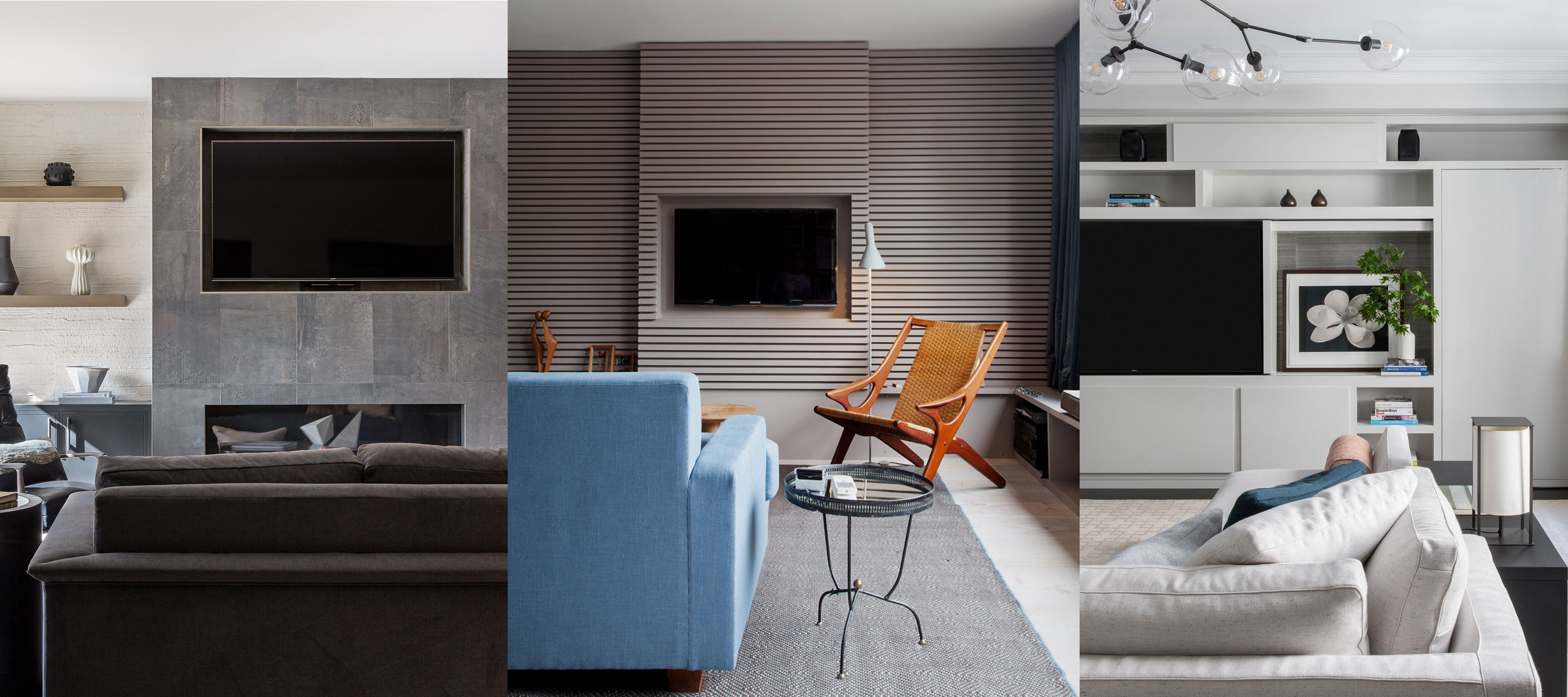
Mounting a 40-inch TV on the wall is an excellent way to save floor space in a compact living room. When mounting, the center of the screen should be at eye level when you are seated. A common mistake is the "fireplace mount," where the TV is placed too high, leading to neck strain. If you must place it above a mantel, use a "mantel mount" that can pull down to a comfortable viewing height.
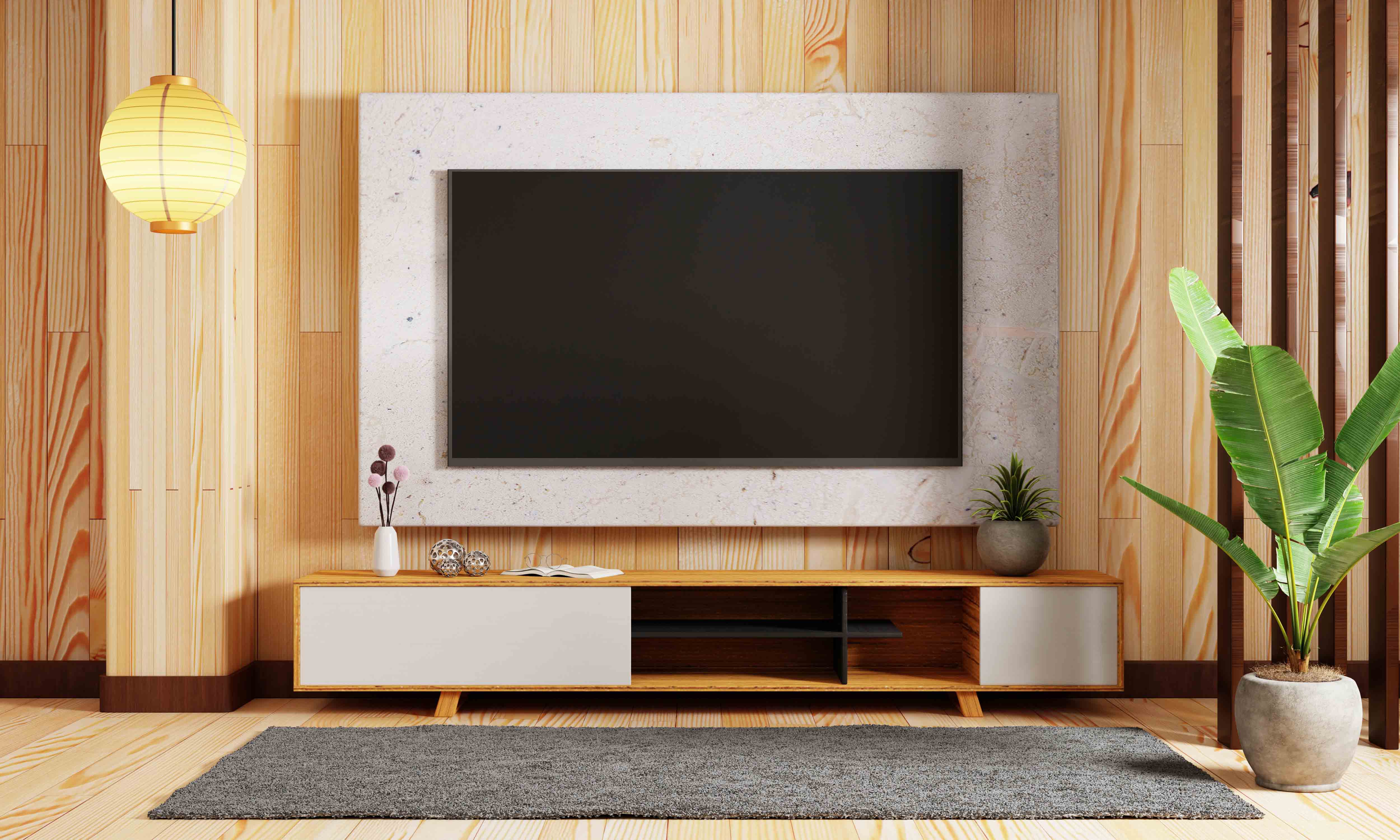
If you prefer a media console, a 40-inch TV allows for a shorter stand, which leaves room on the ends for decorative items like plants, books, or speakers. This helps the TV blend into the room's decor rather than standing out as a stark black rectangle.
Cable Management
In 2026, a clean look is paramount. Even a small TV looks cluttered if wires are dangling. Use in-wall cable routing kits or decorative cable raceways that can be painted to match your wall color. For those who rent and cannot drill into walls, "gravity stands" or specialized furniture with built-in cord management are effective alternatives.
The "Art Mode" Trend
Many 40-inch TVs now feature an "Art Mode" or "Gallery Mode." When the TV is not in use, it displays high-resolution artwork or family photos at a low brightness level, mimicking a framed picture. This is particularly effective for 40-inch screens because their size is similar to standard large-format wall art, making the illusion much more convincing than it would be with a 75-inch screen.
Audio Enhancements: Overcoming the Slim Design
As televisions have become thinner, the space available for internal speakers has vanished. A 40-inch TV in a living room will almost always suffer from "tinny" audio because the drivers are small and usually downward-firing.
To complete your living room setup, consider a compact soundbar. In 2026, many soundbars are designed specifically for the 35-inch width of a 40-inch TV. Look for a model with a dedicated center channel for clear dialogue. If you want to avoid a separate subwoofer, choose a "single-unit" soundbar with integrated bass ports. This maintains the minimalist footprint while significantly upgrading the cinematic experience.
Smart Ecosystems and Voice Integration
A living room TV in 2026 is rarely just a display; it is a smart home hub. When selecting your 40-inch model, consider which ecosystem you already use.
- Google TV / Android TV: Best for those deep in the Google/Nest ecosystem, offering excellent voice search and app availability.
- Samsung Tizen / LG WebOS: These offer robust "Smart Home" dashboards that allow you to control your lights, thermostat, and security cameras directly from the TV screen.
- Apple AirPlay 2 and HomeKit: Essential for iPhone users who want to "cast" content or integrate the TV into Apple’s Home app.
Having a 40-inch screen that responds to voice commands—such as "Hey Google, dim the living room lights and play Netflix"—adds a layer of luxury to a small-space setup that belies the TV's modest size.
Common Mistakes to Avoid
- Ignoring Glare: Small living rooms often have windows in close proximity to the TV. Check the "nits" (brightness) rating of the TV. A rating of 500 nits or higher is recommended for bright rooms to combat glare.
- Poor Viewing Angles: If your living room has a sectional sofa or multiple seating areas, ensure the TV has an IPS (In-Plane Switching) panel or an OLED screen. Budget "VA" panels often lose color accuracy and contrast when viewed from the side.
- Overcomplicating Connectivity: For a 40-inch setup, simplicity is often best. Avoid bulky AV receivers unless you are a dedicated audiophile. An eARC-enabled soundbar is usually sufficient for this scale.
Frequently Asked Questions
Is a 40-inch TV too small for a living room in 2026?
It depends entirely on the viewing distance. If your sofa is within 5 to 6 feet of the screen, a 40-inch TV provides an excellent experience. However, for large, open-concept living rooms where the seating is 10 feet away or more, a 40-inch screen will feel undersized and may cause eye strain.
Can I use a 40-inch TV as a computer monitor in my living room?
Yes, this is a popular use case in 2026 for "hybrid" living rooms. Because 40-inch TVs are large but manageable, they work well for people who work from home and want to use their living room screen for productivity. Ensure the TV supports "4:4:4 Chroma Subsampling" to keep text crisp and clear.
Does a 40-inch TV support 120Hz for gaming?
While 120Hz is standard on larger premium models, it is rarer in the 40-inch size. However, by 2026, several "gaming-focused" 40-inch and 42-inch models (particularly OLEDs) have entered the market specifically for users who want high performance in a smaller form factor.
What is the difference between a 40-inch and a 43-inch TV?
In the manufacturing world, 43-inch panels are more common because they are cut more efficiently from large glass sheets. You will often find more "premium" features (like better HDR and 4K) on 43-inch models. If your living room furniture can accommodate the extra 2.5 inches of width, a 43-inch TV often provides better value.
Are there OLED TVs in the 40-inch size?
As of 2026, 42-inch OLEDs are the standard "small" premium size. While true 40-inch OLEDs are less common, the 42-inch models are often marketed to the same audience. These offer the best picture quality, perfect blacks, and wide viewing angles, making them the top choice for high-end small living rooms.
Final Recommendation
For a living room in 2026, the 40-inch TV remains a powerful tool for those who value space efficiency and design integration. To get the most out of this size, ensure your seating is positioned approximately 4 to 5 feet away and prioritize a model with 4K resolution and HDR support. By pairing the screen with a compact soundbar and utilizing wall-mounting or "Art Mode" features, you can create a sophisticated entertainment hub that enhances your living space without dominating it.