Choosing the best life insurance policy requires aligning your coverage with specific financial obligations and long-term goals. By utilizing strategies such as the DIME formula, the income replacement method, lifecycle milestone planning, or a comparative cost-benefit analysis of policy structures, you can secure a plan that provides optimal protection for your beneficiaries.
Life insurance is not a one-size-fits-all financial product. In 2026, the landscape of personal finance continues to evolve, with shifting interest rates, varying inflation impacts, and a diverse array of digital-first and traditional insurance carriers. Selecting the "best" policy is less about finding a specific brand and more about identifying a structure—whether term, whole, or universal—that matches your unique risk profile and liquidity needs.
The following four strategies represent the most effective, evidence-based methods for evaluating and selecting a life insurance policy that serves your family’s needs without over-extending your monthly budget.
1. The DIME Method: A Comprehensive Needs-Based Analysis
The DIME method remains the gold standard for individuals who want a mathematically grounded approach to death benefit calculation. DIME is an acronym for Debt, Income, Mortgage, and Education. By totaling these four pillars of financial responsibility, you can arrive at a coverage amount that covers every critical base.
Debt and Final Expenses
The "D" in DIME focuses on immediate obligations. This includes credit card balances, personal loans, and student debt that does not offer a death discharge. Furthermore, it covers "final expenses," such as funeral costs and medical bills not covered by health insurance. In 2026, the average cost of a traditional funeral often exceeds $12,000, making it a non-trivial part of the calculation. Failing to account for these immediate liquidity needs can leave your family scrambling to cover costs during a period of grief.
Income Replacement
The "I" stands for income replacement. This is perhaps the most vital component. You must determine how many years your family will need to replace your salary to maintain their current standard of living. If you are the primary breadwinner for a family with young children, you might look at replacing 10 to 15 years of income. This fund acts as a safety net, allowing your spouse or partner to cover daily expenses, utilities, and grocery bills without the immediate pressure of returning to or increasing their workload.
Mortgage Liquidation
The "M" addresses the largest debt most households carry. A primary goal of life insurance is often to ensure that the family can remain in their home. By including the full remaining balance of your mortgage in your policy amount, you ensure that your beneficiaries can pay off the loan entirely. This eliminates the largest monthly expense for the household, significantly reducing the amount of "Income Replacement" (the "I" in DIME) actually required.
Education Costs
Finally, the "E" represents the future cost of education for your children. With the cost of higher education continuing to rise in 2026, estimating these future expenses is critical. You should factor in tuition, room, board, and books for each child. By "pre-funding" this through a life insurance policy, you guarantee that your children’s educational opportunities remain intact regardless of your presence.
2. The Income Replacement Multiplier Method
For those seeking a simpler, more streamlined approach, the Income Replacement Multiplier is a widely utilized heuristic. While less granular than the DIME method, it provides a high-level view of how much capital is required to generate a sustainable "synthetic salary" for your heirs.
The Standard Multiplier
Traditional financial planning often suggests a death benefit equal to 10 to 12 times your annual gross income. The logic is based on the concept of Capital Conservation. If a beneficiary receives a $1,000,000 payout and invests it with a conservative 5% annual return, they can effectively draw a $50,000 "salary" indefinitely without ever touching the principal. In 2026's economic environment, where market volatility must be considered, a higher multiplier—perhaps 15 times income—may be more appropriate to account for inflation and lower-risk investment yields.
Accounting for Stay-at-Home Parents
A common mistake in the multiplier method is failing to insure non-earning spouses. While a stay-at-home parent may not have a "gross income," the services they provide—childcare, household management, transportation—have a massive market replacement cost. To pick the best policy for a non-earning spouse, you should calculate the annual cost of hiring professional services for these tasks and apply the same 10-12x multiplier.
Adjusting for Age and Tenure
Your age significantly influences the multiplier you should use. A 30-year-old with 35 years of earning potential ahead of them needs a much larger multiplier than a 55-year-old nearing retirement. As you age, your "Human Life Value"—the total amount of money you are expected to earn during your remaining working years—decreases, allowing you to opt for smaller policies or shorter terms.
3. Lifecycle and Milestone Planning
The third way to pick the best policy is to align the duration and type of insurance with specific life milestones. This approach often involves "laddering" policies to ensure you are never over-insured or under-insured as your needs change over time.
Matching Term Lengths to Obligations
Term life insurance is the most cost-effective way to get high coverage amounts. To pick the right policy, match the "term" to your longest debt. For example, if you just took out a 30-year mortgage, a 30-year term policy is logical. However, if your primary concern is your children reaching adulthood, a 20-year term might suffice.
The Concept of "Laddering"
Instead of buying one giant $2 million policy, some savvy consumers buy multiple smaller policies with different expiration dates. You might buy:
- A $1,000,000 30-year term policy for the mortgage.
- A $500,000 20-year term policy for the children’s school years.
- A $250,000 10-year term policy for immediate high-expense years.
This "laddering" strategy ensures that as your debts decrease (as the mortgage is paid down and children leave the nest), your total premium costs also decrease because policies are allowed to expire.
Evaluating Conversion Options
A "best" policy is one that offers flexibility. Many term policies in 2026 include a conversion rider. This allows you to turn a portion of your temporary term insurance into permanent insurance (like Whole Life) without undergoing a new medical exam. This is a crucial feature if your health declines during the term, as it guarantees you can maintain some level of coverage for the rest of your life.
4. Cost-Benefit and Policy Structure Comparison
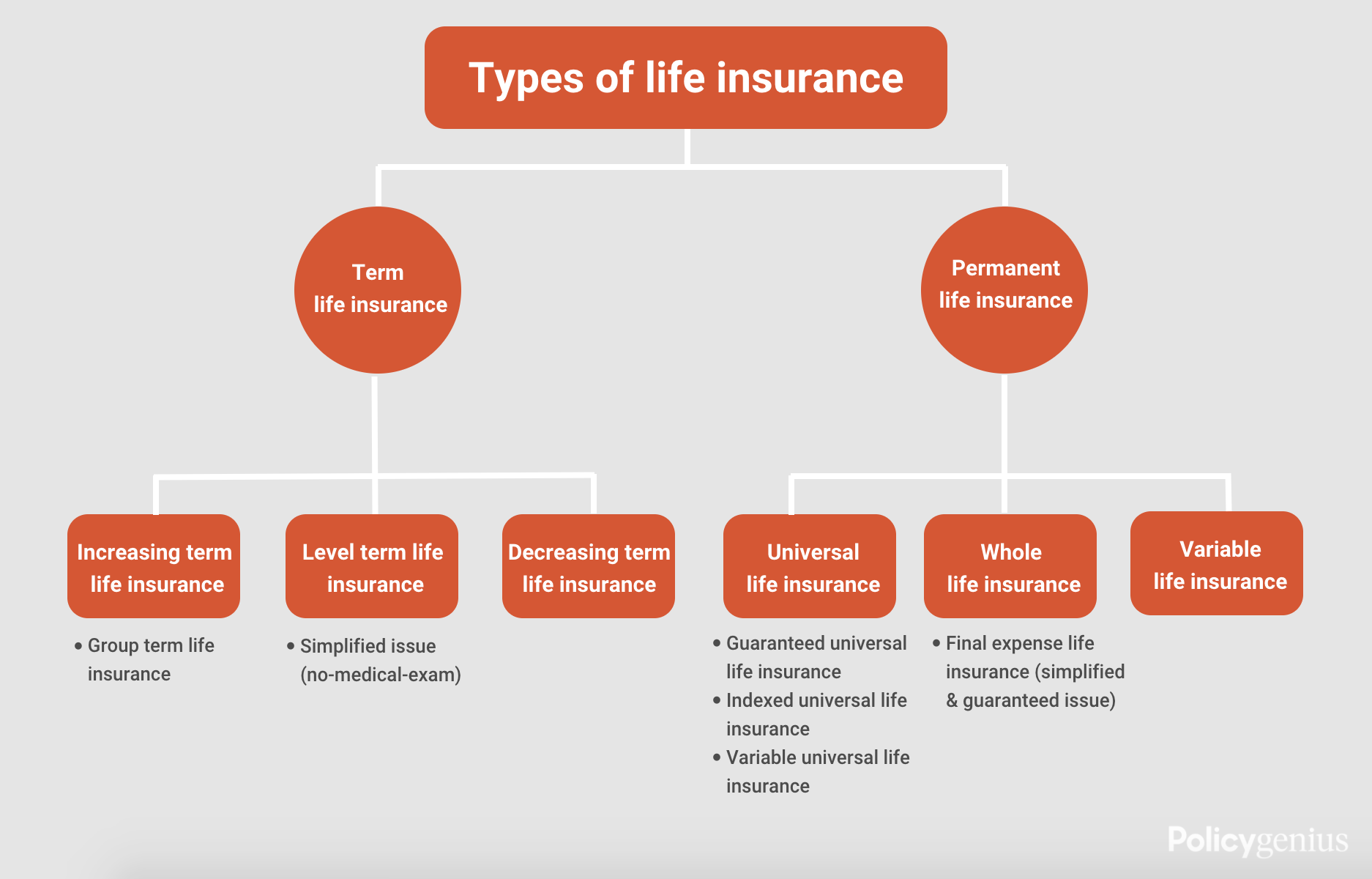
The fourth strategy involves a deep dive into the technical structure of the policy itself. To pick the best policy, you must decide between Term, Whole, Universal, and Variable options based on your risk tolerance and the role you want insurance to play in your broader financial portfolio.
Term vs. Permanent Insurance
The primary debate is usually between Term and Permanent insurance. Term insurance is pure protection; it pays out only if you die during the term. Permanent insurance (Whole, Universal) includes a cash value component that grows over time and can be borrowed against or withdrawn.
| Feature | Term Life Insurance | Whole Life Insurance | Universal Life Insurance |
|---|---|---|---|
| Duration | Fixed period (10-30 years) | Entire lifetime | Entire lifetime |
| Premiums | Low and usually fixed | High and fixed | Flexible premiums |
| Cash Value | None | Guaranteed growth | Variable based on interest |
| Complexity | Simple / Low | Moderate | High |
| Best For | Debt protection/Income replacement | Estate planning/Lifelong coverage | Flexibility/Wealth transfer |
Assessing Financial Strength Ratings
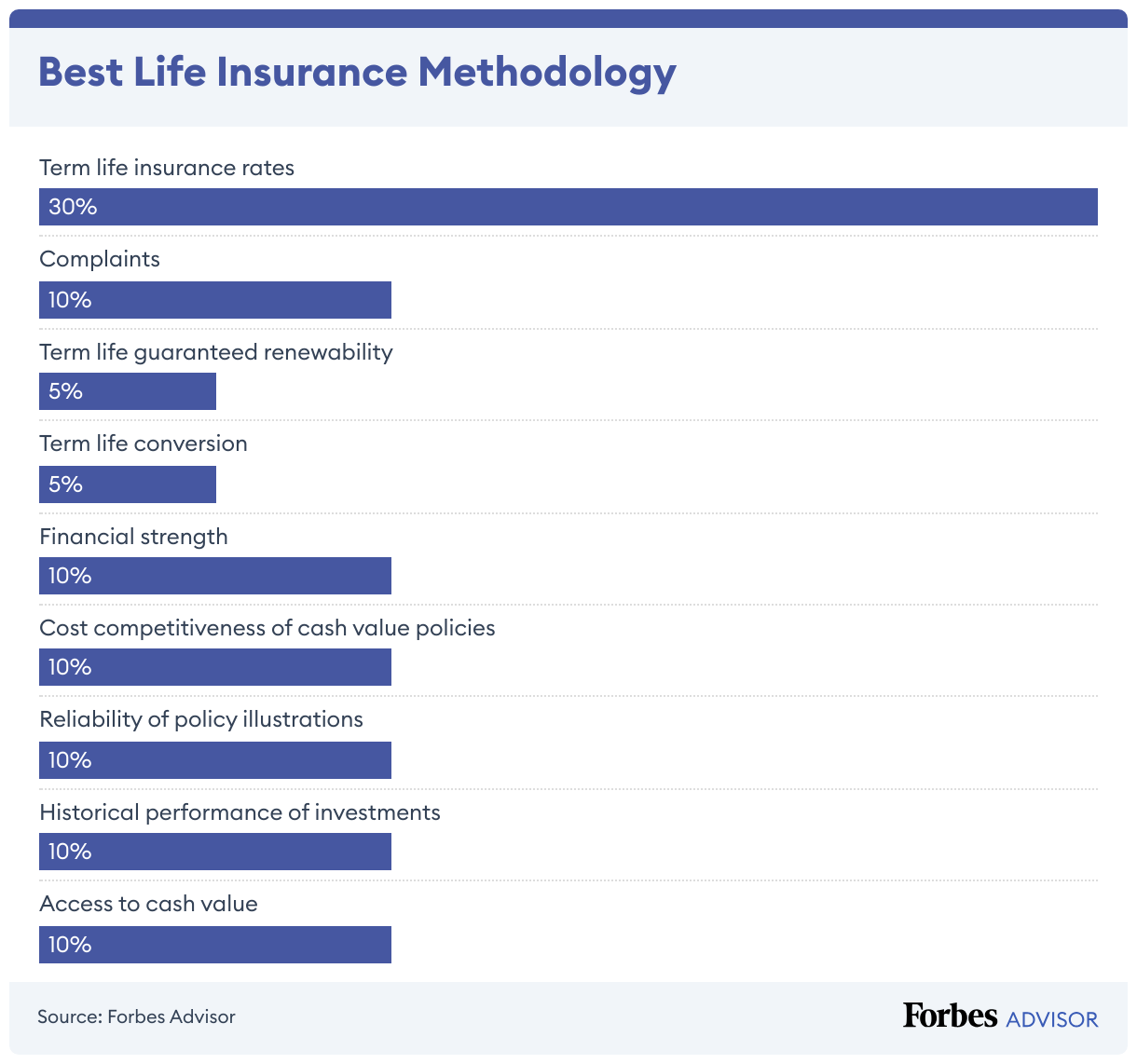
You aren't just buying a contract; you are buying a promise that the company will be solvent decades from now. To pick the best policy, check the financial strength ratings from independent agencies like AM Best, Fitch, Moody’s, or Standard & Poor’s. A company with an "A++" or "A+" rating from AM Best is far more likely to fulfill its obligations in 2026 and beyond than a lower-rated carrier.
Reviewing Policy Riders
The "best" policy often comes down to the "riders" or add-ons included in the contract. Common riders to look for in 2026 include:
- Accelerated Death Benefit: Allows you to access a portion of the death benefit if you are diagnosed with a terminal or chronic illness.
- Waiver of Premium: Pays your premiums for you if you become totally disabled and cannot work.
- Child Term Rider: Provides a small amount of coverage for your children under your own policy.
Understanding the Underwriting Process
Once you have chosen a strategy, the final step in "picking" the best policy is navigating underwriting. This is the process where the insurance company evaluates your health, lifestyle, and history to determine your premium.
In 2026, many companies utilize accelerated underwriting, which uses algorithmic data (pharmacy records, motor vehicle reports, and credit data) to issue policies without a physical medical exam. If you are in excellent health, seeking out a carrier that uses this technology can result in a policy being issued in hours rather than weeks. However, if you have pre-existing conditions, a traditional fully underwritten policy—where you provide a blood sample and medical records—is often the "best" choice because it allows a human underwriter to see the nuance of your health management, potentially leading to lower rates than an algorithm would provide.
Common Mistakes to Avoid
Even with a solid strategy, it is easy to make errors that undermine your financial security.
- Waiting Too Long: Life insurance premiums are based primarily on age and health. Every year you wait, the cost increases. Furthermore, a sudden change in health can make you uninsurable or move you into a higher-risk category.
- Over-Prioritizing "Cash Value": Many people are sold on Whole Life insurance as an "investment." While it has its place in high-net-worth estate planning, for the average family, the high premiums of Whole Life often result in them being under-insured. Buying a larger Term policy and investing the difference in a brokerage account often yields better results.
- Ignoring Group Life Insurance Limits: Many employers offer life insurance as a benefit. While this is a great "extra," it is rarely enough to cover a family's full needs, and more importantly, it is usually not portable. If you lose or change your job, you lose the coverage. Always maintain a private policy independent of your employer.
- Neglecting Beneficiary Reviews: A policy is only as good as its execution. You must review your beneficiaries every few years, especially after major life events like marriage, divorce, or the birth of a child.
Frequently Asked Questions
Is term life insurance better than whole life in 2026?
For the majority of people, term life insurance is the superior choice because it provides the maximum amount of coverage for the lowest possible cost during the years when financial obligations (like mortgages and child-rearing) are highest. Whole life insurance is typically reserved for those with specific estate planning needs or those who have already maximized all other tax-advantaged investment vehicles.
How does inflation affect how much life insurance I need?
Inflation erodes the purchasing power of the death benefit over time. If you calculate a need for $1,000,000 today, that amount may only cover $700,000 worth of expenses in twenty years. To account for this, many financial planners recommend adding a "buffer" of 3-4% per year to your total calculation or choosing a policy with an inflation protection rider.
Can I have multiple life insurance policies?
Yes, you can hold multiple policies from different carriers simultaneously. This is often part of a laddering strategy, where different policies are timed to expire as different debts are paid off. Insurance companies will, however, check your total "in-force" coverage during underwriting to ensure the total amount is reasonable relative to your income and net worth.
What happens if I outlive my term life insurance policy?
If you outlive your term policy, the coverage simply ends, and no death benefit is paid. Some policies offer a "Return of Premium" (ROP) rider, which refunds your premiums at the end of the term, but these riders significantly increase the monthly cost. A better option is often to look for a policy with a conversion feature, allowing you to keep some coverage if your health has declined.
Do I need a medical exam to get the best rates?
While no-exam policies are convenient, "fully underwritten" policies (which include a medical exam) often still offer the lowest premiums for individuals in very good health. The exam provides the insurance company with more certainty, allowing them to offer more competitive "Preferred Plus" rates that automated systems might not trigger.
What is the "Free Look" period?
Most states mandate a "Free Look" period, usually lasting 10 to 30 days after the policy is delivered. During this time, you can cancel the policy for any reason and receive a full refund of any premiums paid. This is a vital safety net that allows you to review the fine print of the contract before fully committing.
Final Recommendation
To pick the best life insurance policy, start by calculating your total financial obligations using the DIME method. Once you have a target death benefit, compare 20-year and 30-year term quotes from at least three highly-rated (A or better) carriers. Prioritize policies that include a conversion rider and an accelerated death benefit. By focusing on high coverage amounts and low premiums during your peak years of liability, you ensure your family’s standard of living is protected without compromising your current financial flexibility.