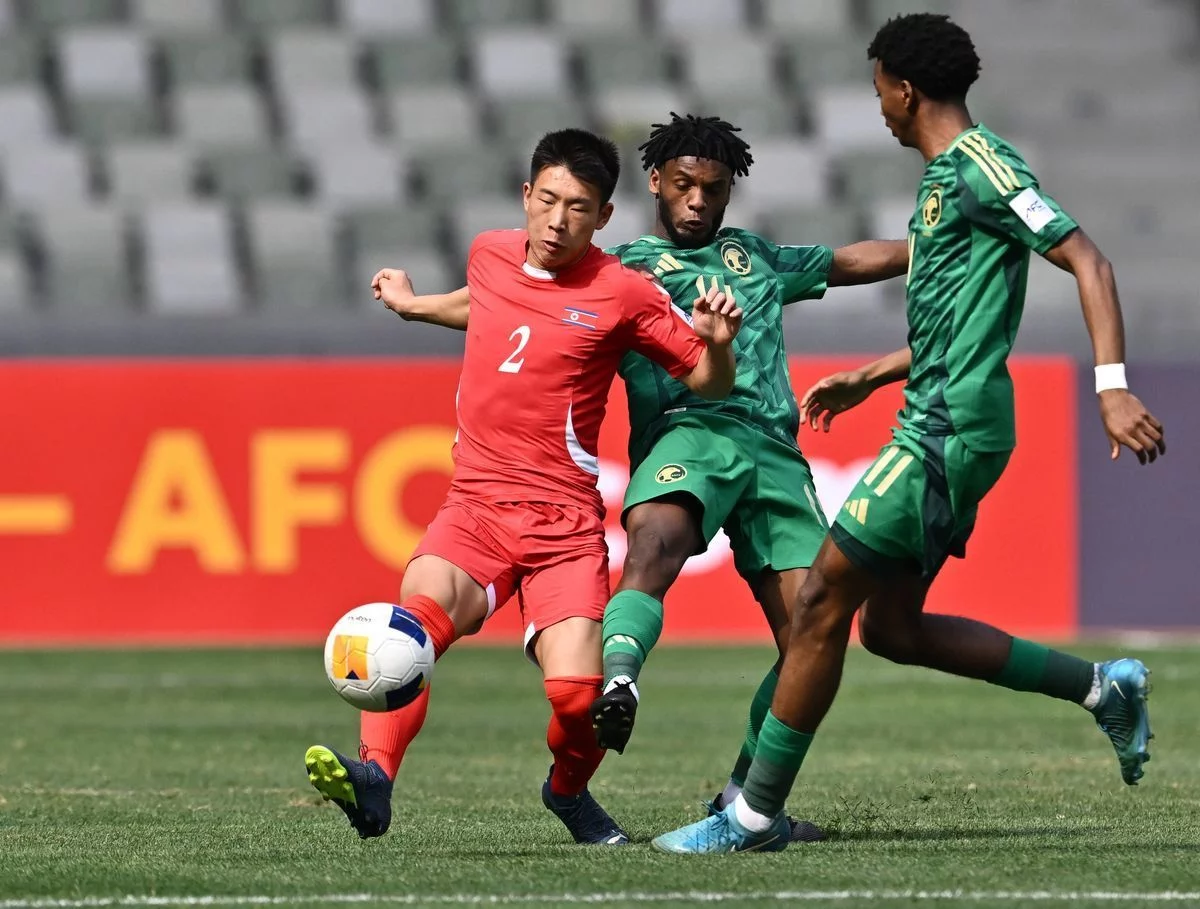
International Under-20 rugby competitions represent the absolute pinnacle of youth development in the sport, bringing together twenty-two elite nations to compete for global supremacy. These marquee tournaments showcase future international test stars, test tactical innovations under intense pressure, and provide a vital stepping stone for young athletes transitioning from academy structures to senior professional rugby.
The Landscape of Global Under-20 Rugby Tournaments
Global Under-20 rugby is structured primarily around two flagship competitions organized by World Rugby: the prestigious World Rugby U20 Championship and the World Rugby U20 Trophy. While the top-tier Championship features twelve elite nations competing for the ultimate title, the broader global ecosystem involves dozens of countries participating in regional qualifiers, developmental fixtures, and promotion-relegation pathways. When sports analysts speak of "22 nations vie for world u20 glory," they capture the expansive multi-tiered framework where dozens of federations chase qualification, promotion, and international glory across the U20 landscape.
Understanding this landscape requires looking at how federations allocate resources, run high-performance academies, and build depth. The journey to international dominance begins years before players pull on the national jersey for a World Rugby tournament. National unions invest heavily in age-grade pathways, ensuring that players aged 18 to 20 receive elite coaching, sports science support, and competitive exposure.
Tiered Competition Structure
The global governing body structures age-grade competition to ensure meaningful matches and competitive balance. The two primary pillars of this structure are:
- World Rugby U20 Championship: The premier tier featuring twelve of the world's best-performing unions, divided into pool stages followed by placement and knockout matches.
- World Rugby U20 Trophy: The secondary tier featuring eight nations (expanding or shifting based on regional qualification cycles), where the winner earns promotion to the Championship for the subsequent year.
- Regional Tournaments: Six Nations Under-20 Six Nations, Rugby Europe U20 Championship, and Rugby Americas North/South America Rugby competitions act as crucial qualification gateways, expanding the total pool of active competing nations past the magic number of twenty-two.
Qualification Pathways and Regional Competitions
Getting twenty-two or more nations actively competing for world U20 glory relies on a complex web of regional tournaments. Unions cannot simply register for the top-tier World Rugby U20 Championship; they must earn their place through fierce regional competition or promotion from the U20 Trophy.
In Europe, the Six Nations Under-20 Championship acts as a grueling annual proving ground for traditional powerhouses like France, England, Ireland, Wales, Scotland, and Italy. Simultaneously, Rugby Europe runs championships for developing tier-two and tier-three nations. Across the globe, Oceania Rugby, Rugby Africa, Asia Rugby, and Sudamérica Rugby host regional qualifiers. The winner of the World Rugby U20 Trophy each year replaces the relegated team from the Championship, maintaining a dynamic, merit-based ecosystem.
Key Qualification Milestones
- Domestic Academy Selection: Players are scouted from regional academies and club structures.
- Regional Championship Participation: National sides compete in continental tournaments (e.g., Rugby Europe U20, Rugby Americas).
- Trophy Qualification: Regional winners advance to the World Rugby U20 Trophy.
- Championship Promotion: The Trophy winner ascends to the elite 12-team Championship.
High-Performance Development and Academy Structures
The pursuit of U20 glory is not merely about winning a single trophy; it serves as a litmus test for a nation's entire rugby pipeline. Nations that consistently perform well at the under-20 level typically boast robust, alignment-driven domestic structures where clubs and the national union collaborate closely.
For instance, major rugby nations embed their under-20 players into professional club environments early. Players regularly feature in senior academy leagues, Premiership Rugby Cup matches, or United Rugby Championship developmental fixtures long before stepping onto the international U20 stage. This professionalization ensures that when twenty-two nations assemble their squads, the physical conditioning, tactical comprehension, and mental resilience match senior international standards.
Core Elements of Elite U20 Development
- Medical and Sports Science Support: Advanced injury prevention, GPS tracking, and nutritional monitoring tailored to growing bodies.
- Tactical Sophistication: Implementation of senior national playbook concepts to ease the eventual transition to test rugby.
- Psychological Resilience: Coping mechanisms for tournament fatigue, media scrutiny, and high-stakes knockout rugby.
Comparative Overview of U20 Competition Tiers
To understand how nations vie for glory, it is essential to compare the structural differences between the elite Championship tier and the developmental Trophy tier.
| Tournament Feature | World Rugby U20 Championship | World Rugby U20 Trophy |
|---|---|---|
| Number of Participating Teams | 12 elite nations | 8 competitive nations |
| Promotion / Relegation | Bottom team is relegated to the Trophy | Winner is promoted to the Championship |
| Match Intensity & Pace | Extremely high; resembles professional test rugby | High tactical variety; physical and developmental focus |
| Broadcast & Global Reach | Extensively televised globally | Broadcast via regional streams and World Rugby platforms |
| Hosting Model | Hosted by a single member union with government backing | Rotated globally to develop infrastructure in emerging nations |
The Transition from U20 Glory to Senior Test Rugby
The ultimate metric of success in youth rugby is not just hoisting a trophy, but producing test-ready players for the senior national team. Historical data from World Rugby demonstrates that a vast majority of players appearing in senior Rugby World Cups previously represented their countries at the U20 level.
The physical demands of modern rugby mean that under-20 players must possess exceptional attributes: front-rowers must handle professional scrummaging loads, loose forwards must cover immense ground with high collision frequencies, and halfbacks must execute under extreme defensive line speed. National unions that successfully bridge the gap between U20 success and senior caps are those that maintain continuity in coaching philosophy and provide clear pathways to professional contracts.
Common Pitfalls in Age-Grade Development
- Premature Burnout: Overplaying young athletes across school, club, academy, and international fixtures can lead to severe overuse injuries.
- Physical Mismatch: Early developers sometimes dominate junior ranks purely through size rather than skill, struggling once peers catch up physically.
- Neglecting Tactical Education: Focusing solely on winning matches rather than developing holistic rugby intelligence can stall a player's progression at the senior level.
Frequently Asked Questions
What is the difference between the World Rugby U20 Championship and the U20 Trophy?
The Championship is the top-tier tournament featuring twelve elite teams competing for the world title, while the Trophy features eight teams fighting for promotion into the top tier. Both tournaments are critical components of the global age-grade pathway.
How do nations qualify for global U20 tournaments?
Nations qualify through regional championships organized by World Rugby’s regional associations (such as Rugby Europe, Rugby Americas, and Oceania Rugby), or by winning promotion from the U20 Trophy.
Are players required to be professional to play in U20 tournaments?
While professional academy contracts are common among tier-one nations, many players from emerging rugby nations are semi-professional or amateur student-athletes balancing university studies with international competition.
How does the U20 level benefit the senior national team?
It acts as a high-pressure testing ground that exposes young players to international travel, tournament conditioning, refereeing interpretations, and tactical complexity, significantly shortening their adaptation period when transitioning to senior test rugby.
Next Actions for Fans and Federations
For rugby federations, the focus remains on investing in grassroots pathways, expanding high-performance coaching education, and securing sustainable funding for age-grade programs. For fans and analysts following the sport, tracking the annual regional championships and World Rugby tournaments offers a first-hand look at the future superstars of international rugby. Review official World Rugby schedules and regional federation portals for the latest fixture announcements, squad lists, and broadcast details as nations prepare for their next historic encounters.