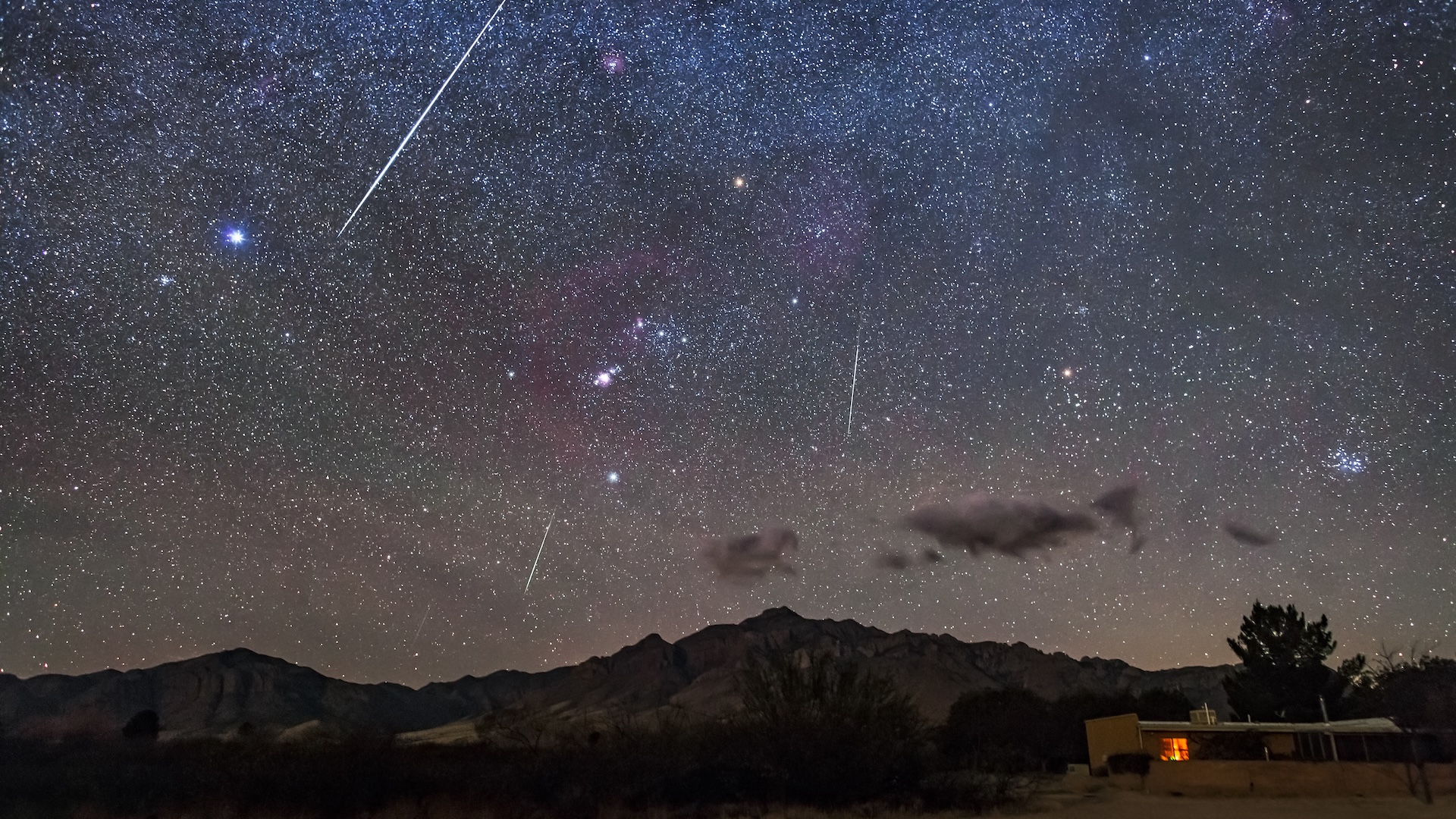
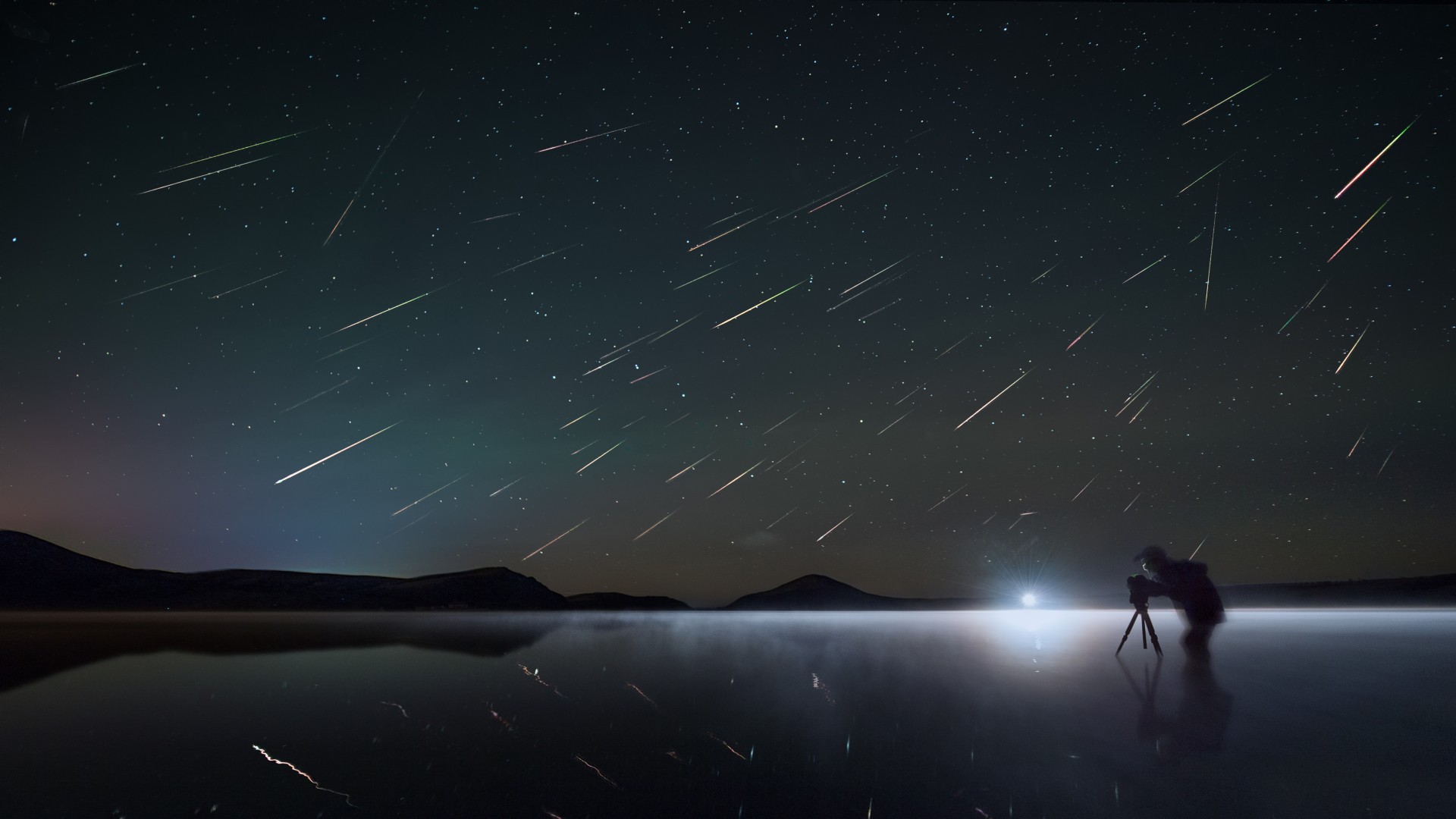
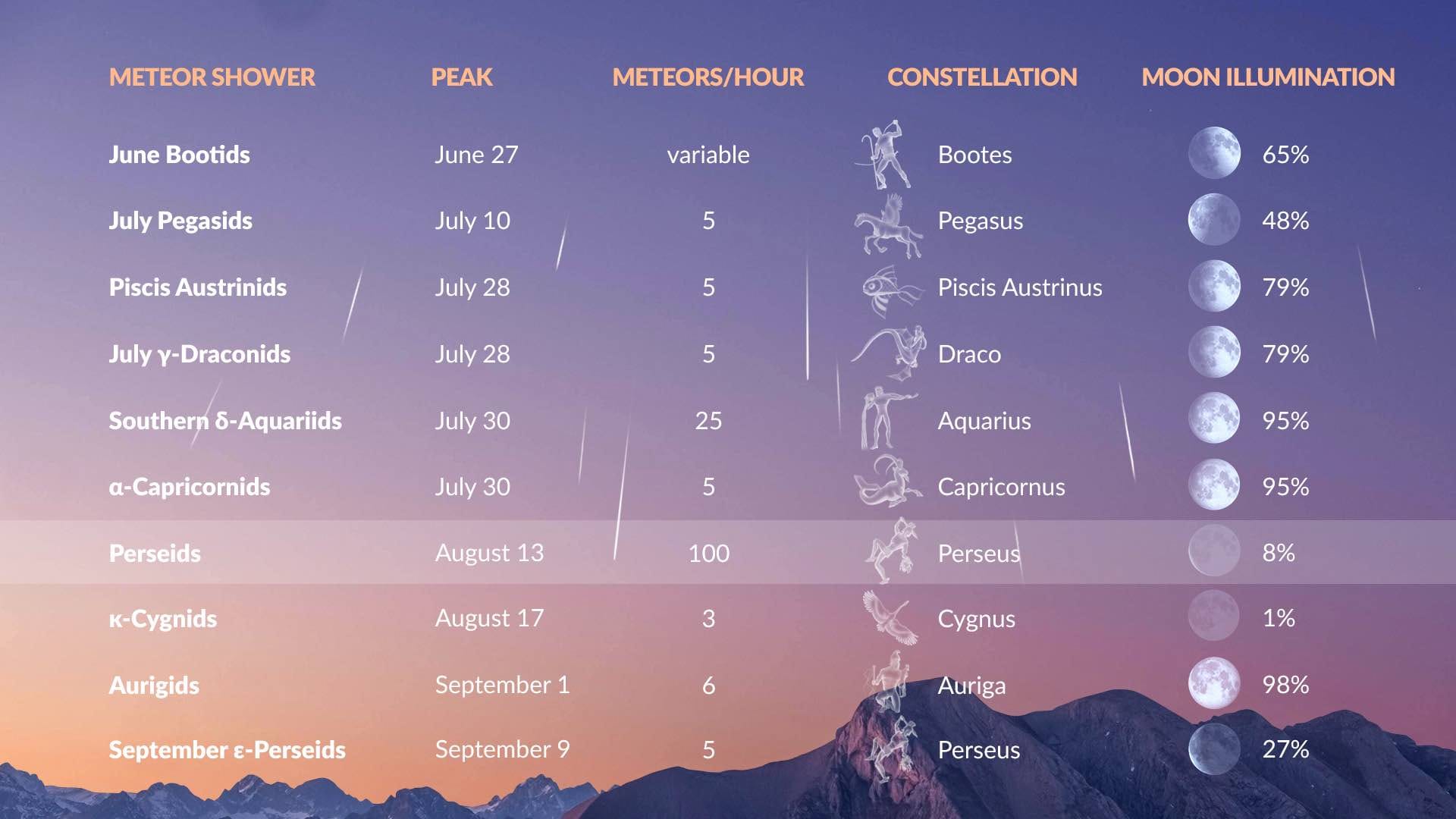
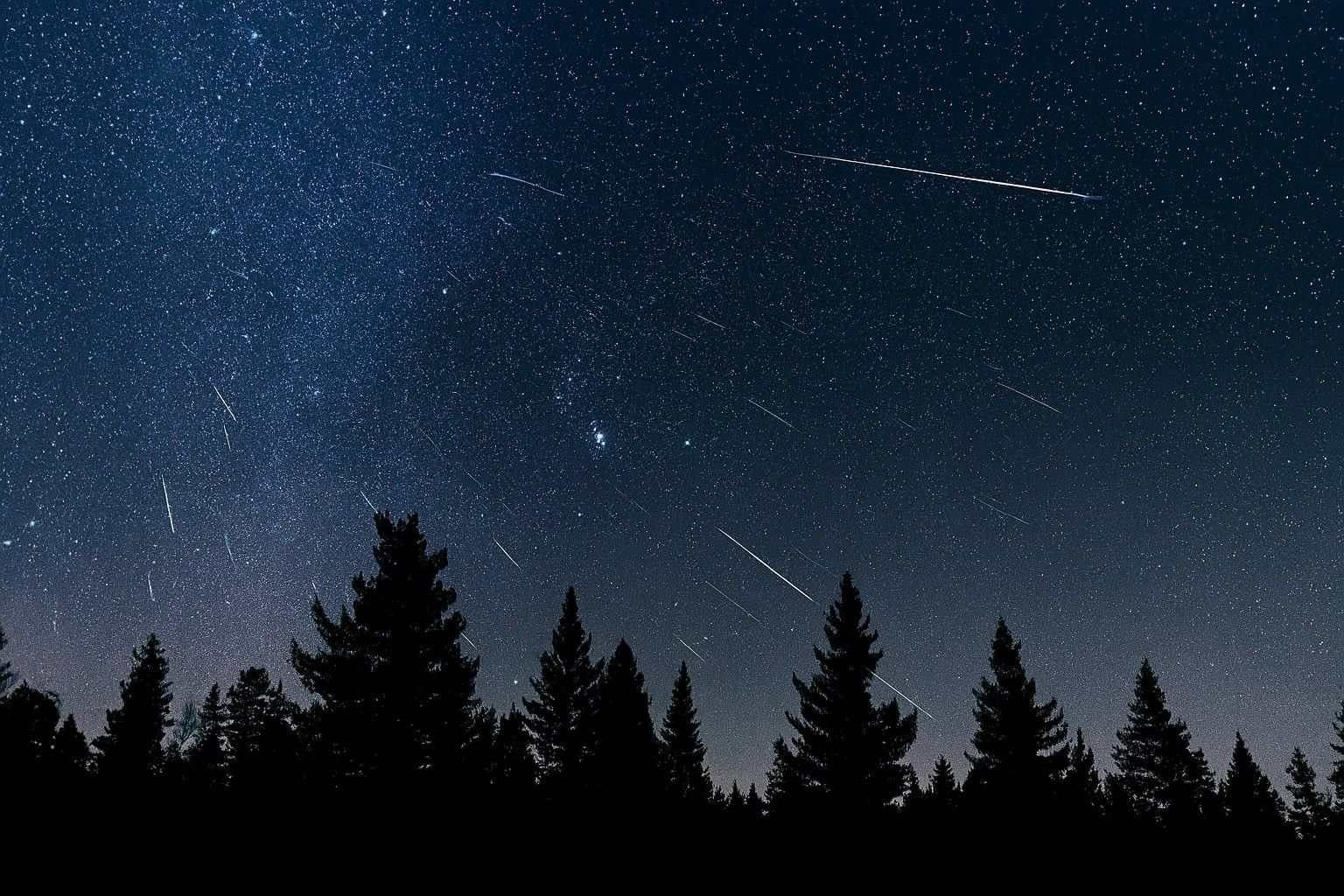
Finding the optimal location to witness the peak of the April meteor shower—historically known as the Lyrids—requires balancing dark skies, unobstructed horizons, and favorable weather conditions. The top 22 viewing spots span renowned International Dark Sky Parks, remote national monuments, elevated overlooks, and coastal promontories carefully selected for minimal light pollution and high atmospheric transparency.
Understanding the April Meteor Shower (The Lyrids)
The April meteor shower, universally recognized by astronomers as the Lyrids, represents one of the oldest known and most reliable annual meteor showers observed by humanity. Active annually from roughly mid-April through the final week of the month, this celestial event typically reaches its peak intensity around April 21 to April 23. During this brief window, Earth passes through the orbital debris trail left behind by Comet C/1861 G1 Thatcher, a long-period comet that completes an orbit around the Sun approximately once every 415 years.
As these microscopic dust particles and meteoroids slam into Earth’s upper atmosphere at speeds exceeding 49 kilometers per second (about 110,000 miles per hour), they vaporize and ionize the surrounding air molecules. This rapid heating and cooling process produces the brilliant streaks of light we observe as meteors. While the Lyrids are traditionally classified as a moderate shower—typically producing between 10 and 20 visible meteors per hour under ideal dark-sky conditions—they are historically famous for occasional, unpredictable outbursts where rates can surge past 100 meteors per hour.
To maximize your viewing success, understanding the celestial mechanics and timing is vital. The radiant point—the area of the sky from which the meteors appear to originate—is located in the constellation Lyra, near the bright star Vega. While you do not need to look directly at the radiant to spot meteors (and in fact, looking slightly away from the radiant will reveal longer, more spectacular trails), knowing when Lyra climbs high into the night sky dictates your viewing schedule. Typically, the best viewing hours occur in the dark window between midnight and dawn, after the constellation has risen high above the eastern horizon and before morning twilight washes out the fainter shooting stars.
Essential Criteria for Selecting a Meteor-Viewing Location
Choosing where to set up your lawn chair or telescope involves far more than simply walking out into your backyard. Light pollution, horizon geometry, altitude, and weather patterns all dictate whether your meteor-watching excursion will be a breathtaking success or a frustrating exercise in frustration.
Light Pollution Mitigation
The single greatest enemy of meteor astronomy is artificial light pollution. City lights, suburban sprawl, and poorly shielded industrial lighting scatter into the atmosphere, raising the ambient sky brightness and obscuring fainter meteors. Astronomers utilize the Bortle Dark-Sky Scale, a nine-level numerical rating system that measures the night sky's brightness of a given location.
- Bortle Class 1-3: Pristine dark skies to rural transitions. These locations offer views of the Milky Way in striking detail and reveal meteors of the faintest magnitudes.
- Bortle Class 4-5: Rural-to-suburban transition and suburban skies. Faint meteors will be washed out, but bright Lyrids remain visible.
- Bortle Class 6-9: Bright suburban, suburban-urban transition, and inner-city skies. Only the brightest fireballs can cut through the artificial glare.
For the optimal Lyrid experience, target locations rated Bortle Class 3 or lower. Organizations like the International Dark-Sky Association maintain registries of certified parks, reserves, and sanctuaries explicitly protected from light pollution.
Horizon Geometry and Elevation
Meteor showers do not occur in a single localized point; they streak across the entire celestial dome. Therefore, your viewing spot must provide an expansive, unobstructed view of the night sky. Deep canyons, dense urban forestry, and steep mountain valleys that block more than 20 to 30 percent of the horizon severely restrict your field of view. Coastal bluffs, high-desert flats, and elevated mountain balds are vastly superior because they grant a 360-degree panorama of the heavens.
Furthermore, elevation plays a subtle yet critical role. By traveling to higher altitudes—generally above 3,000 to 5,000 feet—you ascend above a significant portion of the Earth’s dense lower atmosphere, reducing atmospheric moisture, aerosol scattering, and localized haze.
The 22 Best Spots Where to See the April Meteor Shower
The following destinations have been curated based on their exceptional dark-sky ratings, geographic distribution, accessibility, and lack of horizon obstructions. Each site offers unique advantages for skywatchers during the peak of the April Lyrids.
1. Natural Bridges National Monument, Utah, United States
As the world’s first designated International Dark Sky Park, Natural Bridges sits on the remote Colorado Plateau. Its high elevation (around 6,500 feet) and complete lack of regional light pollution provide a Bortle Class 1 viewing environment where the Milky Way casts shadows.
2. Cherry Springs State Park, Pennsylvania, United States
Widely considered the premier stargazing destination in the eastern United States, Cherry Springs features a dedicated astronomy field surrounded by the rugged expanses of the Susquehannock State Forest. Its remote ridgeline location blocks local light spill effectively.
3. Aoraki Mackenzie Dark Sky Reserve, South Island, New Zealand
For observers in the Southern Hemisphere or traveling internationally in April, this massive 4,300-square-kilometer reserve offers some of the most pristine skies on Earth. While the radiant is lower on the northern horizon, the absolute clarity makes up for it.
4. Death Valley National Park, California, United States
Encompassing over three million acres of desert wilderness, Death Valley is the largest International Dark Sky Park in the United States. Valley floors like Badwater Basin or elevated overlooks like Zabriskie Point offer vast horizons and stable spring weather.
5. Galloway Forest Park, Scotland, United Kingdom
As the first dark sky park in the UK, Galloway provides a massive expanse of forested hills and lochs with virtually no human habitation. The northern latitude requires late-night viewing after lingering twilight subsides.
6. Big Bend National Park, Texas, United States
Tucked inside the massive bend of the Rio Grande, Big Bend boasts some of the darkest skies in North America. The Chisos Mountains and surrounding desert flats provide dramatic foreground silhouettes for night-sky photography alongside meteor watching.
7. Mauna Kea Access Road, Hawaii, United States
While visitors are generally encouraged to utilize the Visitor Information Station at 9,200 feet rather than the summit observatories, the high-altitude Hawaiian atmosphere offers peerless transparency and stability above the cloud deck.
8. Exmoor National Park, England, United Kingdom
Europe’s first designated International Dark Sky Reserve, Exmoor offers rolling moorlands and coastal cliffs overlooking the Bristol Channel, granting wide-open northern and eastern viewing angles.
9. Headlands International Dark Sky Park, Michigan, United States
Situated on the shores of the Straits of Mackinac, this park features an uninterrupted northern horizon over Lake Michigan, making it an exceptional spot for catching low-angle Lyrid trails.
10. Chaco Culture National Historical Park, New Mexico, United States
Deep within the high desert of New Mexico, Chaco Canyon preserves ancient Puebloan architecture under some of the most light-pristine skies in the American Southwest. The canyon walls restrict immediate horizon glare.
11. Mont Mégantic International Dark Sky Reserve, Quebec, Canada
Centered around the ASTROLab observatory, this Canadian reserve strictly regulates outdoor lighting across neighboring municipalities, ensuring a deep-sky environment ideal for spring meteor campaigns.
12. Great Basin National Park, Nevada, United States
Remote, mountainous, and high-altitude, Great Basin features exceptional transparency. Prime viewing can be found near the base of Wheeler Peak or out on the sagebrush-covered flats.
13. Warrumbungle National Park, New South Wales, Australia
Australia’s first dark sky park surrounds the Siding Spring Observatory. Its rugged volcanic landscape provides dramatic scenery and remarkably steady atmospheric conditions.
14. Jasper National Park, Alberta, Canada
As one of the world’s largest dark sky preserves, Jasper offers majestic mountain backdrops paired with strict municipal lighting controls. Spots like Pyramid Island are local favorites for astrophotography.
15. Paranal Observatory Platform, Atacama Desert, Chile
While professional facilities dominate the Atacama, surrounding public plateaus offer the driest, clearest skies on the planet, guaranteeing unobstructed viewing during April.
16. McDonald Observatory Vicinity, Fort Davis, Texas, United States
Surrounding the professional research domes in the Davis Mountains, the high-elevation roads and pullouts in Jeff Davis County offer excellent dark-sky infrastructure.
17. Sark Dark Sky Island, Channel Islands
This tiny island situated in the English Channel prohibits motorized cars and public street lighting entirely, allowing residents and visitors to view meteors with uninhibited naked-eye clarity.
18. Joshua Tree National Park, California, United States
Though within driving distance of Southern California, remote interior valleys like Pinto Basin offer surprisingly dark skies, though visitors should monitor spring desert wind conditions.
19. El Teide National Park, Tenerife, Canary Islands
Rising high above the Atlantic Ocean, the volcanic caldera of Mount Teide pierces the marine inversion layer, frequently placing observers above turbulent cloud layers with crystal-clear skies.
20. Petrified Forest National Park, Arizona, United States
Though primarily a daytime park, special dark-sky events and remote boundaries provide wide-open views of the high desert plateau where spring weather is typically mild and dry.
21. Zselic Starry Sky Park, Somogy County, Hungary
Protected from regional light pollution by surrounding hills and forest cover, this European reserve features dedicated observation platforms and minimal atmospheric interference.
22. Bryce Canyon National Park, Utah, United States
Perched along the edge of the Paunsaugunt Plateau at elevations exceeding 8,000 feet, Bryce Canyon offers amphitheaters of rock formations that frame the spring constellations magnificently.
Comparison of Top Regional Viewing Categories
To help evaluate which type of location best fits your travel logistics and viewing style, the following comparison breaks down the operational characteristics of major viewing environments.
| Environment Type | Typical Bortle Rating | Horizon Openness | Weather Stability in April | Accessibility |
|---|---|---|---|---|
| High Desert Plateaus | Class 1 – 2 | Excellent (360°) | High (Low humidity) | Moderate to Remote |
| Mountain Ridges | Class 2 – 3 | Good to Moderate | Variable (Cold nights) | Requires Mountain Driving |
| Dark Sky Parks | Class 1 – 3 | Excellent | Varies by region | Well-Maintained Infrastructure |
| Coastal Promontories | Class 2 – 4 | Excellent (Seaward) | Moderate (Marine layers) | Easy to Moderate |
Equipment, Gear, and Preparation Checklist
Successfully observing a meteor shower requires virtually zero expensive optical equipment—in fact, binoculars and telescopes actually hinder your chances because their narrow fields of view limit how much sky you can see at once. However, surviving a chilly April night outdoors requires careful preparation.
- Comfortable Seating: Bring a zero-gravity reclining chair or a camping cot. Straining your neck upward for hours while standing will cut your viewing session short.
- Layered Apparel and Blankets: April nights can experience dramatic temperature drops, even in desert environments. Pack thermal base layers, windproof jackets, heavy wool socks, and sleeping bags.
- Red-Light Flashlights: White light ruins your eyes' dark adaptation, requiring up to 30 minutes to recover. Use a headlamp or flashlight equipped with a red LED filter to navigate your gear.
- Hot Beverages: A thermos filled with coffee, tea, or warm broth keeps internal temperatures stable during the coldest predawn hours.
Frequently Asked Questions
What time of night is best to see the April Lyrid meteor shower?
The absolute best viewing window is between midnight and dawn. During these hours, the Earth has rotated so that your location is facing directly into the oncoming stream of meteoroids, and the radiant constellation Lyra is positioned high in the sky.
Do I need a telescope to see meteors?
No. Telescopes and binoculars narrow your field of vision significantly, making it much harder to spot fast-moving, unpredictable streaks of light. Your naked eyes are the absolute best instrument for meteor showers.
How many meteors can I expect to see per hour during the April shower?
Under dark skies away from city lights, the Lyrids typically produce between 10 and 20 meteors per hour during their peak. While rarer outbursts can push past 50 to 100 per hour, patience remains essential.
Can I view the meteor shower from my suburban backyard?
You can spot extremely bright fireballs from suburban locations, but light pollution will wash out 80% to 90% of the fainter meteors. Traveling to a Bortle Class 3 or darker location vastly increases your yield.
Should I look directly at the constellation Lyra to see the meteors?
No. While meteors originate from the radiant in Lyra, looking slightly away from the constellation (roughly 30 to 45 degrees away) will reveal longer, more photogenic meteor trails.
Practical Next Steps for Your Viewing Trip
Begin your planning at least two weeks before the April peak by checking local weather forecasts and moon phases, as a bright waxing or full moon can severely compromise dark-sky visibility. Select one of the 22 recommended locations closest to your region, verify park entry regulations or overnight camping permits, and pack your gear well in advance. By combining a pristine dark-sky location with patience and proper cold-weather preparation, you will experience the full majesty of the April meteor shower.